

A Definitive Review of the Dynaudio Contour 20 Black Edition

I. An Overture in Monochrome
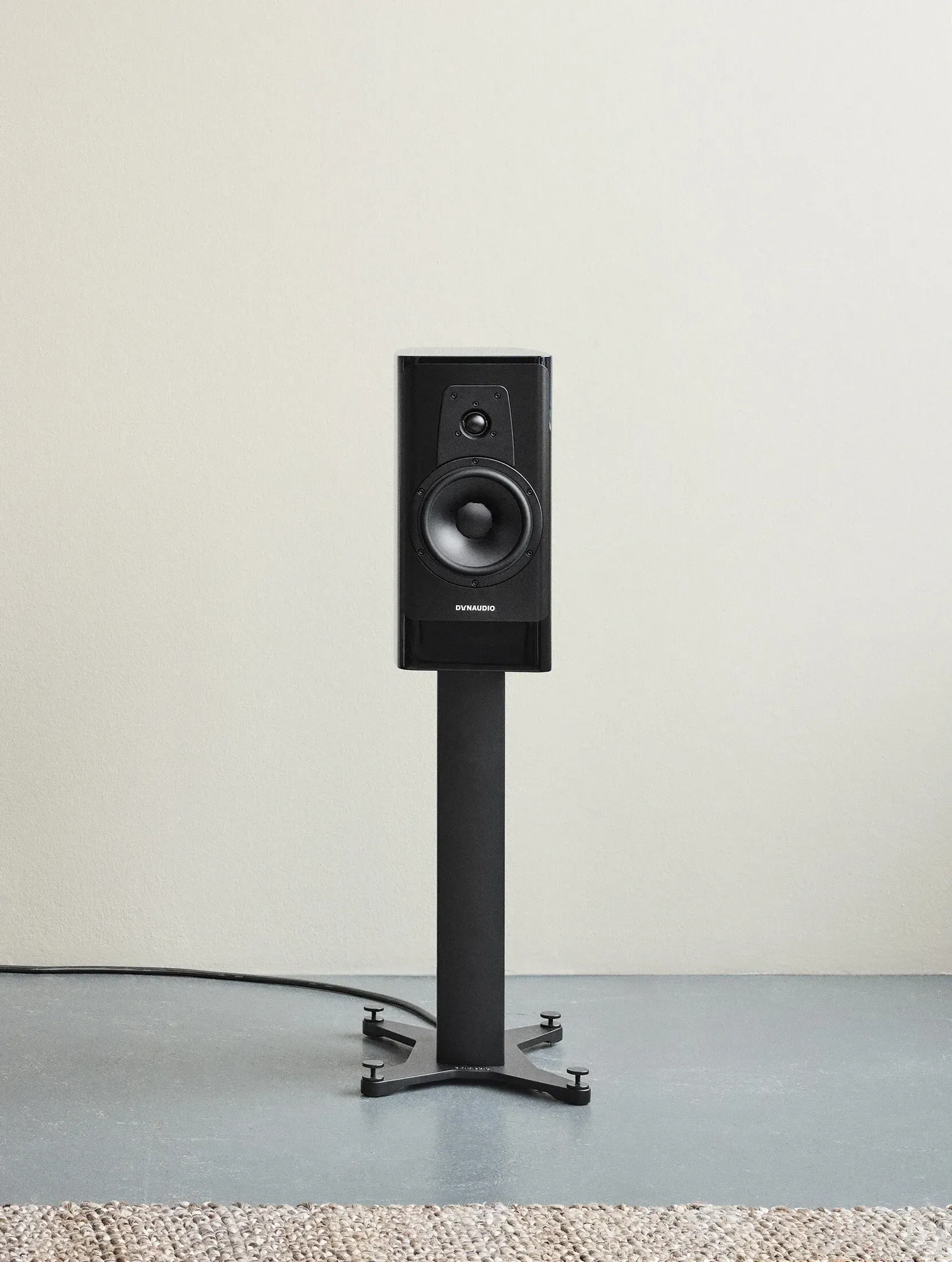
In the rarefied world of high-performance audio, a new product's finish is often a matter of aesthetic choice, a final flourish on a completed design. Yet, with the Dynaudio Contour 20 Black Edition, the singular, uncompromising monochrome finish is not a choice but a declaration. This loudspeaker is not merely a Contour 20i dressed in a new colorway; it is a product born from a specific and ambitious engineering mandate: to create a transducer that bridges the considerable performance and price chasm between the highly-regarded Contour 20i and the flagship Confidence 20 standmount speaker. The "none more black" aesthetic, extending from the deep, lustrous lacquer of the cabinet to the anodized aluminum baffle and even the rear terminal plate, serves as a visual signifier of this singular focus. It is a deliberate decision to concentrate every available resource on elevating performance, eschewing a variety of finishes in favor of a definitive sonic statement.
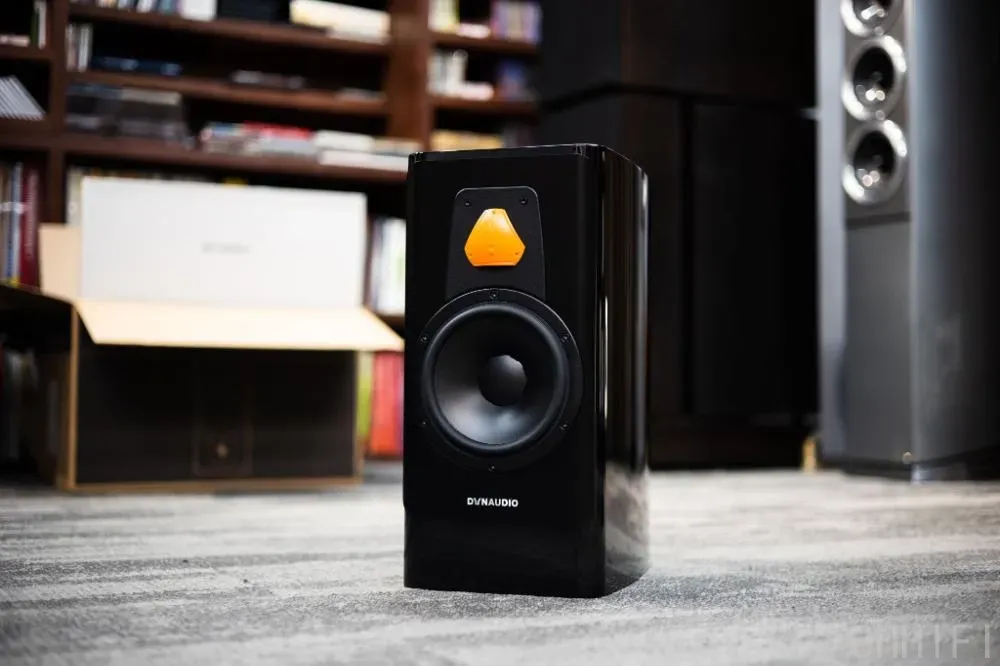
This loudspeaker represents a calculated strategic maneuver by its Danish creators. It is more than a simple "gap-filler"; it is the deliberate creation of a new, fiercely competitive performance tier within Dynaudio's own esteemed hierarchy. By transplanting flagship-level components, most notably the sublime Esotar3 tweeter from the far more expensive Confidence series, into the proven and more cost-effective Contour cabinet architecture, Dynaudio has thrown down a gauntlet to the market and, indeed, to itself. This approach creates an immensely compelling value proposition. It is a product that may intentionally draw the discerning audiophile who was financially stretching for a Confidence 20, while simultaneously persuading existing Contour 20i owners that a significant and tangible upgrade exists within the same product family. The performance differential between the Black Edition and the Confidence 20 has been narrowed to a degree that forces a serious question: does the flagship's more advanced cabinet and port design justify its significant price premium when the Black Edition now shares its most critical high-frequency component? On some material, the two can be difficult to distinguish in initial listening, suggesting the Black Edition offers as much of the Confidence 20's essence as is possible at its price point. This is not just filling a gap; it is a redefinition of the performance-to-price ratio, a move that risks cannibalizing sales from both adjacent product lines but ultimately strengthens Dynaudio's dominance in the fiercely contested premium standmount category.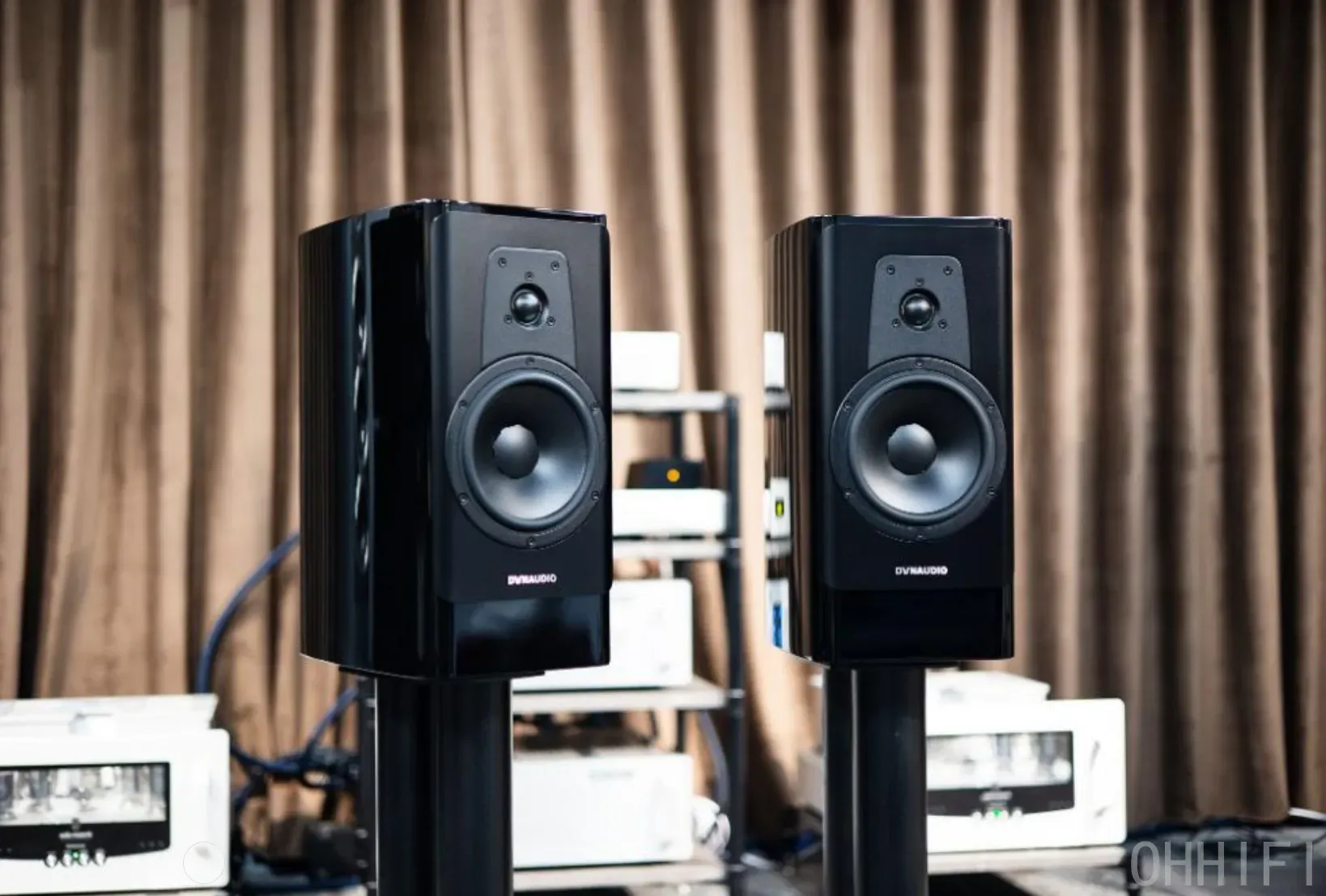
II. The Anatomy of a Dark Star: Design, Engineering, and Philosophy
A. Form and Finish: The Monolithic Foundation
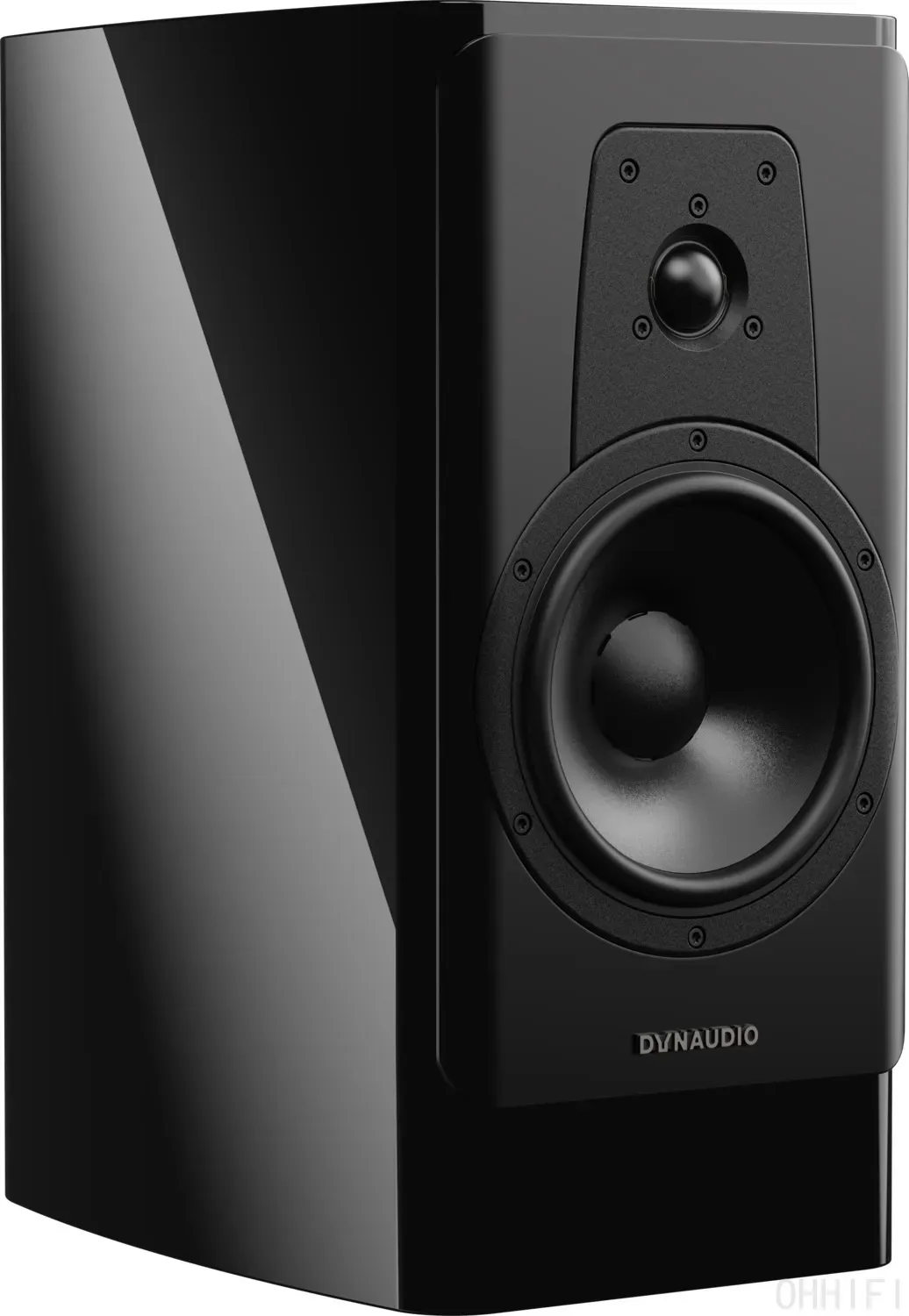
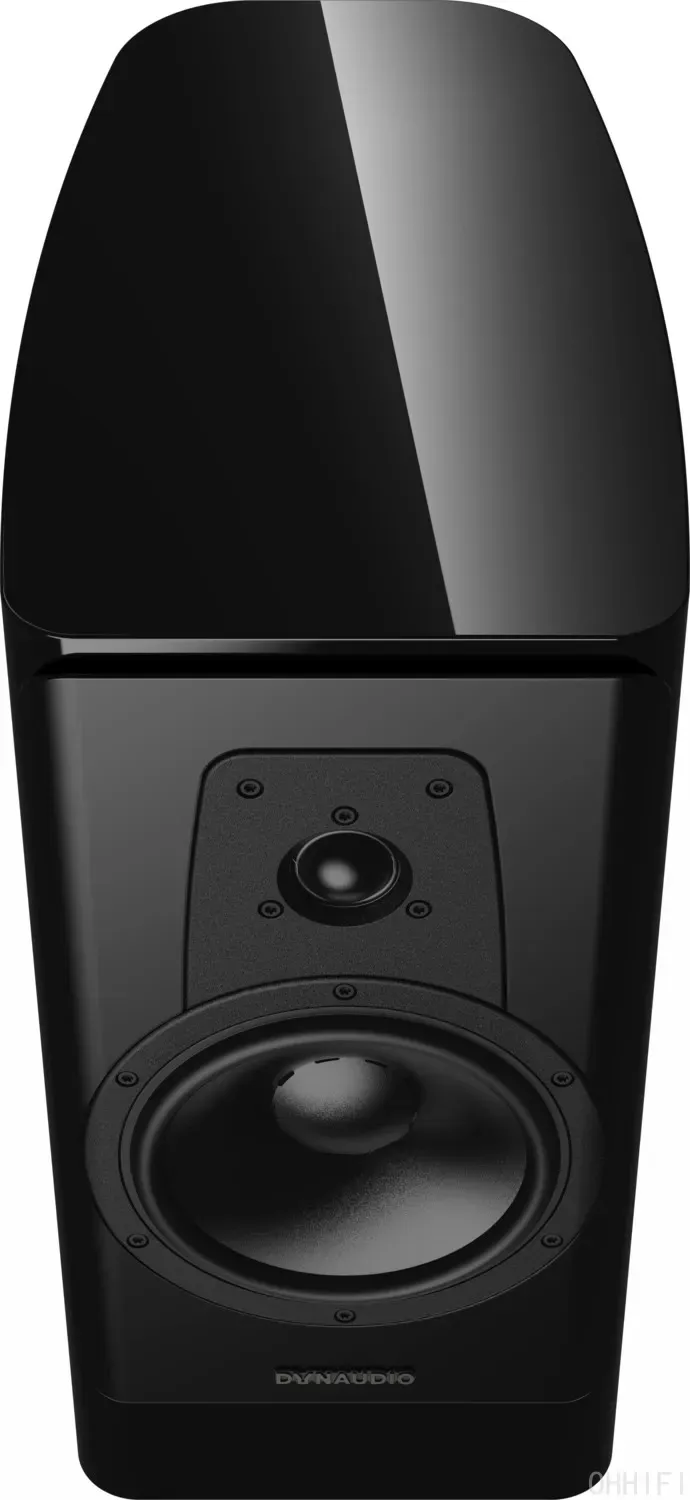
The Contour 20 Black Edition's performance ambitions are built upon an already stellar foundation: the cabinet of the Contour 20i. This is no ordinary enclosure. The construction is a dense, multi-layered MDF structure, with 18 mm thick sides and a dual-layer 18 mm front section, all formed into a gracefully curved shape engineered to minimize internal standing waves and unwanted resonances. The true key to its inertness, however, lies in the massive 14 mm solid aluminum front baffle. This component, which appears deceptively slim from the front, is securely bolted to the MDF cabinet. This creates a synergistic, constrained-layer damping system where the metallic and organic materials work in concert, each effectively canceling the resonant frequencies of the other. The result is an incredibly rigid, stable, and acoustically dead platform, ensuring that the only sound projected into the room is that which is generated by the drivers themselves.
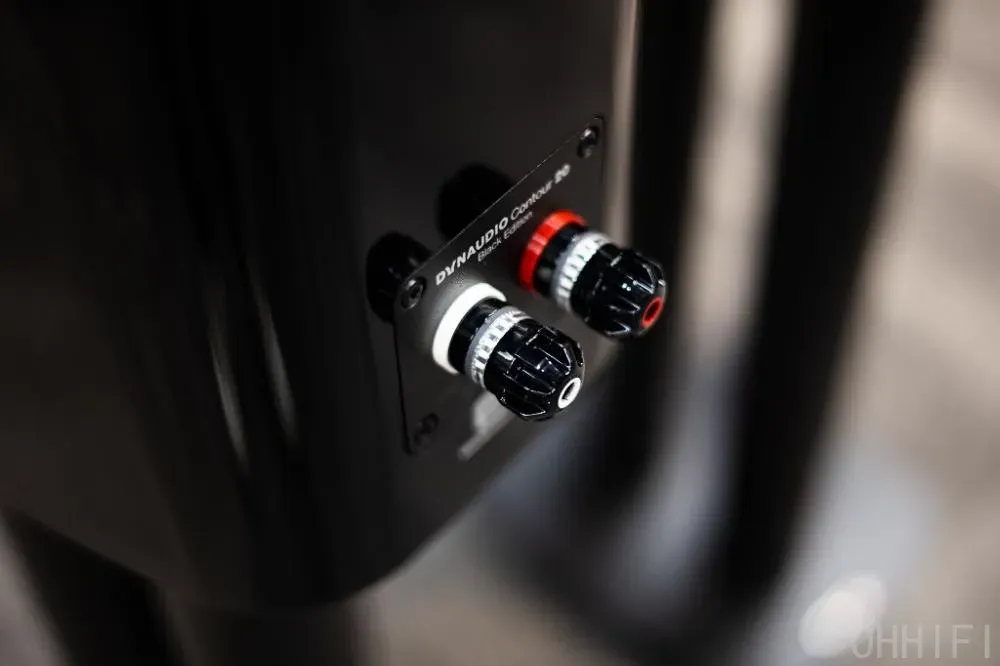
Visually, the execution is meticulous and absolute. The deep, high-gloss black lacquer of the cabinet contrasts smartly with the matt black, anodized finish of the aluminum baffle. This theme of totality extends to every detail: the driver baskets are black, the tweeter's front plate is black, and even the high-quality WBT nextgen binding post plate on the rear is finished in black. The only exception to this rule is the small, shiny Dynaudio logo on the front, a single point of light on an otherwise monolithic and imposing object. The effect is one of serious, purposeful elegance.
B. The Heart of Confidence: The Esotar3 Tweeter
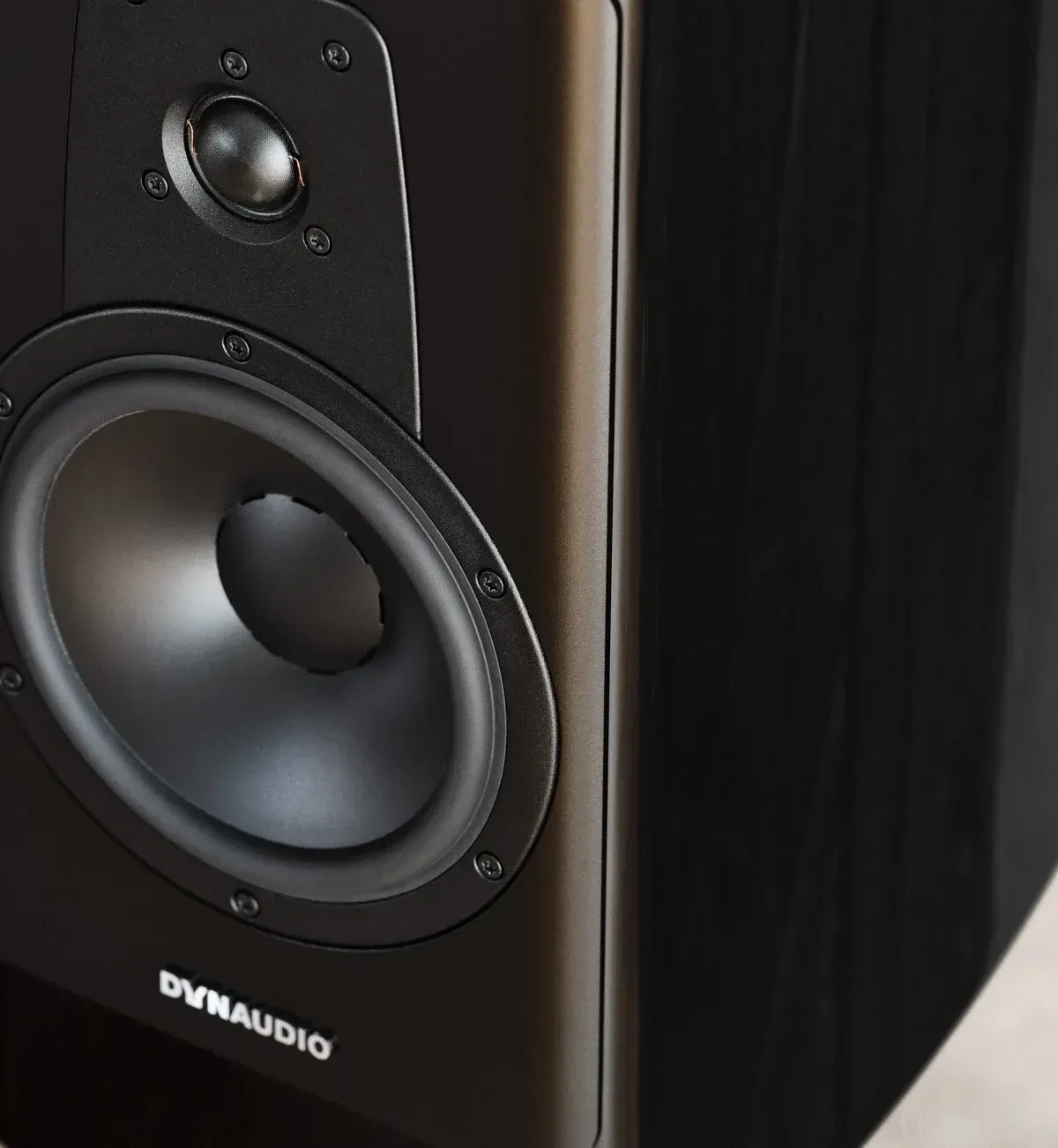
The crown jewel of the Black Edition, and arguably its most significant upgrade, is the Esotar3 tweeter—a direct transplant from Dynaudio's flagship Confidence range. This is, quite simply, one of the finest high-frequency transducers ever produced, celebrated for its peerless combination of crystalline resolution, utter smoothness, and formidable dynamic capability. Its inclusion in a Contour series speaker is unprecedented and signals the depth of the engineers' ambition.
Central to the Esotar3's performance is the ingenious Hexis inner dome. Visible just behind the main 28 mm soft-dome diaphragm, this dimpled secondary dome is a sophisticated piece of acoustic engineering. Its primary function is to control and smooth the airflow behind the main dome, breaking up and absorbing unwanted resonances that would otherwise color the sound and obscure fine detail. By gently guiding the air into the tweeter's large, damped rear chamber, the Hexis allows the diaphragm to move with greater freedom and precision, resulting in a smoother frequency response and a more natural, breathable high-frequency presentation. This is complemented by a powerful neodymium magnet system and a lightweight aluminum voice-coil, a combination that increases the tweeter's sensitivity and thermal stability, allowing it to play with astonishing clarity at high volumes for extended periods without compression or strain.
C. A New Engine for the Midrange and Bass
Matching the superlative performance of the Esotar3 is a new and substantially re-engineered 18 cm (7-inch) mid/bass driver. While it retains Dynaudio's signature one-piece Magnesium Silicate Polymer (MSP) cone, the motor system behind it is a significant evolution from the unit found in the Contour 20i. The core upgrade is a move from a traditional ferrite magnet to a far more powerful and compact neodymium magnet system.
This decision was not made simply for the sake of using a more exotic material; it was the key that unlocked a cascade of performance enhancements. The primary engineering goal was to increase the driver's sensitivity and dynamic capability. While a larger, more powerful ferrite magnet could achieve this, it would come at an unacceptable cost: the magnet's bulk would physically obstruct the space behind the cone, impeding airflow and creating compression, which in turn leads to distortion. The solution was to employ a neodymium magnet, which provides a significantly higher magnetic force within a much smaller physical volume. This single change had a profound domino effect. The smaller magnet immediately liberated critical space within the driver's chassis, allowing engineers to design a more aerodynamic profile with vastly improved airflow. This enhanced ventilation directly reduces distortion and allows the cone to move more freely, dramatically improving its precision and dynamic prowess. Concurrently, the more powerful magnetic field increases the driver's sensitivity, meaning it can achieve a given volume with less input voltage from the amplifier. This reduces stress on the partnering amplifier and translates to more immediate, impactful dynamic attack and superior imaging. Thus, the single decision to use neodymium is directly responsible for the Black Edition's audible gains in clarity, speed, and dynamic authority.
D. The Elegance of Simplicity: A Purist's Crossover
Perhaps the most philosophically revealing upgrade in the Contour 20 Black Edition is its completely redesigned crossover network. While the standard Contour 20i employs a well-engineered crossover that includes extra components for phase and impedance correction, the Black Edition's network is celebrated for its elegant simplicity. This minimalist approach is not a cost-saving measure but a purist's ideal, made possible only by the exceptional quality and inherently well-behaved nature of the new Esotar3 and MSP drivers. Because these drivers have such a clean and wide operating range, they do not require the complex "corrective surgery" of a more elaborate filter network to integrate seamlessly.
The design is a minimalist second-order (

III. The Audition: An Immersive Sonic Exploration
A. First Impressions: The Character of Control and Authenticity
The fundamental sonic identity of the Contour 20 Black Edition is one of profound control and authenticity. This is not a loudspeaker that attempts to impress with artificial excitement or exaggerated frequency extremes. Instead, its power lies in a deep-seated sense of calm, balance, and honesty. The presentation is consistently neutral and exceptionally uncolored, with a voicing that leans towards the "flat" and accurate character of a professional studio monitor. It possesses a rare ability to step out of the way, presenting music with a purity that feels true to the original recording, focusing on the artist's intent rather than imposing its own sonic signature.
This relaxed and unforced character might initially seem at odds with descriptions of the speaker as being exceptionally dynamic, yet these two qualities are not contradictory. They are, in fact, two sides of the same coin, describing a highly sought-after trait in high-end audio: dynamic composure. The speaker sounds relaxed because it operates with a complete absence of strain, even when pushed to very high volumes. The combination of low-distortion drivers and a pure, high-quality crossover means there is no hint of the harshness, edge, or compression that induces listening fatigue. This inherent effortlessness provides the silent, stable foundation from which its powerful dynamics can launch with startling speed and impact. The result is a sound that is simultaneously potent and utterly civilized, capable of whispering the most delicate details one moment and delivering a full-throated crescendo the next, all without losing its fundamental composure.
B. Clarity in the Aether: Midrange Lucidity and Treble Finesse
The contribution of the Esotar3 tweeter is immediately and breathtakingly apparent. High frequencies are rendered with an airy, spacious, and crystalline quality that unearths the finest nuances in a recording without a trace of artificial brightness or stridency. Listening to the Hoff Ensemble’s Blågutten, the decay of piano notes is stunningly realistic, hanging in the air with natural sustain, while Mathias Eick’s trumpet appears holographically within the soundstage, its brassy tone surrounded by the rich reverberation of the recording venue. Similarly, percussive elements like bells "jingle sweetly, totally detached from the speaker enclosures," a testament to the tweeter's low distortion and superb dispersion.
This clarity extends down into the all-important midrange, which is characterized by an exceptional openness and transparency. Vocals are a particular strength, reproduced with a realism and presence that is captivating. The voice of Emilie Nicholas is rendered as "effortlessly open and refined," with a level of resolution that only the best speakers can achieve. Likewise, Aimee Mann's vocals are "portrayed so beautifully," with every subtle inflection and breath intact. This lucidity is a direct result of the low-coloration drivers and the purity of the simplified signal path, allowing the emotional core of a performance to be communicated with unflinching directness.
C. Dynamic Authority and Rhythmic Drive
The Contour 20 Black Edition exhibits an impressive command of power and rhythm. It can be driven to very high listening levels without any hint of soundstage collapse, dynamic compression, or loss of control. As the volume increases, the speaker's inherent character does not change; it simply gets louder, more engaging, and more fun.
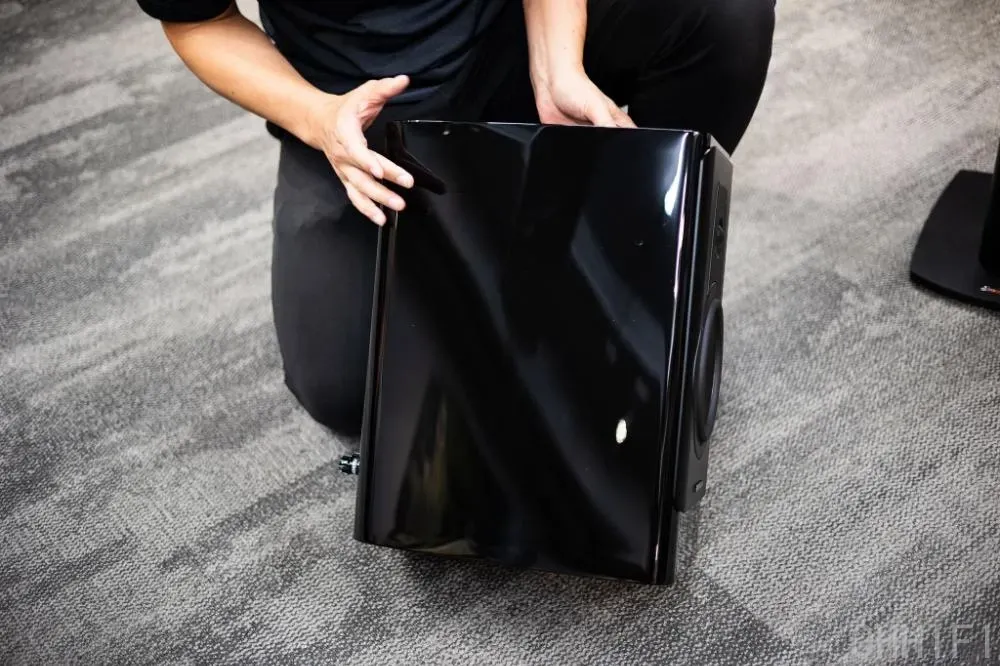
The bass performance is a key element of this dynamic authority. While physics dictates that a standmount speaker of this size will not reproduce the deepest sub-bass frequencies, the low-end it does produce is surprisingly strong, articulate, and impactful. When playing Submotion Orchestra's "Variations," a few of the lowest tones may be absent, but the bass that is present is described as tight, well-formed, exceptionally controlled, and highly dynamic. The speaker provides a "rock-solid foundation" for bass-heavy electronic and orchestral music, with a wealth of controlled low-frequency energy that adds emotion without ever becoming overbearing or slow. The 7-inch woofer is fast and agile, rendering the intricate detail of plucked bass notes with both the necessary weight and textural definition. This potent and controlled bass response is enabled by the powerful new driver and the larger, dual-flared rear bass port, which allows for greater airflow with less turbulence.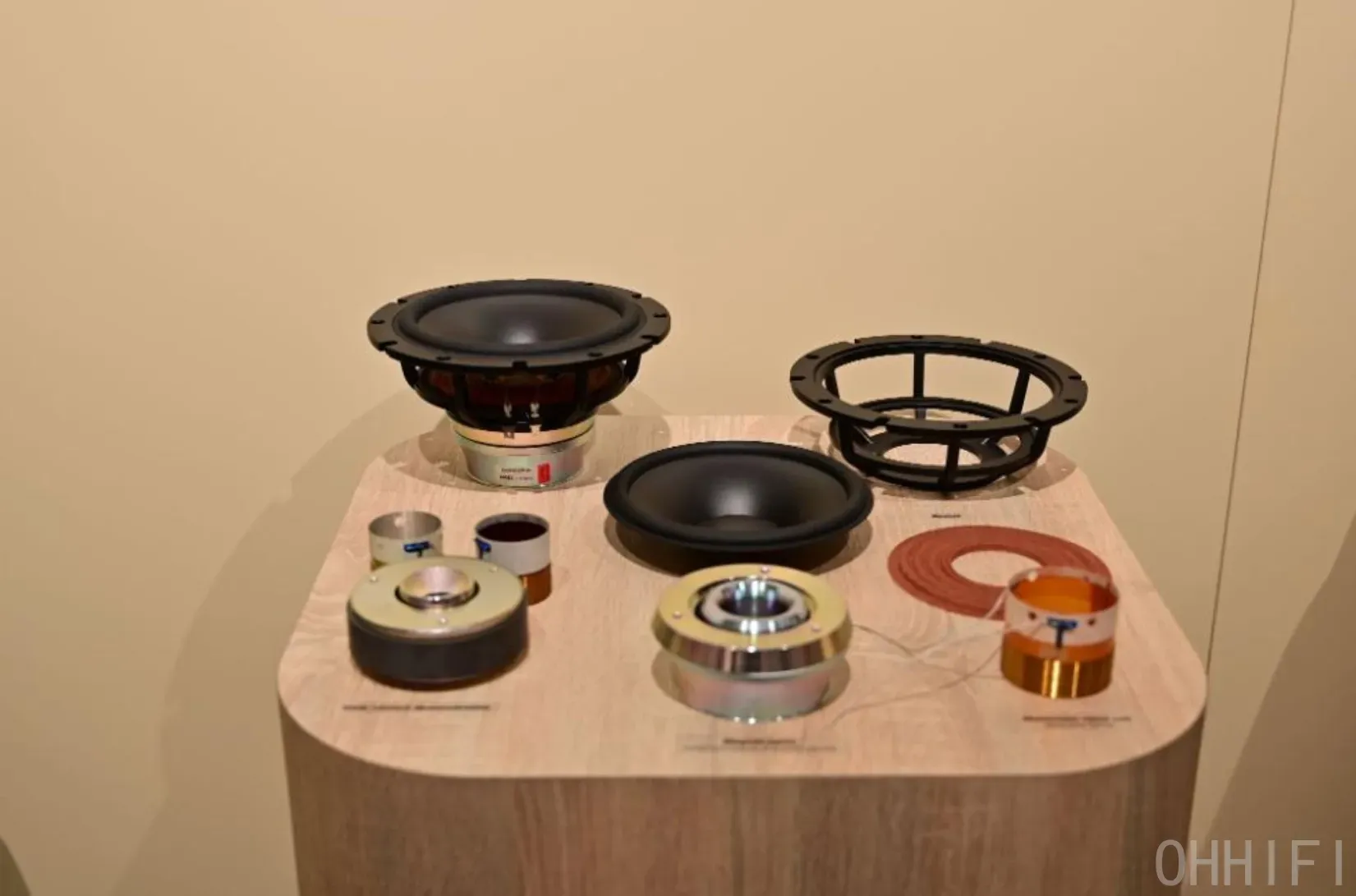
D. The Three-Dimensional Canvas: Soundstage and Imaging
In terms of spatial presentation, the Black Edition excels at creating a precise and holographic soundstage. Imaging is sharply focused, with individual instruments and voices locked firmly in their specific locations within a three-dimensional acoustic space. One of the speaker's most notable strengths is its ability to preserve the unique acoustic signature of each recording, rendering the size and character of a large concert hall as convincingly as the intimacy of a small jazz club.
This high-resolution spatial performance is, predictably, sensitive to placement. Small adjustments can yield significant rewards. A slight toe-in towards the listening position has been shown to improve holography and sharpen the focus on individual instruments. Pulling the speakers further out from the rear wall can also work brilliantly, resulting in a more solid bass response and, at times, a truly "grandiose soundstage". This responsiveness to placement is a hallmark of a well-designed loudspeaker with excellent off-axis response, a characteristic directly linked to the sophisticated, phase-coherent crossover network.
IV. The Art of Synergy: System Matching and Optimization
A. The Question of Power and Quality
Achieving the full measure of the Contour 20 Black Edition's performance requires careful consideration of partnering electronics. With a sensitivity of
The speaker's exceptional transparency acts as a magnifying glass on the entire audio chain, readily revealing the character and limitations of upstream components. The emphasis for prospective owners should therefore be less on raw wattage and more on the quality of that power: high current delivery, low noise floor, and tonal purity are paramount. The observation that the speaker "requires some power to wake up" should not be misinterpreted as a need for brute force, but rather as a demand for an amplifier with the finesse and control to harness the speaker's speed and dynamic life.
B. Finding the Foundation: Stands, Placement, and Break-in
To perform at its best, a high-performance standmount speaker requires an unyielding foundation. The use of high-quality, rigid, and mass-loaded speaker stands is non-negotiable. Dynaudio's own Stand 20 is strongly recommended, as it is custom-fit to the speaker's footprint and can be filled with sand or another inert material to increase its mass and stability, providing the optimal platform for the drivers to do their work.
Furthermore, potential owners should be prepared to invest time in a proper break-in period. While the speakers sound very good straight out of the box, their ultimate performance in both the bass and treble regions improves noticeably after a period of 50 to 100 hours of continuous play with bass-heavy material. This process allows the driver suspensions to relax and reach their intended operating parameters, resulting in a smoother top end and tighter, more extended bass response. This is not audiophile lore but a practical and critical step in realizing the full sonic investment.
 data-is-external-image="true">
V. Verdict: A New Benchmark in the Standmount Realm
A. Context and Comparisons: Defining its Place
In the competitive landscape of premium standmount loudspeakers, the Contour 20 Black Edition carves out a distinct and compelling position. When compared to a key rival like the Bowers & Wilkins 805 D4, a clear difference in sonic philosophy emerges. The B&W is noted for delivering a soundstage with more "warmth and glow," a slightly richer and more romantic presentation. The Dynaudio, in contrast, is judged to be superior in "dynamic contrast or transparency". This positions the Black Edition as the definitive choice for the listener who prioritizes neutrality, transient speed, and unvarnished dynamic realism.
Within Dynaudio's own lineup, the Black Edition's achievement is even more profound. It represents a substantial performance leap over the already excellent Contour 20i and comes tantalizingly close to the flagship Confidence 20, particularly in its high-frequency purity and midrange transparency. By offering so much of the flagship's performance at a significantly more accessible price, it establishes itself as the undeniable "sweet spot" in the company's entire standmount portfolio, a product that perfectly balances performance and value.
B. An Honest Appraisal: Strengths and Considerations
The strengths of the Contour 20 Black Edition are as clear as its sound. First and foremost is its flagship-level transparency and resolution, courtesy of the Esotar3 tweeter, which delivers a degree of high-frequency detail, air, and refinement typically reserved for speakers at a much higher price echelon. This is paired with an exceptional dynamic composure—a rare and masterful ability to combine a smooth, utterly non-fatiguing character with explosive dynamics and unwavering control, even at formidable volume levels. The midrange is superbly clear and articulate, rendering voices and instruments with a lifelike presence that is both revealing and emotionally engaging. Finally, its bass performance is class-leading for a speaker of its size: tight, articulate, and surprisingly potent, providing a rhythmic and authoritative foundation for all genres of music. All of this is housed in an enclosure that exhibits masterful Danish build quality and a timeless, monolithic aesthetic.
There are, however, considerations for any prospective owner. The single "none more black" finish, while elegant and purposeful, will not suit all tastes or interior decors. More significantly, its high resolution is a double-edged sword: it demands high-quality source components and amplification to deliver its best performance. It will not flatter poor recordings or mediocre electronics; it will reveal them. Lastly, while its bass is remarkable for its size, the laws of physics still apply. As a standmount speaker, it will not produce the deepest sub-bass frequencies of a large floorstanding model, and some listeners in larger rooms may desire the addition of a high-quality subwoofer to complete the lowest octave.
C. Final Word: Welcome to the Dark Side
The Dynaudio Contour 20 Black Edition is a resounding and unequivocal success. It is far more than the "gap-filler" it was conceived to be; it is a destination product, a new benchmark for performance in its class. It represents what one reviewer aptly called an "acoustic stroke of luck"—a rare convergence where the sum of its superlative parts, guided by a purist engineering philosophy, has created a loudspeaker that is truly special. It proves that a compact speaker can challenge smaller floorstanding models in dynamics, punch, and the ability to fill a room with sound. For the discerning audiophile seeking the zenith of standmount speaker performance without ascending to the highest echelons of cost, the invitation from this dark star is clear and compelling: "Welcome to the dark side!".





Comments