
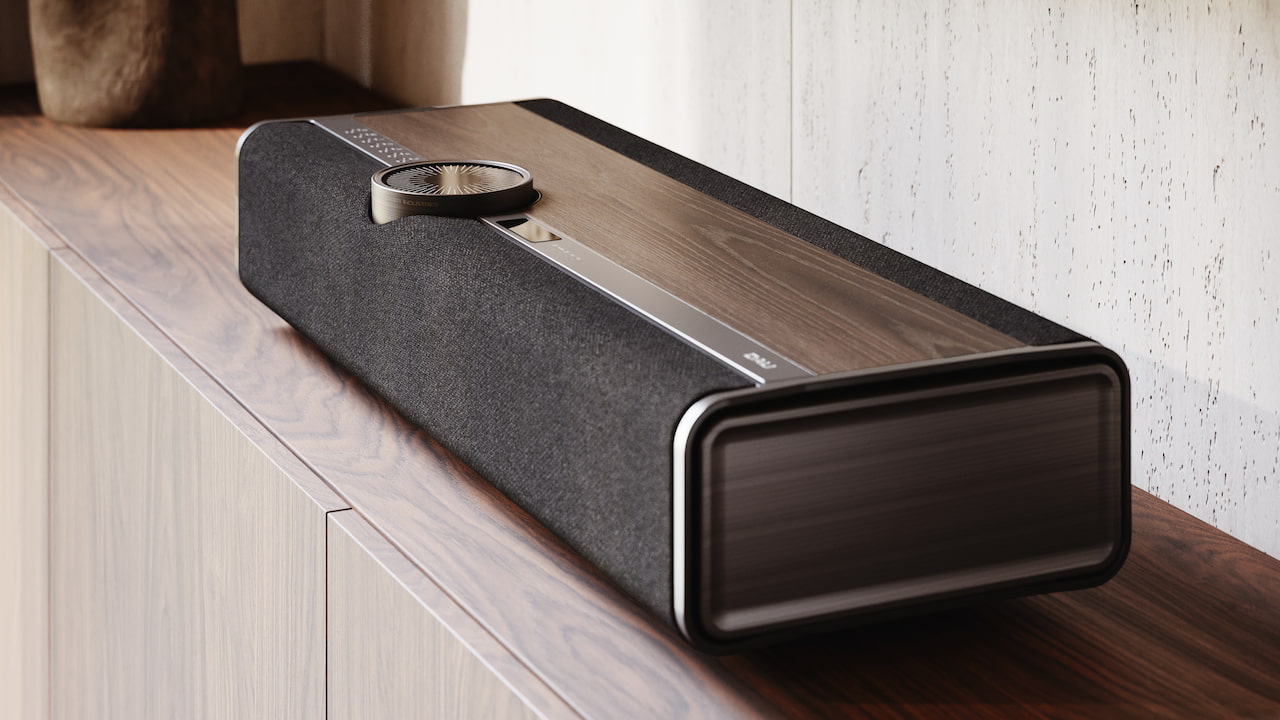
DALI VEGA: The $4,500 One-Box Bet That Real Hi-Fi Doesn't Need Cables Anymore

There's a moment in every audiophile's life when the rack of separates stops looking like a temple and starts looking like a chore. DALI is betting a lot of people have hit that moment. The Danish brand has just pulled the cover off VEGA , its first-ever all-in-one wireless system, and at $4,500 / £2,599 / AU$4,499 it is not pretending to be a lifestyle accessory. It is being pitched as a hi-fi system that happens to live in a single box — built around ten in-house drivers, 400 watts, and BluOS streaming. It debuts at High End Vienna next month and goes on sale in September, with more markets following through October and November.
What's New: Ten Drivers, 400 Watts, and a Speaker That Knows Which Way Is Up
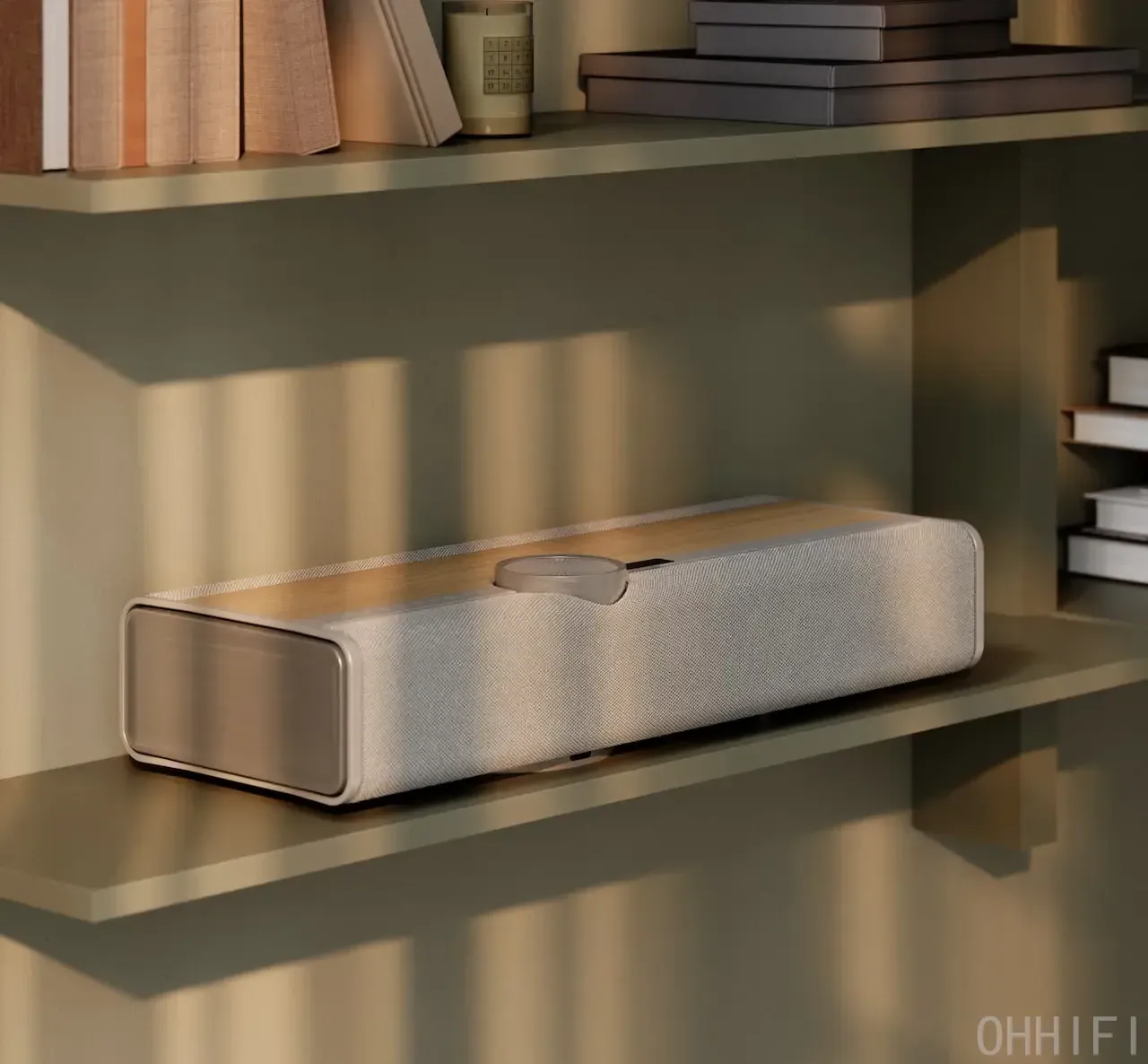
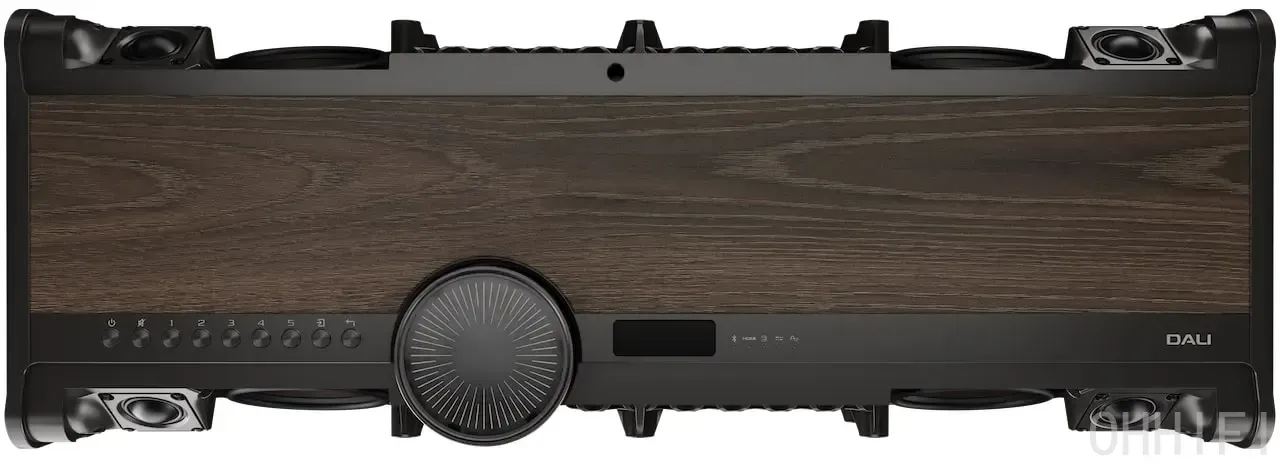
The headline number is the driver count. VEGA packs four 25mm soft-dome tweeters, four 4.5-inch paper-and-wood-fibre bass/midrange drivers, and two rectangular 3×6-inch passive radiators , all developed by DALI in-house. The tweeters use low-viscosity ferrofluid and a large rear chamber to push resonant frequencies out of the way, and the mid/bass drivers sit in a back-to-back, force-cancelling layout to keep the cabinet from joining the party. Power is 400 watts total, split across eight 50-watt Class D BTL channels. DALI quotes a frequency response of 32Hz–22.7kHz (±3dB) and a max SPL of 110dB at one meter — genuinely serious numbers for a box that weighs under 9kg.
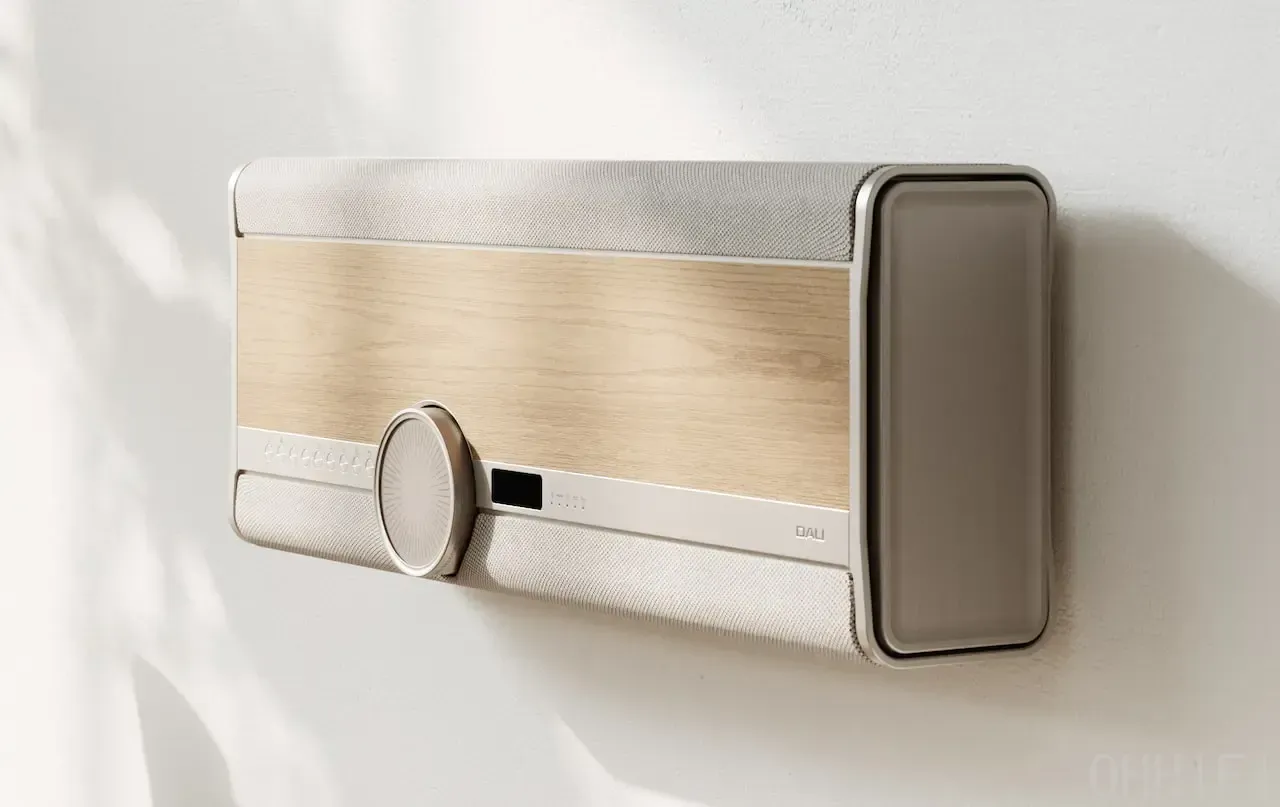
Two pieces of DSP do the heavy lifting. Adaptive Stereo Enhancement (ASE) widens the stereo image from a single enclosure, adjusting in real time to the signal. Adaptive Orientation Adjustment (AOA) reads how the unit is positioned — freestanding, near a wall, in a corner, or wall-mounted in portrait or landscape — and remaps the output accordingly. The OLED display even rotates to match. There's also a Tuned Mass Damper in the cabinet to fight vibration, up to 40 presets, and rear-wall distance compensation.
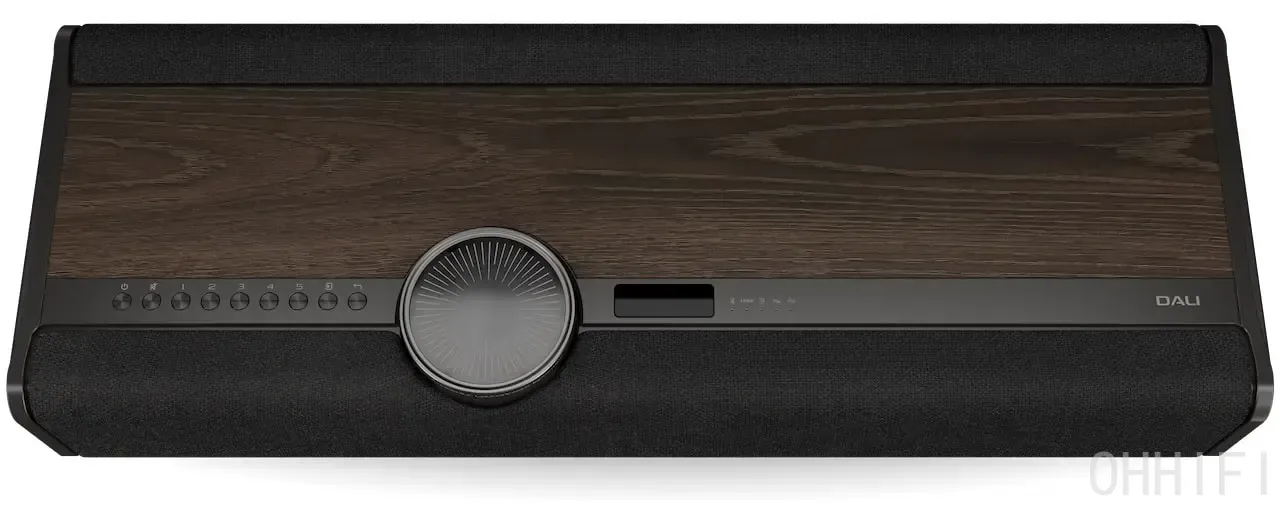
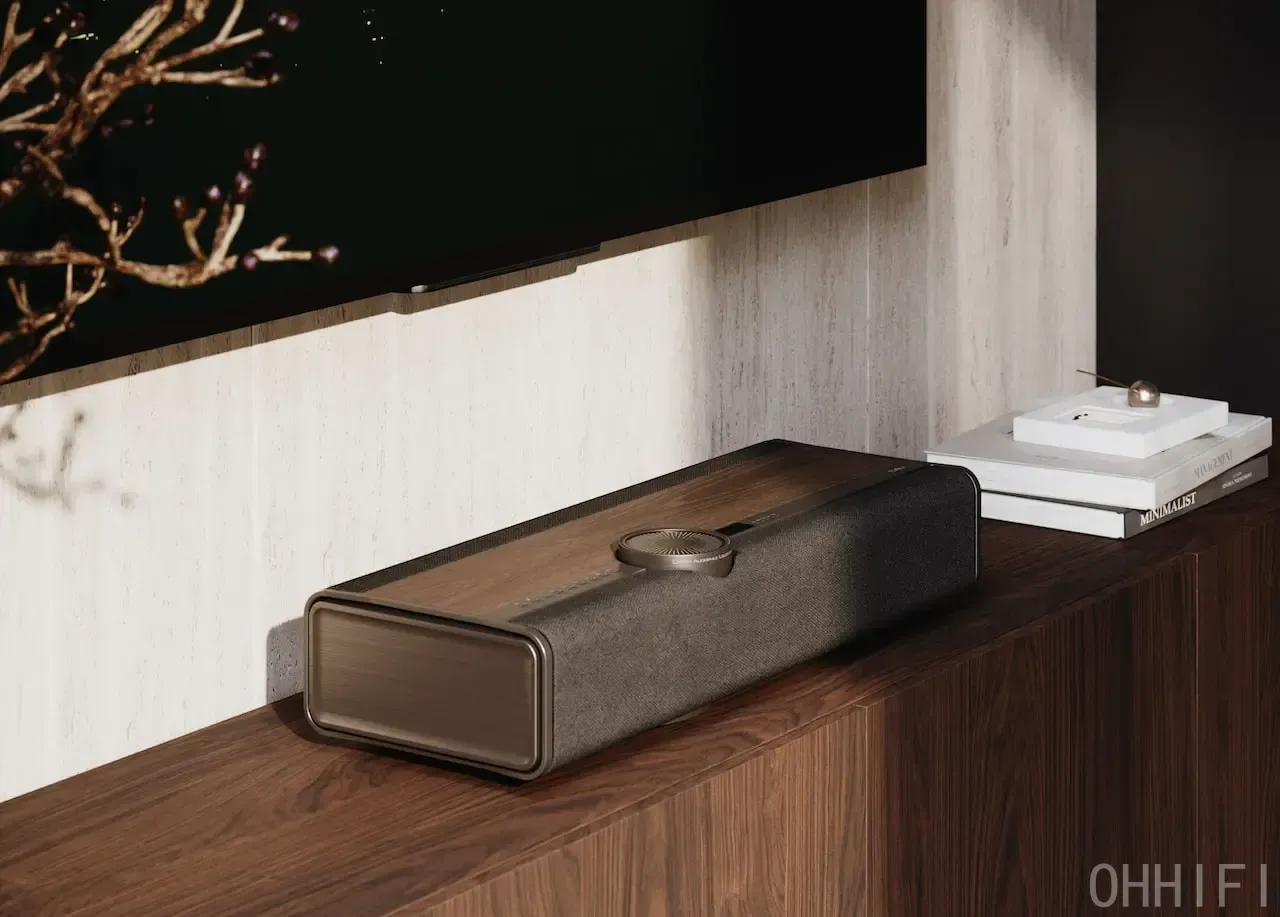
Connectivity is where VEGA earns the "hi-fi system" label rather than "smart speaker." You get HDMI ARC, RCA analog, optical, USB audio, a subwoofer output, and Bluetooth (AAC, aptX, aptX HD). Streaming runs on BluOS , with Spotify Connect, TIDAL Connect, AirPlay 2, Qobuz, and the rest of the BluOS roster, plus hi-res support up to 24-bit/192kHz and DSD256 via DSP-to-PCM conversion. Five hardware preset buttons handle quick access. Finishes are Dark Oak and Natural Oak with real wood veneer, anodized aluminum, and a glass-and-aluminum volume wheel riding on an aerospace-grade ball bearing.
Context: DALI's First Real Crack at the One-Box Category
This is a meaningful pivot. DALI has spent 43 years building passive loudspeakers — recently dipping downmarket with the $600 Kupid bookshelves and the entry-level Sonik range — and has never shipped an active all-in-one before. Five years of R&D went into VEGA. The other detail worth flagging: BluOS isn't DALI's own platform. It's the streaming backbone developed by Lenbrook, the same one that powers Bluesound and NAD streamers. That's a mature, well-supported ecosystem with a genuinely good app and a long multiroom track record, so it's a sensible choice rather than a half-baked in-house effort. (For the record, despite the family resemblance, NAD didn't design the amplification here — DALI did.)
Compared to the Competition: A Big Price Gap to Explain
Here's the awkward part. The established premium one-box players sit well below VEGA's $4,500:
| Rival | Comparison | Where VEGA has to win |
|---|---|---|
| Cambridge Audio Evo One ($1,499) | 14 drivers, 700W, HDMI eARC , StreamMagic | VEGA costs 3x as much and has only ARC, not eARC |
| Naim Mu-so 2 (~$1,599 list, often ~$899) | 6 drivers, 450W, HDMI ARC, gorgeous volume wheel | A five-year-old design DALI must decisively outperform |
| Ruark R410 ($1,699) | HDMI ARC/eARC, FM tuner, retro-modern looks | The style-and-substance benchmark in this bracket |
The closest design-and-price neighbor is arguably Bang & Olufsen territory, and a step further up you hit genuine active-speaker pairs like Focal's Diva Utopia — but those are two boxes and start at $39,999, a different conversation entirely. VEGA is, oddly, alone in its price band: too expensive to be a casual lifestyle buy, too cheap to be a statement piece.
My Take (On Paper)
On paper, this looks promising because DALI controls its own drivers and cabinets, and that vertical integration has historically translated into speakers that punch above their price. The driver count and the force-cancelling bass layout suggest they're taking the physics seriously rather than papering over a small box with DSP tricks. I've heard enough DALI loudspeakers over the years to trust their voicing instincts.
What concerns me is the math. At $4,500, VEGA needs to sound roughly three times better than a Cambridge Evo One, and that's not how diminishing returns work in this category. The single-box-stereo claim via ASE is exactly the kind of "panoramic effect" promise that lives or dies in a real room — no amount of DSP genuinely separates left from right when both come from one enclosure 26 inches wide. And the omissions sting at this price: no HDMI eARC (the Evo One and Ruark both have it), no Dolby Atmos , no Wi-Fi 7, and turntable users still need an outboard phono stage. Whether one beautiful box can replace a system, or just rotate elegantly while trying, is a question only a proper listening session answers.
Who Should Watch This
Keep an eye on VEGA if you're a design-conscious listener who's done with separates and speaker cable, who values DALI's voicing, and who'd rather spend on build quality and finish than on box count. If you're shopping primarily as a TV solution, the missing eARC is a real strike against it, and the Cambridge Evo One does that job for a third of the price. I'll reserve judgment on the sound until it's in front of me — but the engineering story is genuinely interesting, and that's more than most one-box systems can say.



Comments