
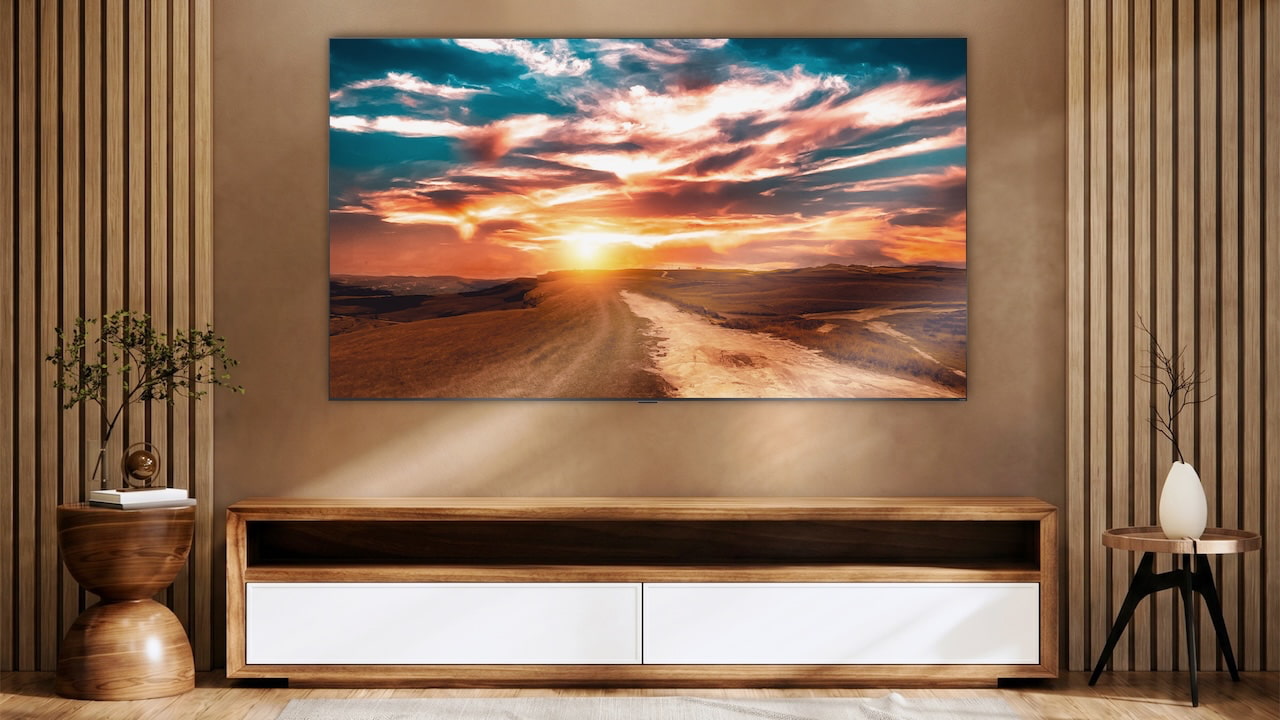
LG 2026 QNED evo Mini LED: A $12,999 Flagship and the Models That Actually Make Sense

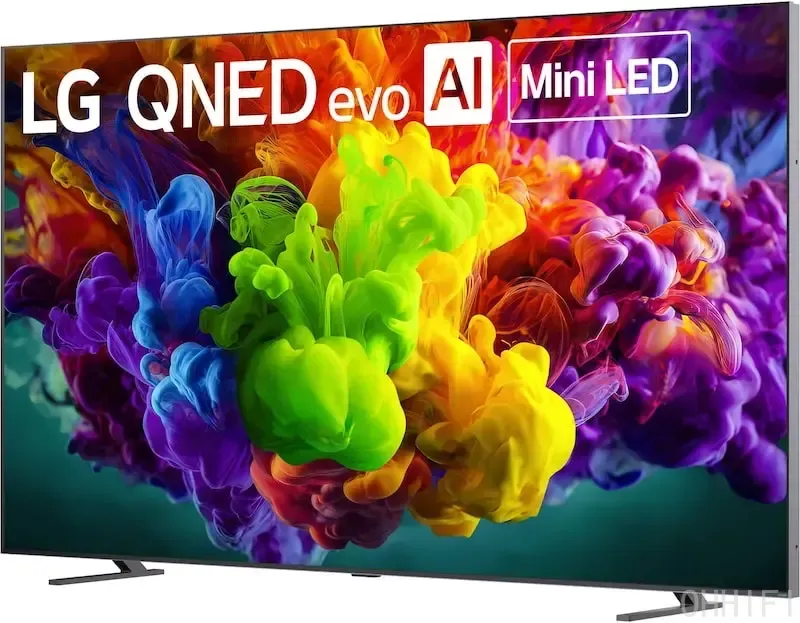
LG just opened pre-orders on its 2026 QNED evo Mini LED line, the QNED92B is a 115-inch monster that lands at $12,999.99. Below it sits the QNED84B series, topping out at a 100-inch panel for $3,999.99 and scaling all the way down to a 55-inch at $729.99. So the LG 2026 QNED evo lineup is really two stories — a halo product priced like a used car, and a set of mid-priced big screens that are far more interesting to anyone actually spending their own money.
What's Actually New
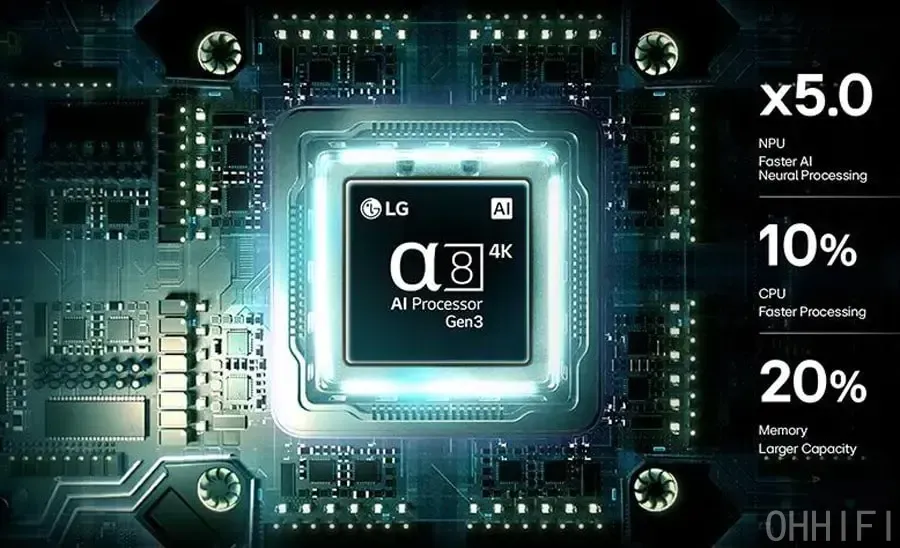
The marquee piece is the α8 AI Processor 4K Gen3 , LG's latest chip for the QNED tier, paired with Dynamic QNED Color Pro — which LG says hits 100% color volume, certified by Intertek. The 92B gets Precision Dimming Ultra with thousands of local dimming zones; notably, that's the only model in the range that explicitly carries it. On the gaming side, you get VRR up to 165Hz on the 92B (144Hz on the 84B), FreeSync, ALLM, HGIG, and a "Motion Booster" overclock LG quotes at up to 330Hz on supported sets. Just be clear-eyed about that last number: the panel is 120Hz native, and Motion Booster is frame interpolation, not a true refresh spec.
Rounding it out: webOS 26 with a Sports Portal and AI Concierge, Gemini and Copilot baked in, LG Shield security, and AI Sound Pro doing a virtual 11.1.2 upmix through the built-in speakers. Here's the snapshot:
| Spec | QNED92B (flagship) | QNED84B |
|---|---|---|
| Sizes | 115" | 100 / 85 / 75 / 65 / 55" |
| Price | $12,999.99 | $3,999 → $729 |
| Dimming | Precision Dimming Ultra | Not specified |
| Refresh / VRR | 120Hz native, VRR 165Hz | 120Hz native, VRR 144Hz |
| HDMI 2.1 (4K120) | 4 | 3 |
| Dolby Atmos | Yes | No |
| Speakers | 2.2ch | 2.0ch |
A few of those gaps matter. Dolby Atmos decoding lives only on the 92B. The 84B drops to three HDMI inputs and a 2.0 speaker array. And across the board LG is shipping Wi-Fi 5 and Bluetooth 5.3 — fine, but a slightly stingy spec sheet for a 2026 set wearing a five-figure price tag at the top.
Where This Sits in LG's Range
LG's heart is still in OLED, and everyone knows it. QNED has historically been the "side salad next to the steak," to borrow the framing. But the company clearly doesn't want to cede the very-large-screen LCD market, and the strategy here is transparent: give people a 100-to-115-inch picture without OLED money or projector hassle. What's quietly missing is a Zero Connect wireless box or WiSA support on these models — both would've helped buyers building a clean room around a wall-sized panel. Worth watching whether last year's 9M wireless variant carries over or returns later.
Versus the Predecessor — and the Competition
Here's the useful context. The 2025 QNED92A was a genuinely strong Mini LED set, and independent 2025 measurements landed it around 1,520 nits peak on a 25% window , near 12,000:1 native contrast , and a Filmmaker-mode color error (DeltaE) close to 1.2 — i.e., visibly accurate out of the box. The 2026 Gen3 chip and the new "Ultra" dimming should build on that, but none of these panels have been independently measured yet, so treat the upgrade as a promise, not a result.
The bigger pressure comes from outside Korea:
| Rival | How it stacks up | The catch |
|---|---|---|
| Samsung QN90F (incl. 115") | LG's most direct rival; superb anti-glare layer, brilliant all-rounder | Premium pricing, weaker HDR brightness than the Chinese flagships |
| TCL QM8K / X-series 115" | Enormous brightness, tons of zones, aggressive value | Software and out-of-box accuracy trail LG |
| Hisense U8-series (to 100") | Spec-sheet monster — huge nits, big zone counts, cheap | Panel type varies by size; needs tweaking to shine |
The pattern is consistent across everything I've watched in this segment: TCL and Hisense win the brightness spec war and undercut on price, Samsung wins the bright-room polish, and LG's pitch is processing, color accuracy, and webOS. At the 65–85-inch sizes, LG is walking into a knife fight — a 65-inch U8 or QM8K can be had for well under what LG wants here.
My Take (On Paper)
On paper, the 84B at 75 and 65 inches ($1,299 and $899) is the only part of this announcement I'd tell a friend to shortlist. It hits the sizes most people buy, at prices that compete, with LG's genuinely excellent webOS and color science. What concerns me: LG hasn't specified the 84B's dimming, which usually means far fewer zones than the flagship — so don't assume the cheaper sets inherit the 92B's contrast.
The 115-inch 92B is a statement, not a recommendation. At $12,999 it's competing with Samsung's own 115-inch QN90F and TCL's 115-inch behemoth, and unless you specifically want LG's processing on a wall that size, the math is brutal. The 100-inch 84B at $3,999 is the sweet spot for sheer "how is this even possible" value-per-inch.
Who Should Watch This
Keep an eye on the 84B 75-inch and 100-inch if you want a very large, bright 4K screen for sports and streaming and you've ruled out OLED and projectors. Wait for independent measurements before committing — particularly on the cheaper sets' dimming. Skip the 92B unless 115 inches of LG-processed LCD is a specific, funded requirement, in which case you already knew you were spending five figures.

Comments