
Audio Cables: Engineering Achievement or Marketing Myth?

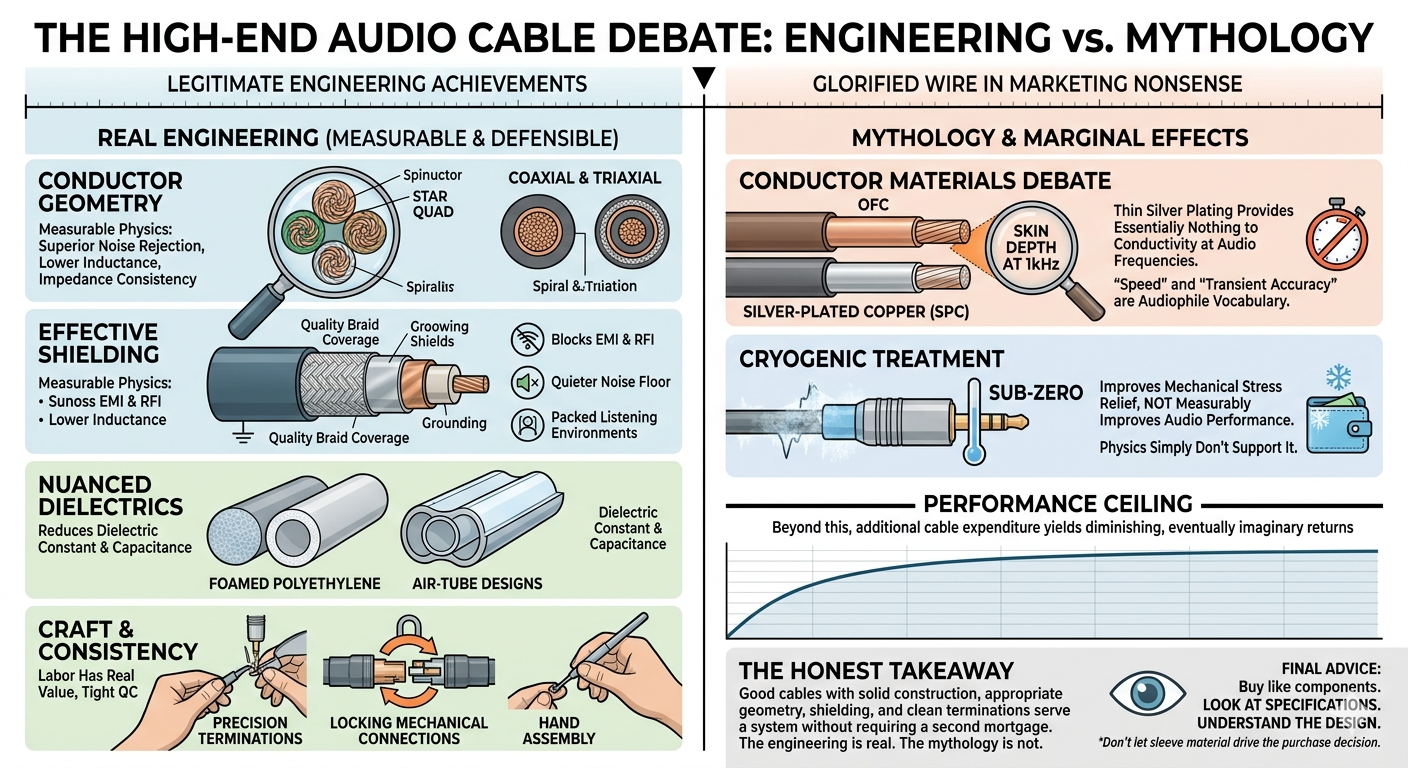
High-end audio cables have always been one of the most polarizing topics in this hobby. Are they legitimate engineering achievements or glorified wire wrapped in marketing nonsense? The truth, as usual, sits somewhere in the middle — and it's more interesting than either camp wants to admit.
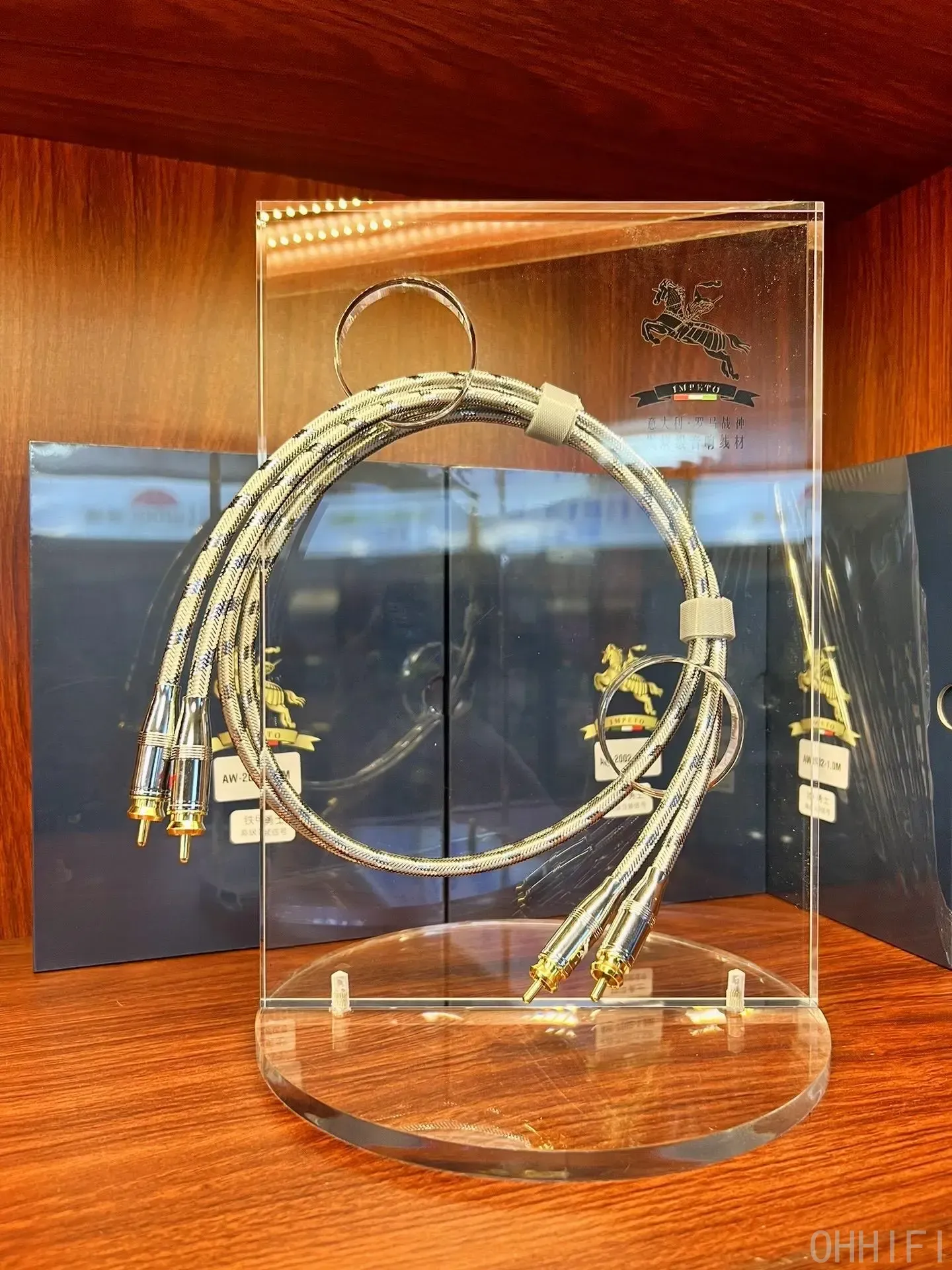
At the core of a well-designed cable is conductor geometry. This isn't just aesthetics. The way conductors are arranged directly affects capacitance, inductance, and how the cable interacts with the components on either end. Star quad configurations, for instance, offer genuinely superior noise rejection and lower inductance compared to standard twisted-pair — that's not snake oil, that's measurable physics. Coaxial and triaxial designs serve specific applications where impedance consistency is critical. These choices matter, and they reflect real engineering decisions.
Then there's the shielding conversation. EMI and RFI are legitimate enemies of signal integrity, especially in modern listening environments packed with wireless devices and switching power supplies. A properly shielded cable does real work. This is where some of the price premium is legitimately earned — good shielding geometry, quality braid coverage, and proper grounding all contribute to a quieter noise floor.
Dielectric materials are another area where the engineering gets genuinely nuanced. The insulation surrounding a conductor affects the cable's capacitance and, in some designs, can influence how charge builds and releases along the signal path. Foamed polyethylene and air-tube designs reduce the dielectric constant compared to dense PVC — again, measurable, defensible.
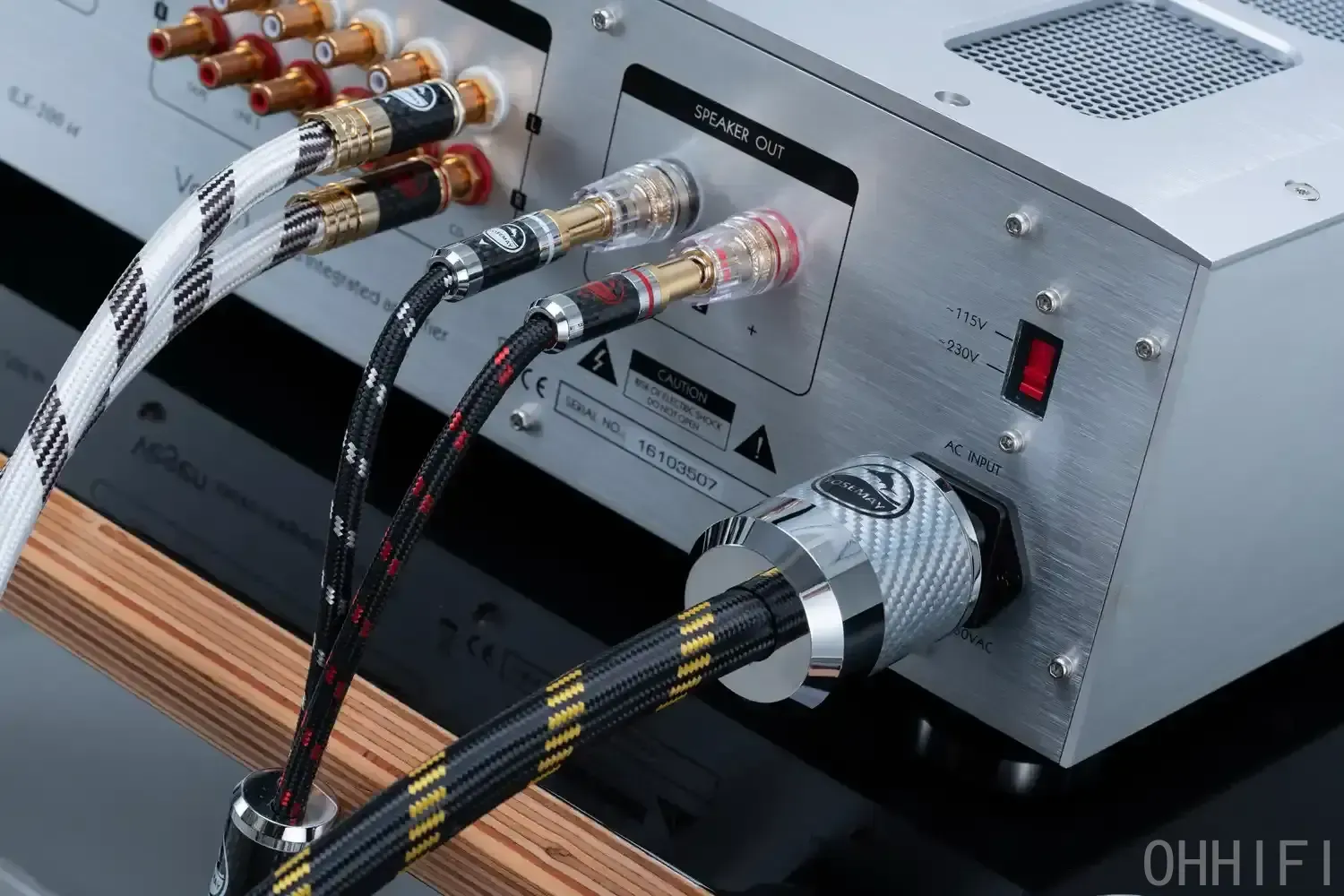
Now, the conductor material debate. OFC (oxygen-free copper) is a real and worthwhile upgrade over standard copper for reasons related to long-term oxidation resistance and purity. The upgrade from OFC to silver-plated copper (SPC) is where things get murky. Silver has the lowest resistivity of any conductor — about 5–7% better than copper. Sounds impressive until you do the math. At audio frequencies, skin depth runs several hundred micrometers, which means current is flowing through far more cross-section than the thin silver plating provides. In practical terms: at 1kHz, that silver layer contributes essentially nothing to conductivity. The marketing copy about "speed" and "transient accuracy" attributed to silver plating is, to be blunt, dressing up a marginal material effect with audiophile vocabulary.
Cryogenic treatment is another one worth addressing directly. Freezing connectors to sub-zero temperatures can improve the mechanical properties of certain metals through stress relief in the crystalline structure. What it cannot do is measurably improve conductivity or audio performance. The physics simply don't support it. Whether it has a psychoacoustic effect on the listener's wallet is a separate question.
What genuinely drives the cost of a well-made high-end cable? Hand assembly. Precision terminations — done right, with proper solder or locking mechanical connections. Tight quality control on electrical parameters like low capacitance and minimal crosstalk. These are labor-intensive processes, and that labor has real value. The price premium on a thoughtfully engineered cable reflects craft and consistency, not magic.
The honest takeaway here: there's a performance ceiling beyond which additional cable expenditure yields diminishing — eventually imaginary — returns. Good cables with solid construction, appropriate geometry for the application, effective shielding, and clean terminations will serve a high-resolution system well without requiring a second mortgage. The engineering is real. The mythology layered on top of it often isn't.
Buy cables the same way you'd buy any component: look at the specifications, understand what the design is actually doing, and don't let the sleeve material drive the purchase decision.




Comments