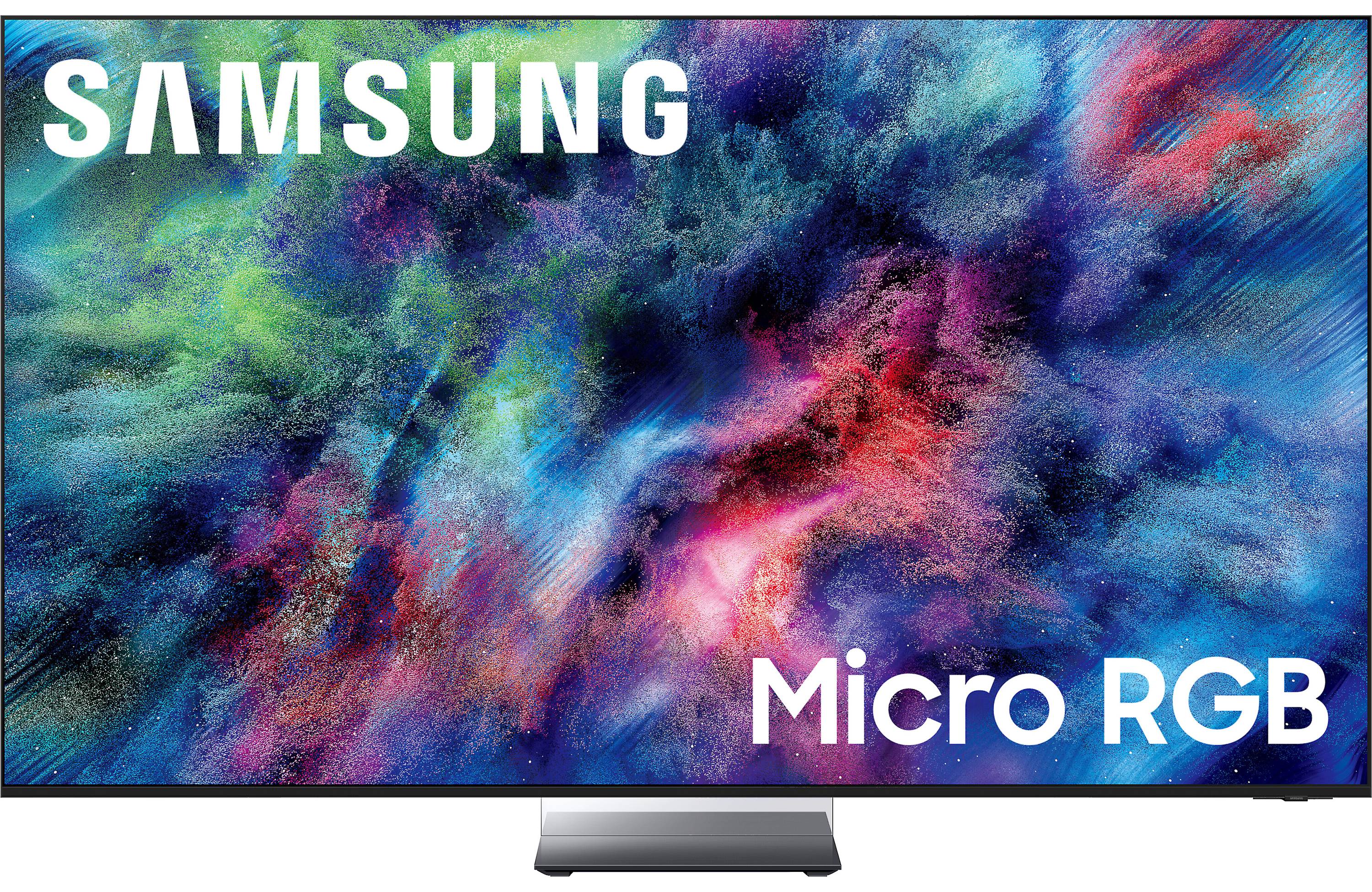
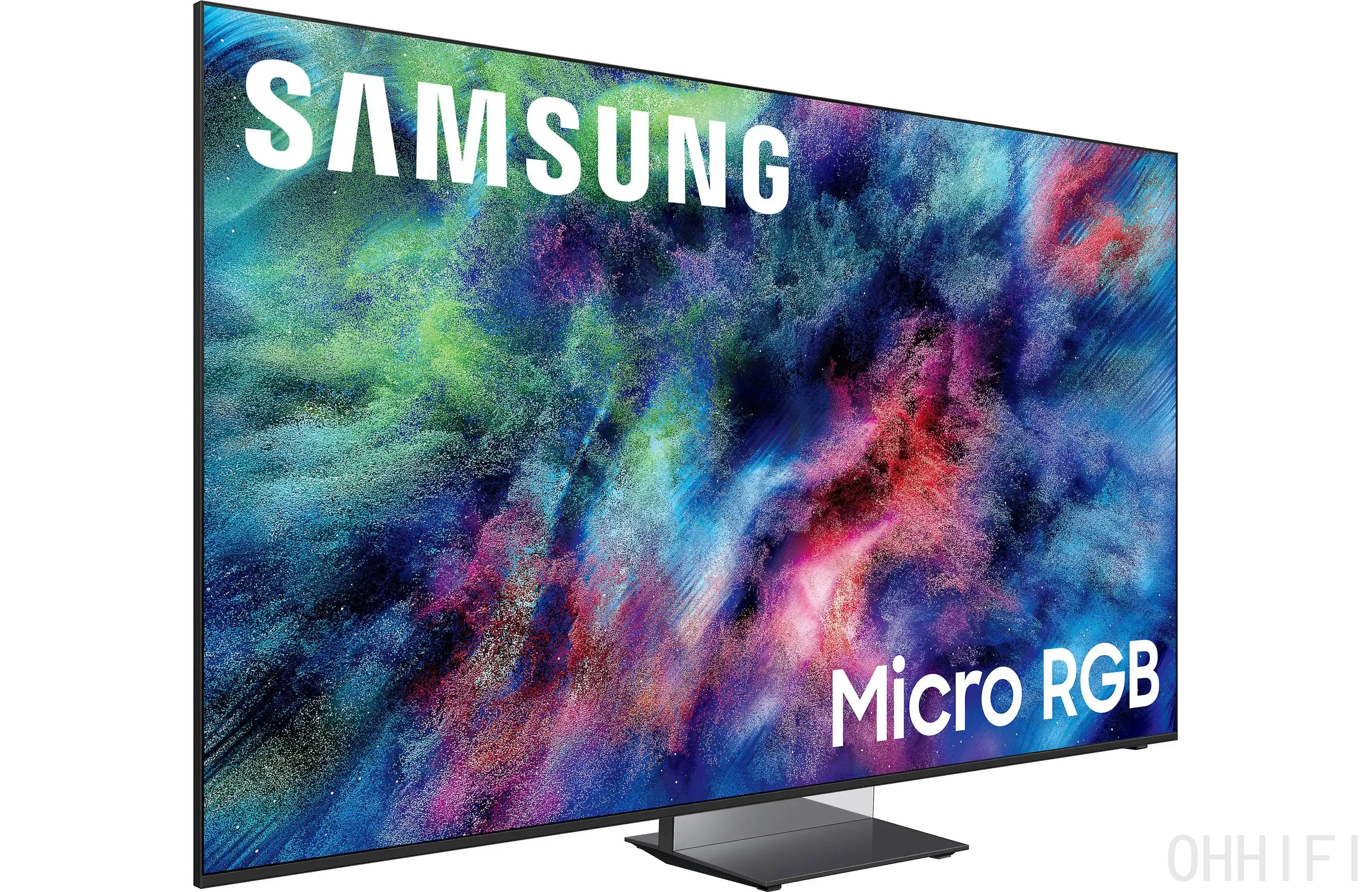
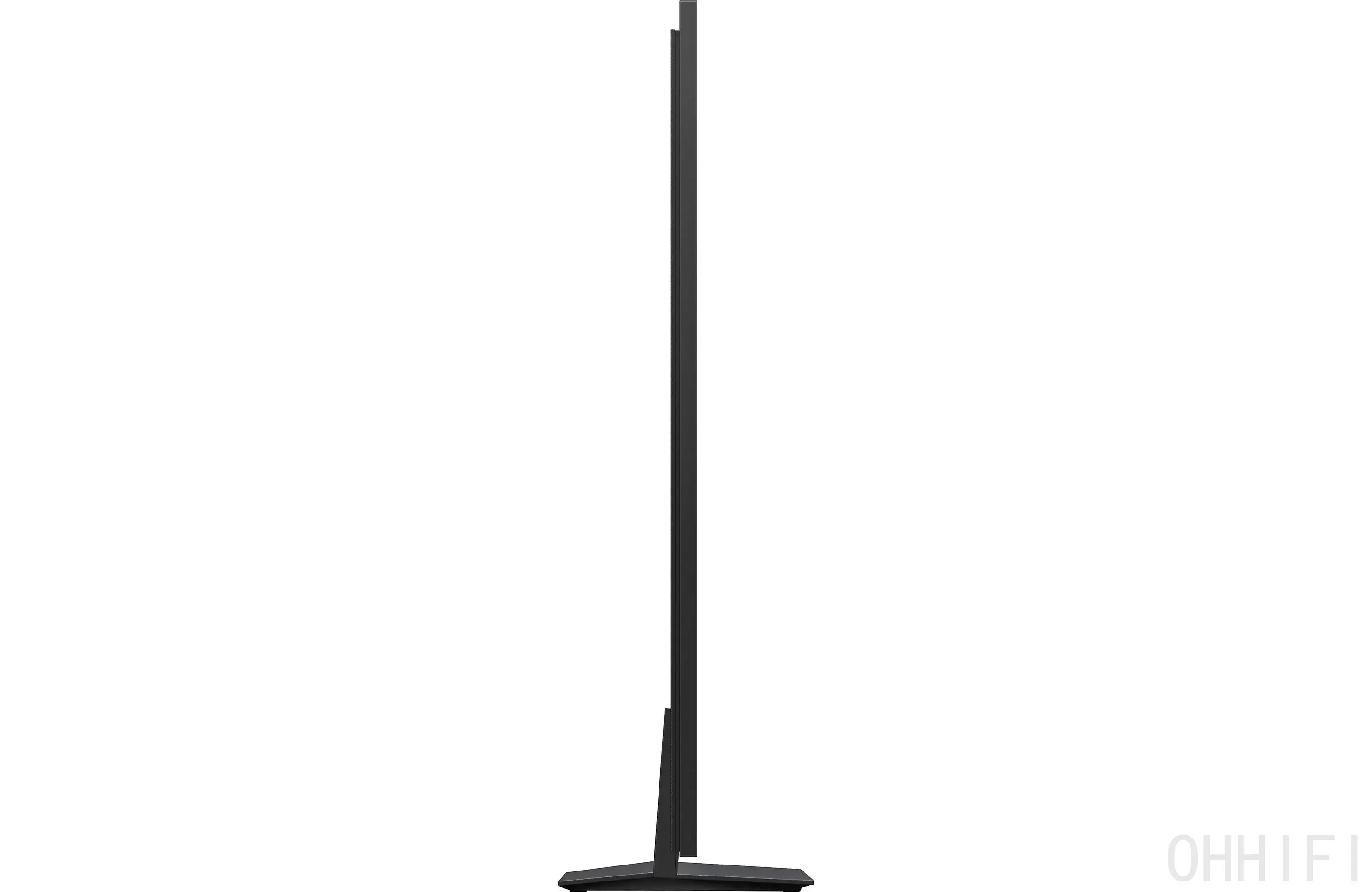
Let's get one thing out of the way first — Micro RGB is not Micro LED. Samsung has been showing off those massive, jaw-dropping Micro LED walls at trade shows for years. The R95H is something different: a 4K LCD TV that replaces the traditional white or blue LED backlight with individually controlled red, green, and blue micro-LEDs, each smaller than 100 microns. That's roughly the size of a speck of dust. The practical result? Color is generated directly at the light source rather than being filtered out later, which changes the whole game for LCD picture quality.
Samsung launched this tech in late 2025 with a 115-inch behemoth at ~$30K — basically a statement piece. The R95H brings it to 65, 75, and 85-inch screen sizes at $3,199, $4,499, and $6,499 respectively. That's flagship money, but at least now it's money regular humans can actually consider spending.
What It Looks Like in the Real World
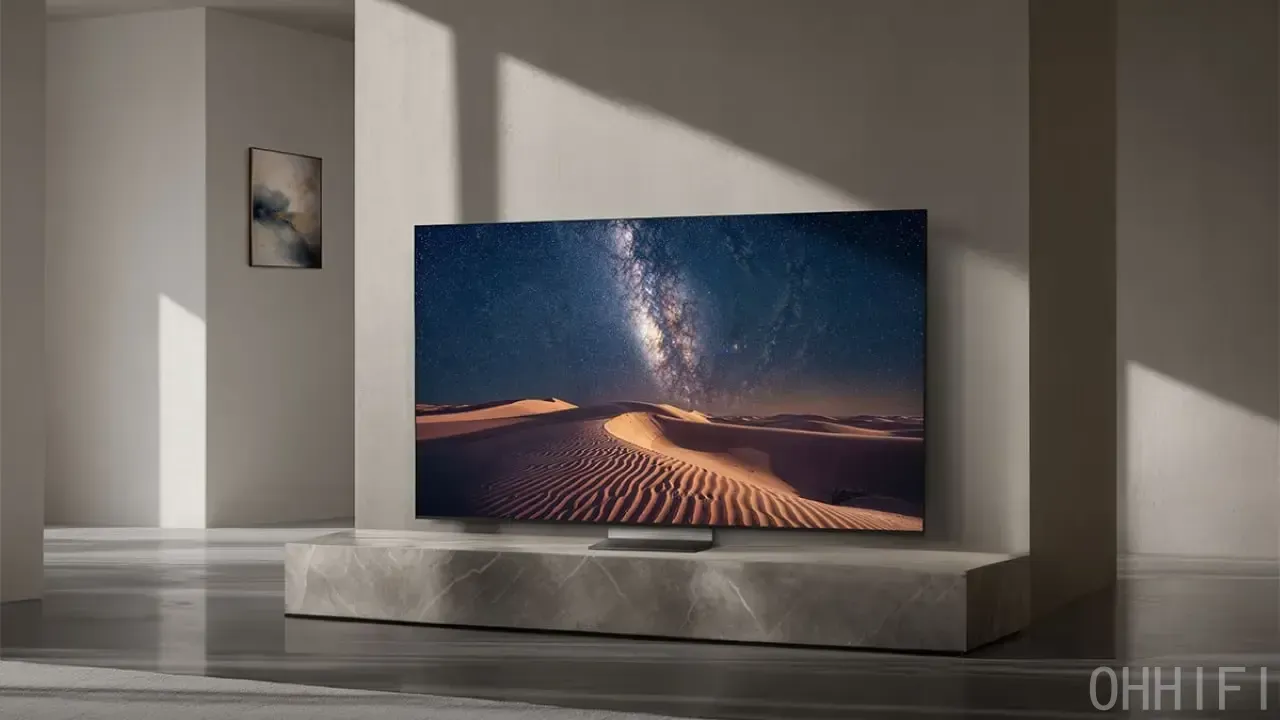
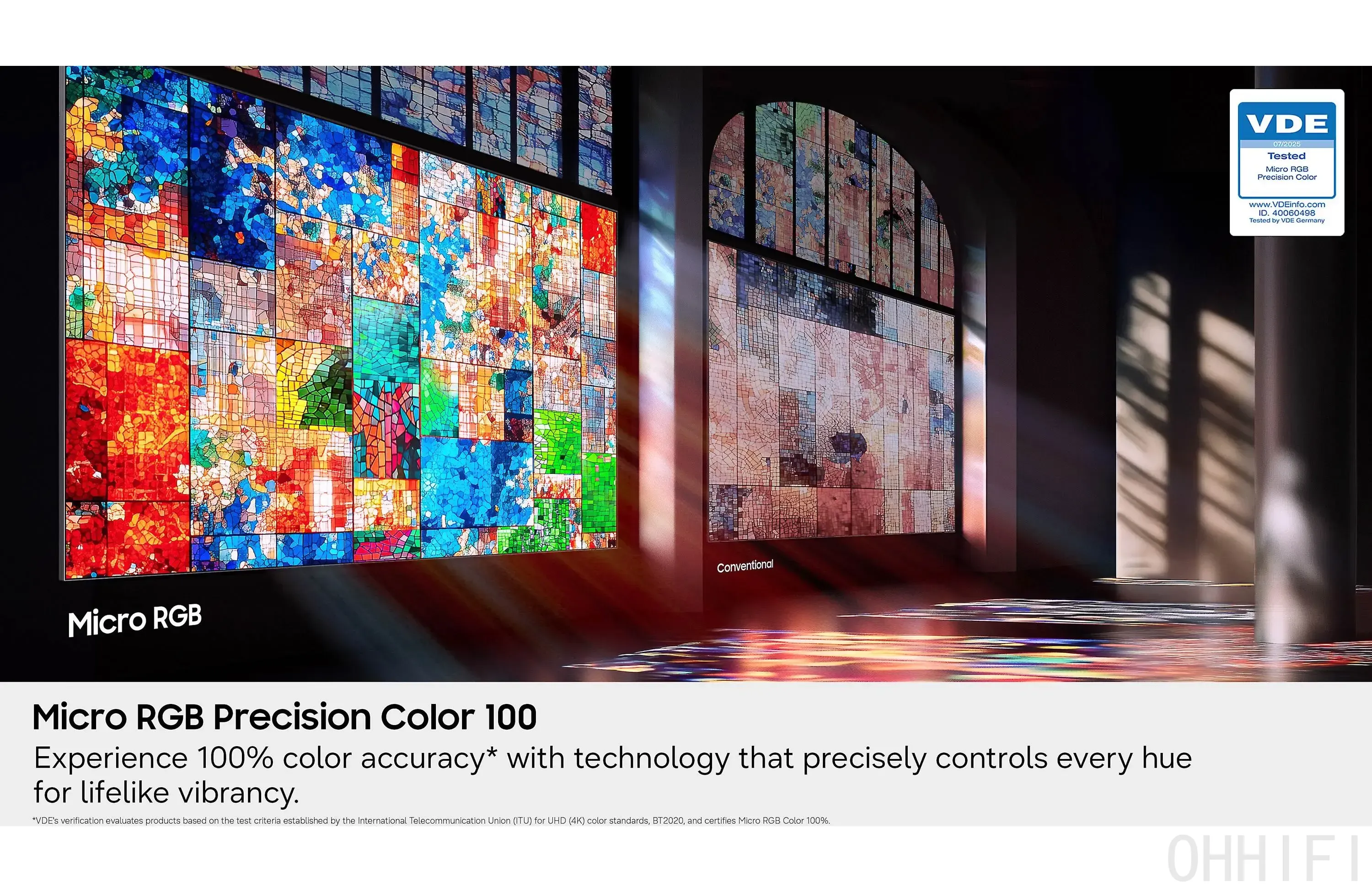
During hands-on testing with various content, the color rendering is immediately noticeable. Put it next to a standard Mini LED TV and you'll start seeing color distinctions you didn't know were missing — shades of brown and red in a fire flare scene that would otherwise all blend into yellow. In a dark medieval landscape or a richly lit film, the RGB backlight reveals texture in the shadows without making the whole image look artificially pumped up. It's more like the TV is uncovering what was already there.
Measured color performance sits at nearly 150% of DCI-P3, which is a wild number. Samsung also claims full BT.2020 coverage, certified by VDE — a color space that even the best OLEDs don't fully nail.
Blooming — the halo glow around bright objects on dark backgrounds that plagues most mini-LED sets — is largely handled. A white-on-black scrolling text test confirmed clean, halo-free performance, and off-axis uniformity held up well even from a far off-center seat. That second part matters more than people realize. Most LCD TVs fall apart the moment you're not sitting dead center. The R95H doesn't.
Peak brightness hits close to 2,300 nits on a 10% window, with full-screen brightness over 660 nits. In a living room with the blinds open at noon, this thing doesn't flinch. Samsung's Glare-Free coating also genuinely works — not the usual matte finish that kills black depth, but an actual diffusion layer that takes on direct sunlight.
For Gamers
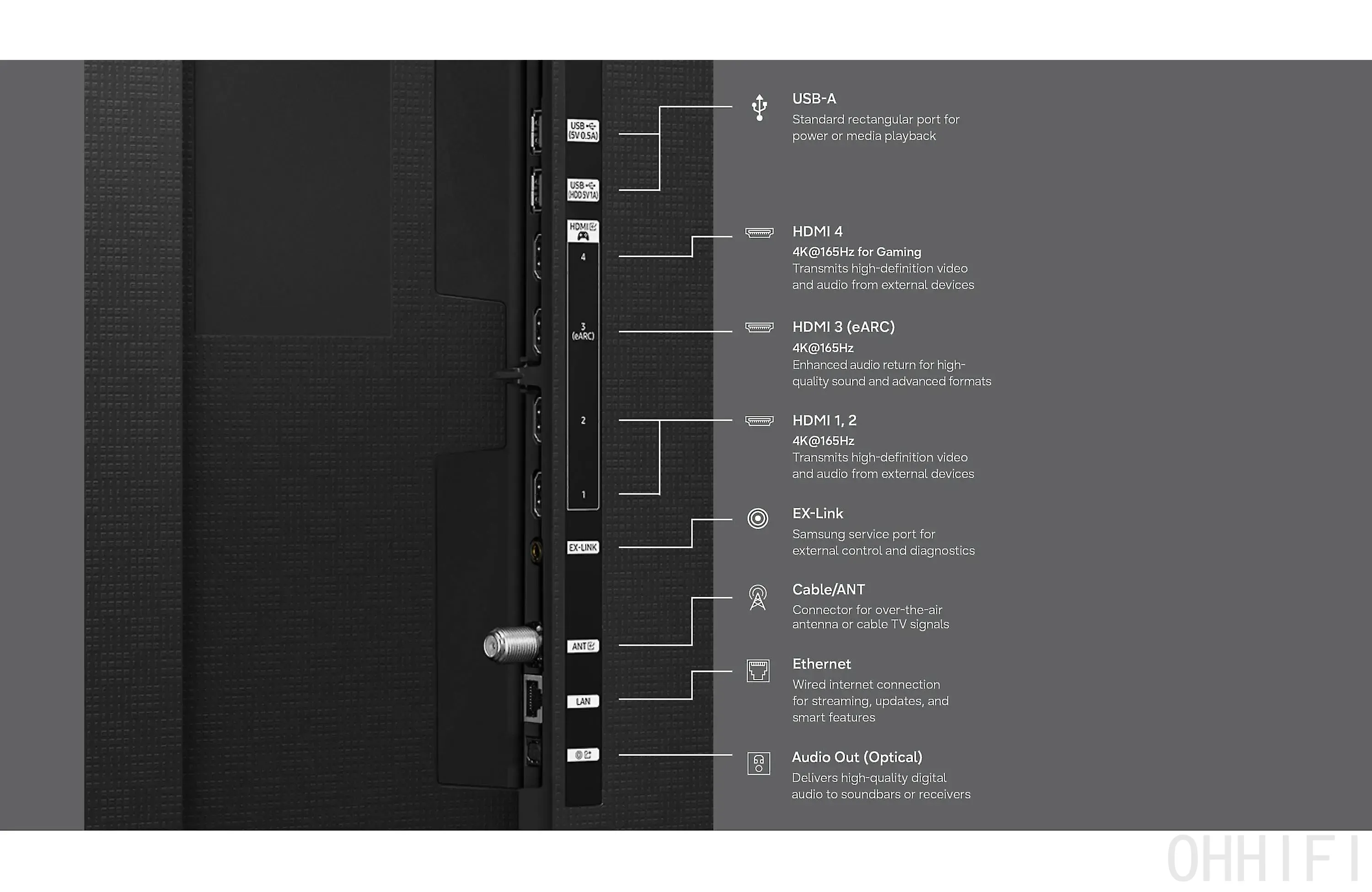
Four HDMI 2.1 ports support up to 165Hz with VRR and FreeSync Premium Pro. G-Sync is absent — that remains an OLED exclusive for now. But with the optional Wireless One Connect Box, you're looking at eight total HDMI 2.1 ports, which is almost absurdly generous. That wireless box can transmit 4K at 144Hz from up to 10 meters away, so cable management becomes a non-issue. Input lag in Game Mode sits around 10ms at 1080p/60Hz through the built-in ports — totally competitive. Colors in games are vivid without going cartoon-bright, which is the right balance.
How It Stacks Up Against the Competition
At $3,199 for 65 inches, the R95H is going up against some serious heavyweights. The LG C5 OLED is priced around $2,699 for the same size — it has true infinite contrast, full four-HDMI 2.1 gaming support with 4K/144Hz and G-Sync, and pixel-perfect black levels the R95H simply cannot match. OLED is still king in a dark room. The Sony Bravia 9 at around $3,000 for 85 inches is the brightest mini-LED you can buy short of this, with Sony's famously film-faithful processing — it's the better choice for daytime viewing and handles glare more effectively than the LG — but its color volume doesn't reach where the R95H lands.
Here's the honest breakdown: OLED gives you blacker blacks and per-pixel precision. Mini-LED (Bravia 9, QN90F) gives you raw brightness. The R95H is genuinely the first LCD TV that can credibly argue it splits the difference. Black levels aren't as deep as OLED, but they're meaningfully better than standard QLED or Mini LED — and color quality is close to OLED territory while brightness beats it outright. It's not a compromise so much as a different set of priorities.
The Catch
It's still a VA LCD panel at the end of the day. Motion handling in fast pans can get choppy — fast camera movement introduces some judder that the processing doesn't always clean up cleanly. Off-axis blooming is also slightly more visible when sitting to the side during gaming compared to video content. And the full promise of the AI-based picture enhancements — Color Booster Pro, HDR Pro, Motion Enhancer Pro — hasn't been fully stress-tested across all content types yet.
Sound? No deep dive on that yet, but historically Samsung's built-in audio has been adequate at best. Budget for a soundbar.
Bottom Line
The R95H is the most interesting LCD TV in years — maybe ever. It doesn't dethrone OLED in a dark home theater setup, but it's the first LCD that walks into that conversation without being embarrassed. For a bright living room, a gaming den, or anyone who wants maximum color volume without burn-in anxiety, this is a genuine contender. The $3,200 entry price stings, but it's competing with technology that was unthinkable at this size two years ago. RGB LED is a real category now. The R95H makes sure of that.





Comments