














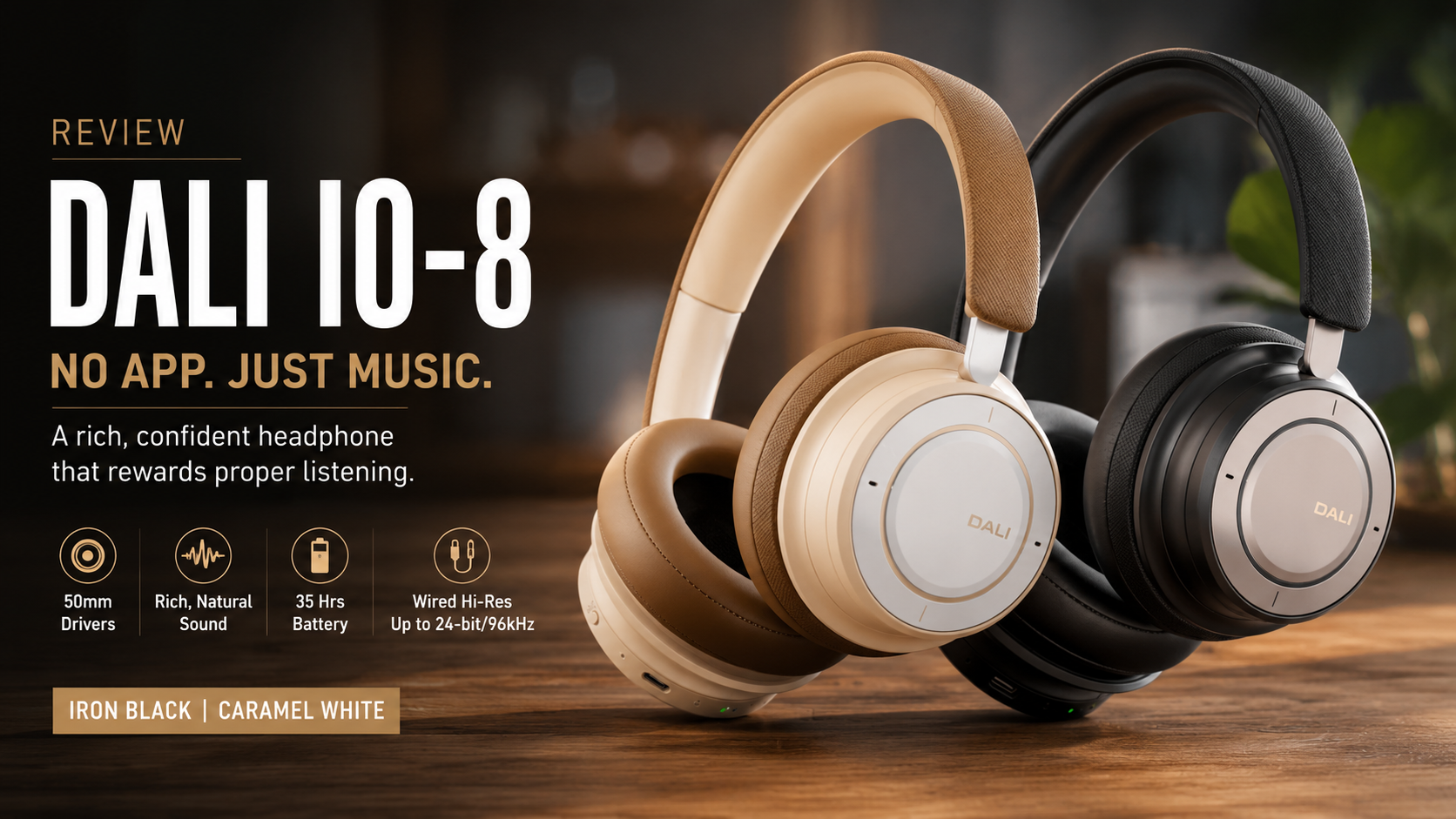
There’s a particular arrogance to a loudspeaker company telling you it doesn’t need an app. No EQ sliders, no firmware-gated “spatial” gimmicks, no companion software at all — just two physical EQ presets and a promise that the tuning is already correct. The DALI IO-8 arrives carrying exactly that attitude, and after weighing it against the full field of premium wireless cans, I’ve concluded the Danes have largely earned the right to it. This is the most convincing argument yet that a speaker house can build a wireless headphone that sounds like it means it.

DALI launched the IO-8 on October 8, 2024, slotting it beneath the four-figure IO-12 flagship as a (relatively) more attainable proposition. The catch, as ever, is geography: this is a £599/€599 headphone in Europe and a $900 headphone in the United States. That transatlantic gap reframes the entire value question, and we’ll get to it.
Quick Specs
| Specification | Details |
|---|---|
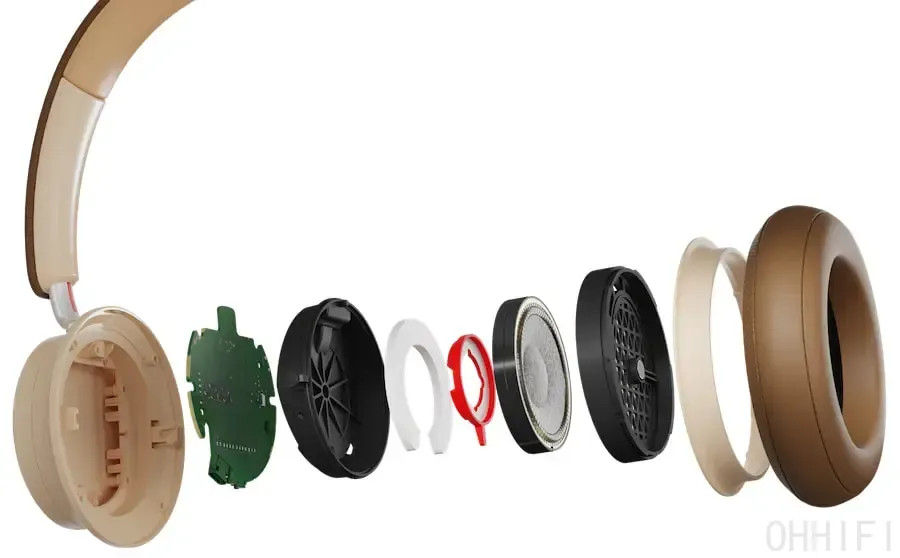
| Driver | 50 mm free-edge full-range dynamic, paper/wood fibre cone |
| Impedance | 25 ohms (passive mode) |
| Frequency response | 10 Hz – 43,000 Hz (manufacturer claim) |
| Sensitivity | 93 dB |
| Battery | 35 hrs (ANC off) / 30 hrs (ANC on); ~1 hr 50 min full charge |
| Bluetooth | 5.2 — AAC, aptX, aptX HD, aptX Adaptive (no LDAC) |
| Wired | USB-C up to 24-bit/96kHz; 3.5 mm passive mode (no power needed) |
| ANC | Three modes: On / Transparency / Off |
| Weather resistance | IP52 |
| Weight | 325 g |
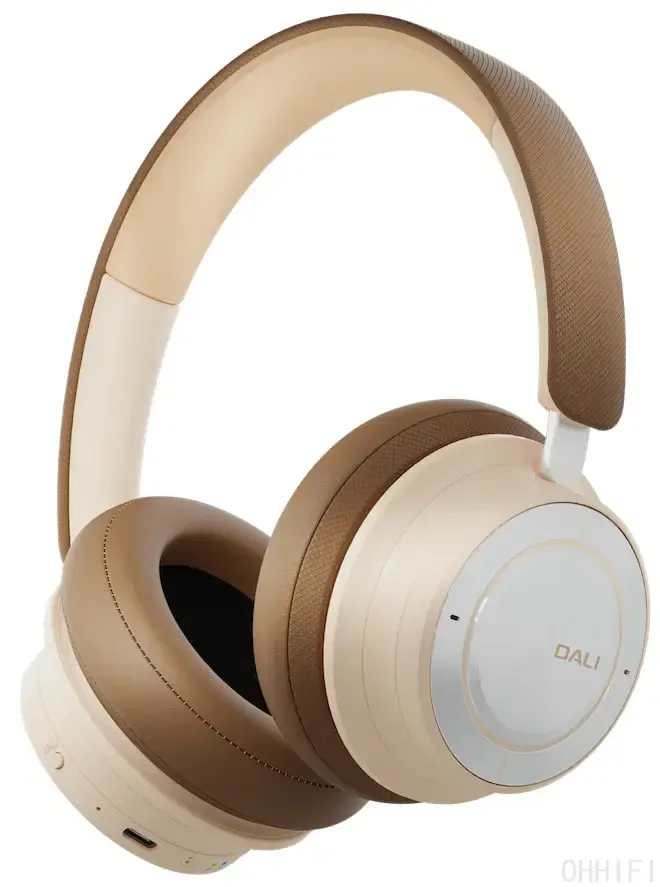
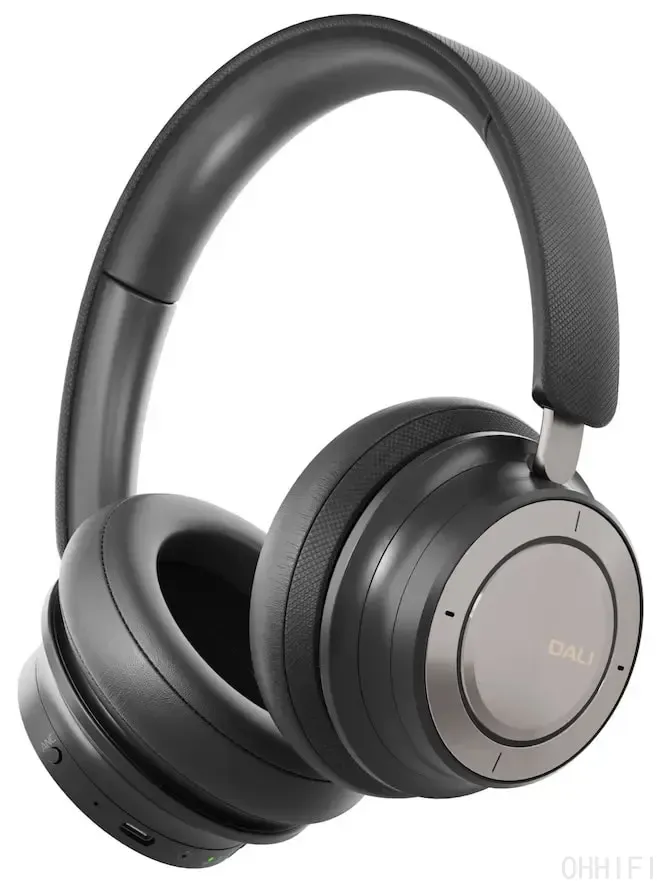
| Finishes | Iron Black, Caramel White |
| MSRP | $900 / £599 / €599 / CA$1,200 |
Design and Build: Understated Danish, With One Ergonomic Asterisk
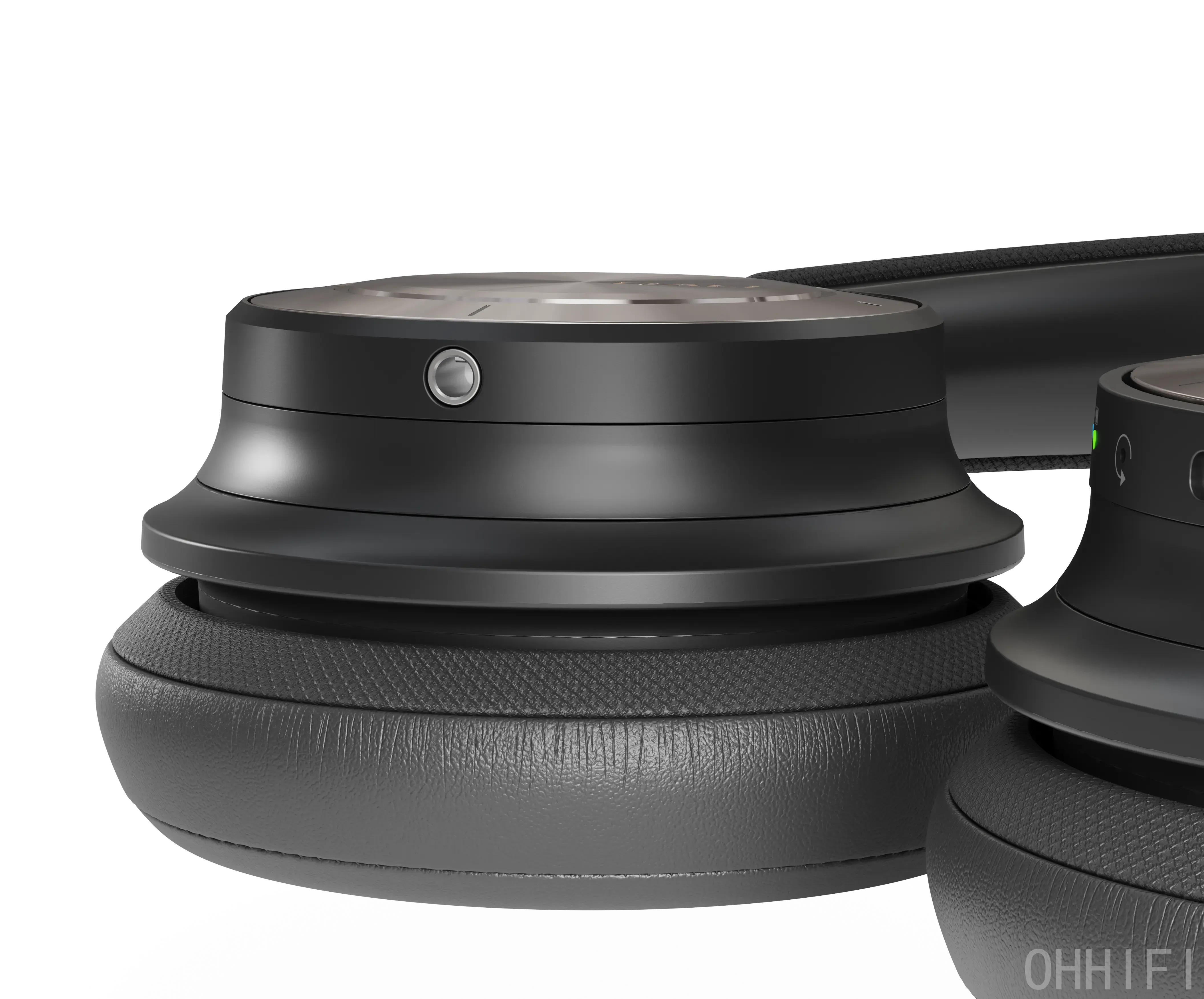
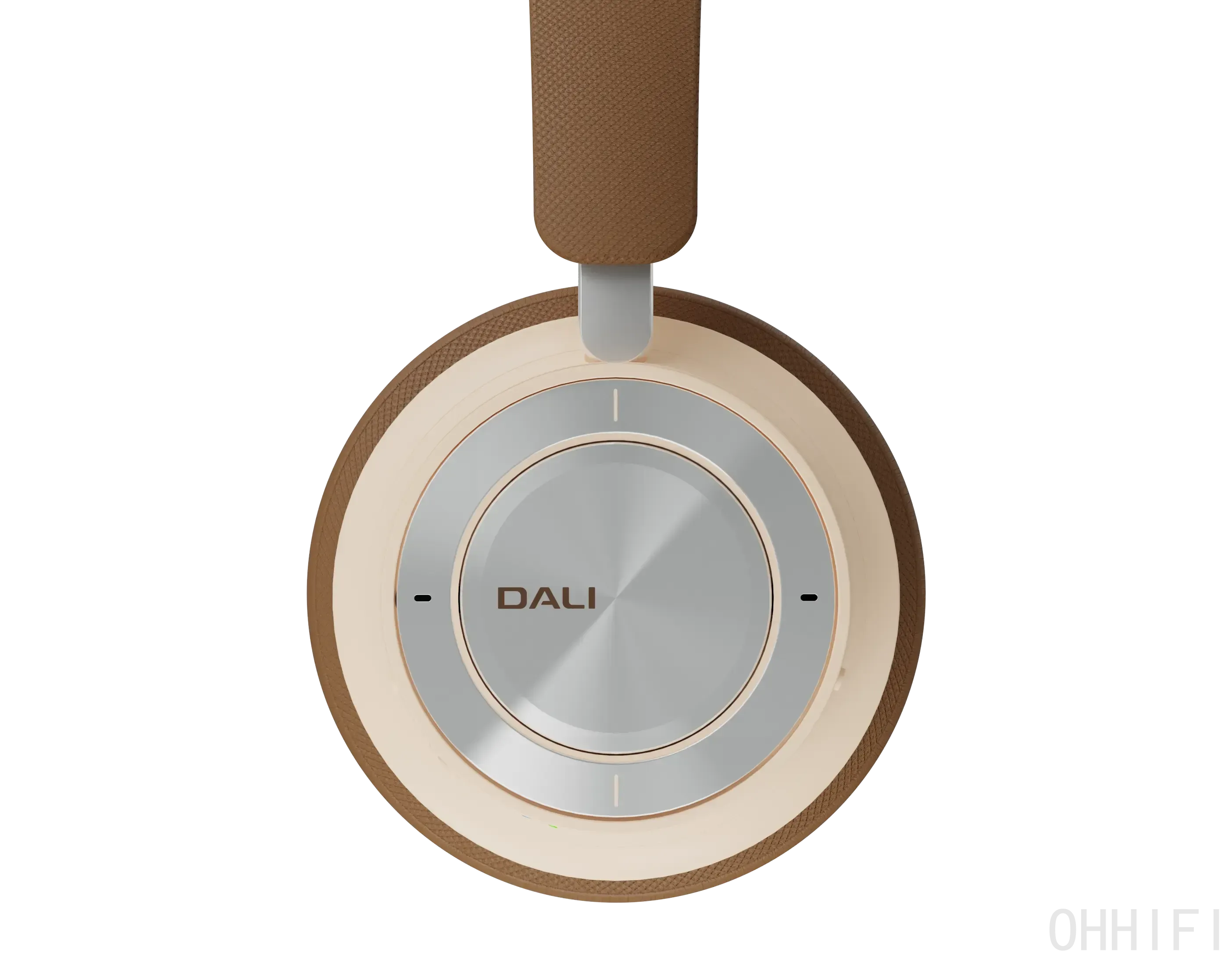
Pick the IO-8 up and it feels properly engineered rather than merely assembled. The shells are mostly plastic, but it’s the dense, creak-free kind, dressed with a radial brushed-and-anodised metal finish on the ear cups, a woven textile headband, and genuine leather earpads. In the Caramel White finish especially, it reads as quietly expensive — closer to the Bowers & Wilkins Px8’s “Bentley, not stretch Hummer” school of restraint than to anything trying to shout.
The controls are all physical buttons clustered on the right cup: power/pairing, an ANC cycle, an EQ toggle, plus volume and transport via a pressable outer ring and centre button. After a day you stop thinking about them. There’s a clear voice prompt for every action and the battery status, which is the kind of small grace that app-dependent rivals keep forgetting to include.

The asterisk is fit. The earcups are circular and on the small side — DALI moved away from the IO-12’s larger blocky cups — and the recurring complaint is that the pads don’t quite clear larger ears, pressing on the base of the lobe, with a headband pressure point developing on the crown after about an hour. If you have big ears, audition first. The flip side: the clamp is judged well, footstep resonance is minimal, and the pads are user-replaceable. The travel case is the one genuinely cheap-feeling part of the package, which stings a little at this price.
The Sound: A Rich, Confident House Voice That Rewards Wires
DALI’s usual house sound — warm lower mids, controlled and slightly soft treble, an unfussy sense of flow — survives the journey from passive floorstanders to a wireless headphone almost intact. Across the body of reviews and my own sense of how this brand voices things, the IO-8 lands as a rich, mildly bass-forward, “L-shaped” tuning that prioritises musical enjoyment over forensic neutrality. Crucially, the sound signature doesn’t change when you toggle ANC modes, which is more than most rivals can say.
One consistent thread worth flagging up front: nearly everyone agrees the IO-8 does its best work wired into a real amp, not streamed over Bluetooth. Despite the modest 25-ohm rating, it can sound a touch bass-shy and undernourished off a weak dongle, and tightens up considerably with proper desktop power.
Bass: Quantity With Mostly Good Manners
In the default Hi-Fi mode, the low end is full, weighty and authoritative without bulldozing the midrange — a balancing act ANC headphones routinely fail. On Massive Attack’s “Angel,” the IO-8 layers the low-frequency textures better than most price rivals, with punch held in check by genuine control. Marvin Gaye’s “What’s Going On” gets that warm, rolling bottom-end flow the track lives on.
It’s not flawless. The bass has plenty of quantity but limited ultimate depth, and on complex, fast material — Tool’s “Lateralus” is the example reviewers reach for — you can miss a little nimbleness and hear occasional bloom. And then there’s the “Bass” EQ mode, which the consensus is close to unanimous in disliking: muddy, disconnected and boomy, it adds a monotonous thump, compresses the stage, and worsens with ANC on. Leave it off. It exists, I suspect, because a marketing department demanded it.
Midrange: The Heart of the Thing
This is where the IO-8 makes its case. The mids are expressive, detailed and well-textured, rendering vocal character and instrumental timbre with real insight. Sarah Vaughan’s “Misty” and a Chet Baker vocal sit forward and communicative; Norah Jones’s “Come Away With Me” has the intimate, woody warmth you want. There’s a minor dissent here — a couple of listeners found male vocals slightly laid-back or “scooped” — but the prevailing verdict is that the midrange is a strength, alive to small dynamic shifts.
Treble: Smooth and Polite — Until It Isn’t
The top end is where reviewers split most visibly, so I’ll be honest about it rather than smooth it over. The majority describe the treble as detailed but deliberately soft and inoffensive, with a roll-off at the very top that keeps cymbals and sibilants from ever turning harsh — fatigue-free over long sessions. Prince’s “Kiss” and Dire Straits’ “Brothers in Arms” come through with shine but no glare. However, a minority of listeners heard the opposite: a bright, occasionally sibilant character with a peak or possible driver breakup. My read of the weight of evidence is that the IO-8 is voiced smooth and forgiving, but that fit and seal — those small cups again — can tip the balance, and the brightest impressions tended to come from wired listening on revealing chains.
Soundstage, Isolation and Real-World Use
The stage is wide with good lateral separation and solid imaging, but depth is modest — the shallow cups limit true immersion. Wireless stability over Bluetooth 5.2 is reliable, including in interference-heavy spots, and multipoint to two devices works. Battery life lands close to claims for most testers — very near 30 hours with ANC on, drifting toward 35 with it off — though one drain test suggested heavier real-world use can pull that closer to 25. A full charge takes about an hour and fifty minutes; there’s no aggressive fast-charge headline, but roughly 15 minutes returns a useful top-up.
On ANC itself: DALI calls it “Audiophile ANC” and is open that it isn’t chasing Bose and Sony for outright suppression — it’s tuned for sound quality first. It’s good — strong on low-frequency rumble, with no unpleasant pressure “suck-out” — but it sits a hair behind Bose and roughly level with the Sony WH-1000XM5, not class-leading. Fair trade for a headphone whose entire thesis is that the music comes first.
Measured Performance
No standardized third-party lab measurements have been published for the DALI IO-8. RTINGS has measured the pricier IO-12 but not the IO-8, and despite some reviewers maintaining measurement rigs, none have released a frequency-response graph, THD figures, or ANC attenuation numbers for this model. DALI’s own published figures are a 10 Hz–43 kHz frequency range, 25-ohm passive impedance, and 93 dB sensitivity — manufacturer specs, not independent measurements. Treat any tonal description here, mine included, as listening assessment rather than verified data, and weigh the noted treble disagreement accordingly.
Test Setup — Associated Equipment
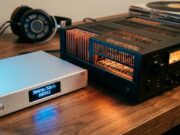
I assess wireless closed-backs from both ends: a portable dongle DAC for the on-the-go reality most buyers will live with, and my desktop chain — a solid-state DAC feeding an OTL tube amp — for the wired contrast that reveals what the driver can actually do. The IO-8 was auditioned over Bluetooth (aptX Adaptive), over USB-C at 24-bit/96kHz, and in pure passive 3.5 mm mode, across vocal jazz, classic soul, well-produced rock, electronica and acoustic singer-songwriter material. The pattern was consistent with the review consensus: it’s good wireless, noticeably better wired into something with current to give.
The Competition
| Rival | Price | vs IO-8 | Verdict |
|---|---|---|---|
| Bowers & Wilkins Px8 | $699 / £599 | Darker, warmer, plusher leather; has an app and EQ; 40 mm carbon drivers | The style-and-software pick; IO-8 sounds more open and can run passive |
| Focal Bathys | ~$699 (now often ~$590) | Bassier, warmer, with app/EQ and USB-DAC; ANC merely average | The feature-rich value play; IO-8 is more revealing and “analogue” up top |
| Sony WH-1000XM5 | $399 | Class-leading ANC, app, LDAC, lighter, far cheaper | Buy for travel and tech; IO-8 wins clearly on build and outright fidelity |
| Mark Levinson No. 5909 | $999 (≈£600 UK now) | Harman-tuned, beryllium drivers, strong ANC, app | The reference-tuned luxury rival; IO-8 is the more “fun,” app-free alternative |
The honest framing: against the Px8 and Bathys I’ve weighed many times, the IO-8 trades their app flexibility for a more direct, speaker-like presentation and the genuinely useful trick of working as a passive wired headphone with a flat battery — something the Px8 can’t do. Against its own sibling, the IO-12 reportedly delivers roughly 80% of the flagship’s refinement and comfort for a little over half the European price, which makes the IO-8 the smarter buy of the two unless you have big ears and deep pockets.
Verdict: 8.5/10 — Buy (in Europe), Think Hard (in the US)
The DALI IO-8 is a superb-sounding, beautifully built wireless headphone that nails the thing a hi-fi enthusiast actually cares about — tonality and musical engagement — while treating ANC and features as supporting cast rather than the main event. At £599/€599 it’s a strong recommendation and arguably the pick of DALI’s range. At $900 in the US, it’s competing with the Mark Levinson No. 5909 and sitting well above the Px8 and Bathys, and the value math gets harder. It loses half a point for the small cups, the pointless Bass mode, the no-app rigidity that some will resent, the absence of LDAC, and a case that doesn’t match the product. Everything that matters for sound, it gets right.
Pros
- Rich, confident, speaker-like tuning that puts music first
- Genuinely versatile: Bluetooth, USB-C 24/96, and battery-free passive wired mode
- Excellent build and materials; understated, grown-up looks
- App-free simplicity with intuitive buttons and clear voice prompts
- ANC that doesn’t degrade sound quality; competitive battery life
Cons
- Small circular earcups won’t suit larger ears; possible headband pressure point on the crown
- “Bass” EQ mode is boomy and best ignored; no app means no real customisation
- ANC is good, not class-leading (a step behind Bose)
- No LDAC; flimsy travel case; steep US pricing
Who Should Buy / Who Should Skip
This is for you if you’re a sound-first listener who wants a single pair of cans that streams on the commute and then plugs into a real amp at the desk, you value DALI’s warm-but-detailed house voice, you have small-to-average ears, and you’d genuinely rather not install another app. European buyers at £599 especially should put these high on the audition list.
Look elsewhere if you want best-in-class noise cancellation (get the Sony WH-1000XM5 or a Bose QuietComfort Ultra), you need EQ and deep app control (Focal Bathys or B&W Px8), you have large ears, or you’re a US buyer chasing value — in which case the cheaper Px8 and Bathys, or a wait for a discount, make more sense.