
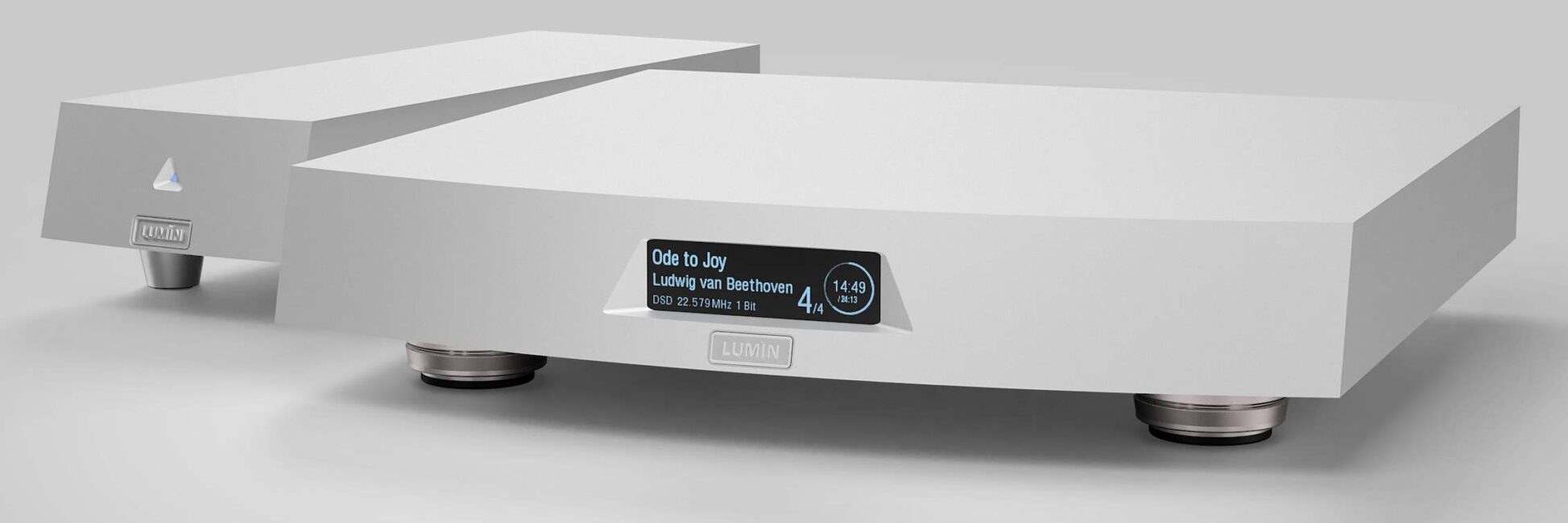
Every Other Network Player Uses a Stock Chip. The Lumin X2 Doesn't

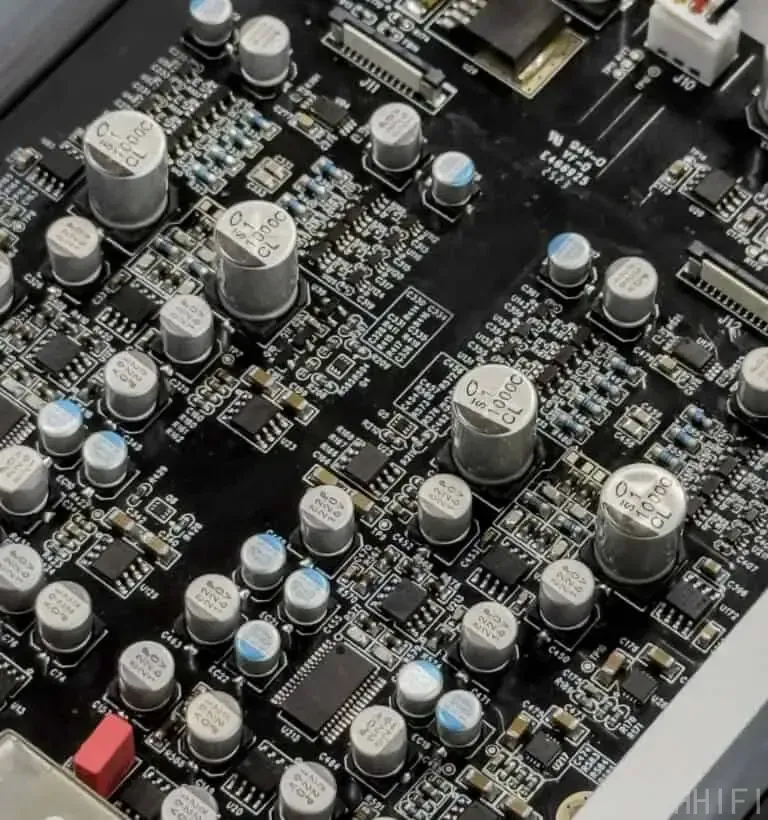
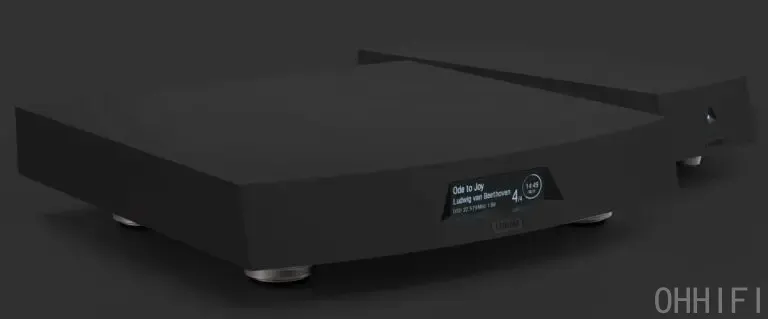
Lumin has been making network players for over a decade, and for most of that time the formula was straightforward: take a great ESS or AKM chip, build a clean streaming platform around it, and let the hardware do the work. The X2 breaks that formula entirely. Instead of an off-the-shelf DAC chip, Lumin spent years developing a fully custom discrete delta-sigma DAC implemented inside dual Altera Cyclone IV FPGAs. No ESS ES9038PRO. No AKM. A blank canvas, built from scratch.
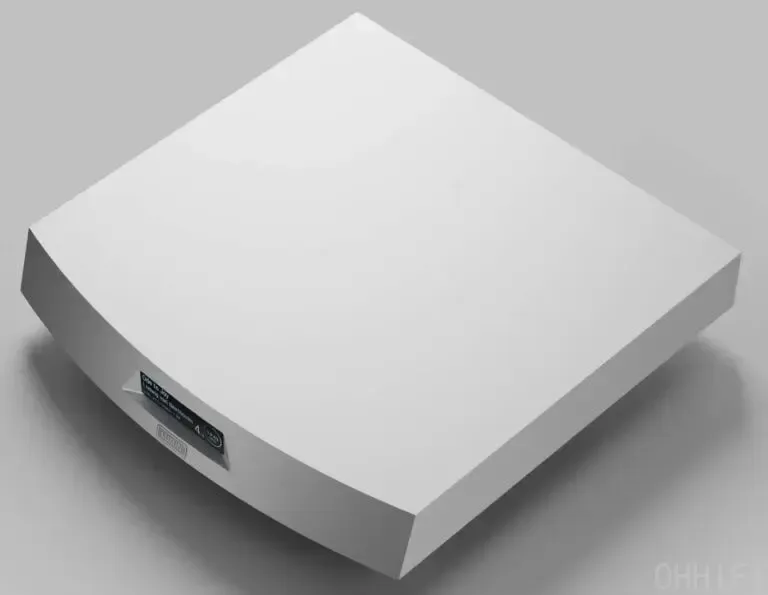
That's not a marketing talking point — it's a genuinely difficult engineering feat. Most companies never attempt it because the R&D cost is enormous and there's no guarantee it'll sound better than a well-implemented chip solution. Lumin bet on it anyway, and at $16,800, the X2 is the result.
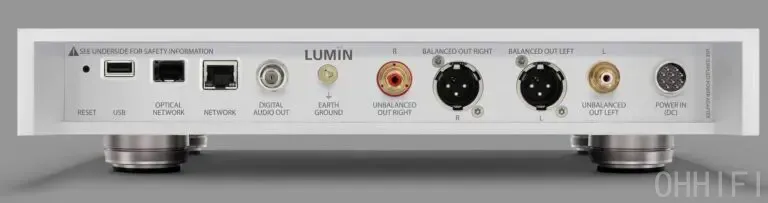
The discrete DAC architecture gives Lumin complete control over filtering, reconstruction, and the analog output stage in a way that chip-based designs simply can't match. The X2 supports up to 768kHz PCM and DSD512 natively — not just as a spec flex, but because the filtering demands at these rates are fundamentally different, and the custom FPGA implementation handles them without compromise. Pair that with a new, more powerful SoC that has headroom for future firmware upgrades, and the longevity argument here is strong.
In listening, the X2 is the kind of component that disappears. Playing Flea's Honora at 24/44.1 — a format that actually stress-tests a DAC's filter design more than hi-res — the imaging was precise without being clinical. Nick Cave's vocal on the Wichita Lineman cover had genuine depth and texture, the kind that makes you reconsider an artist you thought you already knew. That's not a small thing. Acoustic bass was foundational without being overblown. The X2 doesn't editorialize; it reproduces what's on the recording, including the imperfections that make music feel real.






Comments