
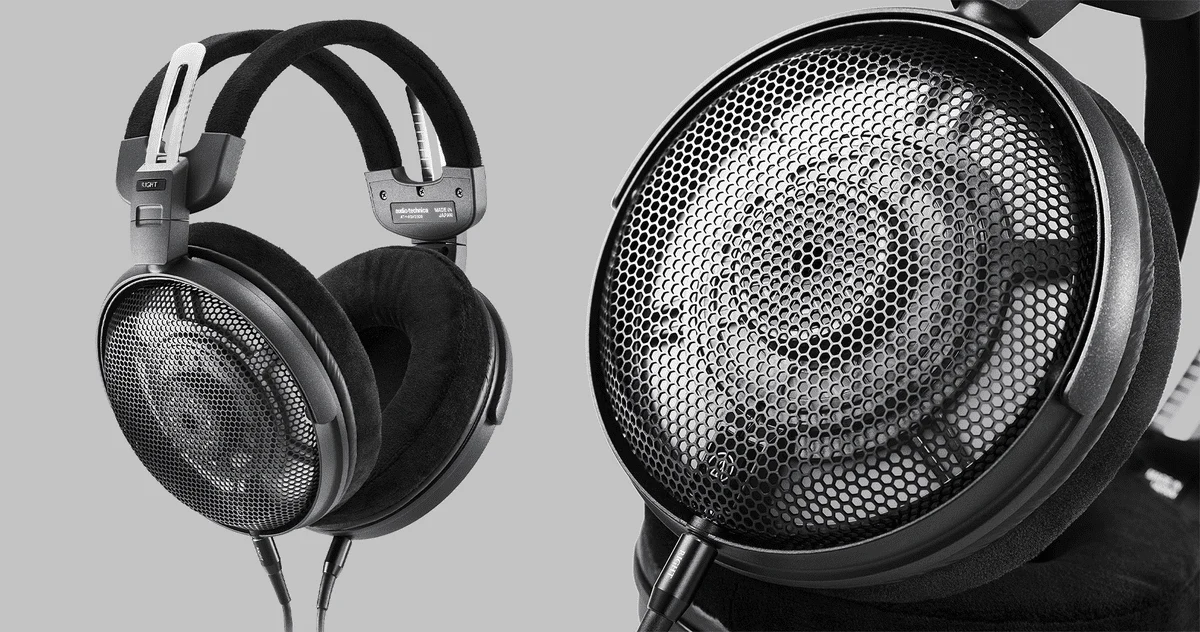
Audio-Technica ADX3000: The Headphone That Almost Convinces You

At $1,100, the ADX3000 sits in one of the most contested brackets in personal audio — a no-man's land where you're constantly being asked to justify yourself against the HD800S, HiFiMan Arya Organic, and whatever Audeze is pushing this season. Audio-Technica's pitch is essentially: flagship DNA, more accessible price, easier to drive. And honestly? Most of that pitch holds up.
Build & Comfort — Looks Identical, Feels Familiar
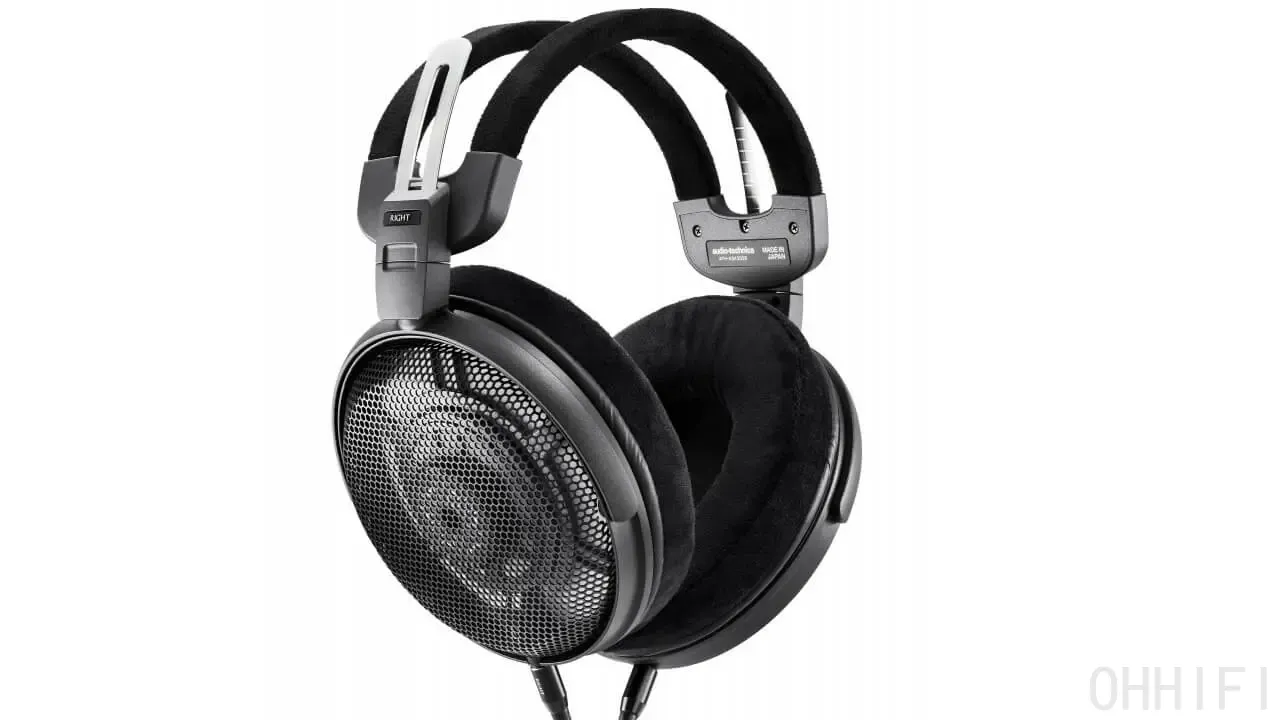
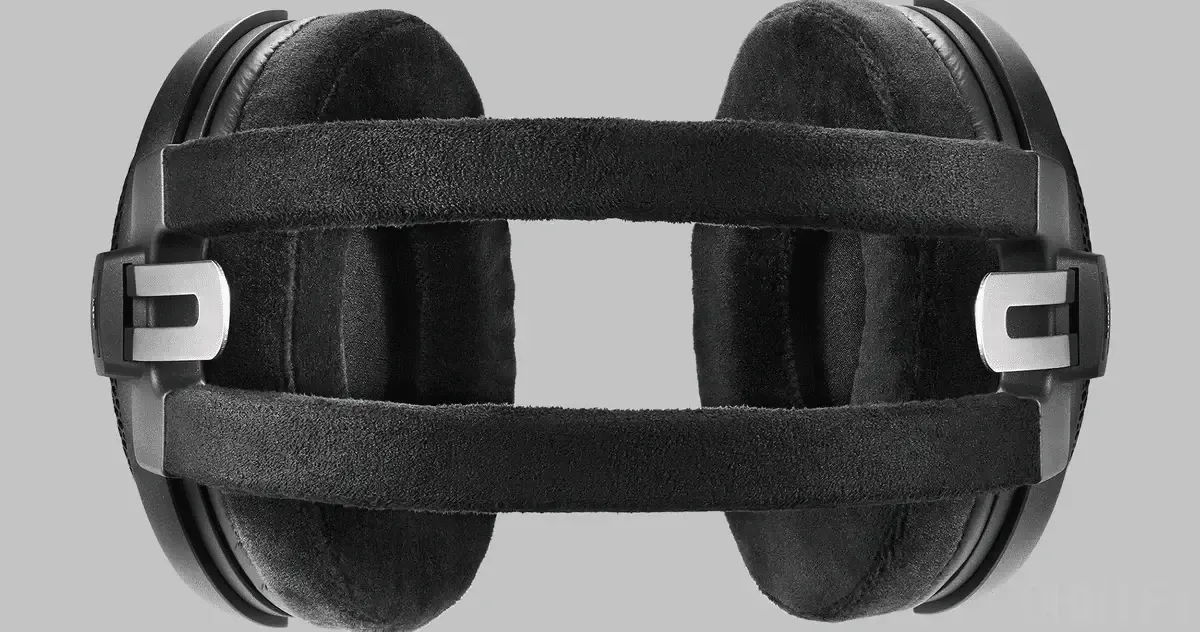
The design language is pure ADX line: skeletal magnesium alloy frame, honeycomb grilles, 58mm driver staring right back at you. It's utilitarian in a way that some people will love and others will find cold. At 257 grams it's absurdly light for a full-size can, and the velour pads are genuinely soft. That said, the headband — two curved bands with minimal padding — creates a hotspot over longer sessions that you'll start noticing around the 90-minute mark. Clamp force out of the box is also on the firm side, and the frame proportions clearly favor smaller heads.
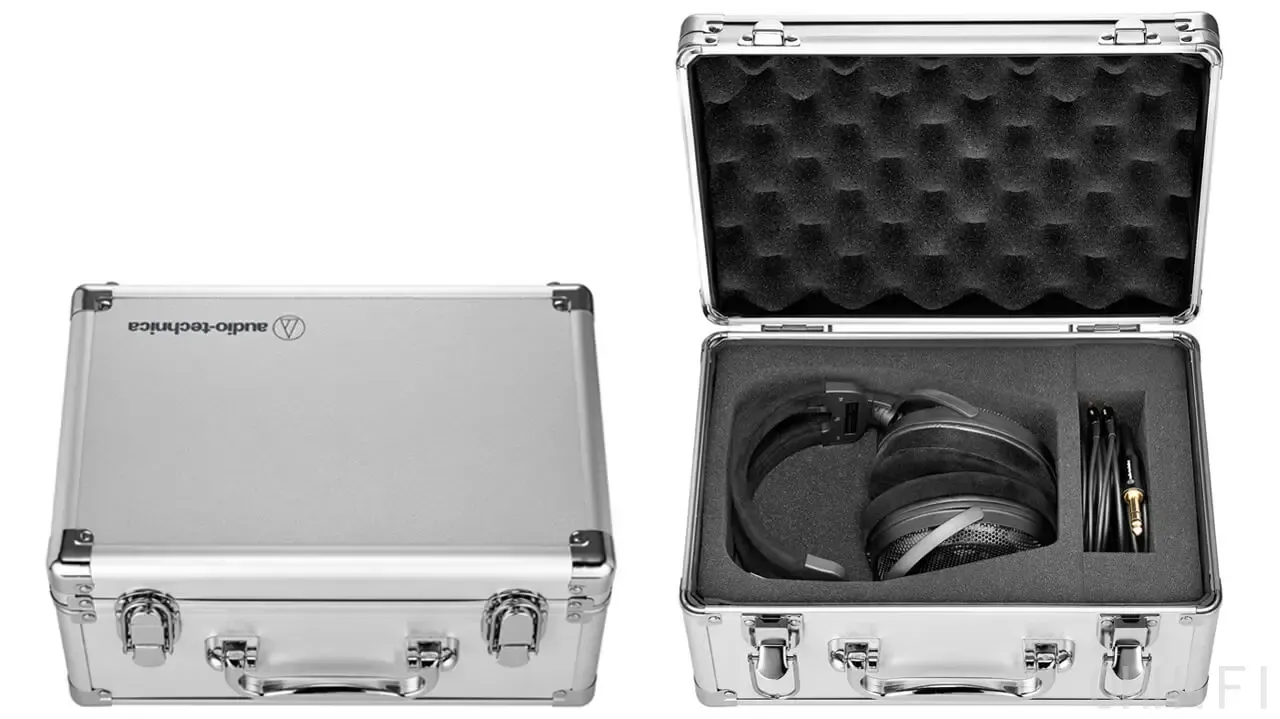
Then there's the A2DC connector situation. Technically it's a superior design — more secure than MMCX, cleaner release — but it's proprietary, which means finding aftermarket cables is more hassle than it should be at this price. The stock cable doesn't help either: the sheathing feels plasticky and has more bending memory than you'd want.
Sound — This Is Where It Gets Interesting
The ADX3000 runs north of neutral. Extended treble, emphasized upper mids, and bass that has presence without being particularly deep or punchy. The bass definition is where it shows its hand — there's a slight smear at the lower-mid transition, likely from the absence of a dip right before that crossover region. Nothing catastrophic, but if you're coming from something with tighter, drier low-end control like the HD800S, you'll hear it.

The midrange is defined by transparency and a "lean" surgical precision rather than lushness. While it avoids the recessed, V-shaped trap, it lacks the warm "chestiness" that some might expect from a dynamic driver. The lower-mids are clean but polite, transitioning into an upper-midrange that is notably energetic. This brings female vocals and brass instruments forward with a crystalline clarity, giving them an intimate, "front-row" presence. However, this emphasis on the leading edge of notes means male vocals can occasionally lack body, and certain recordings might feel a bit thin or clinical. It is a midrange designed for detail-seekers who want to hear the vibration of a reed or the breath of a singer, rather than those looking for a rich, romantic embrace.
Treble is the most polarizing aspect. It's bright — splash-y in certain passages, especially with cymbals and upper-register strings. Extended listening fatigue is a real concern for some, and at least one reviewer found the stock pads borderline uncomfortable for long sessions, recommending ADX5000 pads as a worthwhile swap. With the right material — jazz, acoustic guitar, piano-led recordings — the treble extension is genuinely rewarding. Detail retrieval is excellent, and there's a texture to the upper registers that many headphones in this range just smooth over.
Soundstage is wide. Very wide. Horizontal imaging is cleanly spread with no weird clustering zones, which is more than you can say for the ADX5000's slightly W-shaped presentation. Depth and height are more modest — this isn't an HD800S-level three-dimensional stage, but instrument placement is precise and the open-back feel is pronounced.
Against the Competition
Versus the HD800S (~$1,600): Sennheiser wins on stage size and tonal coherence, with a warmer, more forgiving midrange. The ADX3000 hits back with sharper transient response and easier amplifier requirements — 50 ohms vs. the HD800S's 300 ohms means you can actually run this off a decent dongle DAC without feeling like you're wasting the headphone. The HD800S is the better all-rounder for vocals and orchestral music; the ADX3000 is more revealing on instruments.
Versus the Arya Organic (~$1,299): Planar vs. dynamic, different flavor entirely. The Arya's bass control and midrange density give it a more "complete" feel for certain genres, while the ADX3000's dynamic driver timbre is more natural and lifelike on acoustic material. Pick your poison.
Versus its own sibling, the ADX5000 (~$2,200): The ADX5000's treble is actually less fatiguing despite looking similar on a graph, and its soundstage imaging takes on that distinctive W-shape that some listeners find engaging. The ADX3000's presentation is more conventional — arguably more balanced — and it's far easier to drive given the 50Ω vs. 420Ω impedance difference. You'd need a very capable amp to unlock the ADX5000. The ADX3000 is the more practical daily driver.
The Bottom Line
The ADX3000 is a genuinely capable headphone wearing a slightly awkward fit story and a cable situation that doesn't match its price point. If you're a detail-first listener who listens to music that rewards treble extension — classical, jazz, acoustic, intricate production — this thing can be spectacular. If you need warmth, deep sub-bass texture, or plan to run it through dense, busy mixes for hours, the fatigue will find you.
It's not a headphone for everyone. But it's also not pretending to be.



Comments