
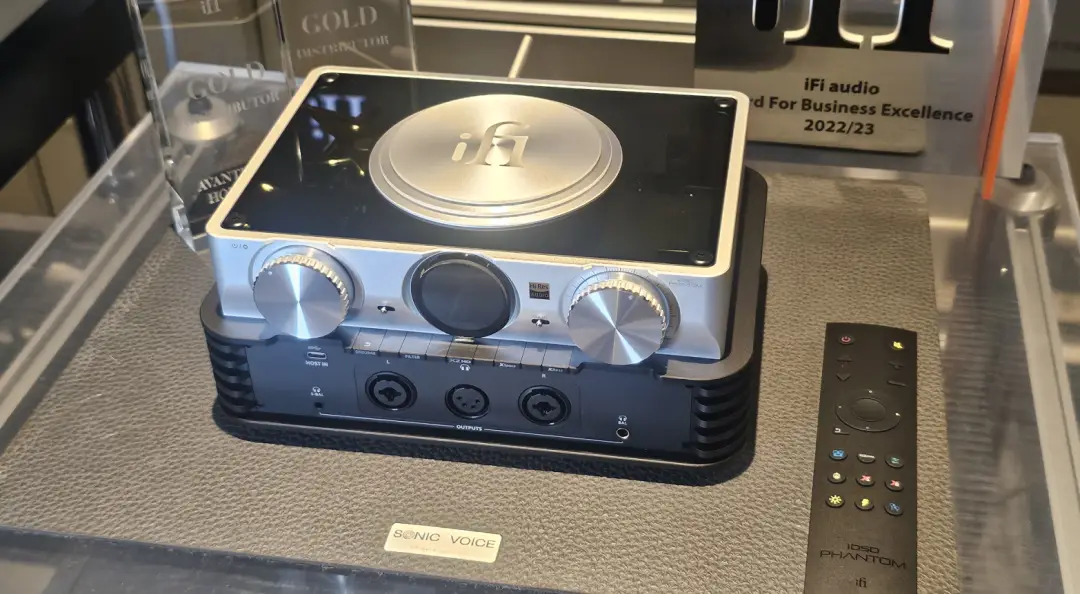
iFi iDSD Phantom Review: The Swiss Army Knife of High-End Audio

This is the "big one" from iFi. After years of dominating the portable and mid-fi desktop markets, the British firm has finally unleashed its magnum opus.
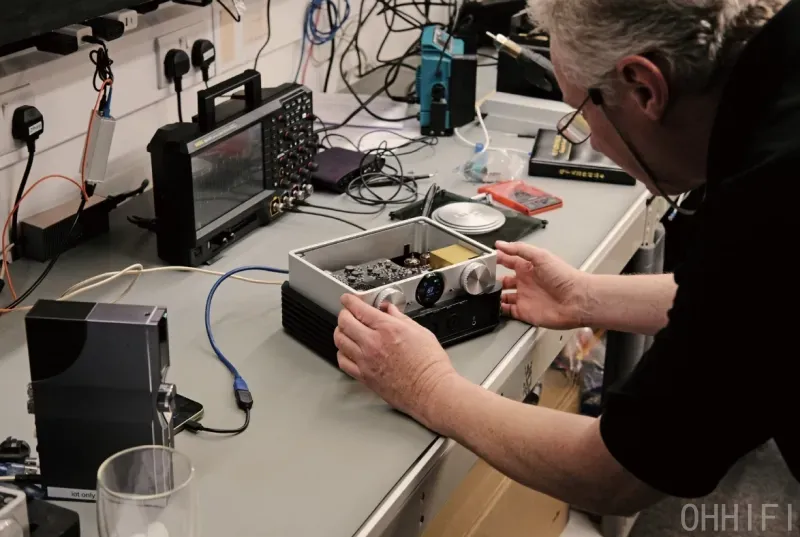
The iFi iDSD Phantom isn’t just a flagship; it’s a statement. It’s what happens when you take the DNA of high-end AMR (Abbingdon Music Research) components and shrink them into a "half-width" chassis that punches way above its weight class.
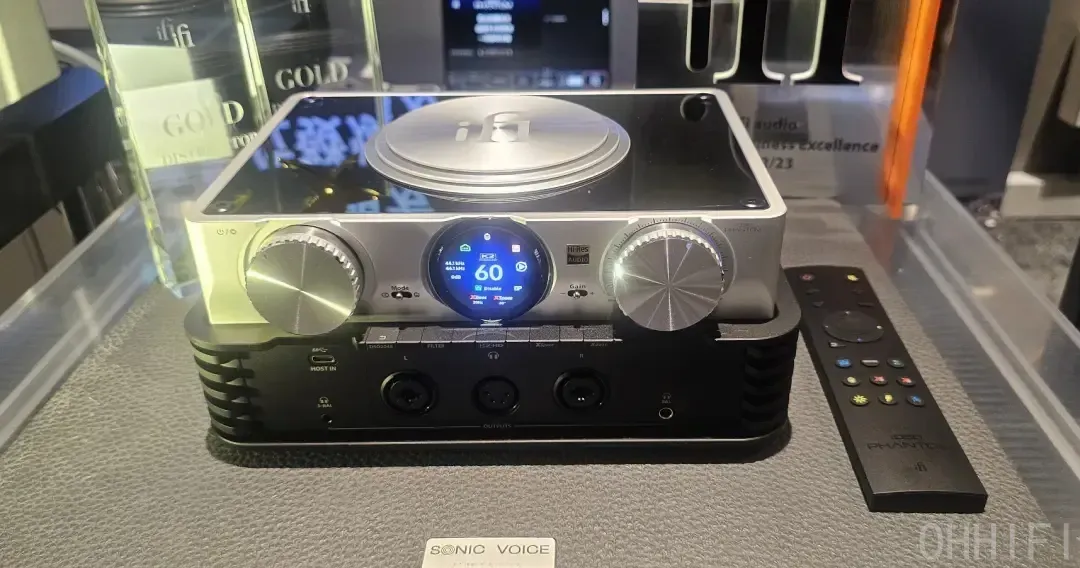
Design: Where Classic Meets Futuristic
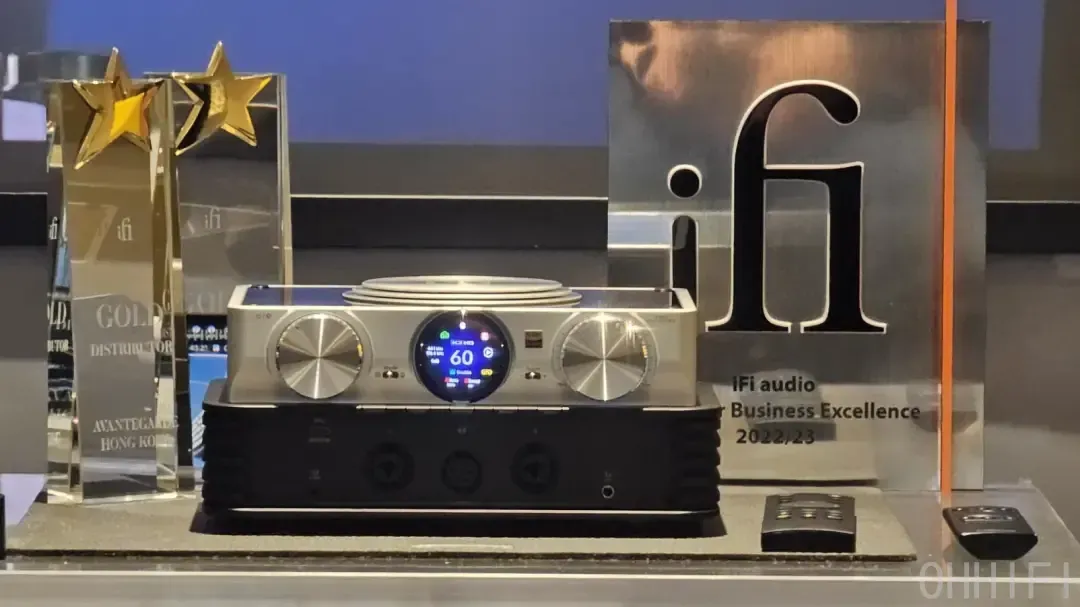
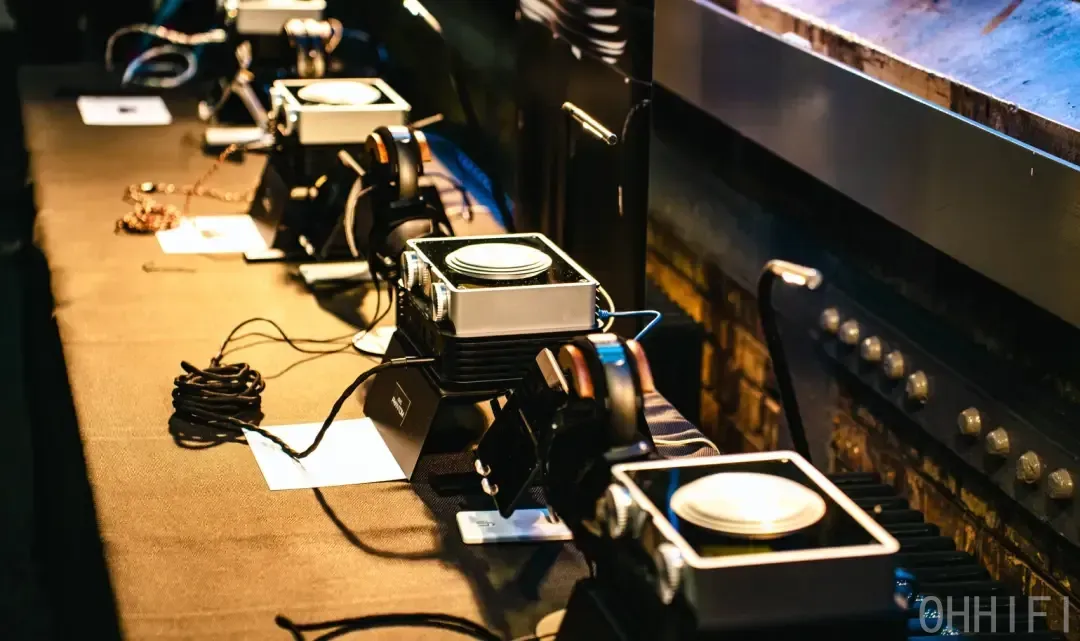
At first glance, the iDSD Phantom demands attention. Its "layered sandwich" design isn't just for aesthetics—it’s a masterclass in heat dissipation and EMI shielding. It feels substantial, premium, and purposefully built. Whether it sits on a desktop next to a Mac or as the centerpiece of a dedicated Hi-Fi rack, it looks every bit the €3,749 / $3,749 flagship.
The Engine Room: Quad-DAC and DSD2048
Under the hood, iFi sticks to its guns with a custom Interleaved Quad-Burr-Brown DAC configuration. While many manufacturers are chasing the latest off-the-shelf Delta-Sigma chips, iFi leverages its deep understanding of the legendary Philips TDA1541A architecture to deliver a sound that is inherently musical.
But don't let the "classic" choice fool you. With the new Chrysopoeia FPGA-based engine, the Phantom achieves a staggering DSD2048 upsampling capability. By pushing the sample rate to nearly 90 million samples per second, the Phantom effectively eliminates digital artifacts before they even reach the analog stage.

Editor’s Note: This isn't just spec-chasing. The result is a "blacker" background and a level of transparency that makes standard 44.1kHz files feel like they’ve been given a fresh coat of high-definition paint.
Triple-Flavor Preamp: J-FET, Tube, or Tube+?
One of the Phantom’s most addictive features is the real-time switching between three distinct output stages:
Solid-State: Utilizing J-FETs for a clean, fast, and surgical presentation. Ideal for complex orchestral works or modern electronica.
Tube (GE5670): Brings that classic "glow." It rounds off the edges without sacrificing detail—perfect for jazz and intimate vocals.
Tube+: This mode reduces loop gain, allowing the 2nd-order harmonics to shine. It’s lush, thick, and unashamedly analog.
Headphone Performance: Power and Finesse
As a headphone amp, the Phantom is a beast. With a peak output of 7,747mW, it will drive anything from sensitive IEMs to the most demanding planars.
XBass Pro: Unlike cheap bass boosts, this is a sophisticated analog correction that fixes the low-end roll-off inherent in open-back headphones without muddying the mids.
XSpace Pro: It moves the "inside-your-head" sensation to a holographic stage. It’s subtle, effective, and surprisingly natural.
Streaming & Connectivity: The Nexis Evolution
The inclusion of the iFi Nexis App marks a significant step forward. Supporting Tidal, Spotify, Qobuz, and AirPlay 2, the Phantom is a fully-fledged network streamer. In testing, the connection remained rock-solid, even when streaming high-bitrate files from a NAS.

For those curious about how this modern British streaming architecture stacks up against the old-guard heavyweights, our McIntosh DS200 Streaming DAC Review offers a compelling counterpoint, exploring how the legendary American brand interprets the same 'high-fidelity streaming' challenge.
Listening Impressions: The Sonic Signature
Transparency and Micro-Detail
Listening to Mayumi Itsuwa’s "Memories" in DSD, the first thing that hits you is the pinpoint imaging. Her voice is carved out against a silent, velvet-black backdrop. There’s a sense of "density" to the notes that cheaper DACs simply can’t replicate.
The "Live" Factor
On orchestral tracks from the 2L label, the Phantom showcases its mastery of the soundstage. Paired with high-end horn speakers (like the Ø Audio Icon 12), the strings sounded sweet and "glossy" rather than brittle. The sense of scale is massive—it doesn’t just play music; it reconstructs the recording venue in your room.
Dynamic Impact
Switching to Carmina Burana, the transient response was startling. The sudden transition from a whisper to a full-choir crescendo happened without a hint of compression. The low-frequency impact of the timpani was clean, tight, and carried a physical "thump" that you usually only get from full-sized Hi-End separates.
| Feature | Specification |
| DAC Architecture | Quad-Burr-Brown Interleaved |
| Digital Processing | FPGA-based Chrysopoeia (DSD2048 / 768kHz) |
| Amp Modes | Solid-State, Tube (GE5670), Tube+ |
| Max Output | 7,747mW @ 16Ω (Peak) |
| Streaming | iFi Nexis App, Wi-Fi, Ethernet, Bluetooth 5.1 |
| Input/Output | XLR, 4.4mm, 6.3mm, 3.5mm, RCA |
| Special Tech | K2HD (JVCKENWOOD), XBass Pro, XSpace Pro |
Verdict: The "End-Game" for Desktop Enthusiasts?
The iFi iDSD Phantom is a rare breed. It manages to be a world-class streamer, a reference-grade DAC, and a powerhouse amplifier all in one box.
While its price puts it in competition with high-end separates, the Phantom justifies itself through its versatility and soul. It bridges the gap between clinical digital precision and the emotive warmth of a vintage tube system. If you want one device to rule your desktop and your main Hi-Fi system, this is it.





Comments