
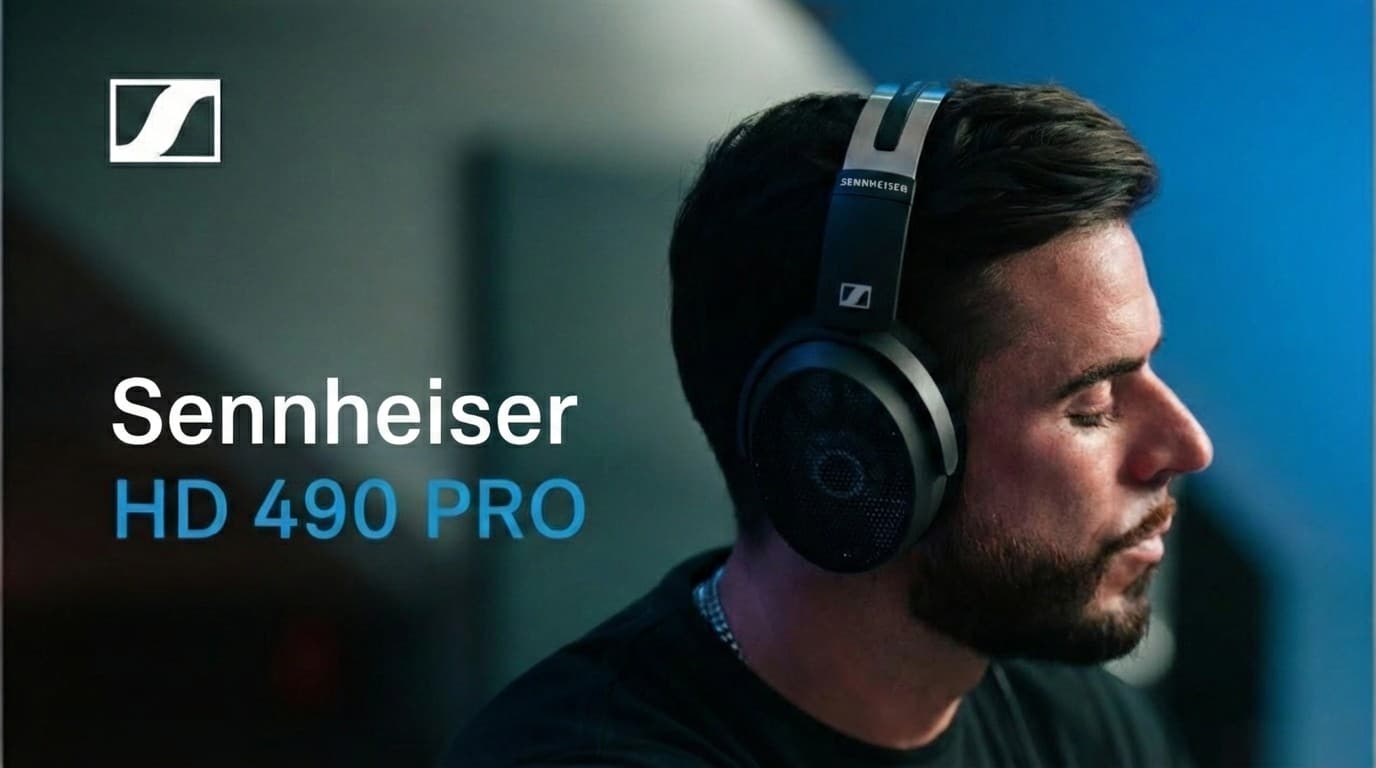
Sennheiser HD 490 PRO Review: A Modern Masterpiece Redefining the Studio-Audiophile Crossover

1. Introduction: The Burden of the Crown
In the rarefied atmosphere of high-fidelity audio, few brand names carry the gravitas of Sennheiser. For nearly three decades, the German audio giant has held the undisputed crown for reference-grade neutrality with its legendary HD 600 series. To this day, the HD 600 and HD 650 remain the "meter stick" by which all other headphones are measured—a testament to a tuning philosophy so enduring it has outlived entire genres of music. However, the audio landscape of 2026 is vastly different from the era that birthed the HD 600. The modern studio is no longer exclusively a multimillion-dollar facility with soffit-mounted mains; it is just as likely to be a bedroom in Brooklyn, a hotel room in Tokyo, or a silent disco mixing stage in Berlin. The lines between "audiophile listening" and "professional creation" have blurred. Creators demand tools that are revealing enough for surgery but enjoyable enough for the vibe, while audiophiles seek the "truth" of the studio without the clinical sterility that often plagues professional gear.
Enter the Sennheiser HD 490 PRO. Launched as the new flagship of Sennheiser’s professional line, this open-back headphone is not merely an update; it is a complete reimagining of what a reference tool should be in the spatial audio era. With a price point hovering around $399 (€360–€385), it lands aggressively in the "mid-fi" battleground, challenging heavyweights like the Beyerdynamic DT 1990 Pro and the insurgent Sony MDR-MV1.
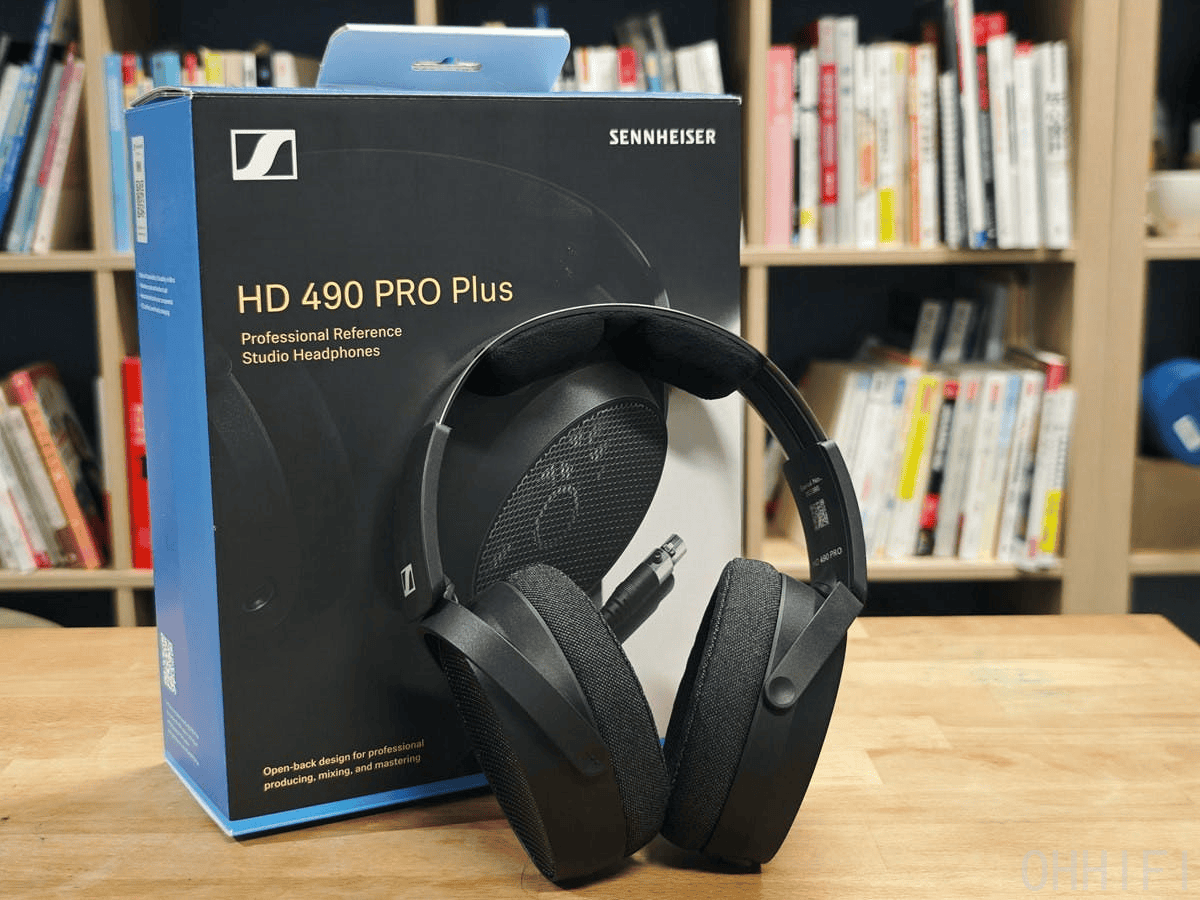
But does it succeed? Can a single headphone truly serve two masters—the analytical mixing engineer who needs to hear every flaw, and the producer (or audiophile) who wants to get lost in the rhythm? Through an exhaustive analysis of its "Open-frame Architecture," its unique dual-pad ecosystem, and its innovative "Low-frequency Cylinder," this report will dissect whether the HD 490 PRO is the new king of the studio or just another contender for the throne.
2. Market Context and Lineage
To understand the HD 490 PRO, one must understand the vacuum it fills. For years, the gap between Sennheiser’s "Pro" line (dominated by the closed-back HD 25 for DJs and the HD 280/300 PRO for tracking) and their "Audiophile" line (HD 600/650/660S) created a dilemma. Pros were buying "audiophile" HD 650s for mixing because of their neutrality, despite their high impedance and lack of sub-bass extension. Conversely, the dedicated "Pro" models often lacked the soundstage width required for modern immersive mixing.
The HD 490 PRO arrives to bridge this specific divide. It is positioned above the HD 400 PRO (essentially a re-badged HD 560S) and sits as the premier open-back workhorse. It explicitly targets the flaws of its ancestors: it aims to fix the "three-blob" imaging of the HD 600, extend the rolled-off sub-bass of the HD 650, and improve the comfort for 12-hour sessions. It is a product born of user feedback, designed for a world where "flat" is no longer enough—audio must now be holographic, translatable, and, crucially, comfortable.
3. Unboxing and First Impressions
3.1 The Package
The HD 490 PRO is available in two configurations: the standard "Pro" and the "Pro Plus." The unboxing experience of the standard version is utilitarian—an eco-friendly, FSC-certified cardboard affair that screams "tool," not "jewelry". This is a commendable move towards sustainability, aligning with the industry's shift away from plastic waste.
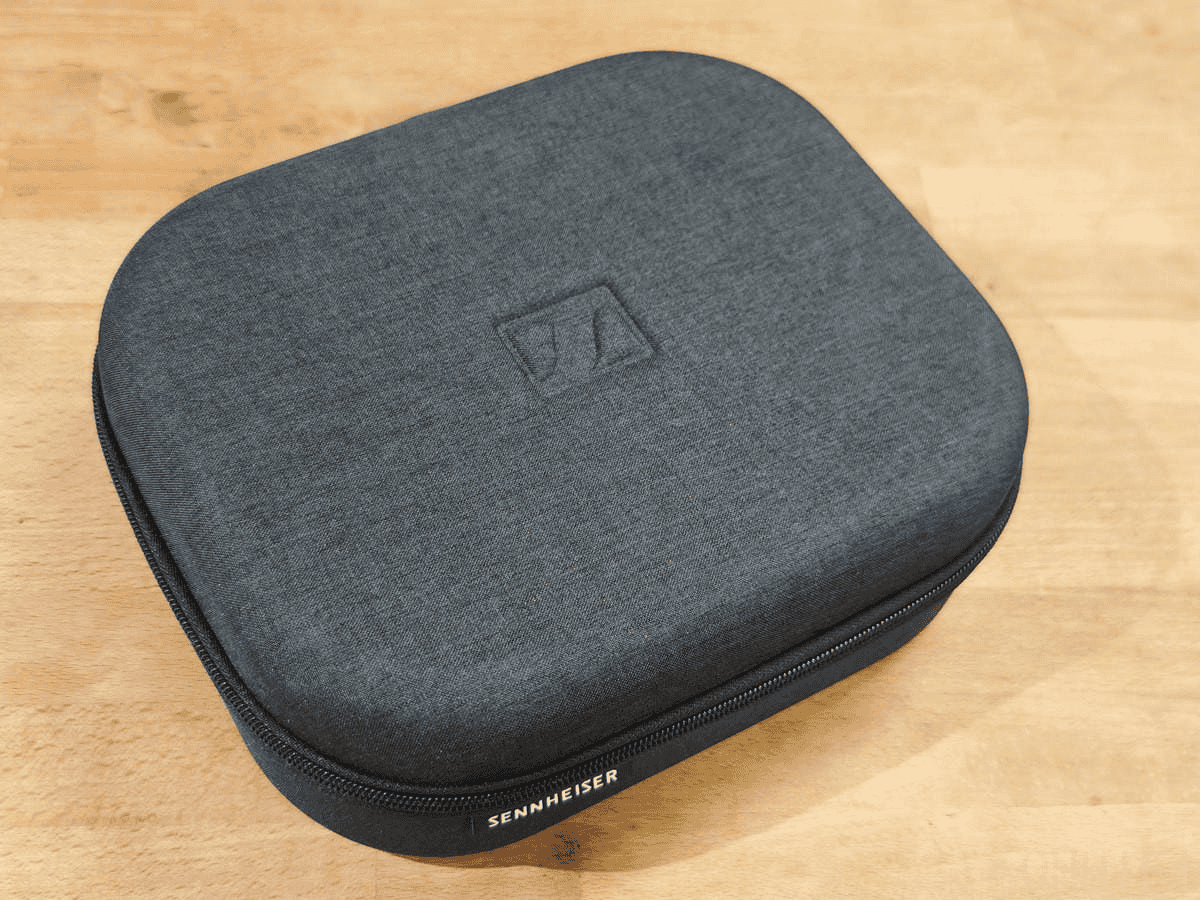
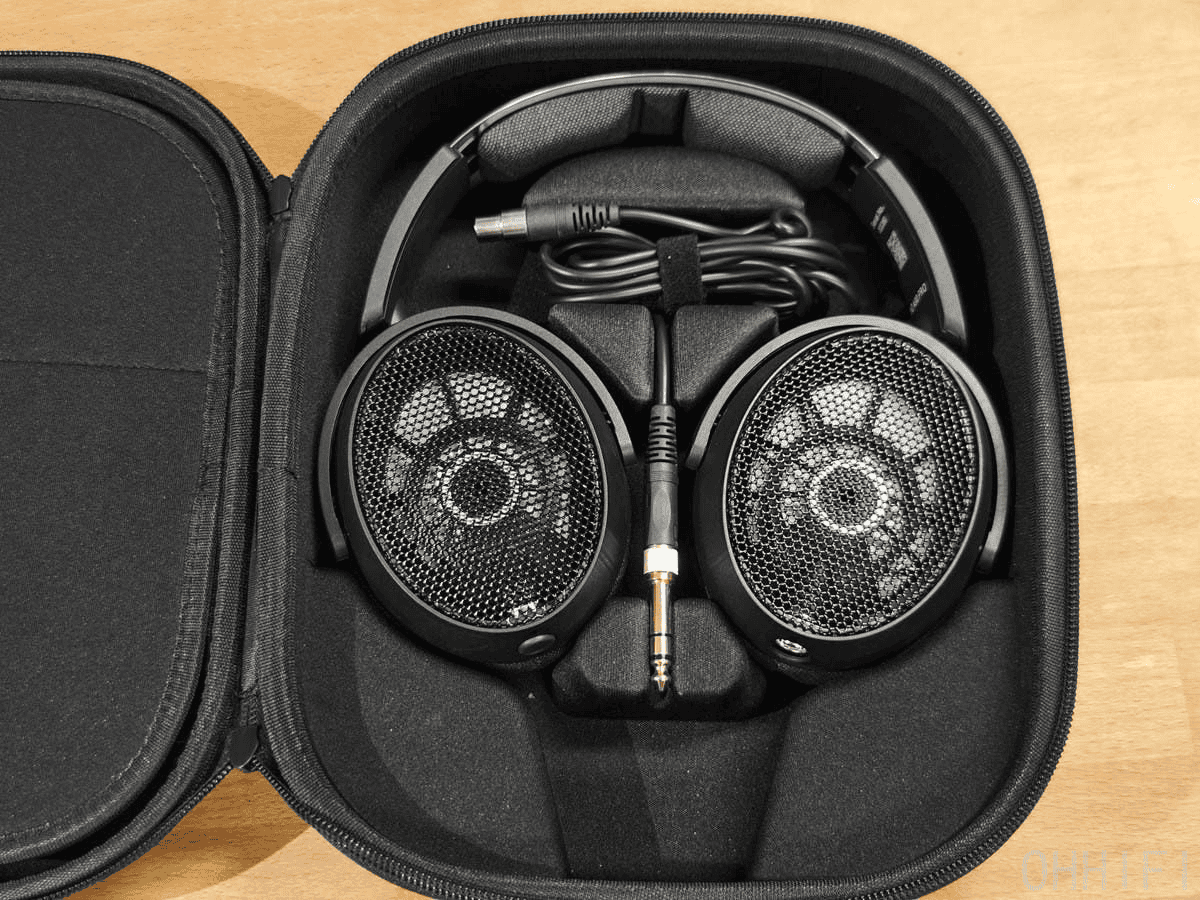
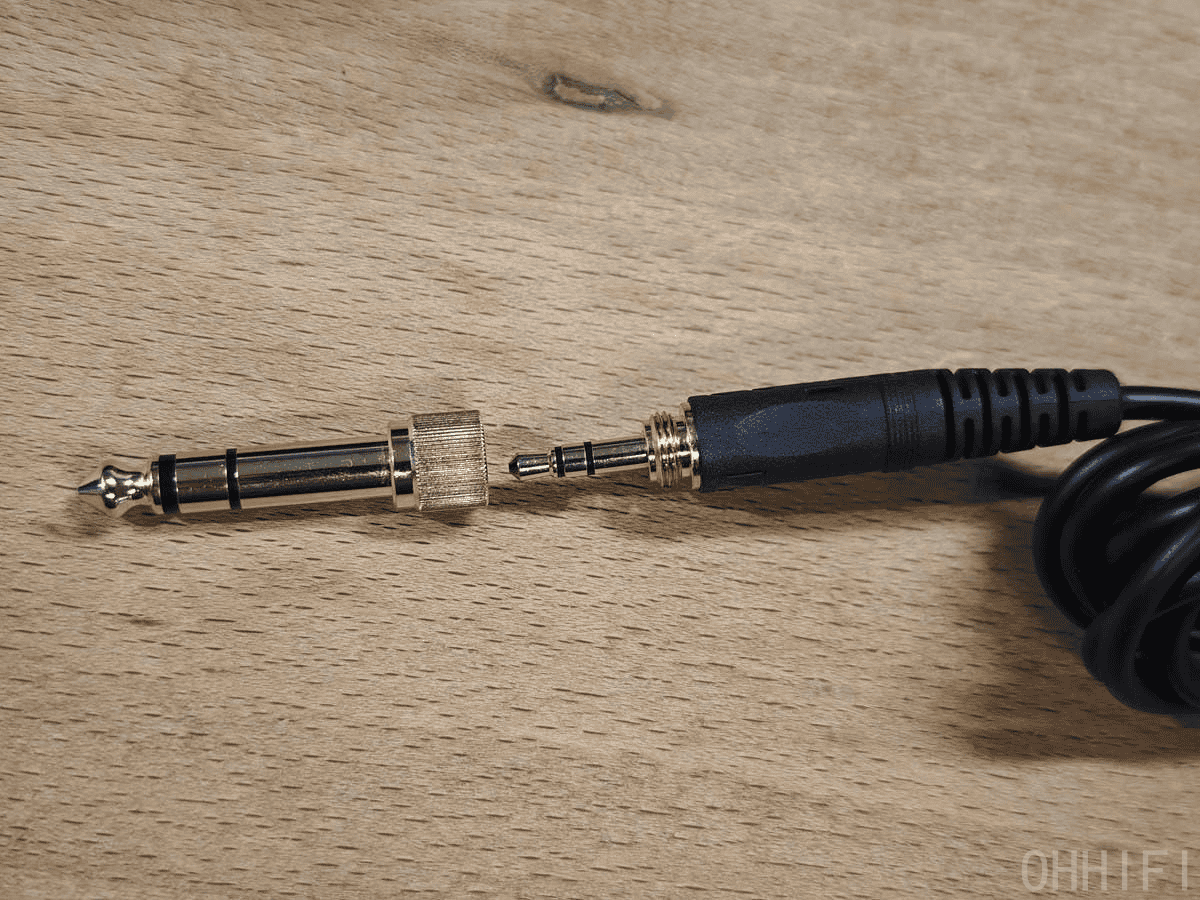
However, the "Pro Plus" ($479) elevates the experience significantly. Inside, you are greeted by a premium, semi-rigid carrying case—a vital accessory for the traveling engineer that is sorely missing from competitors like the Sony MDR-MV1. The Plus tier also includes a 3-meter cable (in addition to the standard 1.8m), an extra headband pad, and both sets of ear pads.
3.2 Visual Language
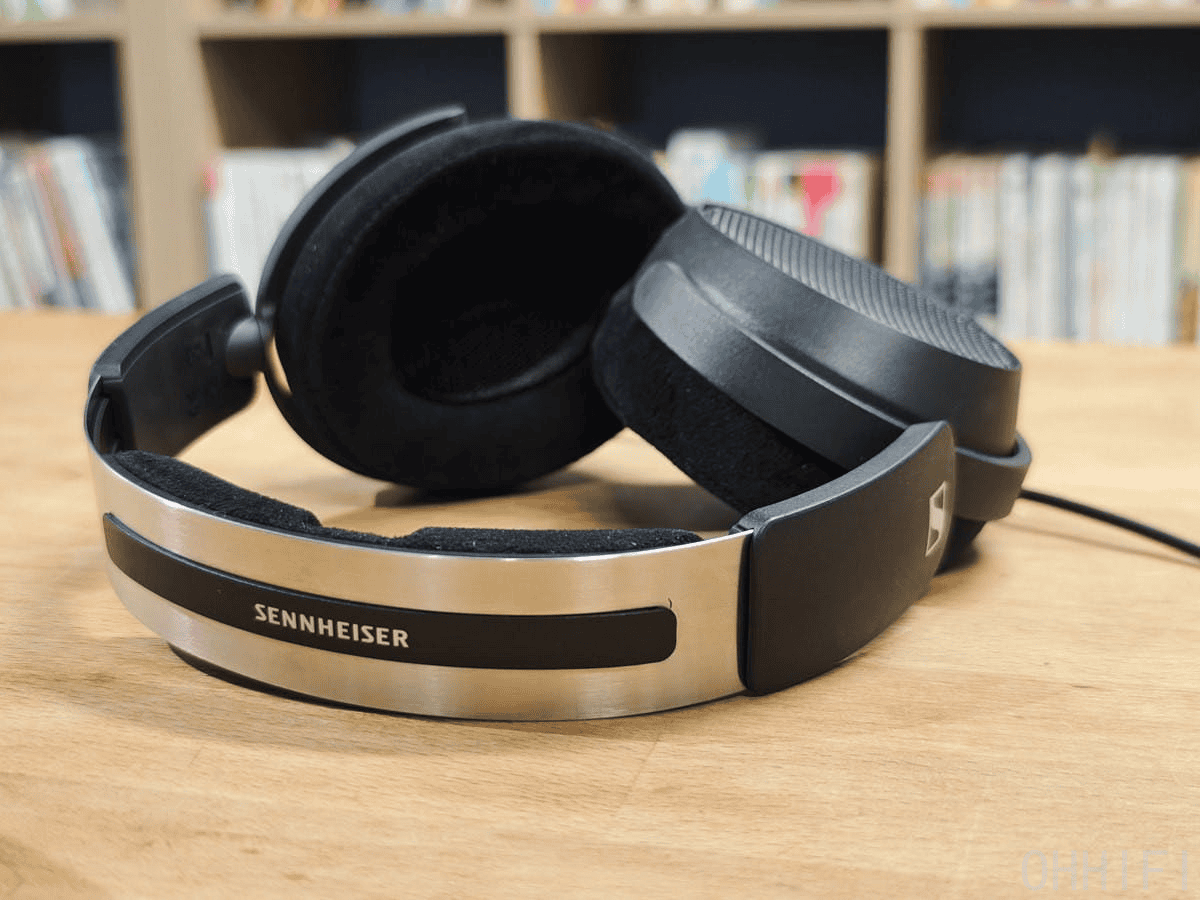
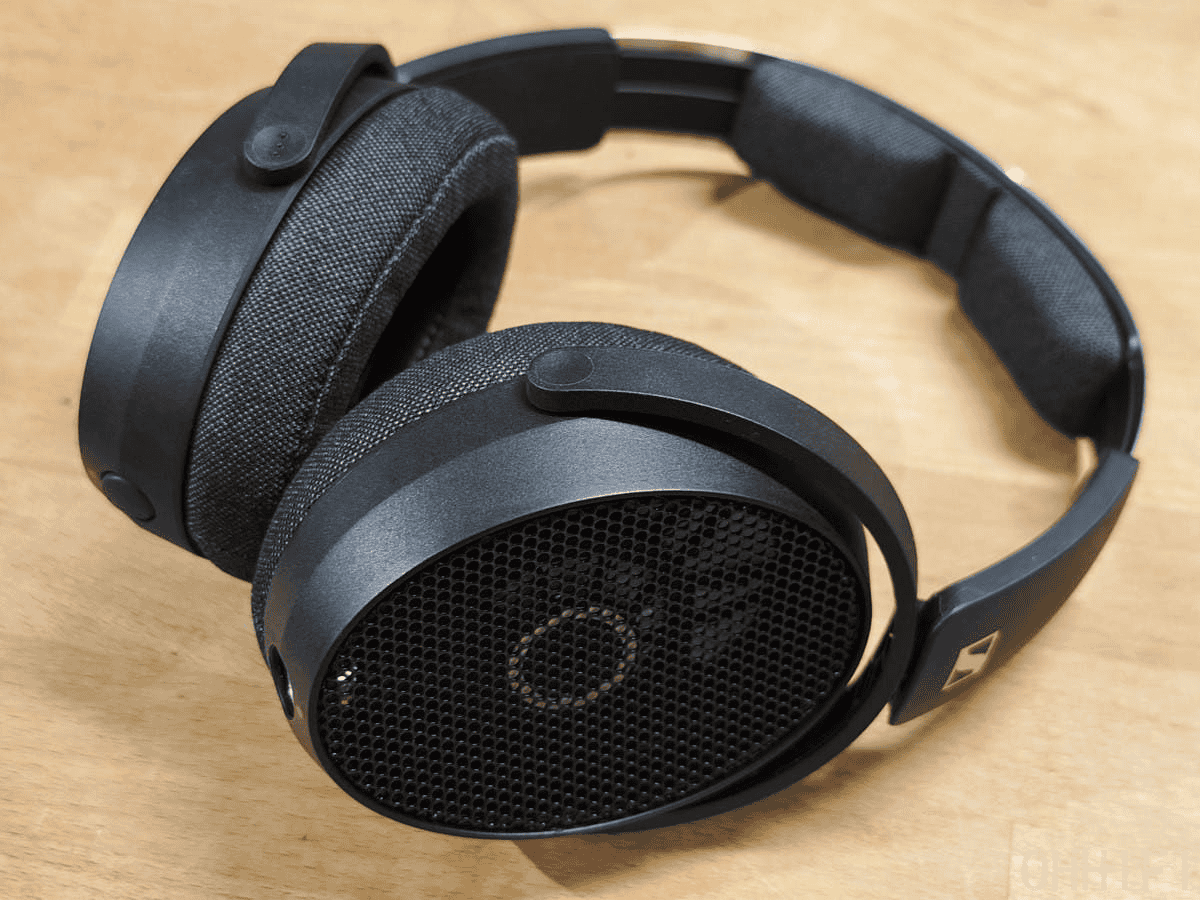
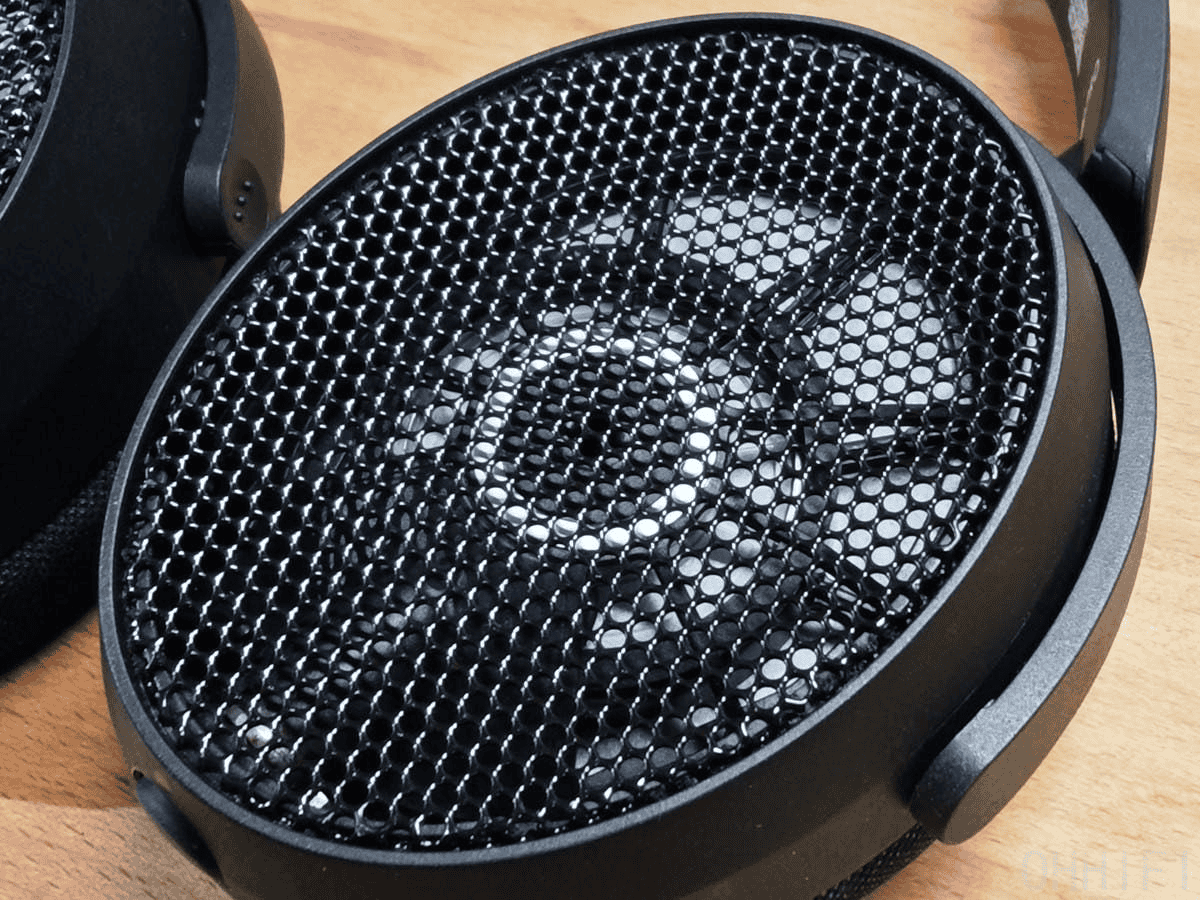
Aesthetically, the HD 490 PRO abandons the marbleized finish of the vintage HD 600 for a stealthy, industrial matte black. It looks purposeful. The most striking visual element is the "Open-frame Architecture"—a honeycomb metal mesh on the ear cups that reveals the driver assembly within. This isn't just for show; it's a functional design to minimize acoustic reflections, but visually, it communicates "transparency." It feels modern, sleek, and decidedly German in its efficiency.
4. Design Philosophy and Build Quality
4.1 Materials: The Plastic Debate
In the hand, the HD 490 PRO surprises with its lightness. Weighing in at just 260g (without cable), it is a featherweight compared to the tank-like Beyerdynamic DT 1990 Pro (370g) or the metallic Neumann NDH 30 (352g). Sennheiser has achieved this by utilizing high-quality glass-fiber reinforced polymers for the chassis.
Some purists might decry the lack of metal, associating weight with "premium" feel. However, in a professional context, weight is the enemy. A heavy headphone becomes a neck brace after four hours. The plastics used here feel dense and inert, free from creaks or rattles. The headband sliders are metal, providing a satisfying, tactile click that assures durability. It strikes a balance similar to the HD 650: robust enough to survive a studio drop, but light enough to vanish on the head.
4.2 The Open-Frame Architecture
The "Open-frame Architecture" is the core of the HD 490 PRO’s acoustic design. By minimizing the physical material covering the driver, Sennheiser aims to reduce Total Harmonic Distortion (THD) and resonance. Traditional grill designs can trap standing waves or create comb-filtering effects as sound bounces between the driver and the enclosure. The HD 490 PRO’s exposed design allows sound waves to escape freely, theoretically resulting in a cleaner, uncolored presentation.
4.3 Sustainability and Repairability
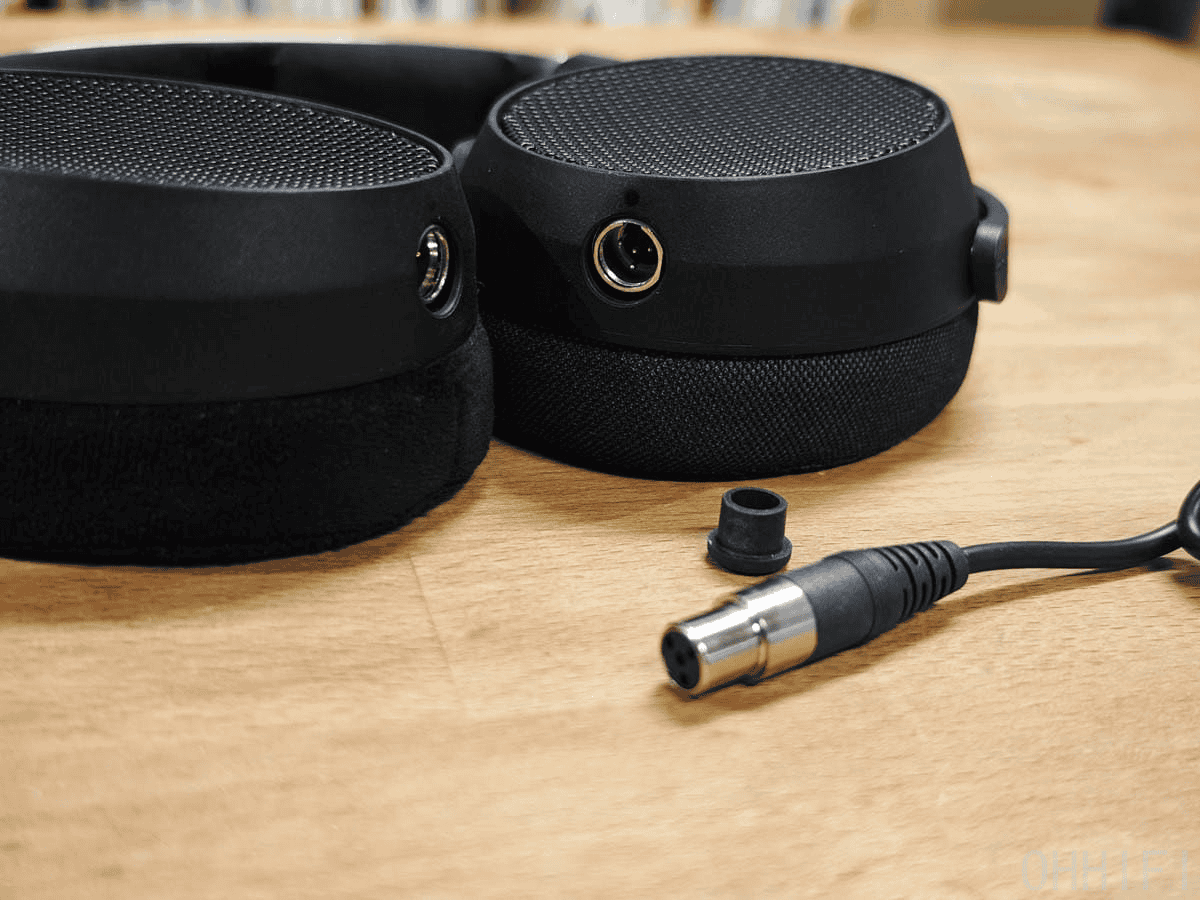
Sennheiser has taken a page from the "Right to Repair" movement. The pads are washable and replaceable. The cable is detachable. The headband padding can be swapped. This modularity is a critical value proposition for studios where gear passes through many hands (and heads). Knowing that you can throw the ear pads in the wash at 30°C to remove the sweat of a thousand takes is a hygiene feature that cannot be overstated.
5. Ergonomics: The "Vanishing" Act
If sound quality is the heart of a headphone, comfort is its soul. In this department, the HD 490 PRO is nothing short of a revelation.
5.1 The Suspension System
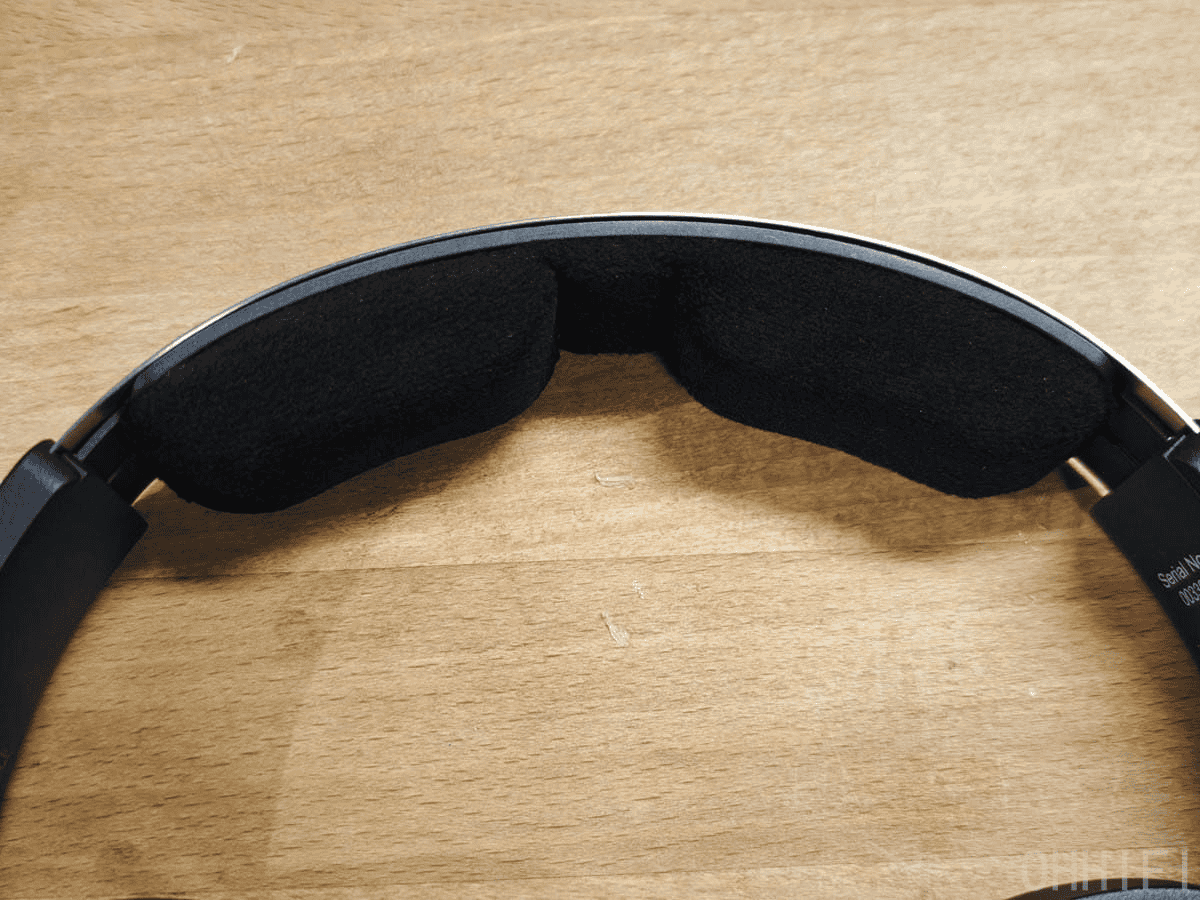
Unlike the single pressure point often found on headphones like the Sony MDR-MV1 (which some users report creates a "hotspot" on the vertex of the skull), the HD 490 PRO utilizes a split-cushion design on the headband. This creates a fontanelle gap, distributing the weight on either side of the head's peak. Combined with the low mass, the result is a sensation of floating.
5.2 The "Spectacle Groove"
One of the most thoughtful, yet understated features is the "grooved ear pads" designed specifically for eyewear users. The foam in the pads features a softer, depressed zone where glasses arms typically sit. This prevents the frames from breaking the acoustic seal (which kills bass response) and eliminates the temple pain that plagues bespectacled engineers. It is a small detail that speaks volumes about Sennheiser’s research into real-world usage.
5.3 Clamping Force and Heat
The clamping force is meticulously calibrated—firm enough to stay put during a head-bobbing jam session, but gentle enough to avoid the "vice grip" sensation of a fresh pair of HD 600s. The open-back nature, combined with breathable fabric pads, ensures excellent thermal regulation. Heat buildup is minimal, making these viable for marathon editing sessions in non-air-conditioned spaces.
6. Technological Deep Dive
6.1 The Sys38 Driver Platform
At the core of the HD 490 PRO is a 38mm dynamic transducer, internally dubbed the Sys38. Audiophiles often chase larger driver numbers (50mm, 70mm), assuming bigger is better. However, Sennheiser’s philosophy here leans towards speed and control. A smaller diaphragm is more rigid and lighter, allowing for faster acceleration and deceleration. This "transient speed" is crucial for resolving the sharp crack of a snare drum or the pluck of an acoustic guitar string without blurring.
6.2 The Low-Frequency Cylinder (LFC)
Perhaps the most significant acoustic innovation in the HD 490 PRO is the Low-frequency Cylinder. A common weakness of open-back dynamic headphones is the roll-off in the sub-bass frequencies (below 60Hz). This happens because the pressure wave from the back of the driver wraps around and cancels out the front wave (phase cancellation).
The LFC is a specialized acoustic structure that manages this airflow. It effectively separates the low-frequency back wave from the front wave, allowing the driver to produce linear, extended bass down to 5 Hz (per spec) without the need for a sealed enclosure. This gives the HD 490 PRO a "planar-like" bass extension—flat, deep, and clean—which is a massive departure from the mid-bass hump and sub-bass rolloff of the classic HD 650.
6.3 Technical Specifications Overview
| Feature | Specification |
| Transducer Principle | Dynamic, Open-back |
| Driver Size | 38 mm |
| Impedance | 130 Ω @ 1 kHz |
| Sensitivity | 105 dB SPL (1 Vrms) / 96 dB SPL (1 mW) |
| Frequency Response | 5 Hz – 36,000 Hz (-10 dB) |
| Max SPL | 128 dB SPL (1 kHz @ 5% THD) |
| THD | <0.2 % (1 kHz, 100 dB SPL) |
| Weight | 260 g (w/o cable) |
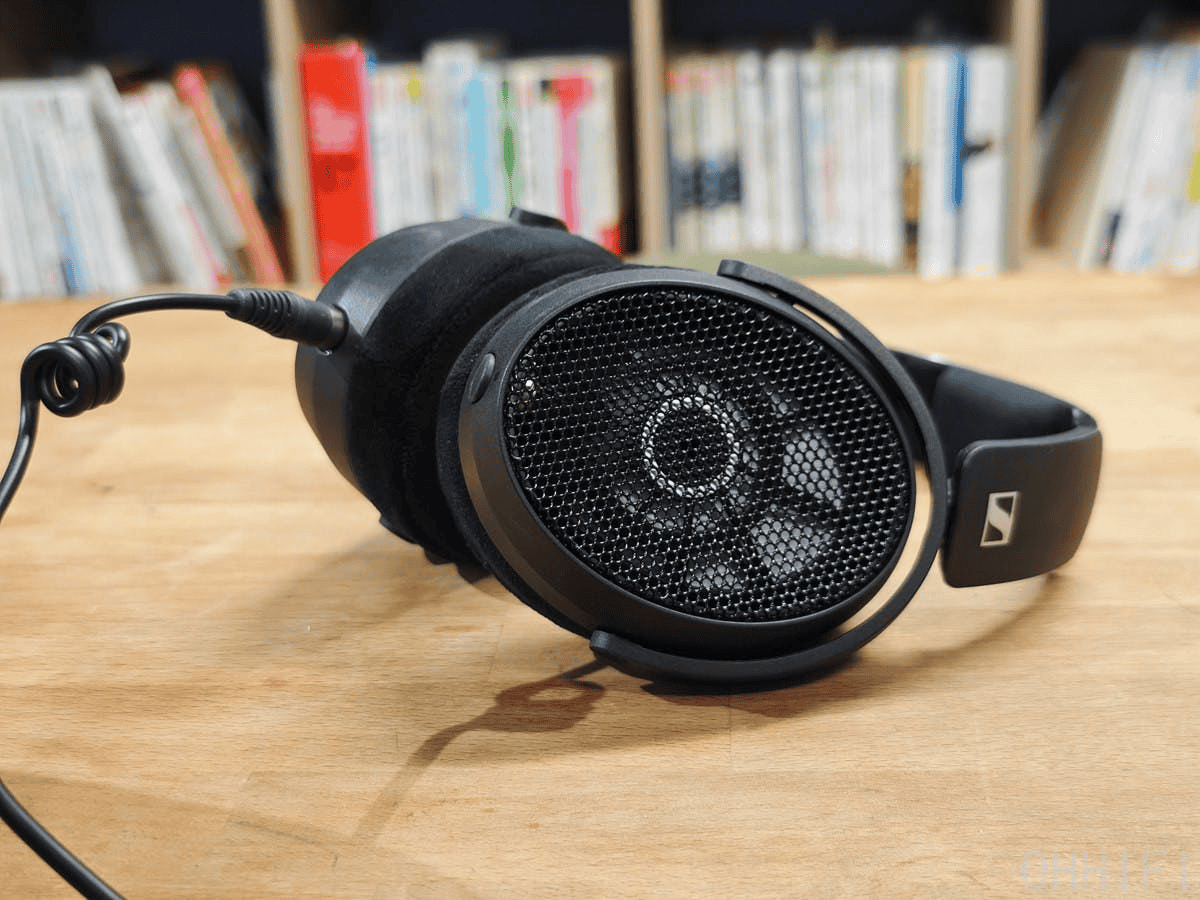
| Connector | Mini-XLR (L or R cup) |
Analysis: The 130-ohm impedance is a strategic "Goldilocks" choice. It is high enough to allow for good damping factor with professional studio gear (preventing bloated bass on high-output-impedance consoles), but sensitive enough to be driven to decent volumes by a MacBook Pro or a high-quality dongle DAC. It doesn't require a nuclear power plant to drive, unlike some planar magnetics.
7. The Dual-Pad Ecosystem: A Tale of Two Headphones
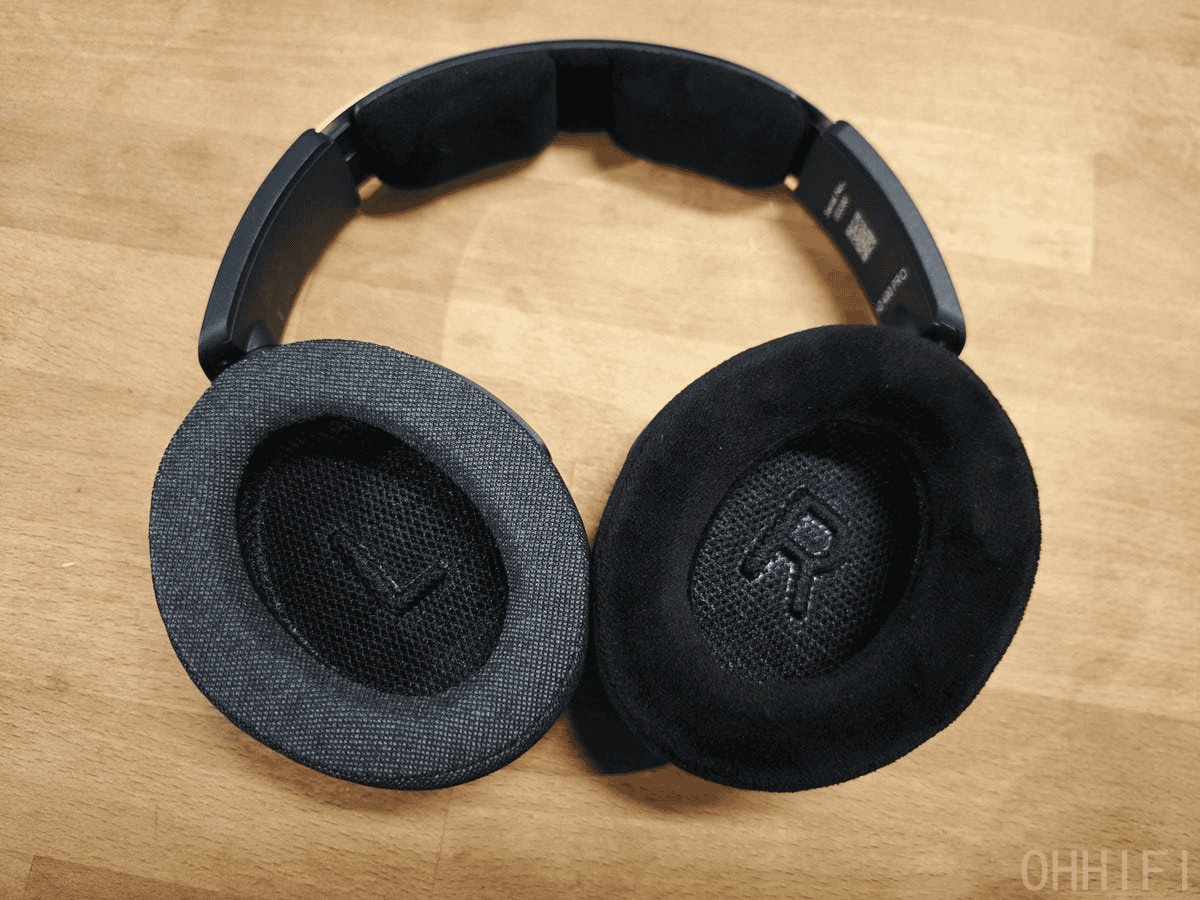
Most headphones treat ear pads as a consumable accessory. Sennheiser treats them as a tuning component. The HD 490 PRO ships with two distinct sets of pads—Producing (Velour) and Mixing (Fabric)—that radically alter the frequency response, effectively giving the user two headphones for the price of one.
7.1 The Producing Pads (Velour)
Material: Plush, soft velour.
Sonic Signature: Warm, bass-enriched, "musical."
The Experience: These pads introduce a gentle shelving boost in the low frequencies (approx. +4dB at 100Hz) and a slight smoothing of the treble.
Use Case: This configuration is designed for the "creative" phase. When you are tracking a beat, composing a melody, or just vibing to music, you want a sound that is inspiring. The added bass weight gives kick drums a satisfying "thump" and bodies up thin vocals. It mimics the response of a good car stereo or a hi-fi living room setup. It is non-fatiguing and fun.
7.2 The Mixing Pads (Fabric)
Material: Textured fabric (denim-like feel).
Sonic Signature: Flat, linear, mid-forward, analytical.
The Experience: Switching to these pads evaporates the bass bloom. The response flattens out remarkably. The midrange becomes the absolute star, pushing vocals and lead instruments forward. The upper-mids (2kHz-4kHz) are laid bare, allowing you to hear harshness, sibilance, or masking instantly.
Use Case: This is for the surgical phase. Panning, EQing, and balancing levels. If a mix sounds good on these pads, it will translate anywhere. They are less "enjoyable" for casual listening but invaluable for critical decision-making.
7.3 The Swap Mechanism
One critique worth noting is the mechanism itself. Unlike the magnetic pads of the Audeze or Dyson zones, the HD 490 PRO uses a plastic clip system. It requires a bit of force and finesse to swap them. While secure, frequent swapping feels like a risk to the plastic clips, leading many users to eventually pick a favorite and stick with it.
8. Sound Quality Analysis (General)
8.1 Tonality and Timbre
Sennheiser is renowned for "timbral accuracy"—making instruments sound like they do in real life. The HD 490 PRO continues this legacy but modernizes it. The "Sennheiser Veil" (a perceived recession in the treble found in older HD 600 units) is largely gone. The HD 490 PRO sounds faster, cleaner, and more open.
With the Mixing Pads, the tonality is strikingly neutral. It adheres closely to the modern preferences for flat response, avoiding the V-shape (boosted bass and treble) that plagues consumer gear. Piano notes decay naturally; violins have texture without screeching.
8.2 Dynamics and "Slam"
If there is an Achilles' heel, it might be "macrodynamics." While the bass extends deep (thanks to the LFC), it does not hit with the visceral physical impact of a Focal Clear or a high-end Planar. It is a polite, controlled bass. You hear the sub-bass clearly, but you don't feel it rattle your skull. For mixing, this is perfect (it prevents fatigue). For a bass-head looking for earth-shaking EDM drops, it might feel too polite.
9. Frequency Response Breakdown
9.1 Sub-Bass and Bass (20Hz - 250Hz)
Performance: Excellent extension, low distortion.
Analysis: Unlike the HD 650, which rolls off steeply below 80Hz, the HD 490 PRO maintains energy down to 30Hz.
Track Test: In Go Flex by Post Malone, the Producer pads render the bassline with a rich, blooming texture that envelops the listener without muddying the vocals. Switch to Mixing pads, and the bloom tightens up—you hear the attack of the synth bass more than the sustain.
9.2 The Midrange (250Hz - 4kHz)
Performance: Reference class.
Analysis: This is where Sennheiser lives. The mids are present and articulate. There is a slight dip around 2kHz (a common psychoacoustic trick to create soundstage depth) followed by a rise at 3kHz to restore vocal presence.
Track Test: On Noah Kahan’s Paul Revere, the grit and texture of his voice are palpable. The plucking of the acoustic guitar strings is separated clearly from the vocal reverb tails. The HD 490 PRO excels at separating "wet" (reverb) signals from "dry" (direct) signals, a critical trait for mixing engineers.
9.3 Treble and Air (4kHz - 20kHz)
Performance: Smooth, detailed, safe.
Analysis: The treble is tuned to be revealing but non-fatiguing. It avoids the ice-pick sharpness of the Beyerdynamic DT 1990 Pro. Some "air" frequencies (above 10kHz) are slightly rolled off compared to the Sony MDR-MV1, which gives the Sony a more "sparkly" but potentially artificial sound.
Track Test: Listening to complex cymbal work in jazz tracks, the decay is natural. Sibilance (the 'ssss' sounds) is presented accurately—if the recording is sibilant, you hear it, but the headphone doesn't add extra sibilance.
10. Soundstage and Imaging: The Spatial Era
The HD 490 PRO was born in the age of Dolby Atmos and Spatial Audio, and it shows.
10.1 Width and Depth
The soundstage is significantly wider than the HD 600 series. It breaks out of the "in-your-head" sensation, placing instruments in a sphere around the listener. It is not as cavernous as the legendary HD 800 S, but for the price, it is impressive. The depth—the ability to hear front-to-back layering—is particularly strong. You can clearly hear the drummer sitting behind the vocalist, not just on top of them.
10.2 Imaging and Localization
Imaging—the precision of where a sound comes from—is razor-sharp. This is likely due to the angled drivers and the phase coherence provided by the Open-frame Architecture. In a dense mix, you can pinpoint that the shaker is exactly 30 degrees to the right. This "phantom center" stability is rock solid.
11. Gaming Performance: The Secret Weapon
While marketed to producers, the HD 490 PRO has accidentally become a top-tier gaming headphone.
11.1 Competitive FPS (Valorant, CS2)
In tactical shooters, audio cues are life or death. The HD 490 PRO's neutral tuning (with Mixing pads) and precise imaging make it a "wallhack" for your ears. You can hear footsteps clearly without the muddy bass explosions drowning them out. In comparisons, users found it offered better verticality (hearing enemies above/below) than the DT 900 Pro X.
11.2 Immersive Gaming
For open-world games (like Cyberpunk 2077 or Elden Ring), the Producer pads add the necessary cinematic weight to explosions and engines, while the wide soundstage creates a convincing atmosphere. The comfort means you can raid for 6 hours without a headache.
12. The "Pro" Features: Mix Translation
12.1 Translation Check
The ultimate test of a studio headphone is not how good it sounds, but how well the mix translates to other systems (cars, phones, Bluetooth speakers). The HD 490 PRO (Mixing pads) is brutally honest. It does not flatter your mix. If your low-mids are muddy, it tells you. Engineers report that mixes done on the HD 490 PRO require fewer car-test revisions than those done on "hyped" headphones.
12.2 dearVR MIX-SE Integration
Included with the headphones is a license for the dearVR MIX-SE plugin. This software sits on your DAW's master bus and simulates the acoustics of perfect mixing rooms (Mix Room A, Mix Room B) or common environments (Car, Club, Living Room).
Is it a gimmick? For a professional with a treated room, maybe. But for the bedroom producer mixing on headphones, it is a game-changer. It introduces crossfeed (hearing the left speaker in the right ear) and room reflections, helping to check spatial balance and reverb levels in a way that pure headphone monitoring cannot. It effectively turns the HD 490 PRO into a virtual control room.
13. Comparison with Competitors
The $400 segment is a bloodbath of high-quality options. Here is how the HD 490 PRO stacks up.
13.1 vs. Sony MDR-MV1
Philosophy: The Sony is built for fun and spatial. It has a "smiley face" curve with boosted sub-bass and sparkly treble.
Sound: Sony has more "wow" factor and deep rumble. Sennheiser is more neutral and mid-focused.
Comfort: Both are light, but the Sony has a thin headband that can create a hotspot. Sennheiser's split headband is superior.
Verdict: Pick Sony for immersive listening, gaming, and checking Atmos bass. Pick Sennheiser for mixing, vocals, and long-term neutrality.
13.2 vs. Beyerdynamic DT 1990 Pro
Philosophy: The Beyer is a German tank. Metal build, aggressive sound.
Sound: The DT 1990 Pro has a notorious treble spike (the "Beyer Peak") that reveals every click and pop but causes fatigue quickly. The HD 490 PRO is much smoother.
Build: Beyer wins on durability (metal vs plastic), but loses on weight. The Beyer is heavy.
Verdict: The DT 1990 Pro is a microscope for audio repair. The HD 490 PRO is a telescope for the whole picture. The Sennheiser is far more comfortable.
13.3 vs. Neumann NDH 30
Philosophy: Neumann (owned by Sennheiser) offers a premium, aluminum construction.
Sound: The NDH 30 is darker, smoother, and has slightly better resolution/layering. It sounds more "expensive."
Price: The NDH 30 is nearly double the price ($649).
Verdict: The NDH 30 is technically superior in resolution, but the HD 490 PRO offers 95% of the performance at a much lower price and better comfort.
14. Amplification and Synergy
With an impedance of 130 Ohms and sensitivity of 105 dB/Vrms, the HD 490 PRO is "medium" to drive.
Laptop/Phone: Playable volume, but dynamics may feel soft.
Audio Interface (e.g., Scarlett 2i2, UA Apollo): Drives them perfectly well.
Dedicated Amp (e.g., JDS Labs, Topping): Opens up the bass control and soundstage.
The HD 490 PRO scales well. It reveals the quality of the DAC/Amp chain, but it is not "picky." You don't need a $1000 amp to enjoy them, but a clean solid-state amp helps the LFC system tighten up the low end.
15. The Value Proposition
At $399, the HD 490 PRO is not cheap. However, considering it includes two sets of pads (effectively two sound signatures), a high-quality cable, and the dearVR software, the value is high. It replaces the need for owning both a "fun" headphone and a "reference" headphone. The durability and modularity ensure it is a long-term investment, amortizing the cost over years of use.
16. Final Verdict: The New Reference?
The Sennheiser HD 490 PRO is a triumph of pragmatic engineering. It does not chase the infinite resolution of the HD 800 S nor the warm, lush embrace of the vintage HD 650. Instead, it carves out a new identity: Adaptability.
It is a chameleon. With the Producer pads, it is a joy machine, capable of rendering modern pop and electronic music with the weight and warmth it requires. With the Mixing pads, it becomes a laboratory instrument—cold, precise, and honest. The Open-frame Architecture and Low-frequency Cylinder successfully solve the historic problems of open-back designs, delivering a sound that is both spacious and grounded.
For the audiophile, the HD 490 PRO is the "Goldilocks" headphone—comfortable enough to wear all day, detailed enough to rediscover a library, and tuned accurately enough to hear the artist's true intent. For the professional, it is a reliable truth-teller that won't break your neck during a double shift.
It may lack the metal jewelry feel of its more expensive rivals, but it trades that vanity for pure, unadulterated functionality. In the war of mid-fi titans, Sennheiser has just deployed a very quiet, very comfortable heavy hitter.
Pros:
Supreme Comfort: Split headband and light weight make it invisible.
Dual Personalities: Two distinct, usable sound signatures via pads.
Bass Extension: LFC technology delivers linear sub-bass.
Translation: Mixes translate exceptionally well to other systems.
Modularity: Fully repairable design.
Cons:
Pad Swap Mechanism: Plastic clips are finicky compared to magnets.
Build Materials: All-plastic build may feel "cheap" to some for $400.
Macrodynamics: Lacks the visceral "slam" of some dynamic/planar competitors.
Final Score: 9.2/10 – An essential audition for anyone serious about sound, whether you are making it or just listening to it.
Comparison Summary Table
| Feature | Sennheiser HD 490 PRO | Sony MDR-MV1 | Beyerdynamic DT 1990 Pro | Neumann NDH 30 |
| Sound Profile | Neutral/Adaptable (2 pads) | V-Shape / Spatial Fun | Bright / Analytical | Warm / High-Res |
| Comfort | 9.5/10 (Top Tier) | 8.5/10 (Hotspot issue) | 7/10 (Heavy clamp) | 8/10 (Heavy) |
| Bass Quality | Linear, Deep Extension | Boosted Sub-Bass | Punchy, Fast | Textured, Deep |
| Treble Quality | Smooth, Non-fatiguing | Sparkly, Detailed | Sharp, Peak @ 8kHz | Smooth, Darker |
| Build Quality | Plastic / Modular | Plastic / Lightweight | Metal / Tank-like | Aluminum / Premium |
| Best Use Case | Mixing & Long Listening | Spatial Audio & Gaming | Audio Repair & FPS | Mastering & Hi-Fi |



Comments