
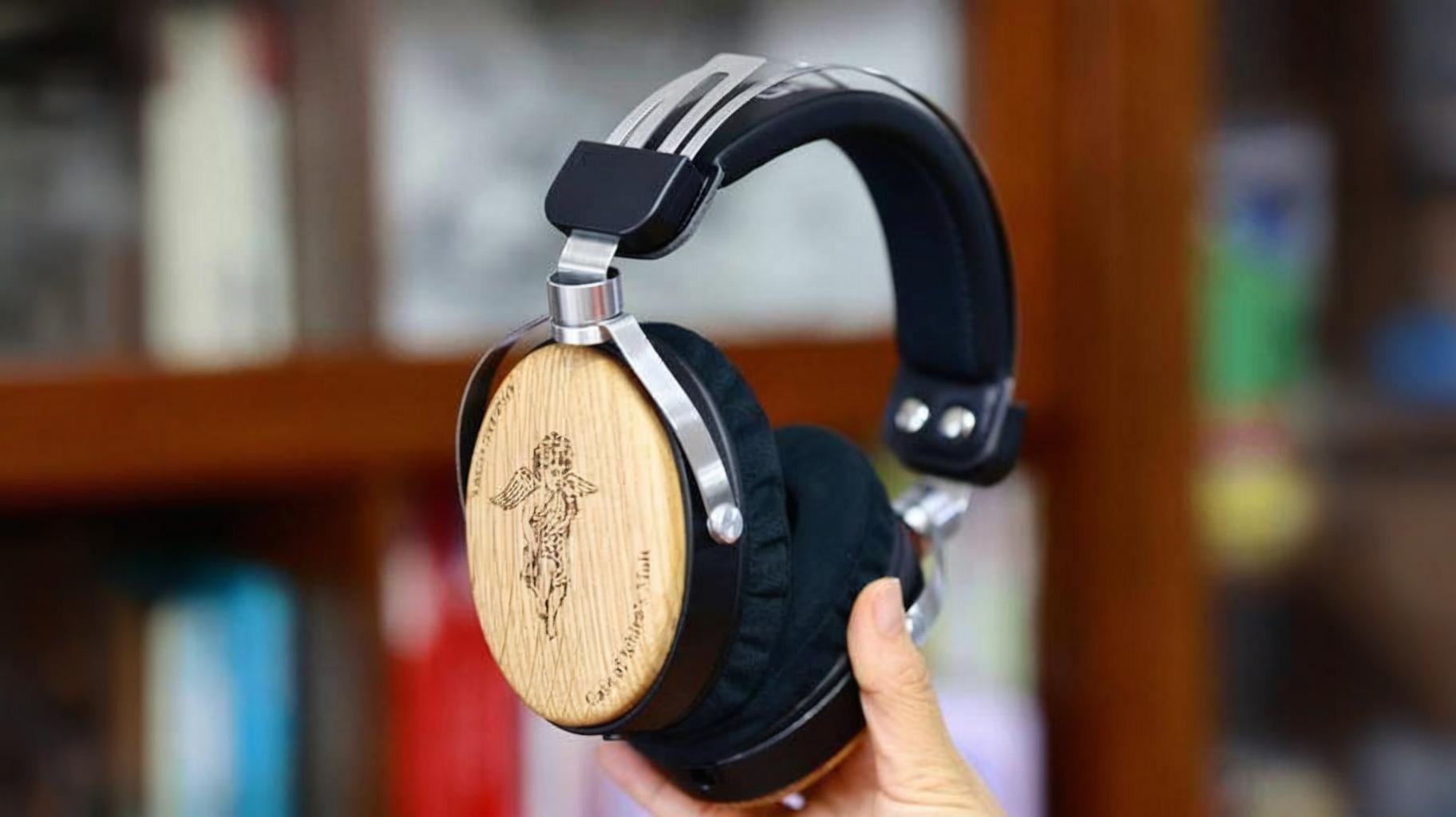
Tago Studio Historic Phone Review: Whisky-Cask Oak, Japanese Tuning, and a $700 Question

You can tell a lot about a headphone by what its marketing chooses to lead with. When the first thing you read is "reclaimed oak from Ichiro's Malt whisky barrels," you already know two things: this is a niche product aimed at people who care about stories, and someone in the marketing department is going to sleep very well tonight. The Tago Studio Historic Phone — officially the T3-HST in its Ichiro's Malt guise — is the sort of headphone that makes audio forums either sigh or lean in, with very little middle ground.
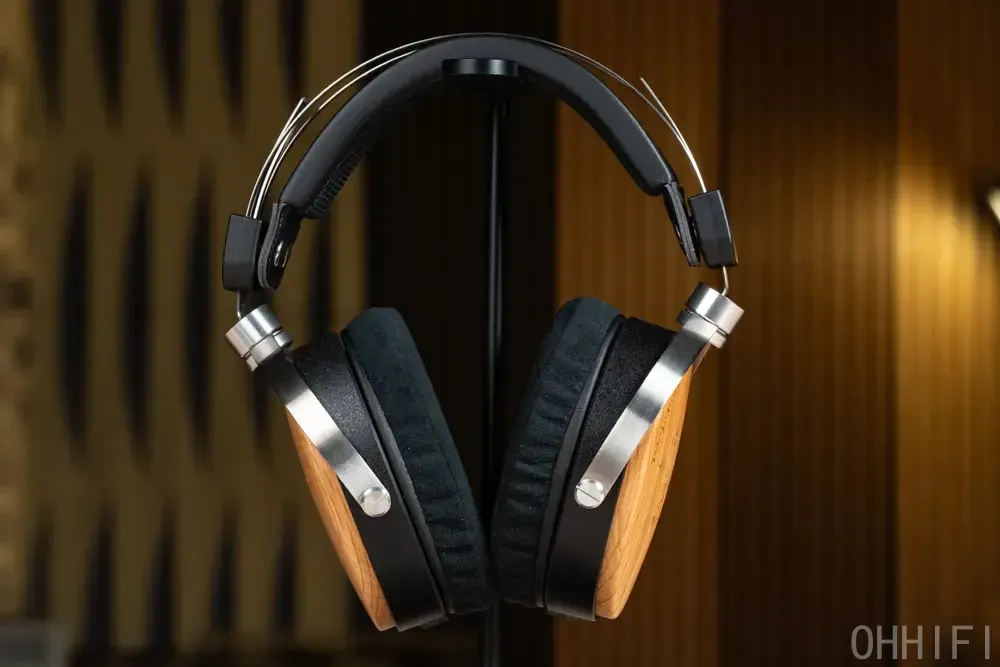
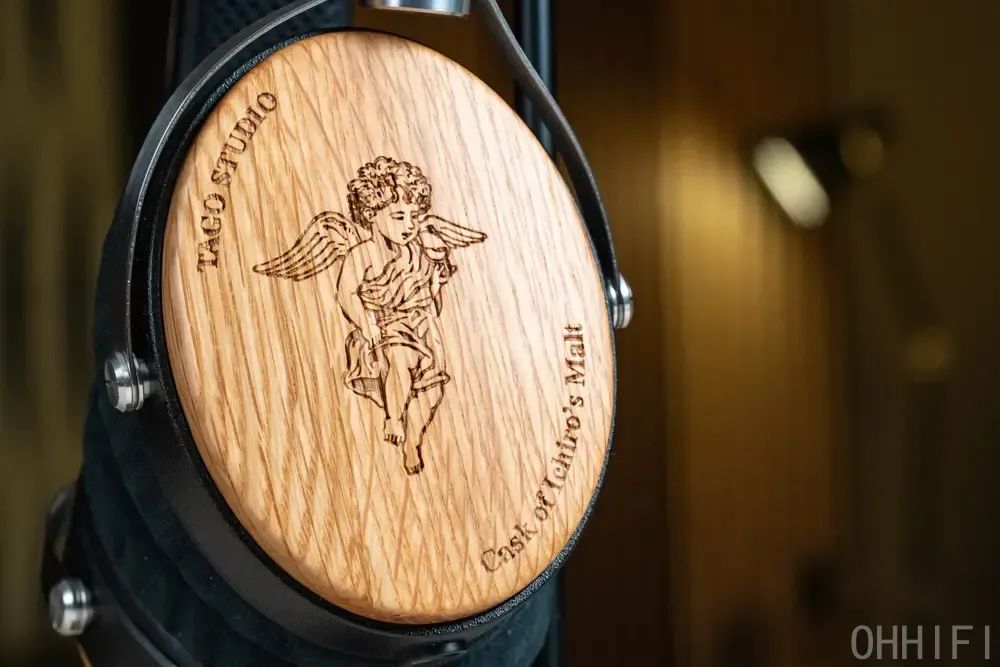
Here's the thing though. Strip away the whisky-barrel copy, the "Angel's Share" angel etched on the cup, and the limited-edition scarcity, and what you're left with is a closed-back T3-01 with reworked housings and — if the brand is to be believed — a mildly different tuning. That's a perfectly ordinary thing to evaluate. The story is a distraction. The sound is not.
Quick Specs
| Specification | Details |
|---|---|
| Type | Closed-back, over-ear dynamic |
| Driver | 40mm dynamic, silk-protein coated diaphragm |
| Impedance | 70 Ω |
| Sensitivity | ~100 dB SPL/mW (spec varies by source, 100–110 dB) |
| Frequency Response | 5 Hz – 40 kHz |
| Max Input | 1,000 mW |
| Weight | Approx. 321 g (without cable) |
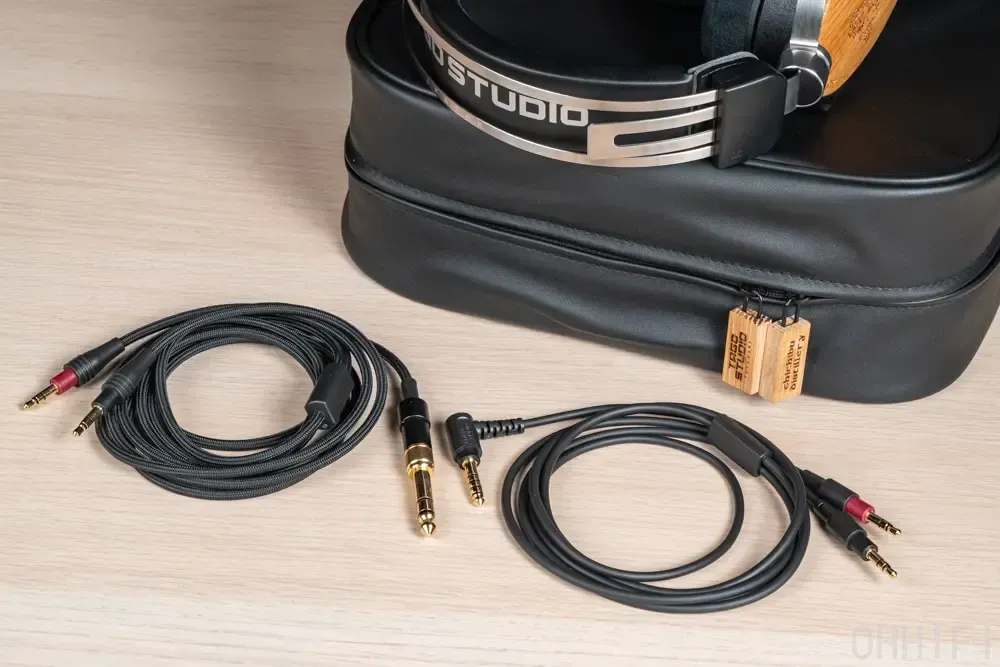
| Cable | 1.8 m detachable, 3.5 mm with 6.3 mm adapter |
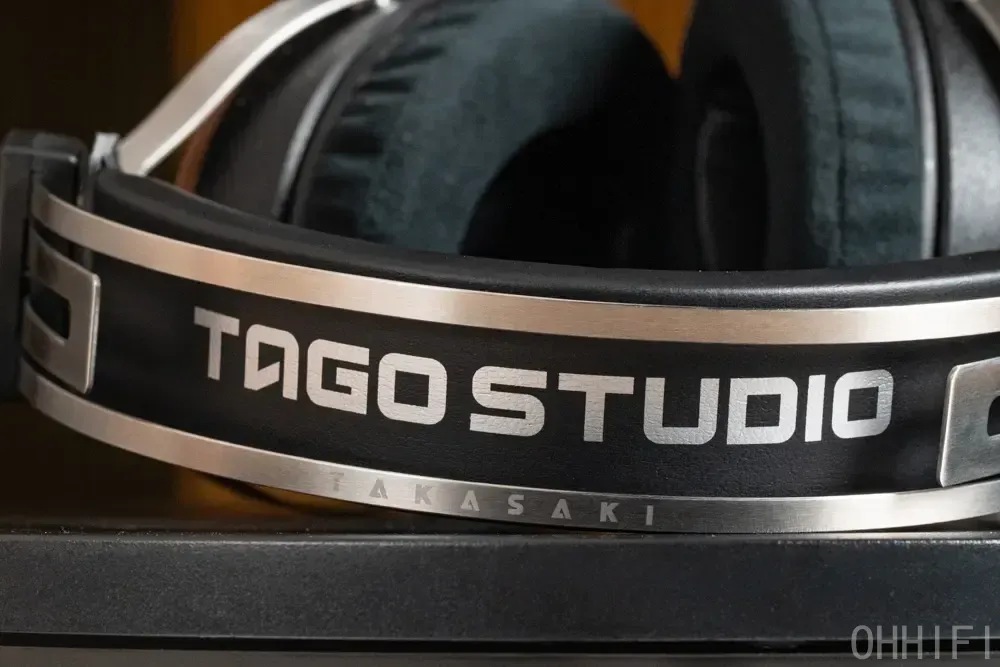
| Housing | Reclaimed American white oak (Chichibu whisky barrels) + stainless steel |
| MSRP | ~$700 USD / S$729 (limited availability) |
Design, Build & Industrial Design: Small-Shop Japanese, Unmistakably
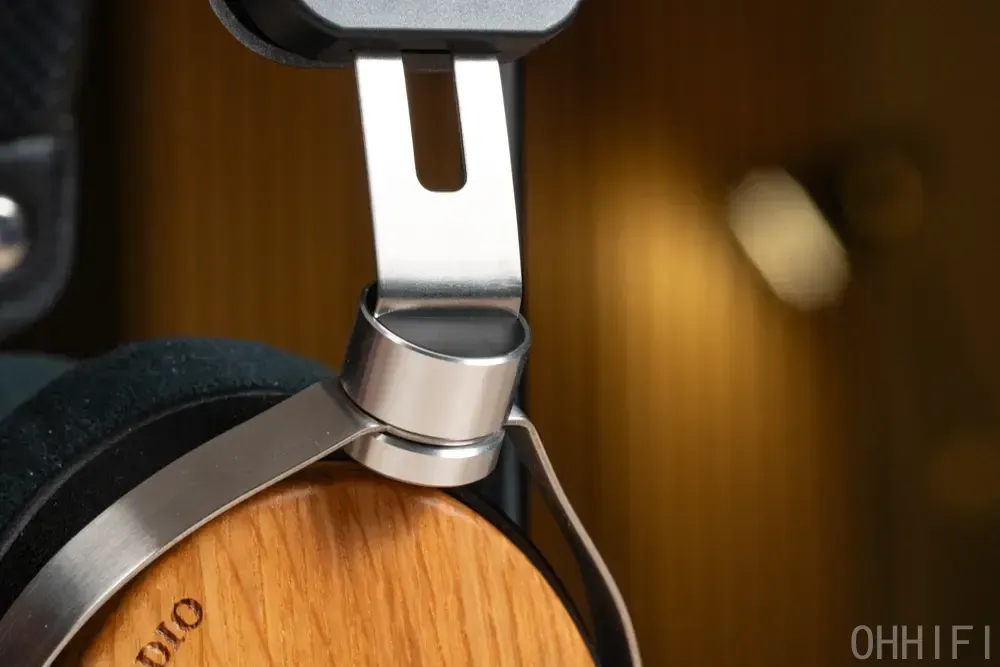
Pick this headphone up and it announces itself as hand-finished rather than injection-molded. The stainless steel yoke frame is the bit that sells the build quality — it's rigid, thin, properly tensioned, and refuses to creak. The oak cups carry visible grain, char marks, and tonal variation cask-to-cask, which is either a charming feature or a quality-control issue depending on your relationship with "patina." I find the variation appealing. Tago Studio makes these in Takasaki, Gunma, in small batches, and the unit-to-unit inconsistency is part of the honesty.
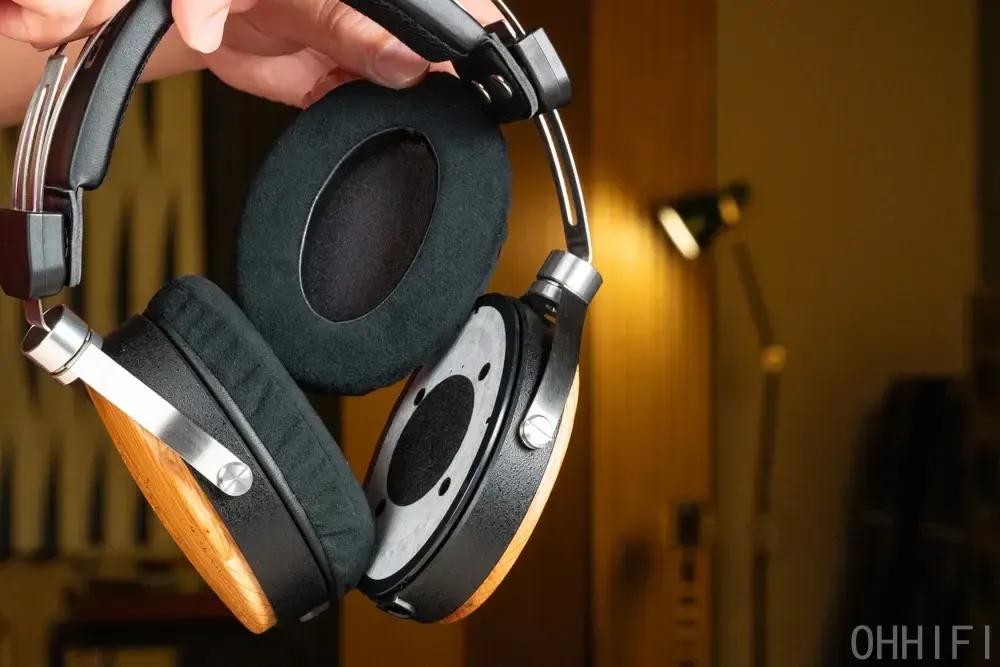
Comfort is a more complicated story. The pads are flannel-wrapped, soft, and on the thin side. Head-Fi users have been replacing them with Brainwavz ovals or ZMF suede pads for years to get more ear-to-driver clearance, because the stock pads leave your ears brushing the inner foam. After a weekend of sessions running three or four hours, I understand both camps — the flannel pads feel gentle and well-vented at first, but the shallow depth does creep up on you. The steel headband arc distributes clamp well, and at 321 grams these sit squarely in the "comfortable for long sessions" tier, but I'd still budget for aftermarket pads.
Cable termination is a 3.5 mm jack into each cup — with a specific caveat. The cup holes are narrow and deep, so many third-party cables with fatter sleeves won't physically fit. If you plan to run balanced, buy a Tago-compatible or Meze-style cable, not a ZMF plug. This is the kind of detail that isn't in any spec sheet and costs you an afternoon when you find out.
The Sound: Wood-Warmth with Japanese Restraint
Bass: Quantity-Modest, Quality-High
The Historic Phone is not a bass headphone and was never meant to be. Sub-bass extends well enough on paper — the 5 Hz spec is nominal, of course — but in real listening what you get is a controlled, textured low end that's slightly rolled off in impact rather than extension. On Marvin Gaye's What's Going On, the upright bass has proper physical shape and woody resonance; you hear the instrument rather than a low-end event. Switch to something percussive like Massive Attack's Angel and you'll feel the limits. There's authority, but no slam. Anyone coming from a Denon D5200 or Fostex TH610 will immediately notice what's missing.
What I'd say, based on cross-referencing multiple listener impressions and the Historic Phone's pitch against the base T3-01, is that the cask oak housing tightens the bass texture slightly versus the maple-cupped standard model. The difference is real but small — you're paying a premium for incremental refinement, not a transformed signature.
Midrange: The Whole Reason to Own This
This is where the Tago house sound earns its reputation. Vocals, acoustic guitar, saxophone — anything voiced in the 300 Hz to 3 kHz range gets rendered with a kind of wooden, breathy naturalism that's genuinely uncommon at this price. Put on Norah Jones' Come Away With Me and there's an intimacy to the vocal delivery — breath detail, throat texture, the way the piano sits slightly behind her — that makes the headphone's other weaknesses forgivable. Chet Baker's trumpet on My Funny Valentine has the right amount of air column and brass bite without any honk or glare.
The midrange isn't perfectly neutral — it's gently warm, with what I'd call a "lived-in" coloration rather than a studio-flat response. That's the Tago design intent. These were tuned by a recording studio for recording studios, yes, but they clearly weren't tuned for flat measurement. They were tuned for "does this sound like the room we mixed it in." That's a distinction worth understanding before you spend $700.
Treble: Smooth, Polite, Occasionally Too Polite
Forum consensus and my listening align closely here: the top end is refined, non-fatiguing, and slightly recessed versus a reference target. Cymbals have shimmer but not crunch. Violins are silky rather than sharp. Some listeners report mild sibilance sensitivity in certain recordings — that's consistent with a mid-treble emphasis that isn't fully tamed — but on the whole, this is a headphone you can listen to for hours without wincing.
On Dire Straits' Telegraph Road, the acoustic guitar harmonics have natural decay, but the cymbal work in the climax lacks the bite and extension a Focal Celestee would bring. Trade-offs. The Historic Phone leans intentionally warm, and if you want airy/crisp up top, look elsewhere.
Soundstage & Imaging: Small but Well-Proportioned
Closed-backs struggle here as a category, and the Historic Phone doesn't rewrite the rules. The stage is modest in width, slightly deeper than wide, and pulled close to the head — some listeners describe it as "in-your-face," which tracks. The drivers sit close to the ear due to the shallow pad depth, and that compresses the perceived space.
Instrument separation is actually a strong suit within the stage it does create. On Bill Evans Trio's Waltz for Debby, I can place the piano, bass, and drums cleanly in their lanes, even if the lanes themselves are narrow. For acoustic jazz and small-ensemble work, this is enough. For Mahler symphonies or Tool's Fear Inoculum, it's going to feel cramped.
Measured Performance
Here's where I'll be direct: none of the major measurement databases — not Crinacle's, not ASR, not RTINGS — has published a full measurement set of the Historic Phone specifically, likely because it's a limited edition with restricted Western distribution. The underlying T3-01's measurements that do circulate in enthusiast channels broadly support the listening impressions above: a warm-neutral tilt with a gentle mid-bass rise, recessed lower treble, and mildly elevated upper treble.
The silk-protein-coated 40 mm driver is a real, non-gimmick choice — silk as a diaphragm coating material has legitimate physical benefits (damping, low resonance), and Tago developed this in collaboration with the Gunma Prefectural Textile Industrial Lab. I don't love every part of this headphone's pitch, but the driver technology is not marketing fluff.
Until someone like Crinacle or the ASR community puts this specific variant on a fixture, treat all measurement commentary as inferred from the T3-01 base model.
Test Setup
Evaluated through my desktop chain — a solid-state DAC feeding an OTL tube amp — with the Historic Phone's stock cable. Given the 70 Ω impedance and high sensitivity, the OTL pairing is well-matched on paper and played out that way in practice; there's enough voltage swing and output impedance interaction to bring out the headphone's tonal warmth without softening transients further. Also cross-checked from a portable dongle DAC to verify the forum consensus that these drive easily from modest sources — they do, but the desktop chain gave meaningfully better bass control and midrange density.
Test material spanned vocal jazz (Norah Jones, Chet Baker, Diana Krall), acoustic rock (Fleetwood Mac Rumours, Dire Straits Brothers in Arms), small-ensemble classical (Bill Evans Trio), and a handful of electronic cuts (Bonobo, Massive Attack) to probe the low end.
The Competition
| Rival | Price (USD, approx.) | vs Historic Phone | Verdict |
|---|---|---|---|
| Fostex TH610 | ~$600 | More bass slam, more V-shaped, less natural mids | Better for rock/electronic |
| Audio-Technica ATH-WP900 | ~$700 | Similar Japanese wood-cup aesthetic, more energetic treble | More fun, less refined |
| Denon AH-D5200 | ~$500 | Deeper bass extension, warmer still, less detailed | Better value if you want warm |
| Meze Liric (1st gen) | ~$1,500 | Far more technical, wider stage, better bass | Different league, different price |
The Fostex TH610 is the closest technical competitor and arguably the better headphone for most listeners, unless you specifically want the Tago's vocal presentation. The ATH-WP900 is a more energetic Japanese alternative. The Historic Phone is narrowly — and I do mean narrowly — aimed at the listener who prioritizes vocal naturalism and build story over technical muscle.
Verdict: 7.5/10 — A Wait
The Historic Phone is a genuinely musical headphone wrapped in a genuinely excessive marketing package. The sound is real and worth hearing; the pricing is 30–40% above what the base T3-01 goes for and asks you to pay a meaningful premium for slightly different wood and a story. If you can find the base T3-01 at $500-ish, that's probably where the smart money sits. The Historic Phone becomes a buy only if you specifically want the oak-barrel housing as an object, or the brand is running the limited edition at parity with the base model.
At $700 full retail, this is a wait — either wait for a non-limited variant, wait for secondhand pricing to soften, or wait to audition it against an ATH-WP900 and see which tuning you prefer.
Pros
- Genuinely engaging midrange for vocals, acoustic, and small-ensemble jazz
- Excellent physical build quality; steel yoke and hand-finished oak cups
- Non-fatiguing, long-session-friendly tuning
- Easy to drive from modest sources (70 Ω, high sensitivity)
- Limited-edition collectibility (if that matters to you)
Cons
- Technical performance — imaging, detail retrieval, separation — is merely fine at this price point
- Soundstage is closed-back-typical, somewhat claustrophobic
- Shallow stock pads cause ear contact for larger ears; most owners swap them
- Cable socket geometry restricts third-party cable options
- ~30% premium over the base T3-01 is hard to justify purely on sound
Who Should Buy / Who Should Skip
This is for you if you mostly listen to vocal-led jazz, acoustic singer-songwriter material, and small-ensemble classical; if Japanese small-shop craftsmanship and unique materials matter to you as much as raw performance; and if you already own something more technical for the times you want slam and stage (say, an open-back for home and this for focused evening listening).
Look elsewhere if you want a closed-back bass monster (get a TH610 or a D7200), if you need a wide soundstage for orchestral or film work, or if you're price-sensitive and the 30% Historic Phone premium over the standard T3-01 feels like paying for wood rather than sound. The base T3-01 gets you most of what makes this headphone special, at a meaningfully lower price.


Comments