
The Focal Bathys Review: An Audiophile's Surrender to Wireless?

Focal's first ANC headphone tries to bridge the chasm between high-fidelity and real-world convenience. It gets agonizingly close.
The Audiophile's Dilemma
For years, the high-end headphone market has been split by a frustrating binary. On one side, you have the tech giants. Sony, Bose, and Apple have mastered convenience, building headphones with class-leading Active Noise-Canceling (ANC) that create a magical cocoon of silence. But for the discerning audiophile, their audio is often just... "good enough." It's processed, bass-heavy, and lacks the air, detail, and soundstage we crave.
On the other side, you have the high-fidelity stalwarts. Think of Focal's own open-back masterpieces, or planar-magnetic wonders from Hifiman. They sound glorious, painting vast, detailed sonic landscapes. But they are wired, often require a dedicated amplifier, and are utterly useless on a train or airplane.
This left a gap. A chasm.
In the last few years, a new "super-premium" wireless category has emerged to fill it, with contenders like the Bowers & Wilkins Px8, the Mark Levinson No. 5909, and the Apple AirPods Max. And now, Focal—a pillar of French high-end audio—has entered the fray.
This is a big deal.
Their entry is the Bathys. The name, derived from "bathyscaphe," the deep-sea exploration vehicle, is meant to embody "calm, depth and absolute silence". The central question is obvious: Can the Bathys be both a legitimate, audiophile-grade Focal headphone and a legitimate, road-worthy travel headphone? Or, in trying to be both, has it become a master of neither?
Build, Comfort, and That Focal Look
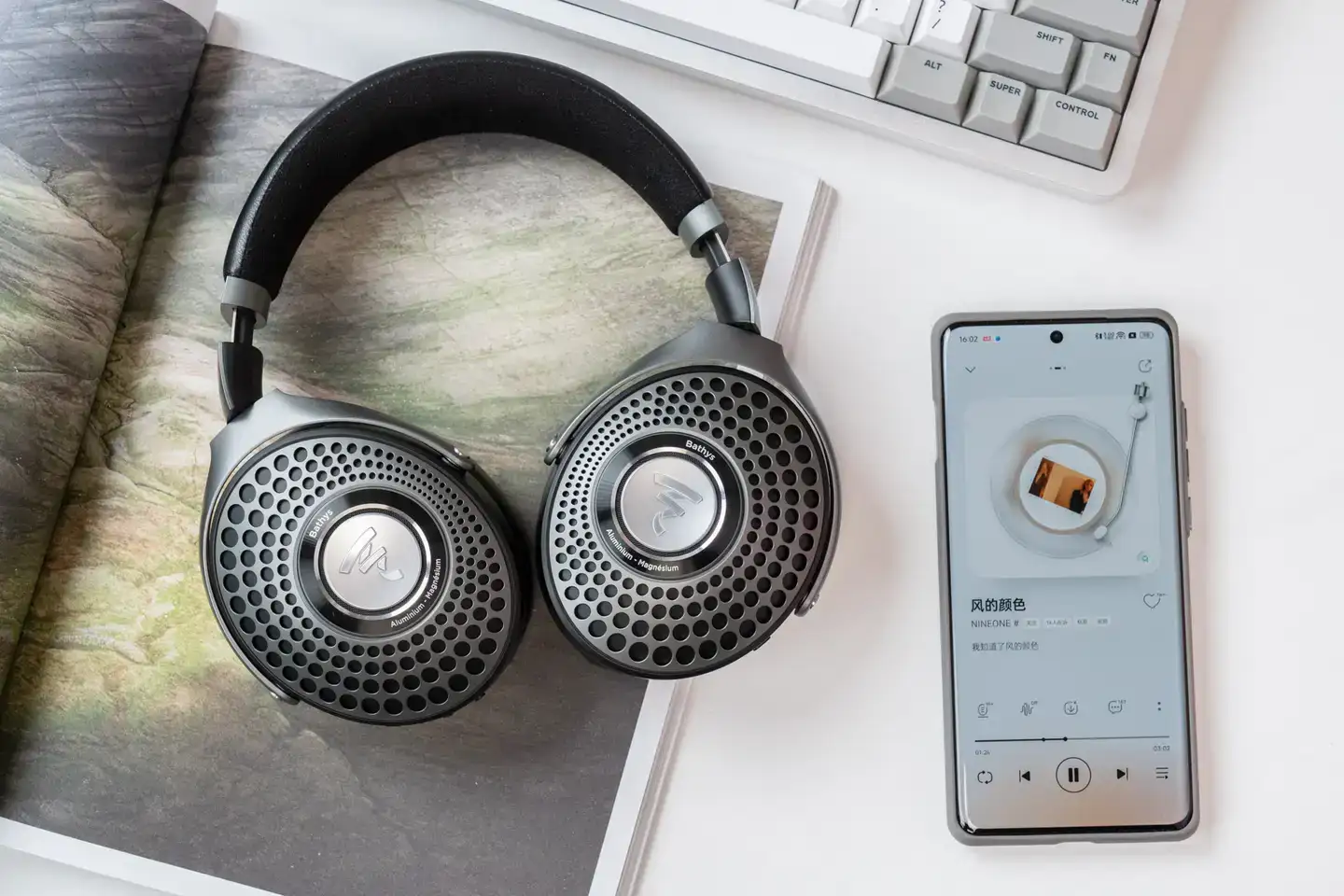
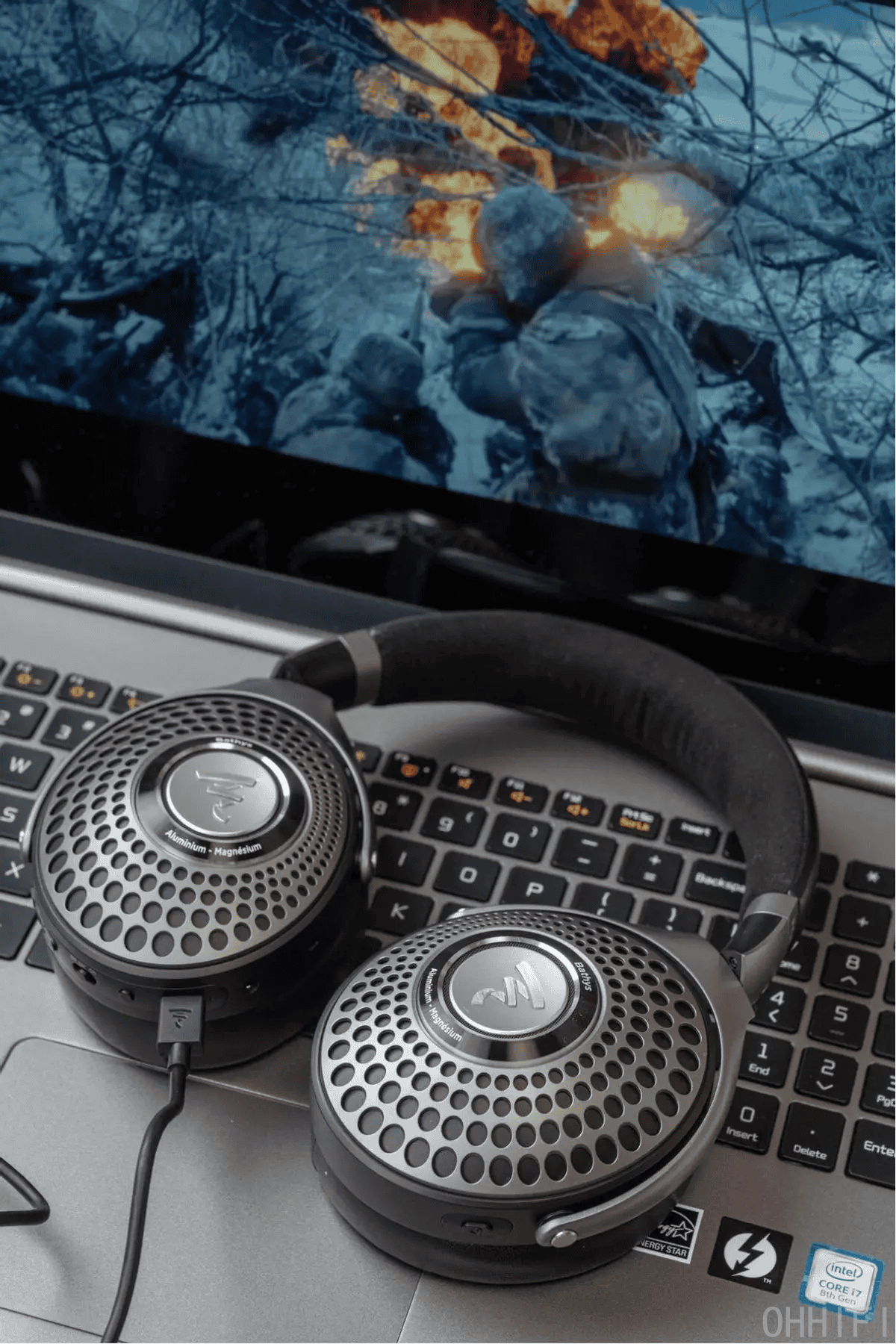
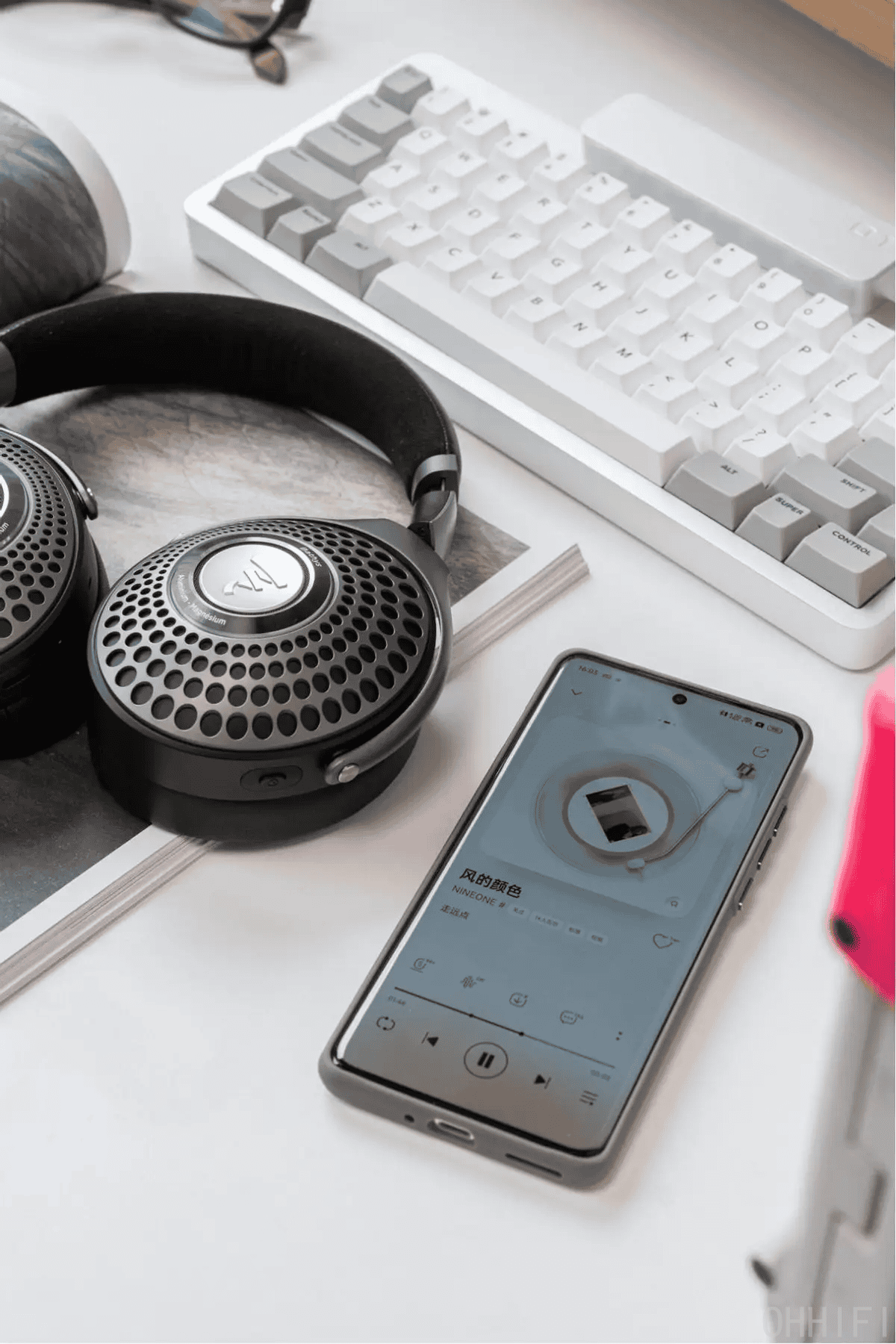
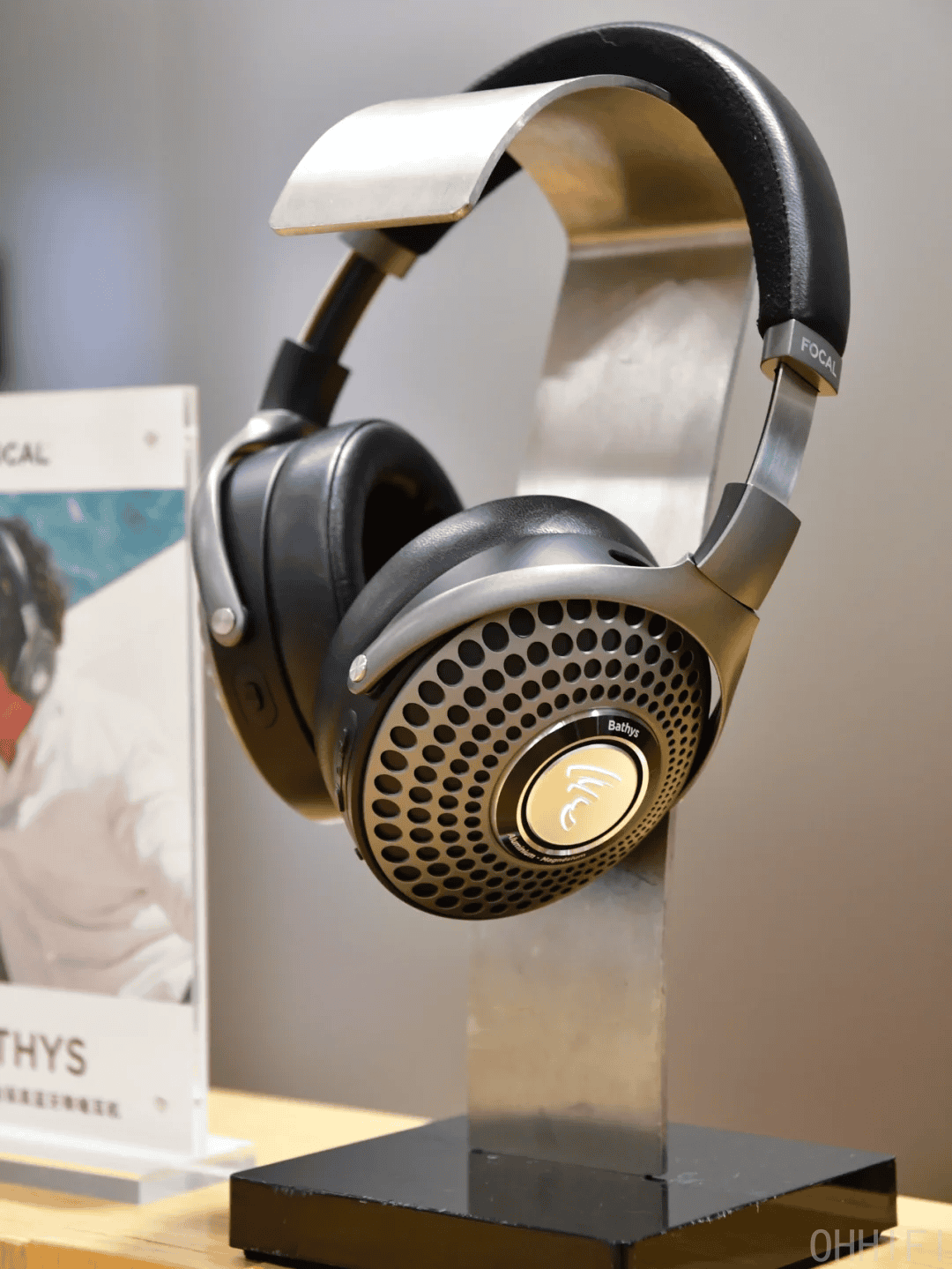
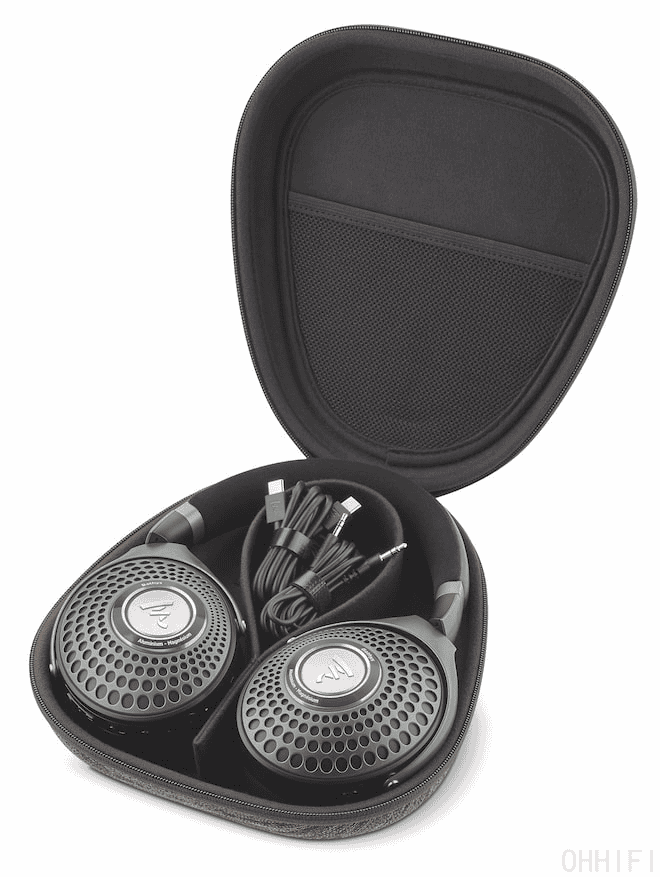
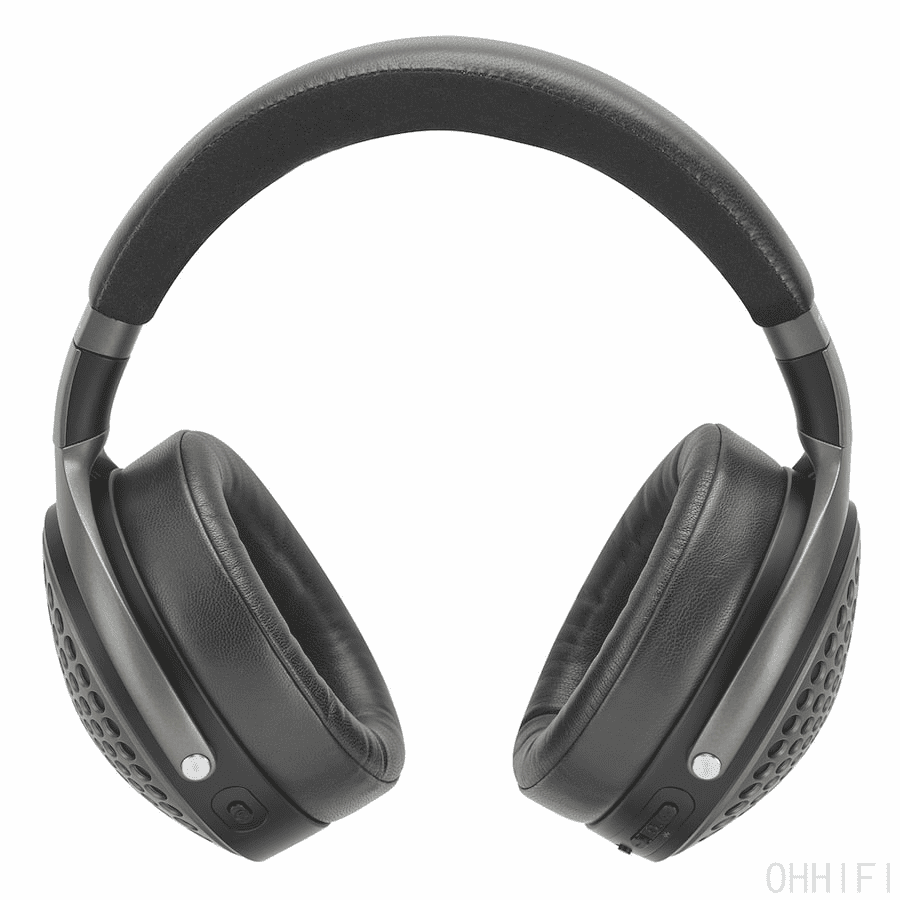
From the moment you unbox them, the Bathys feels premium. The materials are a clear step above the plastic-dominated mainstream. You get genuine leather gracing the headband and plush memory foam in the earpads. The frame and yokes are a sophisticated, durable mix of aluminum and magnesium, an engineering choice that balances luxury with the practical goal of saving weight.
The aesthetic is unmistakably Focal, with the signature "M-shaped" grilles and circular patterns on the earcups. They also come with a high-quality, heather-gray hard-shell case that feels more bespoke than the boring black cases from competitors.
And then there's that "cool feature": the backlit, illuminated flame logo on each earcup. It's a bit of a "look at me" statement. Some will love it. Others, as one reviewer dryly noted, will turn it "off immediately because I'm dead inside".
Comfort & Ergonomics
Comfort, however, is where the subjectivity kicks in. At 350g, the Bathys is a substantial headphone. It’s heavier than a Bose QuietComfort, but mercifully lighter than the 384.8g Apple AirPods Max or Focal's 435g wired Stellia.
The fit is best described as "snug". The clamping force is firm, which is excellent for a good acoustic seal, but it can lead to warm ears after a while. The earpads, while high-quality, are noted by some as being "on the smaller side". The headband is perhaps the most divisive part. Some find it perfectly comfortable for long-haul flights, while others report getting "a hot spot on the top of my head" and wish there was "a bit more cushioning underneath".
This isn't a design flaw, but a design choice. The Bathys appears to be engineered not for the "all-day, forget-it's-on" comfort of a lighter Sony, but for the rigid, secure fit required to maximize acoustic performance.

The First Flaw: The Buttons
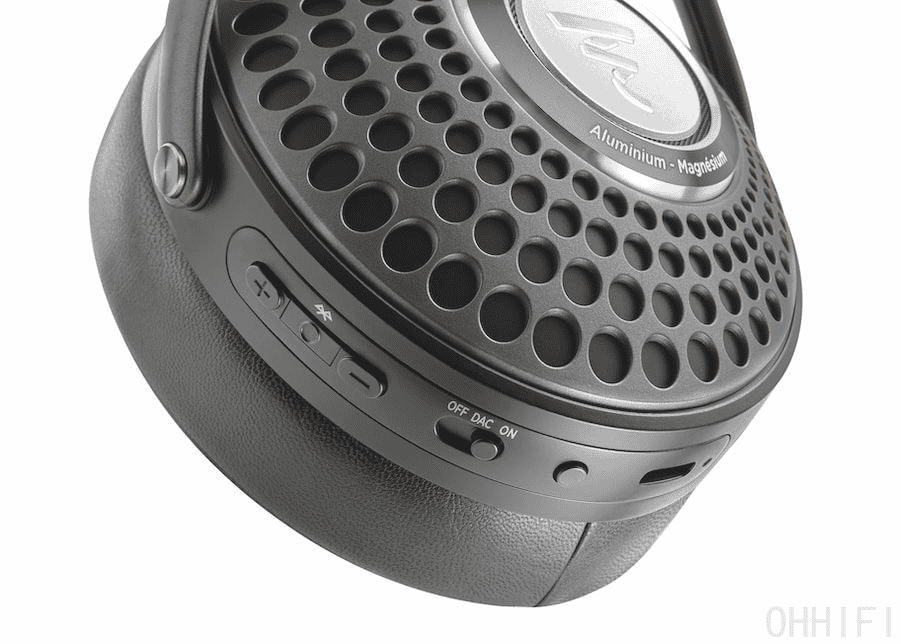
For all the magnesium and leather, there's a curious "cent-saving" decision. A common complaint centers on the controls, which are described as "awful," "cheap," or "plasticky".
It's a jarring contrast to the otherwise premium build. However, this isn't the whole story. Other reviews praise these same controls for being "reliable, tactile button-controls" and not the "finicky, "touch sensor nightmare"" that plagues many rivals. They are "intuitive" with "enough physical variation to easily discern between them".
Again, this points to a specific philosophy. Focal chose "no-look" reliability, a feature a true listener would value, over the "sleek" but impractical touch-swipe gestures of a "tech" product.
Features, Functionality, and Frustrating Flaws
As a modern wireless headphone, the Bathys has a checklist to complete. It gets most of it right.
The Brains: Connectivity & Codecs
You get Bluetooth 5.1, complete with multipoint pairing to connect to a phone and laptop simultaneously. For codecs, it supports the basics (SBC, AAC) plus the high-quality aptX and aptX Adaptive. The lack of aptX Lossless or LDAC is a mild surprise for an "audiophile" headphone, and some critics note that even aptX Adaptive can sound "compressed" or deliver a "dirty" treble compared to a wired source.
Battery Life: Good, Not Great
Focal claims 30 hours of playback with Bluetooth and ANC enabled. In standardized testing, it actually beat that, landing at 31 hours and 30 minutes. Other real-world tests (listening loudly) brought it closer to 25 hours. This is solid, but it's dwarfed by the 60-hour marathon of the Sennheiser Momentum 4.
A 15-minute fast charge provides 5 extra hours of juice. The battery life is even better when wired: 35 hours via the 3.5mm jack and 42 hours in USB-DAC mode.
But there's one critical, non-negotiable detail: The Bathys cannot be used in a passive mode. If the battery is dead, they are a $799 paperweight. Power is always required. This, combined with a non-user-replaceable battery, is a significant blow to long-term "Buy It For Life" prospects.
The "Good Enough" Checkmarks
The companion app (iOS/Android) is serviceable, offering an equalizer to "tweak the sound". This is a welcome feature, as the default flat profile may leave some users wanting to boost the bass.
Call quality, using "Clear Voice Capture" technology across eight microphones, is also serviceable. Callers report you sound good, and it handles noise well, unless you're in a "windy outdoor locale". It's good, just not "exceptionally good" like a Sony XM5.

The "Oh... Really?" Flaws
This is where the story gets complicated. For a headphone designed to compete in the travel space, the Bathys has some glaring, almost intentional, shortcomings.
Flaw 1: The Active Noise Canceling (ANC)
It's "good," "decent," "acceptable". It has two modes, "Soft" for light noise and "Silent" for C-suites. But here's the truth: it is not in the same league as Sony, Bose, or Apple. It diminishes noise, but it does not create a "cocoon of silence" or the "absolute silence" its name implies. You will still hear car engines. This is a universal, consistent finding.
Flaw 2: Transparency Mode (The Hiss Debate)
This feature is, frankly, a mess. The feedback is in direct contradiction. Some reviewers note "barely a hint of hiss". Others call it a "slight audible hiss". And a third, vocal camp calls it "terrible - constant white noise hiss". This level of inconsistency is a major red flag.
Flaw 3: The Noise Floor
For an audiophile product, this one stings. In a quiet room, with no music playing, some critical listeners report a "LOUD noise floor" and "terrible" white noise. This is a cardinal sin for any headphone claiming high-fidelity.
Flaw 4: The Latency (The Dealbreaker)
This is the big one. Multiple user reports cite "LAG in all videos and music even wired". Let that sink in. This isn't just Bluetooth lag. Even when using the high-fidelity USB-DAC mode, there is a significant delay. One user perfectly summarizes the experience: "I put it on DAC mode and press play on tidal, I can't hear the beginning of the song. In youtube videos it lags as well, don't even think about gaming".
This is a non-negotiable, catastrophic flaw for media consumption.
But these flaws, taken together, don't seem like mistakes. They seem like consequences. The ANC is likely tuned "lightly" on purpose to avoid degrading the sound—a known trade-off. The latency and noise floor strongly suggest a powerful, complex Digital Signal Processor (DSP) is always active, meticulously shaping the sound. This DSP, which is required even for wired playback, prioritizes audio integrity above all else, including low-latency video sync.
These aren't just "flaws." They are the casualties of Focal's "sound-first" engineering. The Bathys, therefore, is a terrible choice for gaming, watching movies, or general-purpose media. It is for one thing, and one thing only: listening to music.
The Sound. (This is Why You're Here)
And so we come to the sound. This is why you're reading. This is why you'd even consider spending $700. The Bathys, it turns out, is a headphone of two distinct, remarkable personalities.
Personality 1: The Wireless Performer (Bluetooth)
This is the best-sounding wireless headphone many of us have ever heard.
The overall signature is "compellingly big, spacious, clear sound". It's "punchy, airy, dynamic". It's "leagues better" than a Bose 700 and "better than Sony XM5, in every way".
Tuning: It has that "pleasingly full-bodied balance" and "smooth, warm, full-bodied tonal balance" that is the hallmark of Focal's wired cans.
Bass: The bass is "bold... profound and pacey". It's not an amorphous, boomy blob; it has "punch and slam" and is "felt with a rapid decay".
Mids: This is the star of the show. The overall richness gives the midrange "welcome substance". Vocals are "clear and intimate," "pulled forward" and are, in a word, "gorgeous".
Treble: It delivers "clarity and sparkle" without "clouding... high-frequency details". It's "more conservative" and "rounded", skillfully avoiding any sibilance or harshness.
Soundstage & Imaging: For a closed-back, the soundstage is "very good" and "spacious", allowing you to "hear each instrument distinctly".
That said, this is still a Focal. And Focals are "revealing". They are "unforgiving" of bad recordings. One audiophile critique notes that, like the Focal Elegia, it can suffer from "bad staging" (very left-right, not deep), which, while dynamic, can sound unnatural.
Personality 2: The High-Resolution Portable (USB-DAC Mode)
This is the magic trick. This is the real product.
Plugging the Bathys in via its USB-C cable doesn't just charge it. It enables a dedicated, built-in DAC mode that supports high-resolution audio up to $24\text{bit} / 192\text{kHz}$. This isn't a simple wired bypass; this is a full-fledged portable DAC/amplifier system.
The sonic jump is not subtle. The sound goes from "really good to even better".
What do you hear? An "unmistakable boost in clarity".
"Strings sounded more defined".
"Vocal harmonies were more distinct".
"The sound was more open".
The entire delivery gains "a degree of refinement and tightness".
One reviewer, listening to high-res tracks in this mode, simply called it "sublime".
This feature re-defines the entire value proposition. The $799 price tag isn't just for a wireless headphone. It's for a "very good" wireless headphone and a "superb" high-resolution portable Focal DAC/amp combo. One user rated the Bluetooth sound 4.5 out of 5 stars... but gave the DAC mode a full 5 stars. Suddenly, the price makes a lot more sense.
The Head-to-Head: How It Stacks Up
The Bathys doesn't exist in a vacuum. If you're spending this much, you have options.
The Main Event: vs. Bowers & Wilkins Px8
This is the most direct competitor.
Build & Comfort: The Px8 is often seen as more "luxurious" looking and is "significantly" more comfortable for all-day wear, thanks to a lighter build, softer pads, and less clamp. Winner: Px8.
ANC: Generally considered a "draw." Both are "excellent" or at least "good", but both are beaten by Sony/Bose. Winner: Draw.
Sound: This is the decider. The Px8 is more "fun," with more bass "slam" and "rumble" and "crisp," "energetic" highs. The Bathys is more "audiophile," with a "wider," "more open," "holographic" soundstage and better instrument separation. Crucially, the Bathys' midrange is more natural and "gorgeous".
Verdict: The Px8 is for the person who wants a "fun" sound with all-day comfort. The Bathys is for the critical listener who values a natural midrange and a wide-open soundstage.
vs. The Tech Giant: Apple AirPods Max
ANC: No contest. Apple's "computational audio" and "class-leading noise reduction" are "superior". Apple creates a "cocoon of silence" the Bathys can't match. Winner: AirPods Max.
Features: Apple's seamless ecosystem integration and Spatial Audio are features Focal doesn't even try to compete with.
Sound: In a noisy environment, the Max's superior ANC might win. But in a quiet environment, the "Focal Bathys edges ahead with its more audiophile-oriented tuning and USB-DAC capability". Winner: Bathys (for pure fidelity).
vs. The ANC King: Sony WH-1000XM5
This is simple. The Sony is half the price. Sony wins on: ANC (by a mile), comfort (lighter), and call quality. The Bathys wins on: Build materials (metal vs. plastic) and sound quality. This isn't a real competition. They are for different people.
The $700+ Wireless Showdown
| Feature | Focal Bathys | Bowers & Wilkins Px8 | Apple AirPods Max | Sony WH-1000XM5 |
| Audio Signature | Natural, spacious, detailed mids, dynamic | "Fun," V-shaped, punchy bass, crisp highs | Balanced, clean, high-tech computational audio | Bass-forward, warm, consumer-friendly, EQ-dependent |
| Soundstage | Wide, open, excellent imaging | Narrower, but good "wrap-around" feel | Good, plus Spatial Audio | Average |
| ANC Performance | Good, but not class-leading | Good, but not class-leading | Excellent / Class-Leading | Class-Leading |
| Build & Comfort | Premium materials, snug clamp, smallish cups | Luxurious, lighter, excellent all-day comfort | Heavy (384.8g), premium, unique mesh | Lightweight plastic, excellent all-day comfort |
| Killer Feature | $24\text{bit} / 192\text{kHz}$ USB-DAC Mode | Luxury design & materials | Apple Ecosystem Integration & Spatial Audio | "Absolute Silence" ANC, Price |
| Best For | The Audiophile | The Luxury Commuter | The Apple User | The Frequent Flyer |
An Editor's Note: What About the New "Bathys MG"?
We must acknowledge the elephant in the room: the new-for-2025 Bathys MG. This is a luxury "upgrade" model that borrows the full-Magnesium ("MG") 'M'-shape dome drivers from Focal's high-end wired Clear MG headphones. It comes in a new "Chestnut" colorway and commands a massive price jump, nearly doubling the cost to ~$1,300-$1,500.
Reviews say it pushes the "envelope even further" and sounds "exceptional". But even at that price, reviewers still wished for LDAC support and better treble. The MG is a "super-premium" spin-off for those with "deep pockets". Its existence doesn't invalidate the original; the original Bathys remains the true "sweet spot" product for the market.
The Final Verdict: Who Is This For?
Let's be blunt. The Focal Bathys is a compromised product. But it is compromised in the right way for an audiophile.
Who It's NOT For:
The Frequent Flyer: Buy the Sony or Bose. The ANC is non-negotiable, and the Bathys can't compete.
The Gamer / Movie Watcher: Do not buy this. The latency, even when wired, is a fatal flaw for any video content.
The All-Day Comfort Seeker: The snug clamp and focused pressure points can't match the "forget-they're-on" feel of a Px8 or a Sony.
The "Buy It For Life" Purist: The non- replaceable battery and "always-on" powered design mean this is, at best, a 5-7 year product.
Who It IS For:
The Audiophile Commuter: The person who, for years, has sacrificed convenience by bringing a portable DAC and wired IEMs on the train. For them, the Bathys (in Bluetooth mode) is a massive upgrade in convenience while still sounding better than any "tech" headphone.
The At-Home Critical Listener: The person who wants a high-resolution, closed-back headphone for their desk... and also wants the option to take it on a trip. The USB-DAC mode is its killer app.
The "Sound-First" Traveler: The person who is willing to trade 20% of the ANC (versus Sony) to get 200% of the sound quality.
The Bathys is not the "best" wireless headphone. It's not the best at ANC, not the best for media, and not the most comfortable. But it is, without a doubt, the best-sounding wireless headphone for the serious listener.
It is, in essence, an exceptional portable DAC/headphone system that just happens to have good Bluetooth and decent ANC. For the audiophile who has been waiting to cut the cord, the wait may finally be over.



Comments