
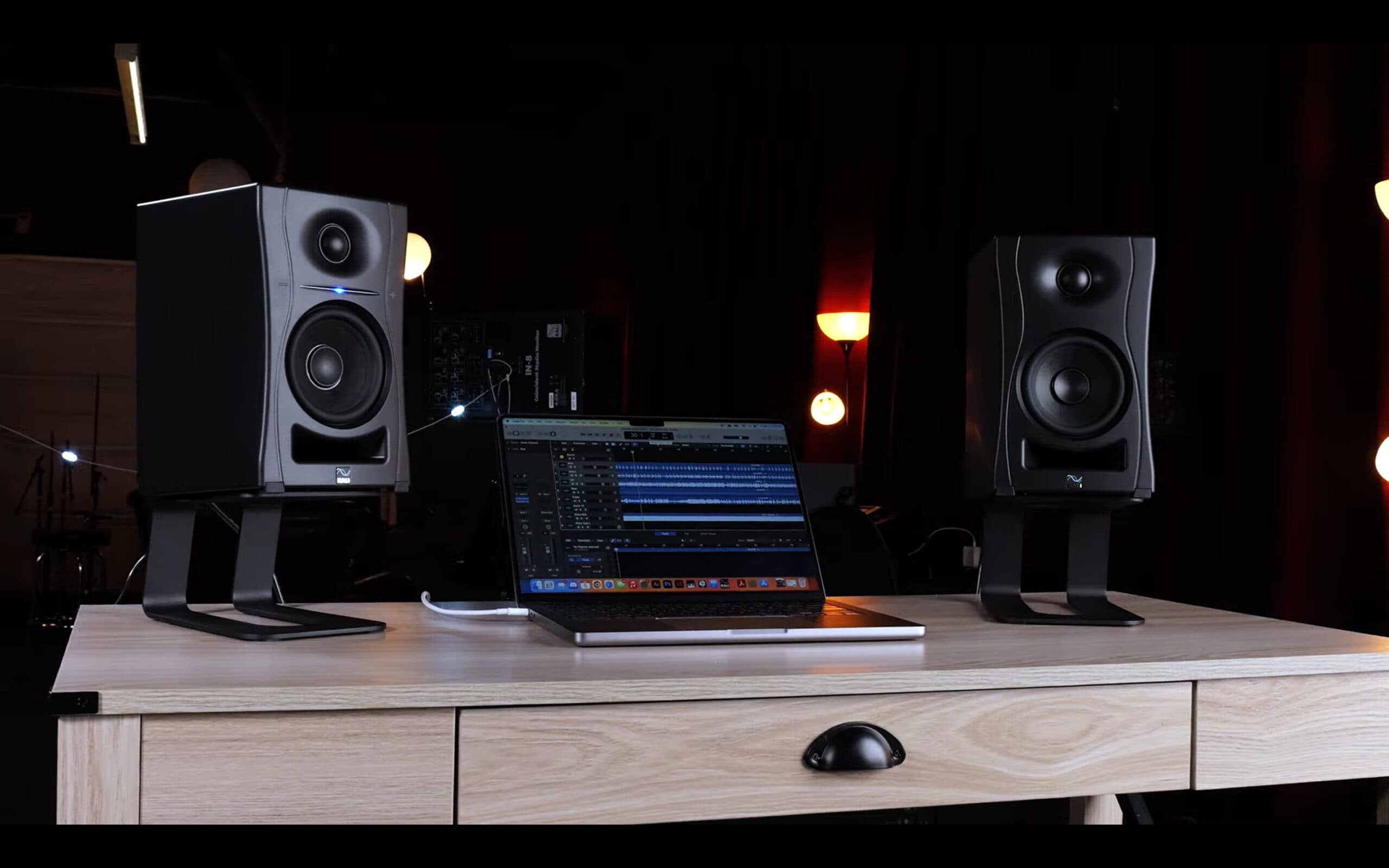
Kali Audio LP-UNF Review: Ultra-Nearfield Accuracy for the Desktop Audiophile

I. The Desktop Acoustic Challenge: Introducing the Ultra Nearfield
For many years, high-fidelity audio enthusiasts attempting to transition from headphones to traditional loudspeakers faced a frustrating paradox. The detail, clarity, and tightly controlled frequency response delivered by premium headphones often vanished the moment they placed a pair of conventional monitors on a desk. They sought that elusive "out-of-head" soundstage, but instead were met with an unruly mix of room reflections, boundary gain, and smeared transients.
This is where the Kali Audio LP-UNF system enters the conversation. The LP-UNF is not just a small, two-way monitor; it is an Ultra-Nearfield system explicitly engineered to overcome the acoustic nightmares inherent in the desktop environment. The design philosophy pivots on treating the desk surface not as an obstacle, but as an integral acoustic element of the system. This allows the sophisticated internal Digital Signal Processing (DSP) to compensate for common placement problems that destroy sonic accuracy.
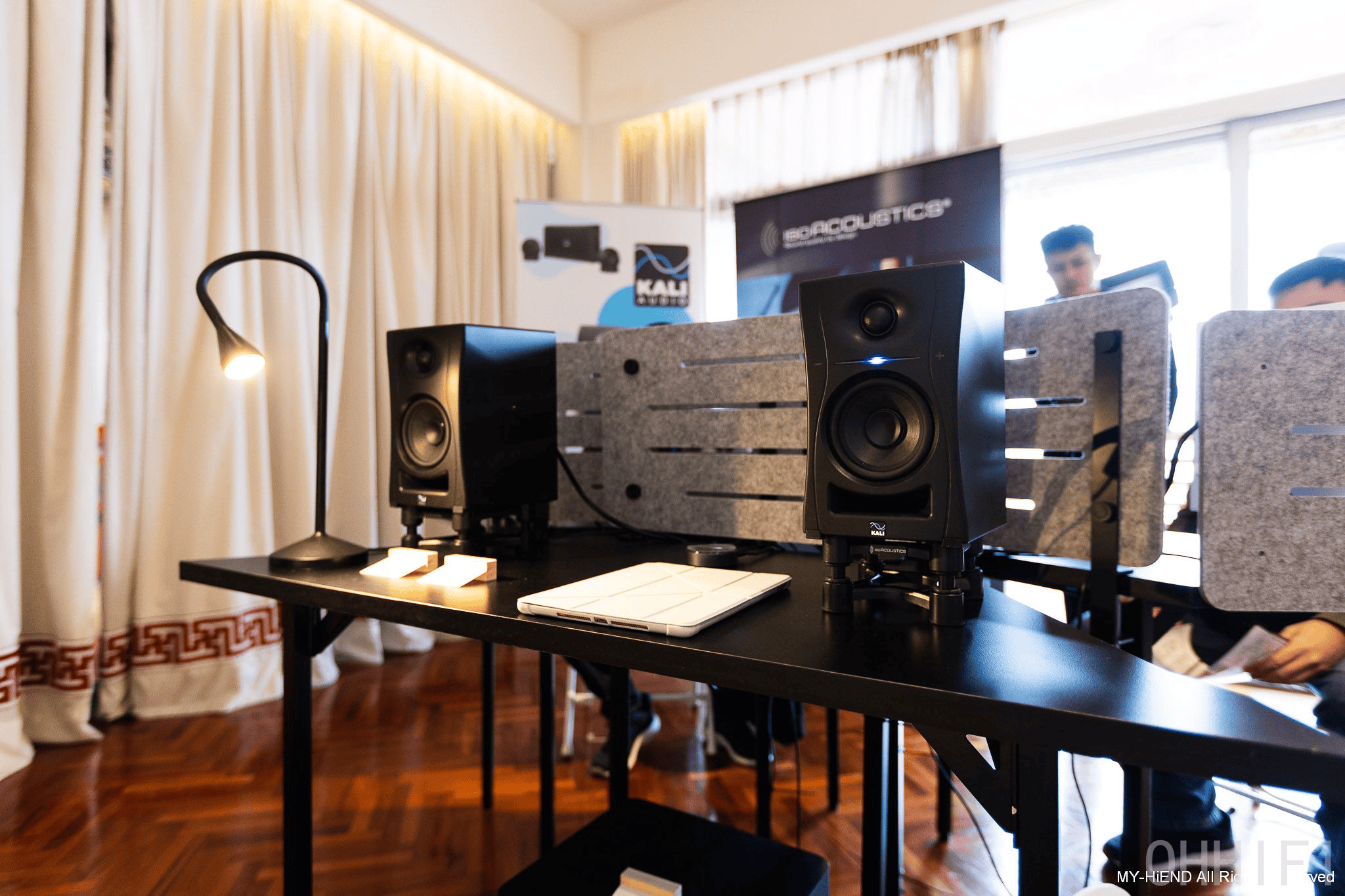
The physical dimensions immediately confirm its purpose. With a footprint of 254 mm (H) x 164 mm (W) x 186 mm (D), the compact size is perfect for minimalist setups or smaller home studios where space simply doesn't permit larger monitors like the LP-6 or LP-8. If you do have room for a larger, full-range monitor and want point-source imaging on a bigger scale, the coaxial Palmer Orbit 11 is a compelling step up that still undercuts the established studio names.
The physical presentation is functional and modern. A touch-sensitive volume slider on the front of the active speaker provides an intuitive and sleek way to dial in the listening level. Overall, the LP-UNF aims to be a purpose-built acoustic stand-in, providing the benefits of a well-treated listening space—at least for the crucial bass frequencies—in environments where physical acoustic treatment is neither feasible nor desirable. This focus on digital compensation is a key element that should immediately appeal to the technically minded purist accustomed to the clean, neutral profile of top-tier headphones.
II. Architecture and Engineering: The DSP Advantage
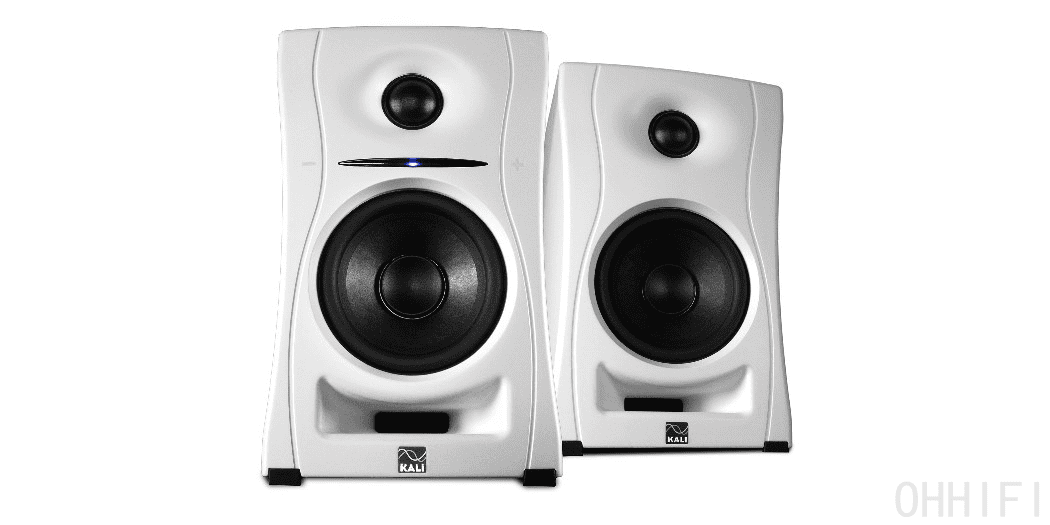
The technical architecture of the LP-UNF is robust, showcasing how Kali leverages sophisticated DSP and driver technology to extract maximum performance from its diminutive size. The design is a standard two-way configuration featuring a 4.5-inch long-excursion woofer and a 1-inch textile dome tweeter. The term "long-excursion" is crucial here, as it allows the small woofer to move a greater volume of air, helping the system achieve an impressive low-frequency extension despite the physical limitations of the cabinet.
Power management is handled by a Class-D amplifier, delivering 160 Watts in total per pair. Each speaker is bi-amped with 80W, split equally between the low-frequency (LF) driver (40W) and the high-frequency (HF) driver (40W). For nearfield monitoring—typically listened to at a distance of less than a meter—this power configuration provides substantial headroom. The monitor's maximum Sound Pressure Level (SPL) is rated at 103 dB. This confirms that the monitors are "plenty loud enough when you're only about a metre away". Distortion is simply not a concern at typical desktop listening levels.
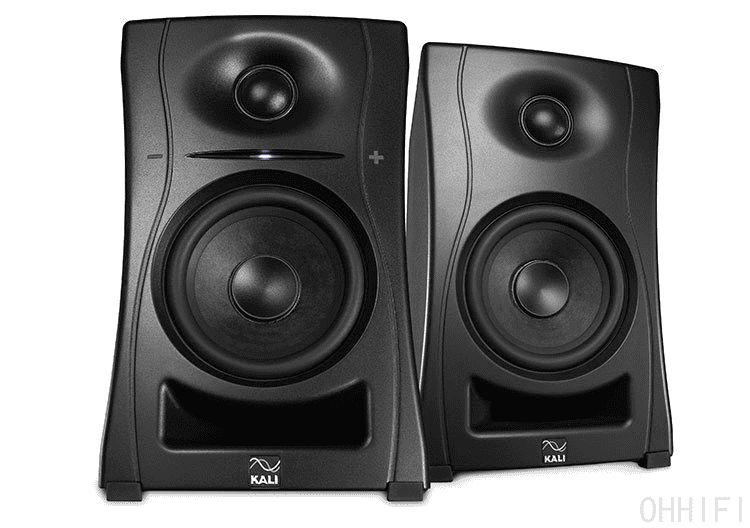
The defining feature, however, is the meticulous tuning afforded by the internal DSP. The crossover frequency is set precisely at 1950 Hz. This digital crossover ensures a smooth and repeatable transition between the drivers, which is critical for accurate phase alignment and imaging.
To achieve superior stereo field accuracy, Kali incorporates its proprietary 3D Image Waveguide. This feature is essential for accurate stereo imaging and soundstage focus. It manages high-frequency dispersion effectively, providing a consistent response across the listening window, mimicking the spatial precision often expected by headphone users.
Furthermore, the enclosure features a low-noise, front-firing bass port tube. This design choice is practical for desktop placement, as it allows the speaker to be positioned closer to a rear wall without the port compression issues common to rear-ported designs, ensuring clean and punchy bass delivery. The ability of the system to reach a frequency range of $39\text{ Hz}$ at the $-10\text{ dB}$ point from a 4.5-inch driver is genuinely impressive. This performance suggests that, for many genres, a dedicated subwoofer might be optional, reducing setup complexity and minimizing cost for the target audiophile.
The linearity of the system has been objectively confirmed through acoustic measurements, with the data appearing highly accurate. A slight, narrow dip around $200\text{ Hz}$ was identified, but this was confirmed by the manufacturer to be an intentional filter, implemented to mitigate a potential cabinet resonant peak arising from manufacturing variation. This commitment to using DSP for targeted physical mitigation underscores Kali’s prioritization of engineering accuracy and trustworthy sound reproduction over simply maximizing raw output.
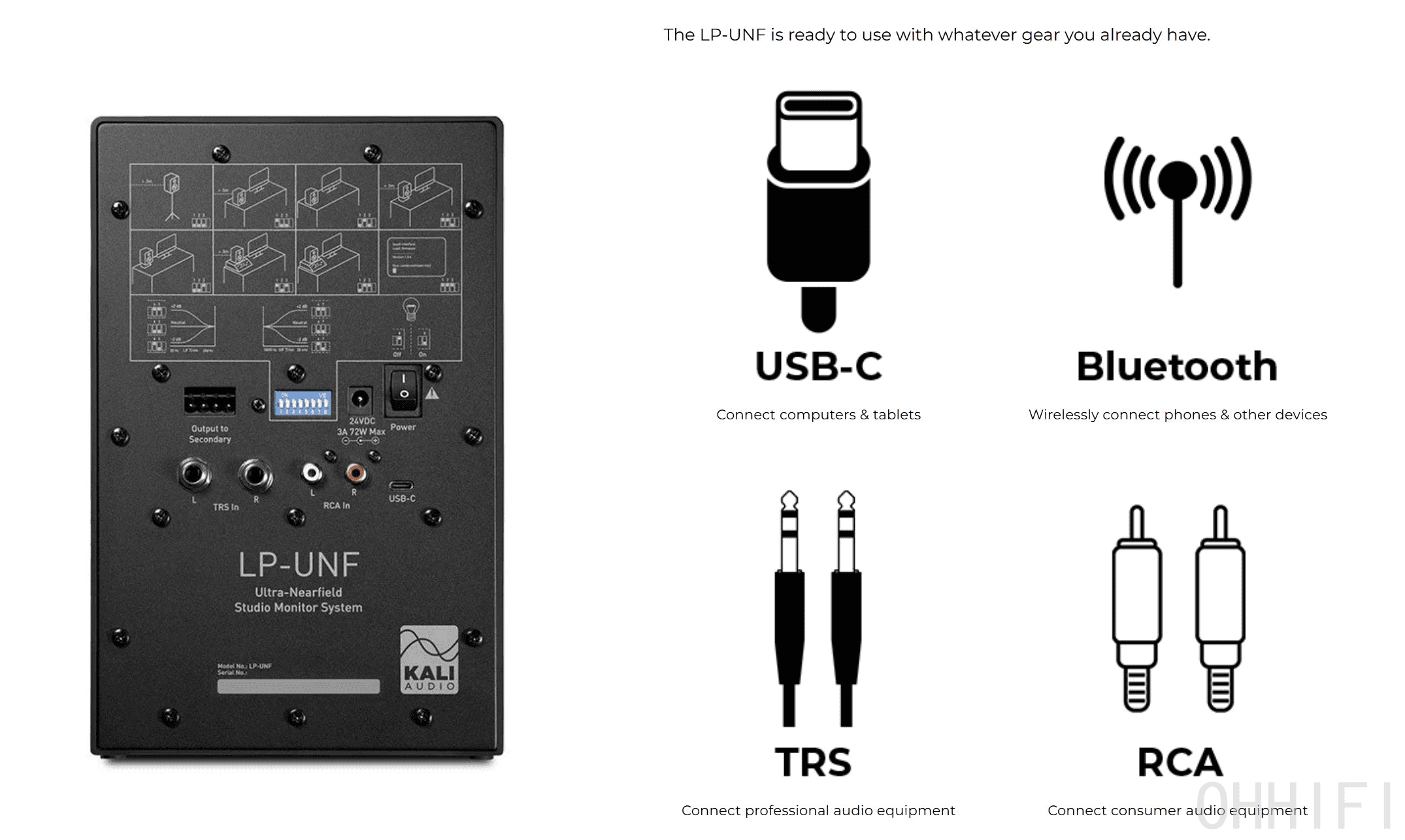
Table 1: LP-UNF Core Technical Specifications
| Feature | Detail | Significance for Nearfield Use |
| Speaker Configuration | Active 2-Way Ultra-Nearfield | Optimized for listening distances < 1 meter. |
| Drivers | 4.5" LF (Long-Excursion), 1" HF (Textile Dome) | Deep bass extension relative to size. Smooth treble reproduction. |
| Amplifier Power (Pair) | Class-D, 160W Bi-amped (80W per speaker) | Sufficient power for 103 dB Max SPL; excellent transient response. |
| Frequency Range (-10 dB) | $39\text{ Hz} – 25\text{ kHz}$ | Deepest bass response in its ultra-nearfield class. |
| Frequency Range ($\pm 3\text{ dB}$) | $47\text{ Hz} – 21\text{ kHz}$ (Some sources cite $54\text{ Hz}$) | Highly linear performance across the critical listening band. |
| Crossover Frequency | $1950\text{ Hz}$ | Precision dictated by internal DSP for smooth driver transition. |
III. Mastering the Environment: The Boundary EQ Deep Dive
The single most distinguishing feature of the LP-UNF, particularly for the desktop user, is the integrated Boundary EQ system. In small listening environments, early reflections—sound waves bouncing immediately off the desk surface and nearby walls—can cause significant frequency aberrations, resulting in dips and peaks (known as comb filtering) that smear transients and compromise accuracy.
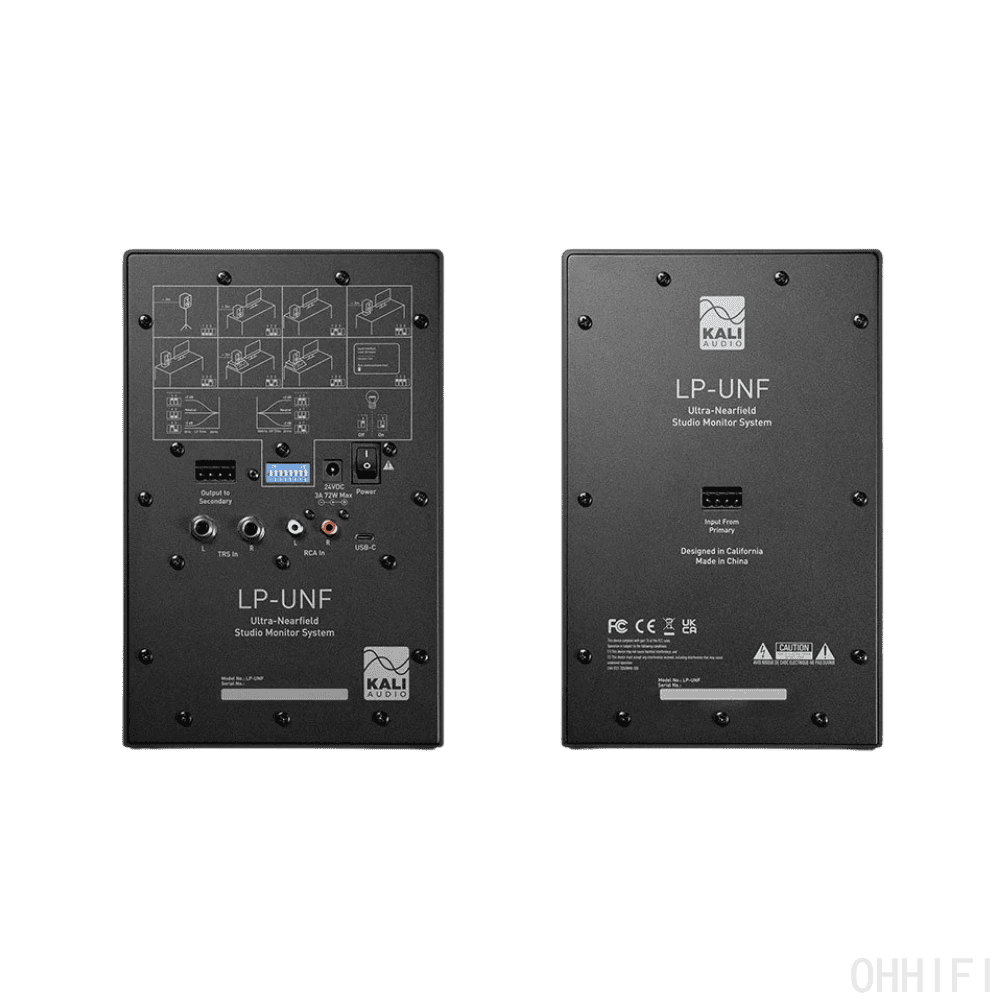
The LP-UNF tackles this issue head-on using DSP-driven compensation. Accessible via DIP switches on the rear panel, the system allows the user to select specific corrective EQ filters based on the speaker's exact physical placement in the room. This digital system provides a precise and repeatable method for acoustic compensation that far surpasses the simple bass and treble shelf trims ($\pm 2\text{ dB}$ for LF and HF) also provided.
Kali provides an extensive range of dedicated Boundary EQ presets, ensuring optimal performance across highly specific scenarios. These settings include filters for speakers placed on "Stands," "Desk away from walls," or "Desk against a wall." Kali even accounts for niche environments, offering settings like "Recording desk with rack units against a wall".
This feature elevates the LP-UNF beyond a typical active monitor, offering an integrated, professional-level acoustic fix. The filters are designed to address the physical reality of the desktop setup, such as managing the pressure build-up and resulting bass lift when placed close to a rear boundary, or compensating for the detrimental low-mid nulls caused by desk surface reflections (Speaker Boundary Interference Response, or SBIR).
While the process of adjusting the DIP switches is noted as "a bit tricky" and requires reaching behind the speaker, the sonic accuracy gained through this highly tailored DSP compensation makes the initial setup effort highly worthwhile. It is essentially a digital "set-it-and-forget-it" mechanism for optimal frequency response linearity. For the critical listener moving from headphones, who often expects pristine frequency neutrality, the Boundary EQ offers essential protection against common room flaws.
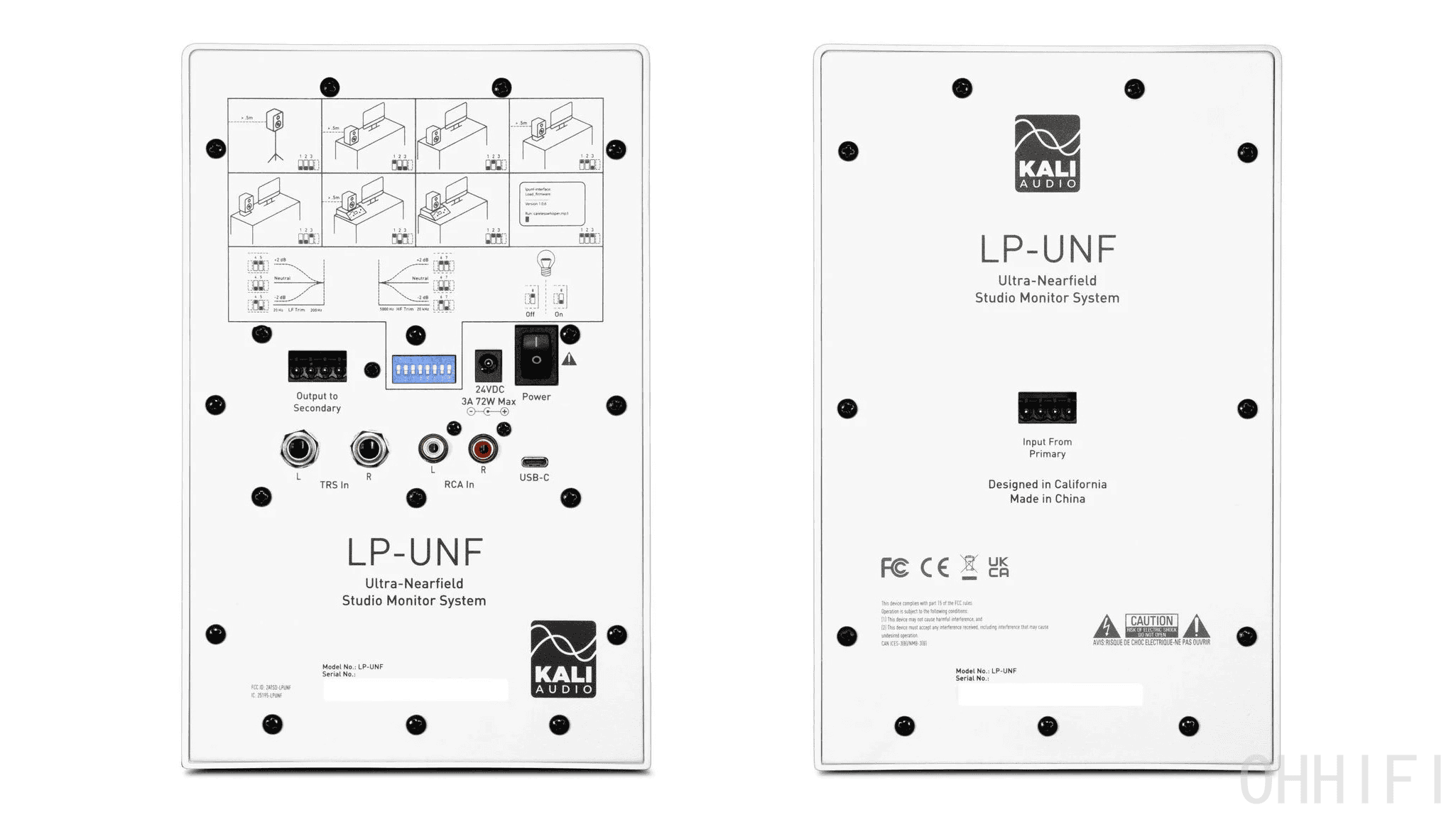
Table 2: Boundary EQ Presets and Acoustic Compensation
| Boundary EQ Preset Example | Physical Placement | Acoustic Phenomenon Compensated | Net Effect |
| Stands | Decoupled, away from boundaries | Minimal interference | Flat reference response. |
| Desk away from walls | On desk surface, nearfield | Desk surface reflection (SBIR) | Mid-bass frequencies smoothed, reducing muddiness. |
| Desk against a wall | On desk surface, $0\text{ cm}$ from rear wall | Desk surface reflection + Rear wall gain | Dual compensation for reflection nulls and boundary bass lift. |
| Recording desk with rack units | Complex desktop setup | Diffraction and complex early reflections | Highly tailored response for specific pro-audio furniture. |
IV. Connectivity: The 48 kHz Conundrum and the Purest Path
The LP-UNF boasts wide-ranging input versatility, including 2x $1/4"$ TRS (Balanced), stereo RCA (Unbalanced), USB-C (Digital), and Bluetooth 5.1. For the modern enthusiast, the digital inputs are the most relevant, though they present an important technical debate concerning signal purity versus resolution.
The USB-C Digital Path
The USB-C input is the preferred choice for a minimalist, modern desktop setup, enabling a direct digital connection that bypasses the need for an external Digital-to-Analog Converter (DAC). However, the USB-C connection imposes a hard limit: the internal LP-UNF DAC converts all incoming audio to 24-bit/48kHz.
While this sample rate ceiling might initially concern high-resolution audiophiles accustomed to $96\text{ kHz}$ or $192\text{ kHz}$ streaming, there is a compelling technical argument for utilizing the USB-C input. Inputting audio digitally via USB-C provides the cleanest audio signal because it completely removes a D/A (Digital-to-Analog) conversion at the source and an A/D (Analog-to-Digital) conversion needed for the monitor's DSP.
Furthermore, the convenience factor is significant: the speaker’s touch volume slider works when connected via USB-C.
The Analog Path and the Resolution Illusion
The analog inputs (RCA or TRS) allow users to connect to an external high-resolution DAC. Users connecting via RCA from a source capable of $24/192$ have confirmed that high-resolution streaming apps register the music playing at the full $24/192$ resolution.
However, this path introduces several drawbacks. First, the analog connection necessitates two additional conversion steps in the signal chain: the external DAC's D/A stage, followed by the LP-UNF’s internal A/D stage (necessary for the DSP crossover and Boundary EQ). This added complexity increases the risk of signal degradation. Second, the onboard volume controls do not work with analog connections, forcing the user to rely entirely on the source device for volume adjustment.
The fundamental technical reality is this: the LP-UNF’s outstanding performance is reliant on its sophisticated DSP, which handles the crossover and acoustic compensation. To ensure maximum stability and bandwidth efficiency, this DSP engine operates at a fixed, common sample rate, which is $48\text{ kHz}$. Therefore, even if a $192\text{ kHz}$ signal is fed into the analog input, the monitor immediately digitizes it at $48\text{ kHz}$ for internal processing. Functionally, the higher resolution is irrelevant to the audible result, as the ultrasonic content is discarded.
For the headphone purist who values clarity and signal path transparency above all else, the USB-C connection is the technically superior choice. The resulting purity of the signal delivered directly to Kali’s DSP engine outweighs the theoretical benefit of higher sample rate input via analog connections.
Table 3: Input Methods and Digital Quality Trade-offs
| Input Type | Max Theoretical Resolution | Volume Control Functionality | Signal Purity/DSP Integration | Recommendation Context |
| USB-C (Digital) | $24\text{-bit}/48\text{ kHz}$ (Internal DSP Limit) | Works (Touch Slider) | Purest signal path; avoids extra conversions; recommended for optimal DSP integration. | Critical listening where signal path purity is paramount. |
| RCA/TRS (Analog) | Up to $24\text{-bit}/192\text{ kHz}$ (External DAC Dependent) | Does Not Work (Use Source Control) | Adds D/A and A/D conversions; potentially subject to source DAC quality. | Integrating high-end analog gear or when high sample rate indication is required. |
V. Subjective Performance: Clarity for the Headphone Listener
When transitioning from high-end headphones to speakers, the primary goal is often the expansion of the soundstage and the introduction of physical space and depth—the "3D vibe". The LP-UNF excels precisely in this area.
The combination of the tightly controlled DSP crossover and the specialized 3D Image Waveguide translates directly into exceptional spatial performance. Subjective reviews consistently praise the LP-UNF for delivering an "incredible soundstage with spot-on imaging". Listeners report excellent translation and separation, describing the sound as having a pronounced spatial characteristic comparable to high-quality studio headphones. This spatial accuracy effectively bridges the gap between the hyper-detailed intimacy of headphones and the physical soundstaging of a loudspeaker, making the LP-UNF an excellent solution for the headphone enthusiast seeking accurate translation.
Tonally, the monitors are described as "neutral, accurate, and nice tonality". They adhere strictly to the studio monitoring ethos, avoiding the harshness or boosted coloration that might make for exciting casual listening but compromises critical accuracy. This professional neutrality is paramount for listeners focused on critical evaluation and mixing.
Despite the compact size, the low-frequency extension is impressive. The ability to reach a functional low end of $47\text{ Hz}$ ($\pm 3\text{ dB}$) ensures that the bass response is "totally sufficient for the space and purpose" of a desktop setup. Because the bass is managed by the DSP and front-ported design, the resulting low end is generally described as "clean and punchy", avoiding the boomy, uncontrolled artifacts common when conventional speakers are placed on a desk.
Detail retrieval in the midrange and highs is remarkably high. The monitors successfully maintain "all of the clarity and trustworthy imaging found in larger monitors in the Kali Audio range". Transients are crisp, and the sound avoids fatiguing brightness, ensuring that the monitors are suitable for extended critical listening sessions.
The LP-UNF satisfies the modern demand for application versatility. While perfectly suited for music production and mixing, the clarity and excellent soundstage also make them "perfect for my Monitor when gaming". The speaker set caters effectively to the prosumer trend, handling critical work and daily multimedia consumption with equal aplomb.
VI. Practicality, Build Quality, and Mandatory Caveats
While the acoustic performance is stellar, the user experience reveals a few practical limitations, most notably concerning the connection between the primary active speaker and the secondary passive speaker.
The Interconnect Cable Issue
The most persistent user complaint revolves around the stock interconnect cable. The supplied 4-foot cable is simply too short for adequate desktop placement and often puts unnecessary strain on the required 4-pin Phoenix connector plugs. Users consistently find that for typical desktop spacing, the stock cable prevents ideal positioning.
This is a clear example of a cost-saving measure that significantly detracts from the user experience. The immediate solution, which many users resort to, is purchasing the official 8-foot replacement cable ($19.99). For any serious desktop setup where speakers need to be separated by more than a meter, the 8-foot cable should be considered a mandatory additional purchase.
Beyond the length, the Phoenix connector itself, which is necessary for delivering the bi-amplified signal to the passive speaker, is noted as being "finicky" and prone to coming unplugged when minor position adjustments are made, as it lacks a built-in locking mechanism.
Feature Omissions
The LP-UNF, stemming from Kali’s professional studio monitor heritage, omits a few convenience features that a typical high-end audiophile might expect in a desktop system:
Lack of Input Selector Switch: The system can only connect and utilize one sound source at a time. There is no switch to toggle between, say, the USB-C input and the TRS inputs. Users integrating multiple devices (e.g., PC, streamer, keyboard) will need an external switching solution.
No Front-Facing Headphone Output: The lack of a front auxiliary or headphone port is a noticeable omission for the desktop user who frequently switches between headphones and speakers. This requires reliance on the source device or an external interface for headphone monitoring.
The inclusion of Bluetooth 5.1 is a commendable addition, offering welcomed versatility for casual background streaming beyond critical listening sessions.
VII. Verdict and Value Proposition: The Ultra-Nearfield Champion
The Kali Audio LP-UNF system represents a formidable achievement in desktop monitoring. It successfully delivers highly accurate, detailed, and spatially precise audio tailored specifically for extremely close-field desktop setups. By leveraging powerful DSP for both crossover management and sophisticated Boundary EQ, Kali has provided an integrated solution for acoustic problems that usually require expensive, bulky physical room treatment.
Competitive Analysis
The value proposition of the LP-UNF is particularly compelling when comparing it to established high-end competitors known for small-format accuracy and DSP integration. The most frequent benchmark in this category is the Neumann KH 80 DSP.
The LP-UNF system (a pair) is priced at approximately $349.00. In contrast, a single Neumann KH 80 DSP monitor costs $549.00. This means the LP-UNF pair offers professional-grade DSP capability, excellent imaging, and sufficient SPL for desktop use at nearly half the price of the closest single professional benchmark.
Table 4: Value Comparison: LP-UNF vs. High-End Nearfield Monitor
| Feature | Detail | Value Implication |
| Price Point | $\sim \$349.00$ (Pair) | Kali offers exceptional value, providing advanced DSP at a highly accessible price point. |
| Configuration/Focus | Ultra-Nearfield ($4.5"$ LF) | Both are small-format, but Kali specifically targets the desk environment with dedicated Boundary EQ. |
| Boundary Correction | Advanced Boundary EQ (DIP Switch presets) | Kali offers immediate, integrated room correction out of the box. |
| Key Benefit | Superior imaging and integrated acoustic correction for desktop use. | Benchmark neutrality and high-fidelity transient response. |
Conclusions and Recommendations
The LP-UNF is a genuinely disruptive product, democratizing high-accuracy desktop monitoring by integrating professional DSP features into a remarkably affordable package. It is perhaps the ideal gateway speaker for the sophisticated headphone audiophile, providing the necessary clarity, detail retrieval, and soundstage focus without requiring a large budget or extensive room treatment.
The superior imaging, coupled with the unmatched Boundary EQ customization, makes these monitors an outstanding choice for anyone short on space and budget.
Mandatory Recommendation: Prospective buyers must factor in the purchase of the 8-foot interconnect cable, viewing the LP-UNF as a $\sim \$370$ system (Monitor Pair + extended cable). While the omission of a source selector and headphone output detracts slightly from daily consumer usability, these trade-offs are minor given the sheer technical performance and value offered. The Kali Audio LP-UNF is a clear winner in the ultra-nearfield category.



Comments