
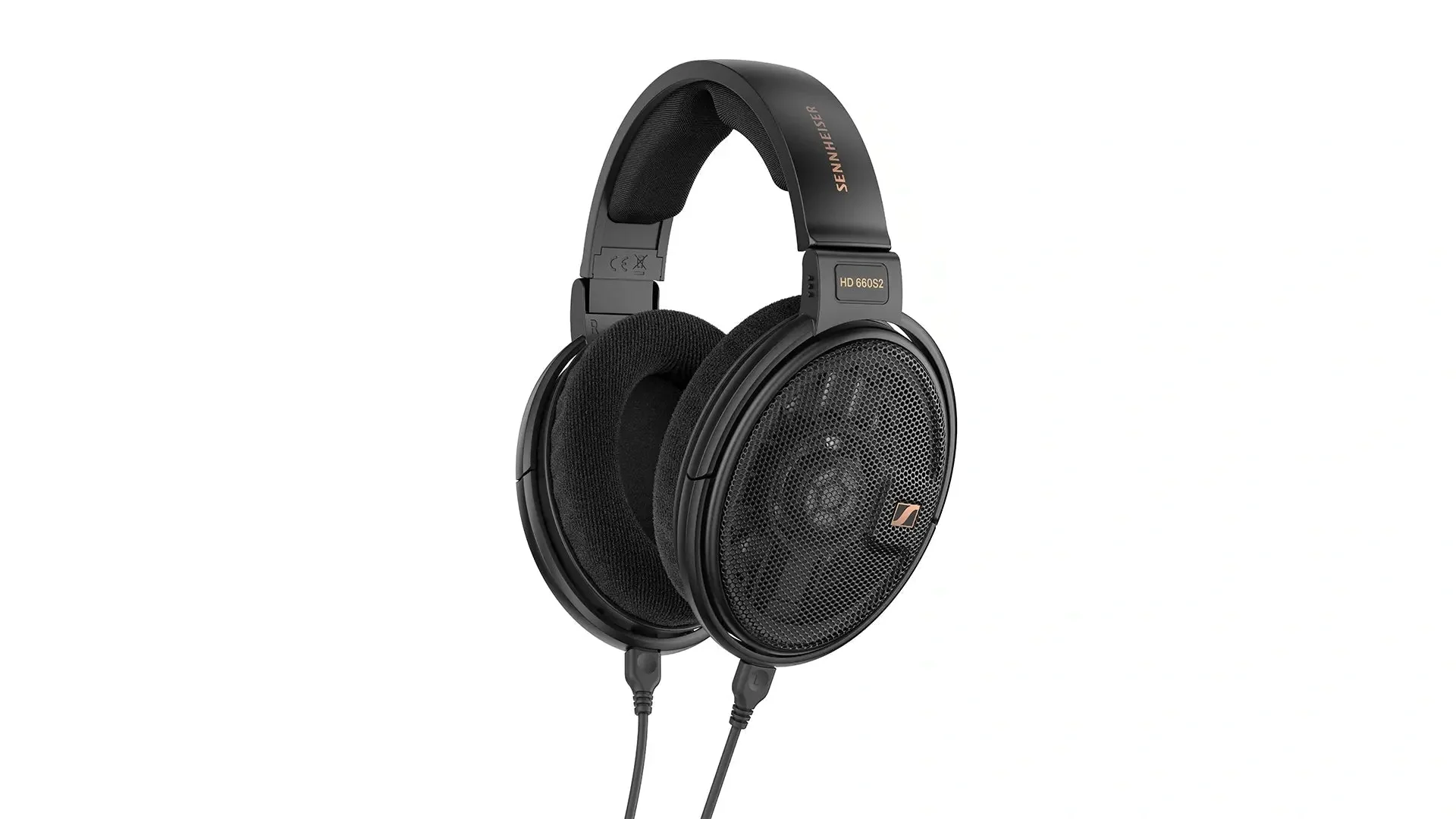
Sennheiser HD 660S2 Review: The Best 6XX Headphone Yet — But Is It Worth $599?

There’s a particular kind of pressure that comes with being Sennheiser. When you announce a new 600-series headphone, the entire enthusiast community stops what it’s doing. Head-Fi threads erupt, Discord servers go into overdrive, and people who haven't touched their HD 600s in months suddenly pull them out to re-evaluate. That’s the weight the HD 660S2 carries—and it’s a weight that shapes every honest review of this headphone.
So: does it live up to the heritage? Is the return to 300 ohms the "silver bullet" we wanted? Let’s dive into the sub-bass evolution.
Quick Specs
| Feature | Specification |
| Driver Type | 38mm Dynamic, Open-back |
| Impedance | 300 Ω |
| Resonant Frequency | 70 Hz |
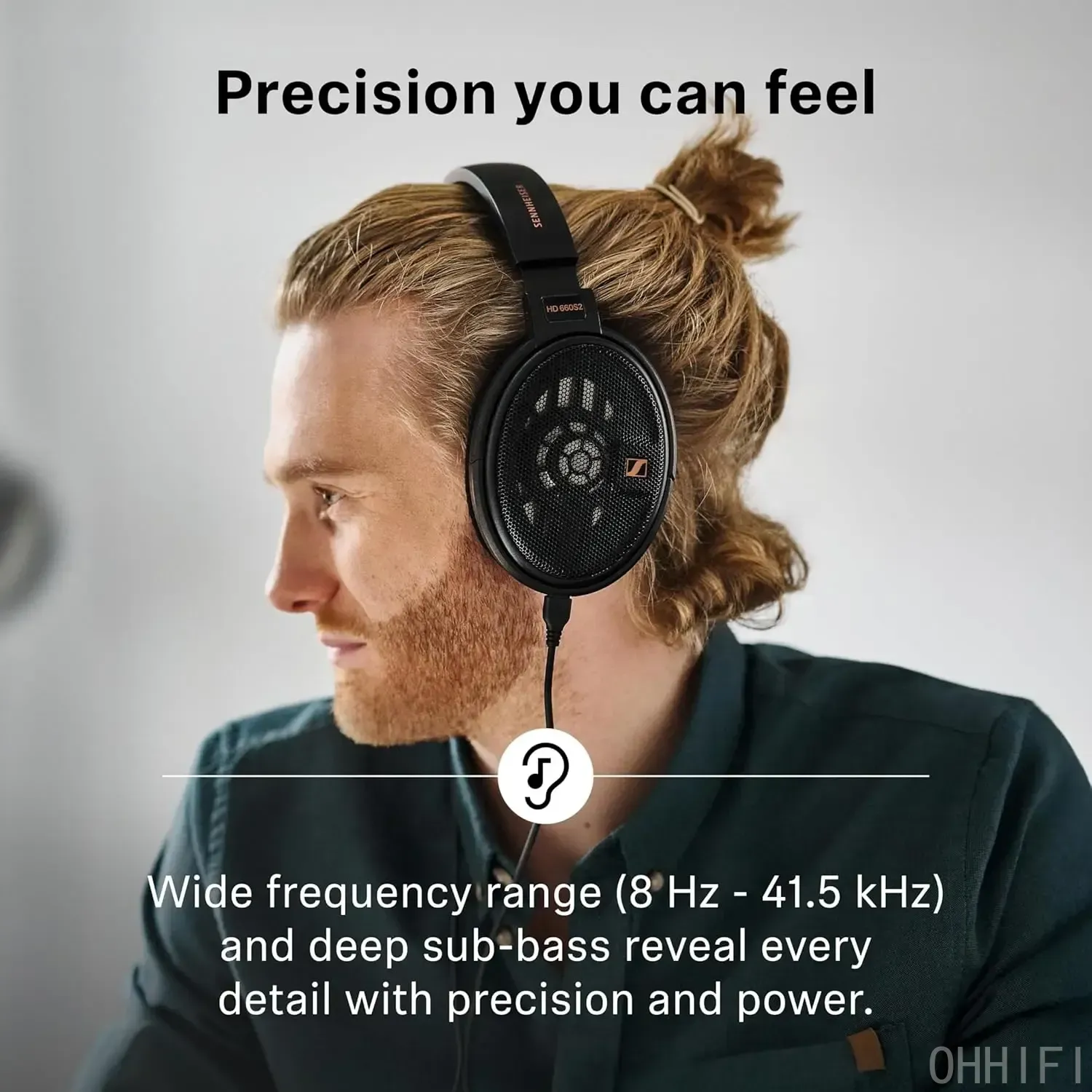
| Frequency Response | 8 Hz – 41.5 kHz |
| Sensitivity | 104 dB/Vrms |
| Weight | 260 g |
| MSRP | $599 USD (Often found for $400–500) |
Design & Build: Familiar Friends in Bronze
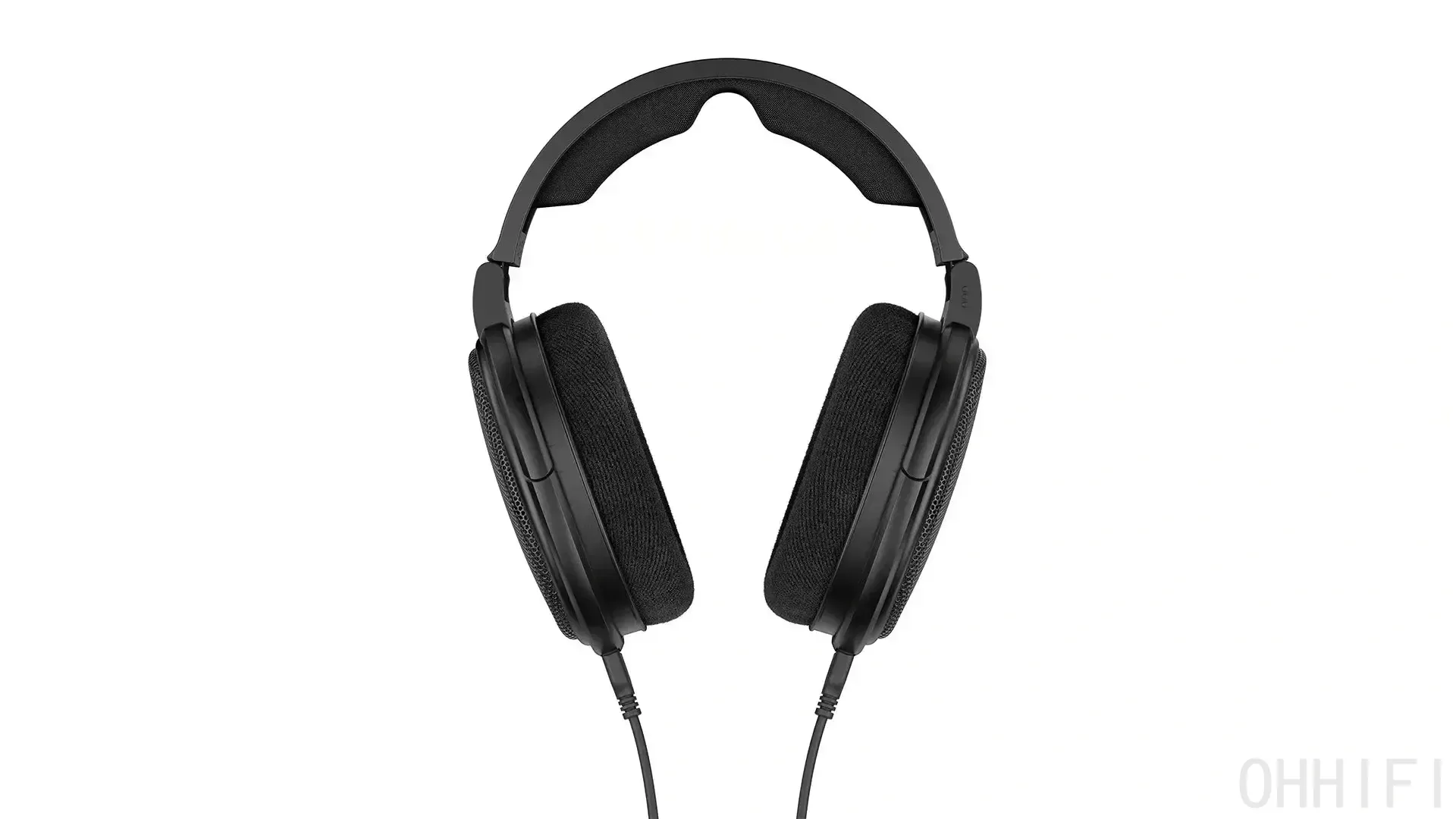
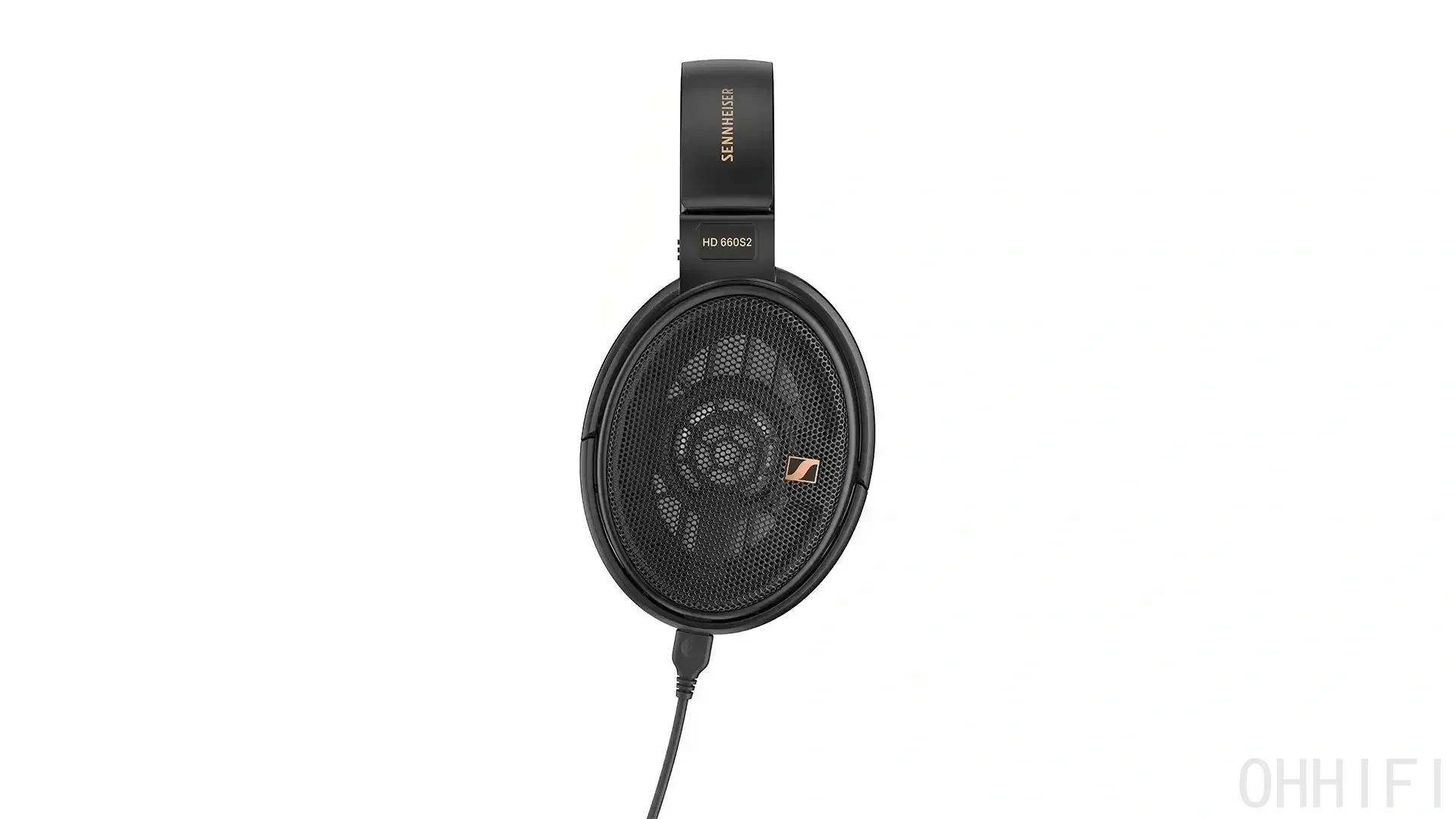
If you’ve ever handled an HD 650 or HD 600, you know exactly what the 660S2 feels like. It’s the "posh slipper" of the audio world. The silhouette is iconic: lightweight plastic (the engineered kind that flexes rather than snaps), the signature oval earcups, and those breathable velour pads.
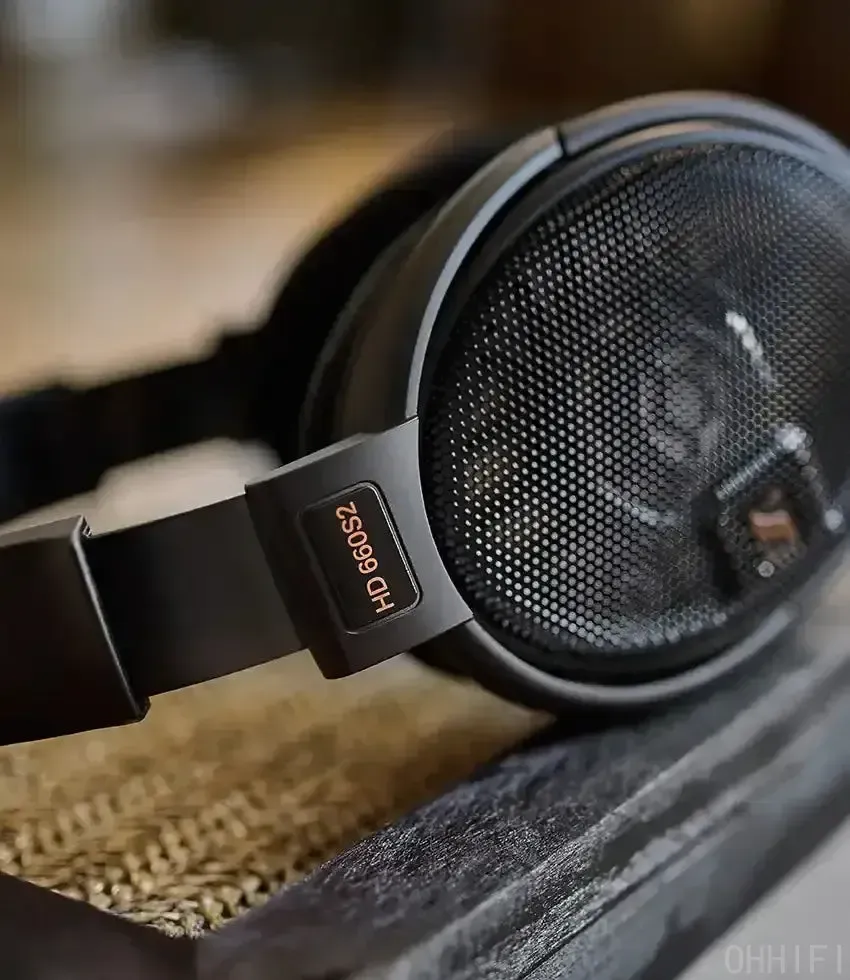
What’s changed is the "Bronze" colorway. The S2 swaps silver accents for a muted copper branding on the mesh grilles and headband. It’s subtle, elegant, and looks like a serious piece of kit without screaming for attention.
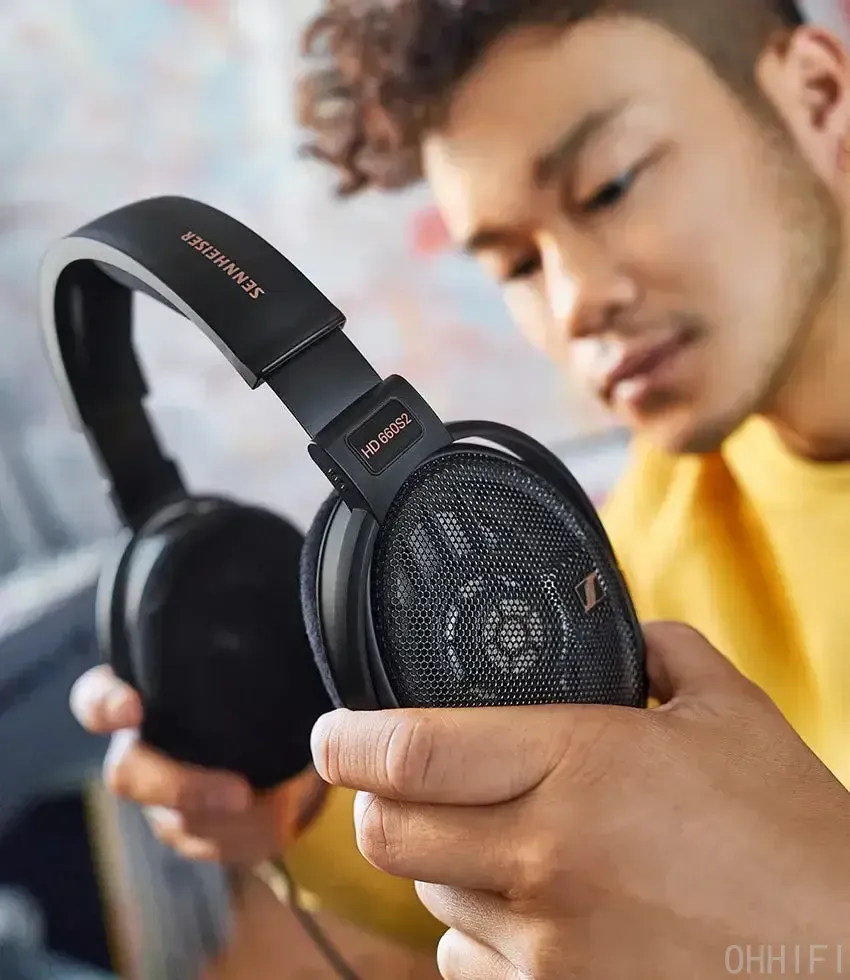
The Ergonomic Reality Check: Out of the box, the "Sennheiser Clamp" is real. It’s firm, ensuring a stable acoustic seal, but might feel like a head-vice for the first few days. Pro tip: a gentle stretch over a stack of books helps, just don't overdo it. One minor gripe—the included cables are now 1.8m. While the inclusion of both 6.35mm and 4.4mm balanced cables is welcome, the shorter length is clearly a nod to modern desktop setups rather than lounging in a distant armchair.

The Physics of the 300-Ohm Resurrection
The real magic is under the hood. Sennheiser didn't just tweak the tuning; they rebuilt the motor. In the original 660S, the resonant frequency was 110 Hz. In the S2, they’ve dropped it to 70 Hz .
By utilizing a more compliant surround and an ultra-light 300-ohm voice coil (which is actually lighter than the 150-ohm version due to finer wire), they’ve optimized airflow around the 38mm transducer. The result? A doubling of sound pressure in the lowest octaves. It’s a technical pivot back to the series' high-impedance roots, prioritizing electrical damping over ease of use with smartphones.
Sound: Where the Magic Happens
Testing Setup: Chord Mojo 2 & Schiit Valhalla 2 (OTL Tube). Source: Lossless FLAC.
Bass: The Missing Link Found
Let’s get the headline out of the way: the sub-bass is finally here. Put on Marvin Gaye’s "What’s Going On," and the upright bass has a physical weight that previous 6-series models only "suggested." It’s not "bass-head" rumble, but it’s a linear, textured extension that reaches down to 40 Hz with actual authority. The mid-bass hump is gone, replaced by a punchy, clean transition that doesn't bleed into the lower mids.
Midrange: The Soul of Sennheiser
This is still the party piece. Vocals are rendered with breathtaking realism. Whether it’s Norah Jones’ intimacy or Chet Baker’s breathy croon, the timbre is organic and "captivatingly smooth." There is a strategic recession in the upper-mids (3–5 kHz), which makes the S2 incredibly fatigue-free. It’s less "shouty" than the HD 600 but retains that legendary clarity for acoustic instruments.
Treble: Clarity without the Sizzle
The treble is extended and airy but remarkably safe. You get the sparkle of cymbals and the texture of strings without the "metallic ringing" found in some planar rivals. It’s a "relaxed-technical" presentation—you hear the detail, but it doesn't shove it down your throat.
Soundstage & Imaging: Holographic Precision
The stage isn't "stadium wide"—it’s a room, not a concert hall. Think near-field monitors rather than far-field mains. However, the imaging is remarkably holographic. In Tool’s "Fear Inoculum," you can pinpoint the depth and height of every percussion hit. It feels three-dimensional and precise, making it a stealthily great choice for localized imaging in gaming.
Amplification & Scaling
The return to 300 ohms means this headphone demands a proper source. While it sounds "okay" from a dongle, it genuinely breathes life on an OTL Tube Amplifier like the Bottlehead Crack or Schiit Valhalla. The high impedance allows the tubes to add a layer of textural nuance and "holographic air" that solid-state amps often miss. The result is a midrange texture that’s genuinely addictive—you’ll find yourself re-listening to old favorites just to hear what the tubes do.
The Competition: Sennheiser vs. The World
| Rival | Comparison | Verdict |
| Hifiman Edition XS | Wider stage, deeper planar bass, but "metallic" treble and fragile build. | The technical pick. |
| Focal Elex | More dynamic "slam" and punch, but potential QC issues and "glassy" mids. | The energetic pick. |
| Beyerdynamic DT 1990 Pro | A "tank" with analytical detail, but the treble peak can be physically painful. | The pro/studio pick. |
| Sennheiser HD 600/650 | Half the price, nearly the same mids, but lacks the sub-bass extension and speed. | The value pick. |
The Verdict: 8.5/10
The HD 660S2 is the most technically accomplished expression of the 600-series DNA. It fixes the "bass deficit" that has haunted the lineage for twenty years while preserving the timbral magic that makes us love dynamic drivers.
Who is it for? The enthusiast who craves a natural, "relaxed-technical" listen and has a decent desktop amp to back it up. If you want the most refined version of the "Sennheiser sound," this is it. Pour a glass of something good, put on a well-mastered record, and these will keep you company until the small hours.
Pros:
- Genuine sub-bass extension (finally!).
- Best-in-class vocal timbre and midrange.
- Non-fatiguing, smooth treble.
- Exceptional build reliability and serviceability.
Cons:
- Soundstage is intimate (narrow) compared to planars.
- Firm out-of-the-box clamping force.
- Pricey compared to the legendary HD 600/650 value.


Comments