
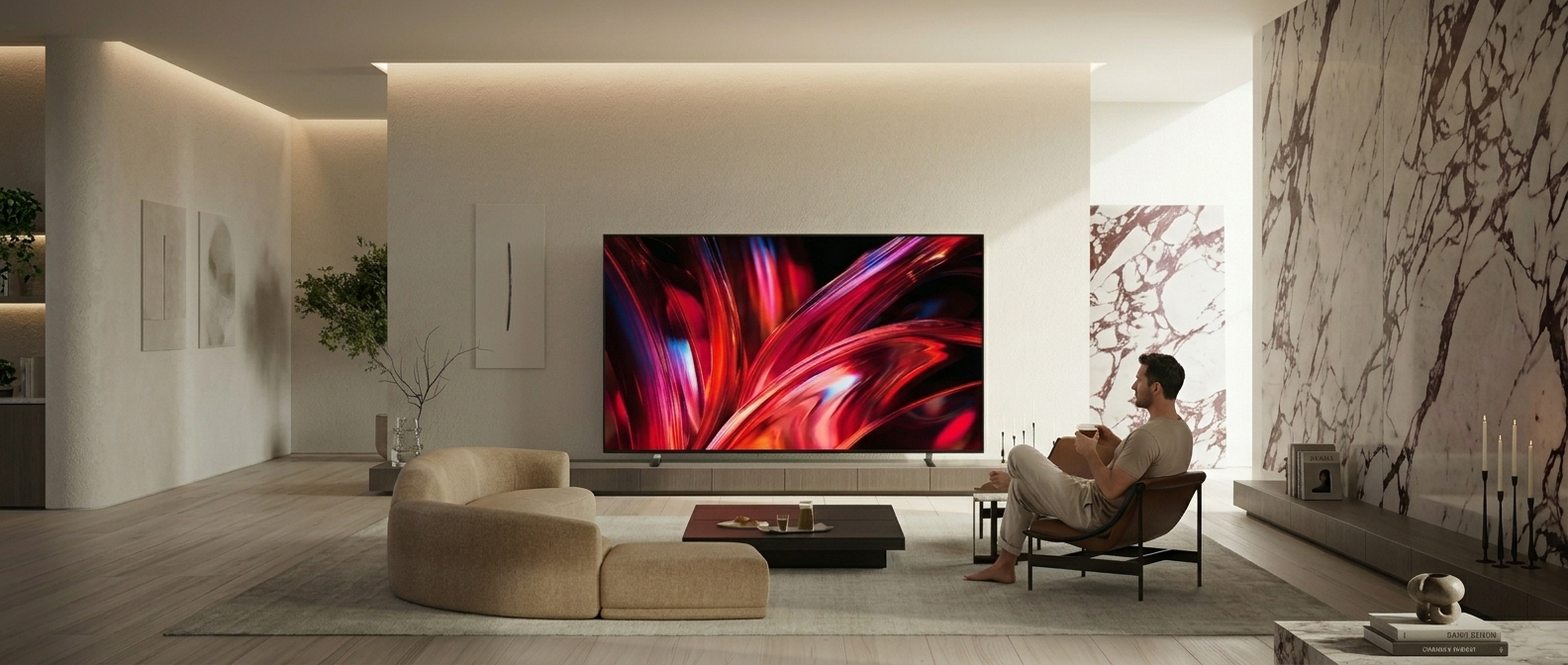
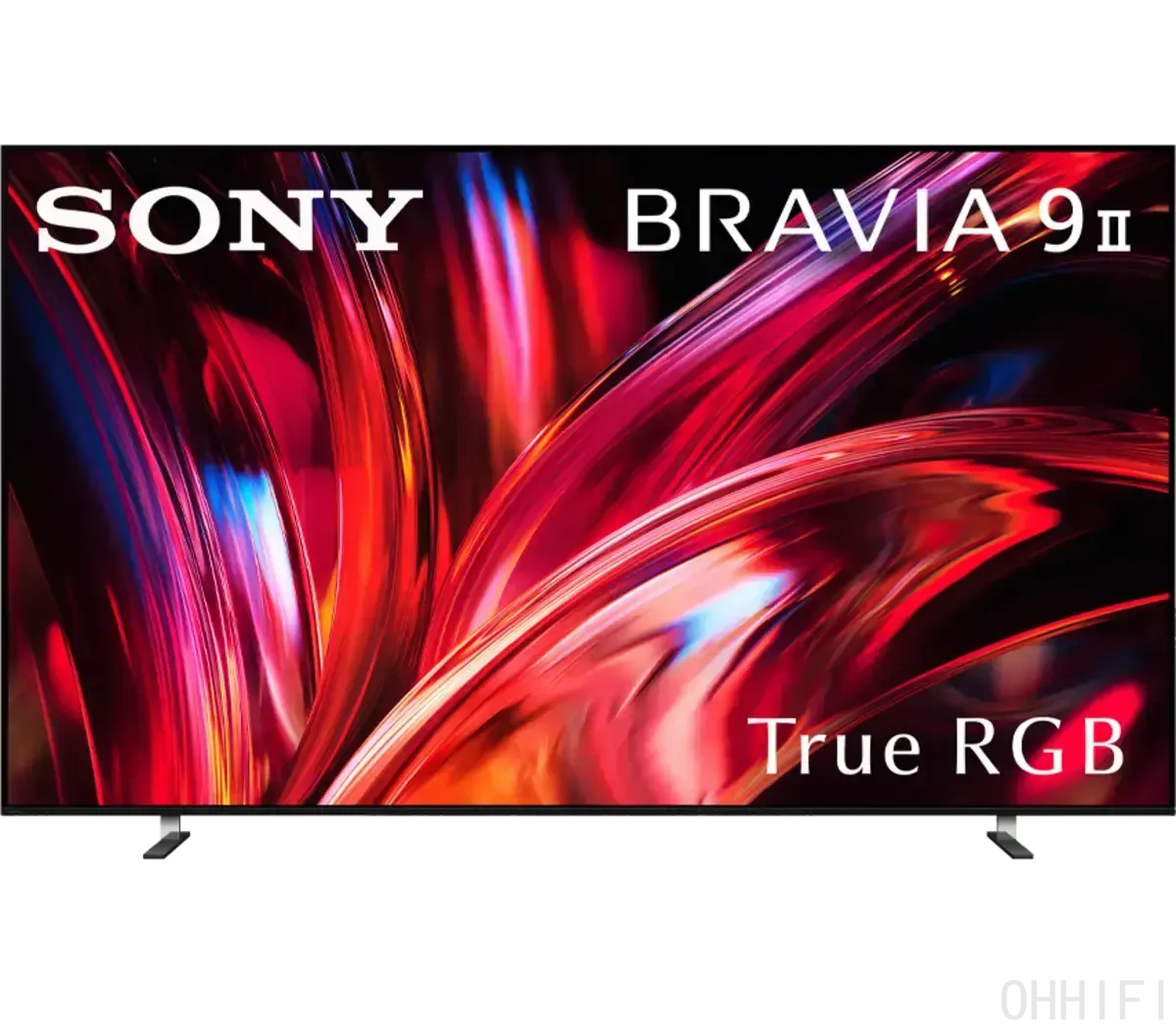
Sony Bravia 9 II Preview: The Last Great Sony TV Bets Everything on True RGB

There's a particular kind of pressure that comes with a swan song, and the Sony Bravia 9 II is carrying it. These are likely Sony's last premium televisions as a standalone TV maker before its home theatre business merges with TCL next year. That's the subtext hanging over the whole launch — and it makes the Bravia 9 II's headline trick, Sony's first "True RGB" Mini LED backlight, feel less like a product cycle and more like a statement of intent. It starts at $3,599.99 for the 65-inch model (£3,499 in the UK), with pre-orders open now and shipping from June 3, 2026. On paper, it's the most ambitious backlit TV Sony has ever built. The early hands-on impressions suggest it might also be the best.
What's New: RGB Diodes and a 4,000-Nit Mandate
The whole project hinges on one idea. Instead of white LEDs shining through a colour filter — the standard Mini LED recipe — the Bravia 9 II uses independently controllable red, green and blue diodes. Drop the filter, and you stop strangling brightness and colour at the source. Sony then bolts that RGB array onto the granular backlight engine it developed for the original Bravia 9, rebranding the whole thing "RGB Backlight Master Drive Pro."
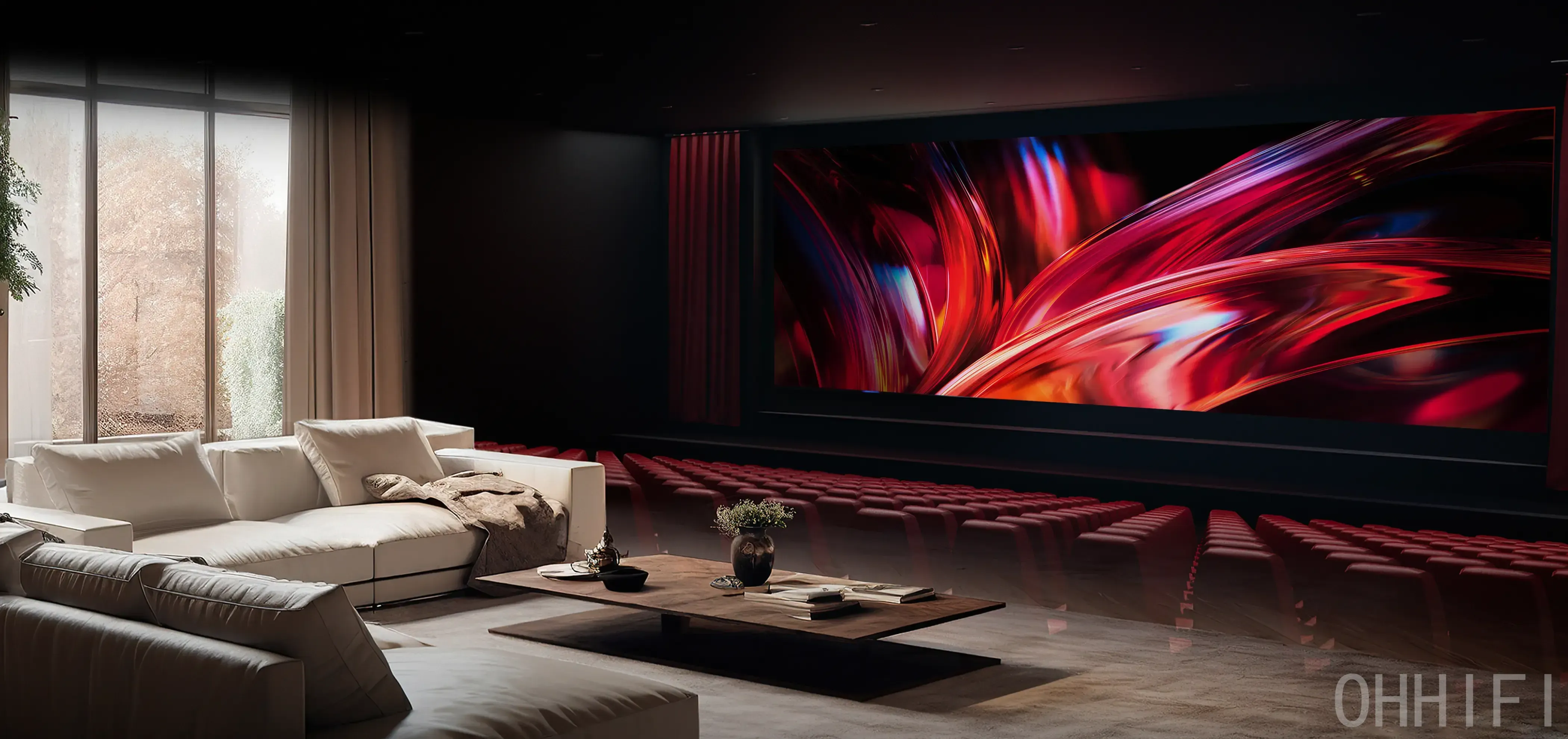
The claimed numbers are bold even by flagship standards. Sony says the set delivers twice the colour volume of the Bravia 9 Mini LED and four times that of the Bravia 8 II QD-OLED, and a demo with a measuring device had it hitting roughly 4,000 nits of peak brightness in its most accurate Professional preset — the headline being that it's tuned to match Sony's own BVM-HX3110 mastering monitor, so you're meant to see what the colourist actually signed off.
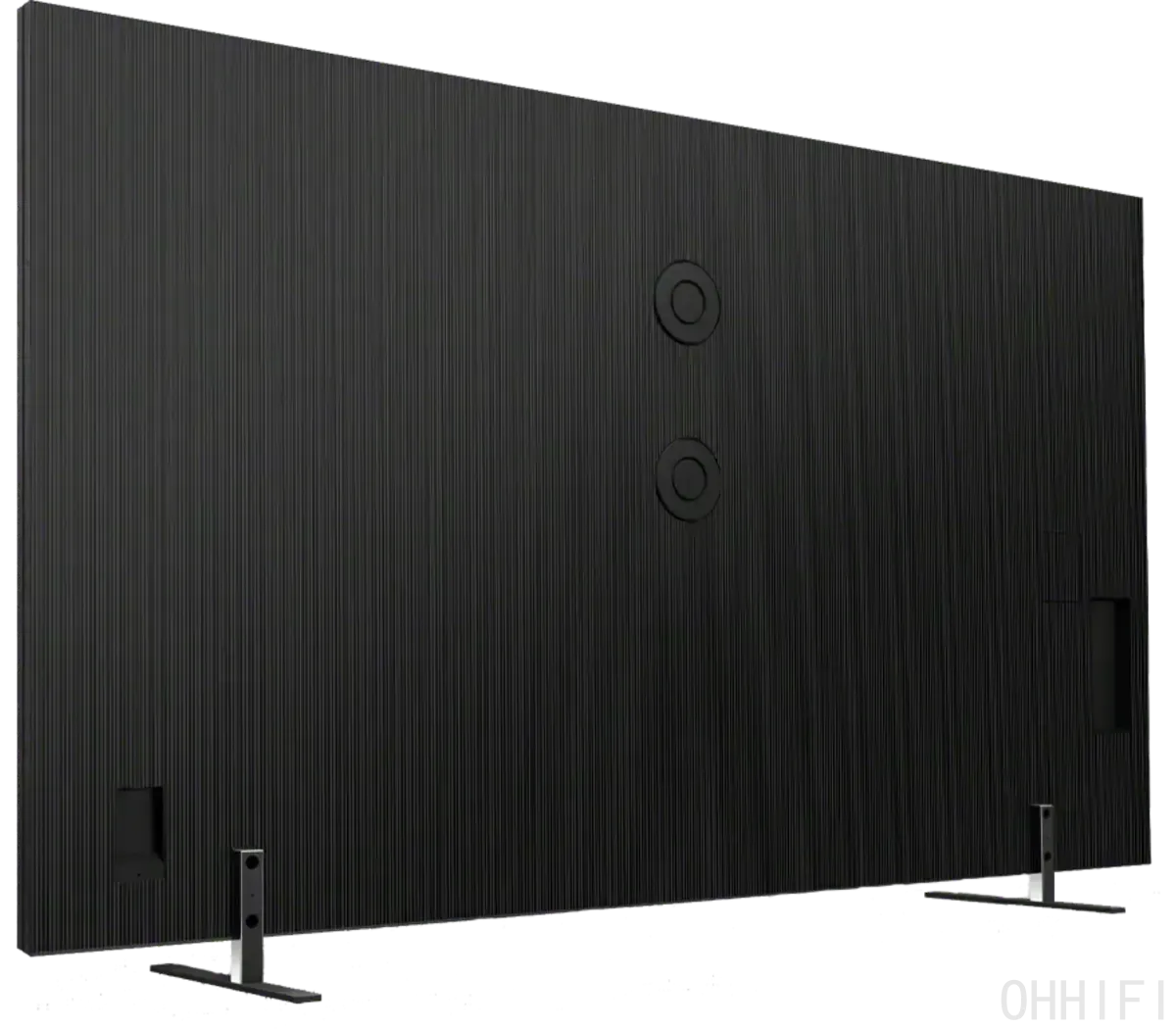
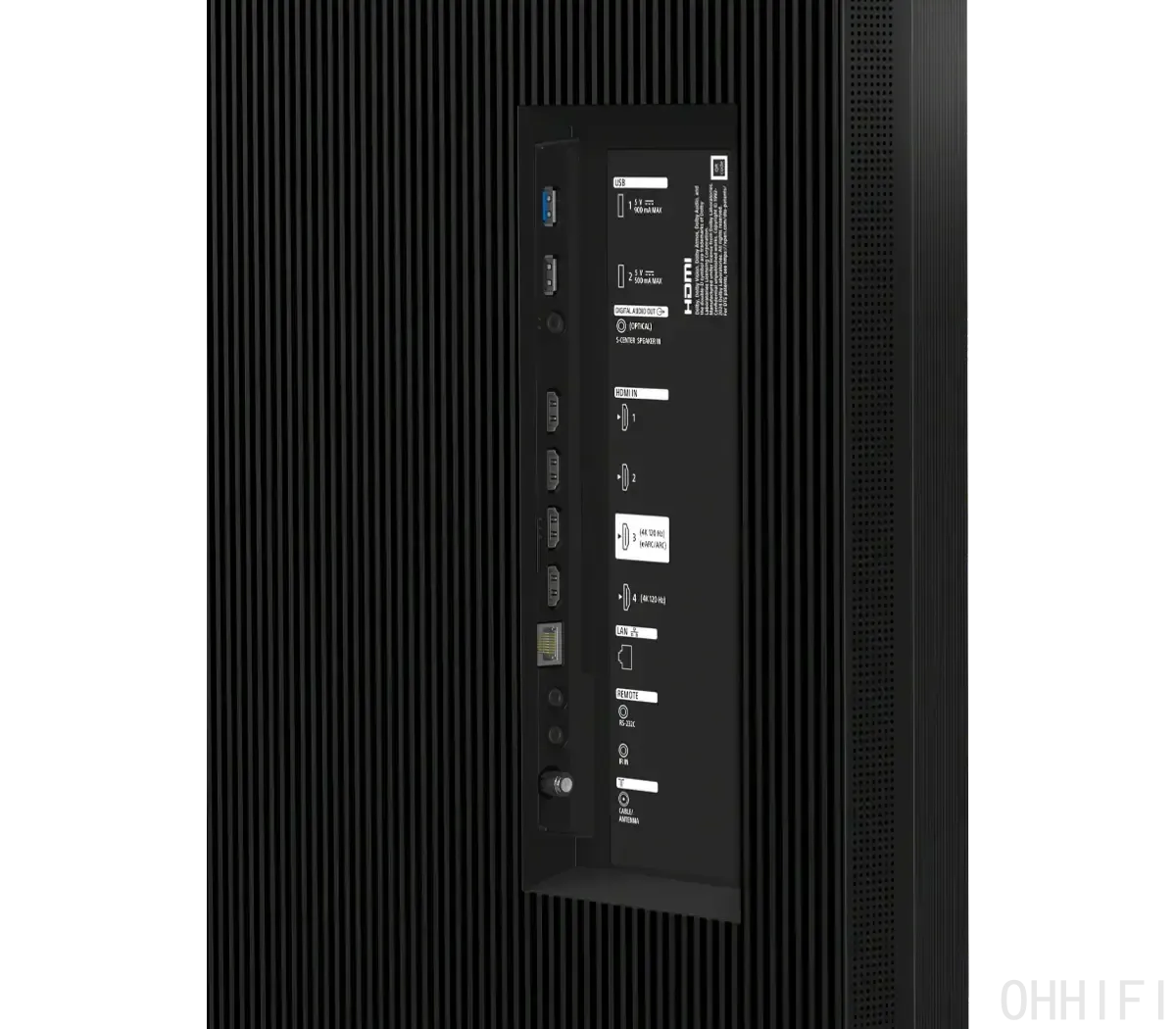
One detail that raised my eyebrow: by one hands-on count of an exposed 75-inch backlight, the set runs around 1,530 independent dimming zones — about 25 percent fewer than the Bravia 9. Sony's long-standing argument is that zone control beats zone count, and I broadly buy that. But a drop that size on a flagship is worth flagging until final review samples confirm it. Elsewhere: a semi-transparent "Mirage Stand" that fakes a floating look, an "Immersive Black Screen Pro" matte anti-reflective coating, a sound system bumped from 5.1.2 to 5.1.4 channels with a redesigned driver layout — and, depressingly, still just two HDMI 2.1 ports. In 2026. On a five-figure TV. Gamers, take note.
Context: First to the Party in 2005, Last to It in 2026
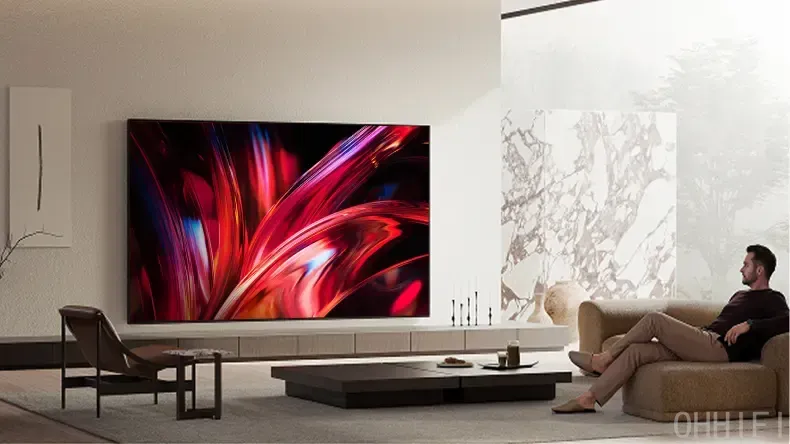
Here's the irony. Sony was technically first to market with an RGB-backlit LCD all the way back in 2005, then showed up nearly last to the current RGB Mini LED wave, after TCL, Hisense, Samsung and LG had already planted flags. The whole premium TV category has spent 2026 chasing the same prize: OLED's contrast and pixel precision married to LCD's brightness and scalability. RGB Mini LED is the closest anyone's gotten. Sony's pitch is simply that it waited and got the control right rather than just the spec sheet — and that it's offering the tech across sensible sizes, from 65 inches up to a 115-inch monster, rather than only at wall-swallowing scale.
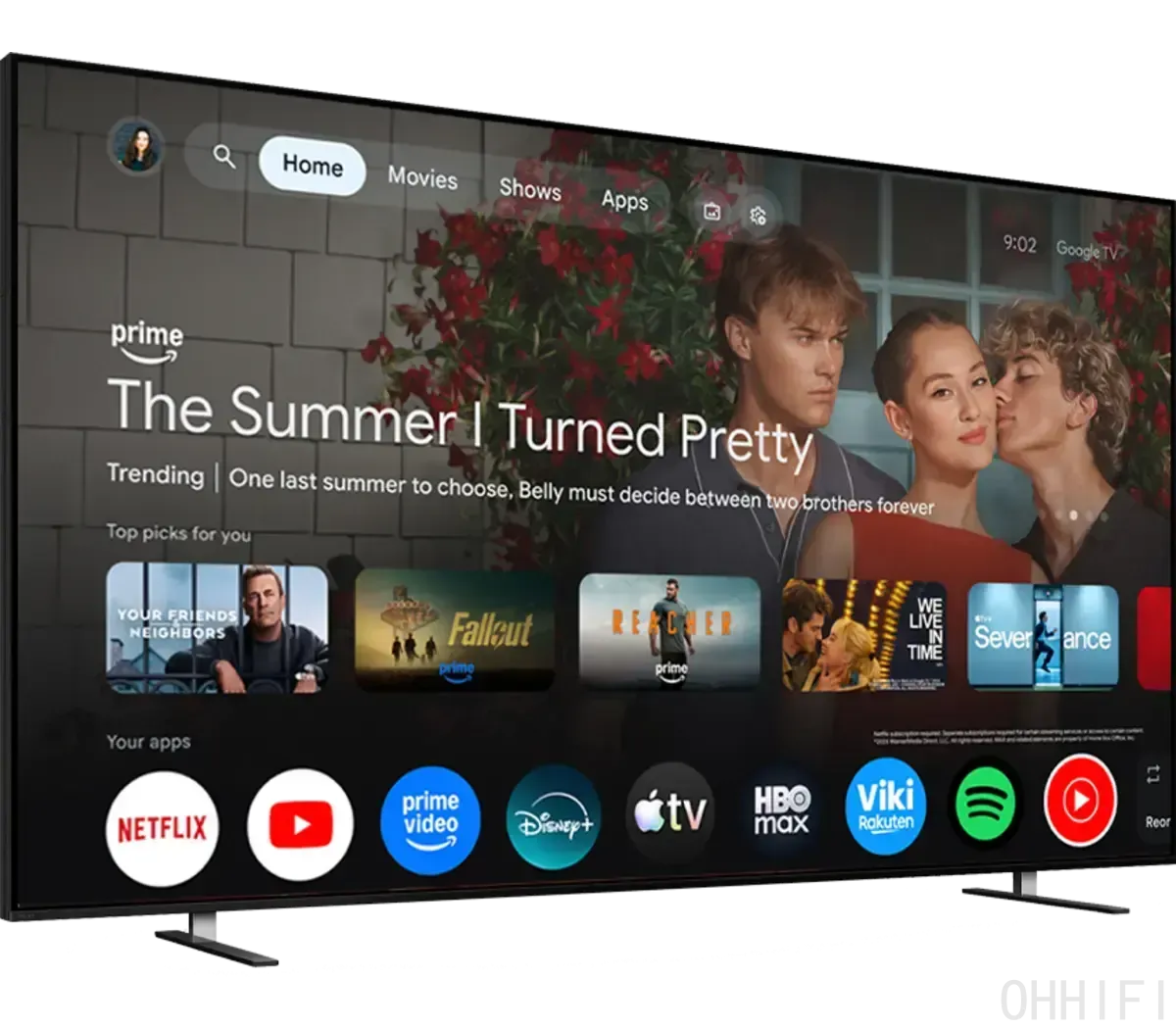
Compared to Predecessors and Rivals
| Rival | How it stacks up | Verdict |
|---|---|---|
| Sony Bravia 9 (predecessor) | The Bravia 9 II reportedly matches the mastering monitor more closely, with richer colour and any glow around highlights appearing in the right colour rather than white. It also showed wider viewing angles in early testing. | A clear step up — but fewer dimming zones and a slightly raised black floor in the very toughest scenes. |
| Hisense UR9 (RGB Mini LED) | Cheaper-feeling value play. The 65-inch claims up to 3,500 nits, 980 dimming zones, and three HDMI sockets plus a DisplayPort, but one full review found inconsistent colour balance and only okay gaming at its $3,500 launch price. | More connectivity, less polish. Sony should out-refine it. |
| Samsung / LG OLED flagships (S95H, G6) | The reference for solidity, perfect blacks and viewing angles. Can't touch the Bravia 9 II's brightness or sheer colour volume. | Different religion. Read "My Take." |
| TCL X11L (SQD Mini LED) | TCL's own flagship deliberately skips RGB, arguing its higher dimming-zone count beats RGB sets. Manufacturers also inflate RGB zone figures by counting sub-zones separately. | Proof that more colour isn't automatically more picture. |
My Take: An OLED-Beater on Paper, an OLED-Rival in Reality
I want to be clear this is a preview, not a verdict — nobody has run this set through a full lab gauntlet yet, including me. But two things look genuinely promising on paper and in the early hands-on reports, and one thing concerns me.
The promise: coloured blooming is the smart fix. Because the glow around a bright object inherits that object's colour, your eye reads it as natural light spill rather than a halo — the kind of detail that separates a clever backlight from a brute-force one. And 4,000 nits of accurate brightness genuinely matters in a bright living room, even if I remain unconvinced the floodgates of 4,000-nit content are opening any time soon.
What concerns me is the wobble. Early testing flagged that the red opening titles of Blade Runner 2049 came out pale and grey, with a pink tint creeping into white text — a clip a flagship should walk through, and one the cheaper Bravia 9 handled better. That's the sort of thing that's either a pre-launch firmware gremlin or a real architectural quirk, and it's exactly what a final review needs to settle. The bigger, more philosophical gap remains OLED's solidity: that perceptual three-dimensionality from pixel-level contrast that no number of dimming zones has yet matched. Brighter and more colourful? Almost certainly. An OLED killer? Not from what I've seen so far.
Who Should Watch This
Keep this one on your radar if you watch in a bright room, want a genuinely large screen, and care more about searing, accurate colour than about the last few percent of inky three-dimensional depth — and if you can live with two HDMI 2.1 ports. If you're a dark-room cinephile chasing absolute black and OLED's pop, or a serious gamer who needs four 2.1 inputs, hold for the OLED camp or wait for the full review. Either way, this is the most interesting TV Sony's launched in years — and possibly the last one it'll launch alone.


Comments