
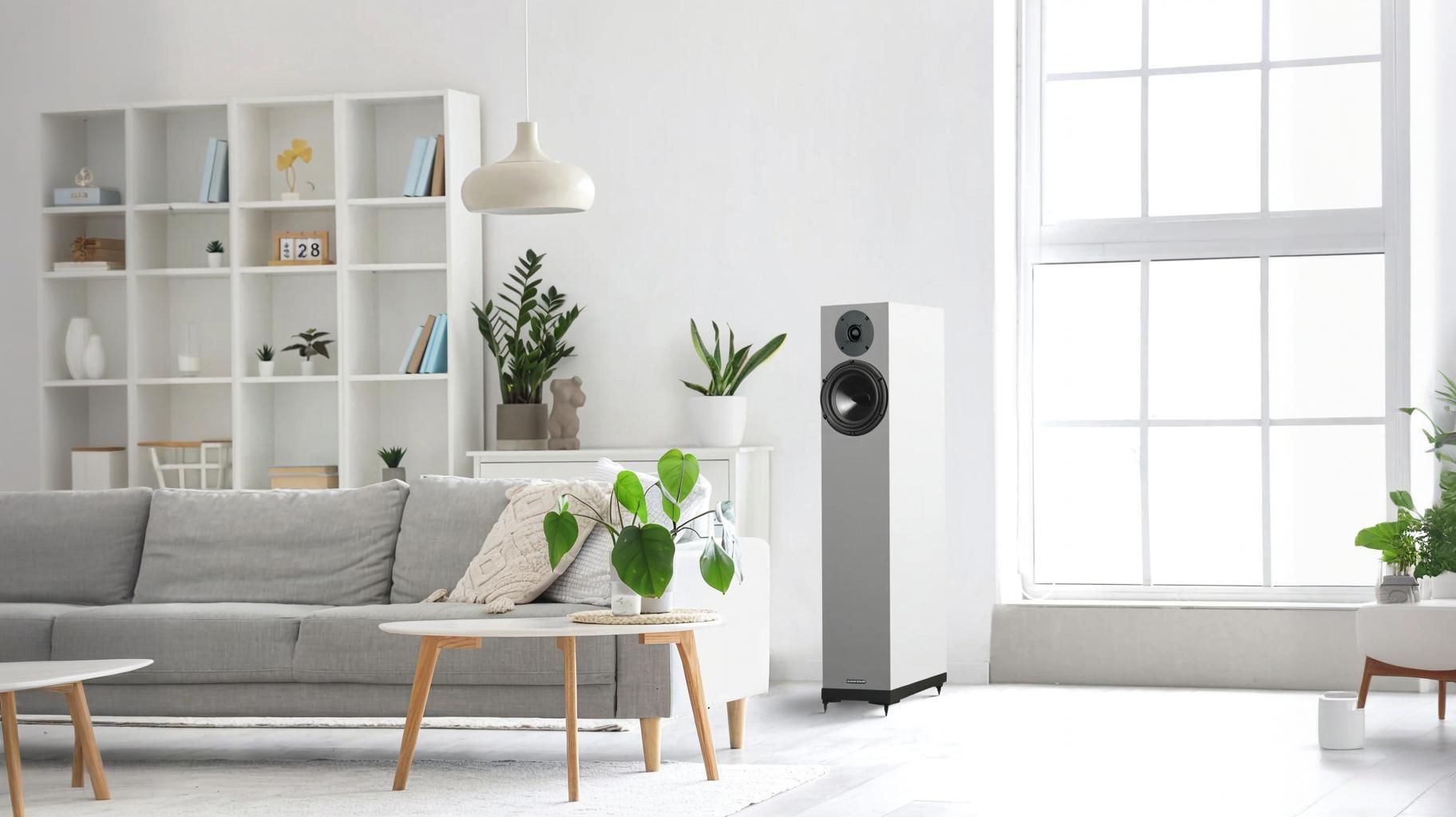
Spendor A7.2 Review: A Worthy Heir — With a Few Trade-Offs

There are speaker legacies, and then there is the Spendor A7. For six consecutive years — from its launch in early 2018 right through to 2024 — it won What Hi-Fi?'s Best Floorstander award at its price point, an almost comically consistent run that made it one of the most recommended floorstanders in British hi-fi. When a speaker holds a title for half a decade, the pressure on its successor is, to put it mildly, considerable.
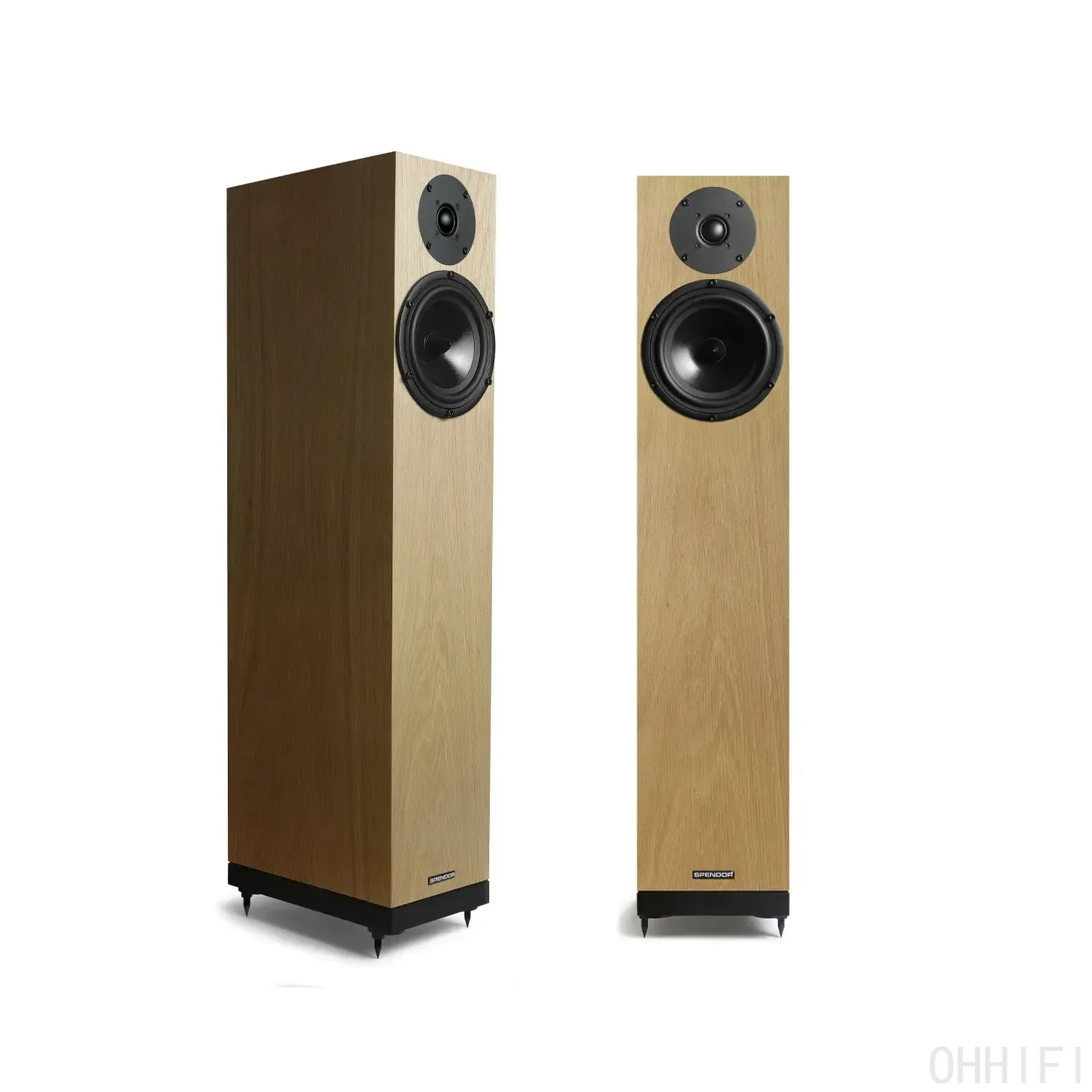
The Spendor A7.2 debuted at the Bristol Hi-Fi Show in February 2025, and the audio press took notice immediately. Not because it was a radical departure — it isn't — but because incremental updates to a beloved product are always the trickiest kind to get right. Too little, and the market asks "why bother?" Too much, and you risk alienating the loyal base. So where does the A7.2 land? We've lived with a pair for four weeks to find out.
Spendor A7.2 — Key Specifications | Price £3,995 / ~$5,495 per pair |
| Type 2-way floorstander | Sensitivity 85 dB / 1W / 1m |
| HF Driver 27mm polyamide soft dome | Impedance 6.75Ω (min 5.4Ω) |
| Bass/Mid Driver 18cm EP77 polymer cone | In-Room Response 33 Hz – 27 kHz |
| Crossover 2 kHz | Dimensions (HWD)934 × 180 × 305 mm |
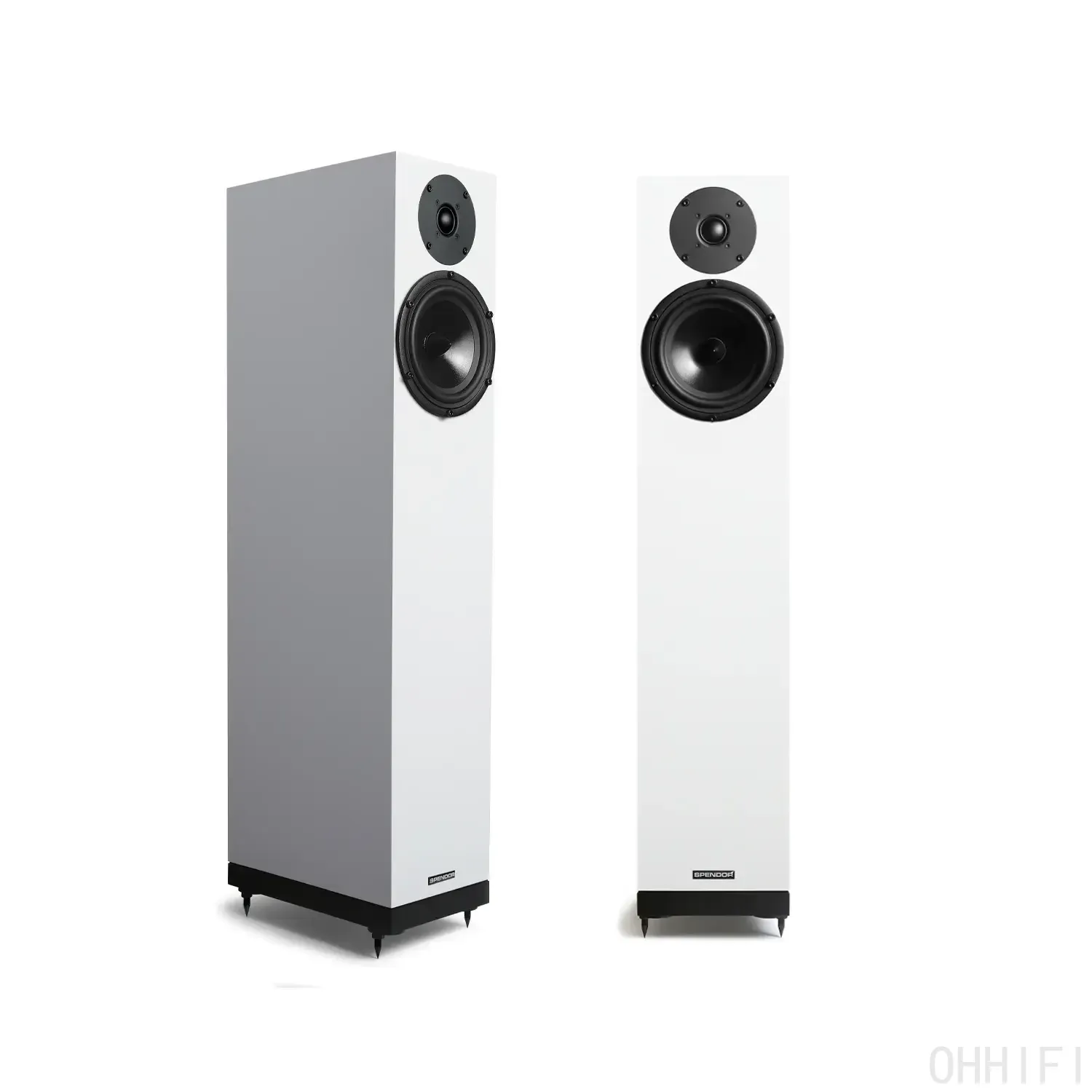
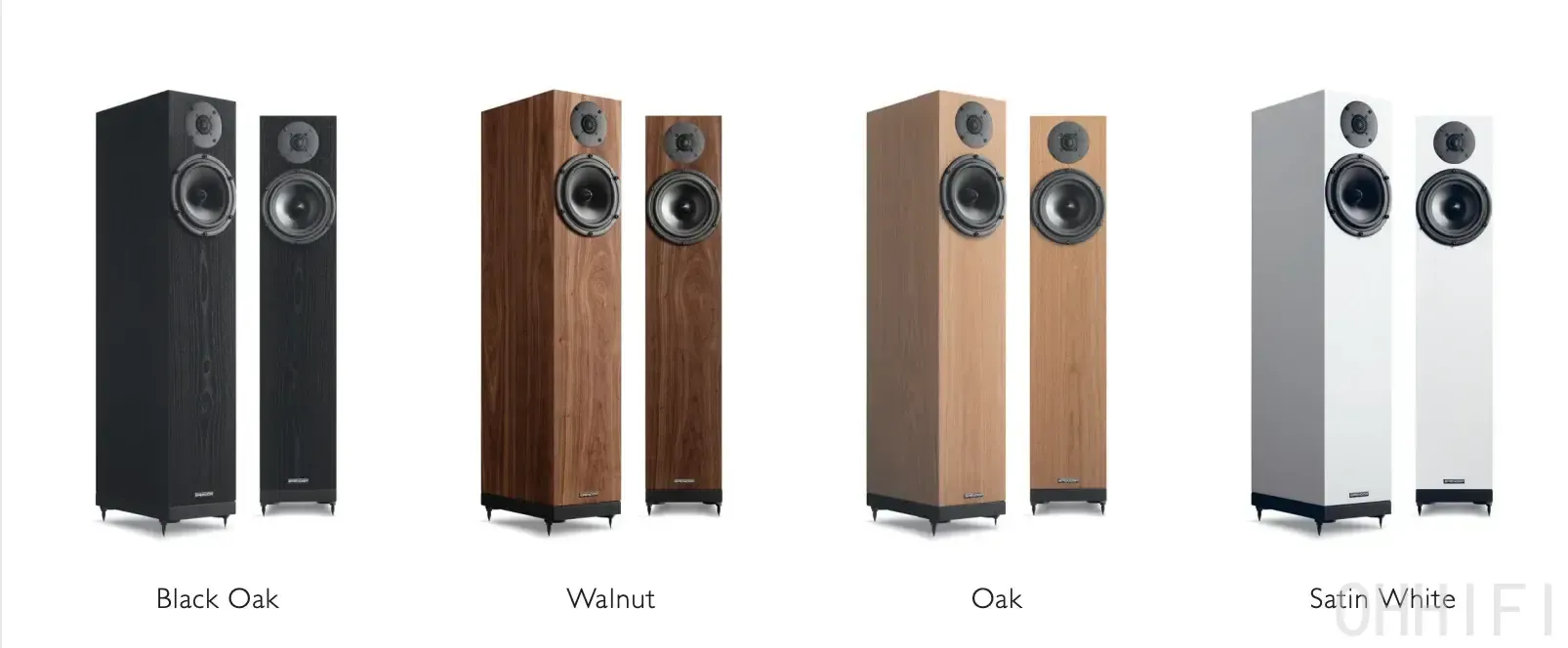
| Power Handling 150W unclipped programme | Finishes Black Oak, Walnut, Oak, Satin White |
| Weight 17.7 kg each | Amp Requirement 25–200W |
| Origin Made in UK (Hailsham, East Sussex) |
Design and Build Quality
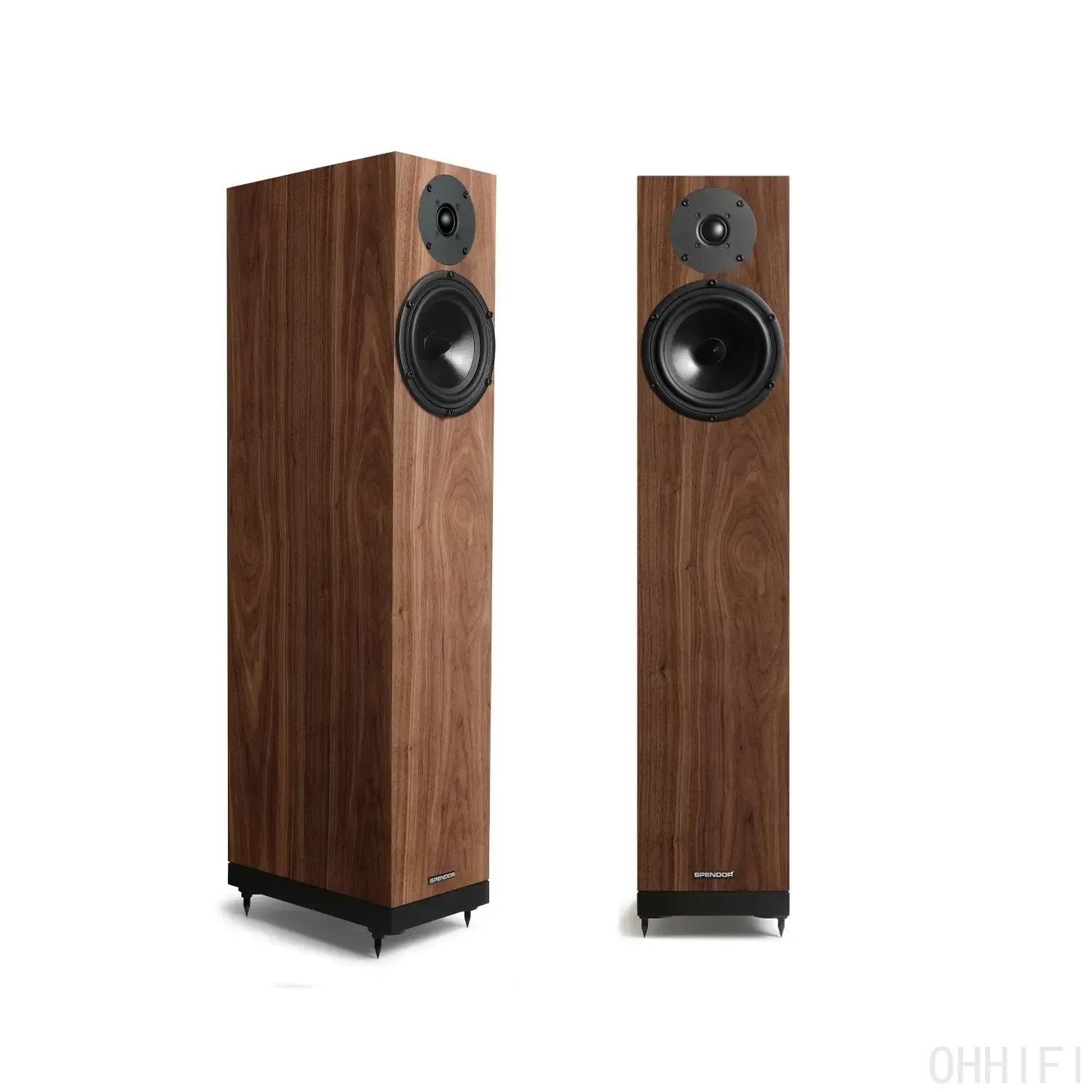
Pick up the A7.2 and the first thing you notice is how right it feels. The cabinet walls are solid, the veneer — Walnut in our case — is cleanly applied with no bubbling or misaligned grain matching, and the overall fit and finish is a cut above what you'd expect from a speaker at this price. Spendor operates its own cabinet-making facility in Hailsham, East Sussex, and it shows. The edges are crisp, the spike-plate interface at the base is engineered to a higher tolerance than most rivals manage.
The dimensions haven't changed much from the original: at 934mm tall and just 180mm wide, the A7.2 is about as slim as a floorstander of this caliber can reasonably be. It won't dominate your living room, and that continues to be one of its biggest real-world selling points. At 17.7kg a side, it's manageable to carry and position without a second pair of hands — not always a given at this price.
What has changed is more than a product refresh number suggests. The most visible difference is the tweeter: the original A7's distinctive 22mm wide-surround dome — a bespoke unit with a protective mesh grille — has been replaced by a larger 27mm polyamide soft dome with a rear-chambered loading cavity. Gone, too, is the grille that covered it. Cosmetically, the A7.2 looks slightly more conventional as a result, which may disappoint those who appreciated the original's cleaner fasciae. Sonically, the new tweeter's extended rear chamber is designed to improve high-frequency loading and widen the usable bandwidth below the crossover point.
Speaking of crossover points: the handover between the tweeter and the 18cm EP77 polymer mid/bass cone has dropped from a rather high 3.7kHz in the A7 to a more textbook 2kHz in the A7.2. That's a meaningful engineering decision — handing over lower gives the mid/bass unit less work to do at the top of its range and theoretically improves driver integration. Whether this translates into audible gains is something we'll get to shortly.
The port has also changed, and this is arguably the most puzzling choice Spendor has made. The original A7 used a rear-firing slot port — a rectangular bass reflex opening that Spendor argued produced less noise and distortion than a conventional round tube. The A7.2 replaces this with a traditional cylindrical port, repositioned from the base of the rear panel to roughly the midpoint. Spendor says the new port design reduces turbulence through optimized internal shaping, but the switch away from the slot port is still surprising given how much the company championed it in the previous generation.
There's one spec worth flagging early. Sensitivity has dropped from 88dB in the original to 85dB in the A7.2 — a 3dB reduction, which in real terms means you need roughly twice the power to achieve the same volume level. Combined with a nominal impedance of 6.75 ohms and a minimum dip to 5.4, this speaker will ask more of your amplifier than its predecessor did. We'd strongly recommend pairing it with something rated at 80W or above; lean integrateds at the 40–50W level may not tell the full story.
Test Equipment Used
Amplification: Naim Supernait 3 (80W), Rega Elicit-R (105W), Hegel H190 (150W) · Sources: Rega Planar 3 / Exact 2, Innuos Zen Mini Mk3 / Chord Qutest · Cables: Chord Company Signature Reference, Naim NACA5 · Room: 4.5m × 5.8m treated listening room, carpeted, with diffusion panels on the rear wall
Setup and Positioning
Positioning the A7.2 took a bit of patience. The original A7's slot port made it tolerant of wall proximity; the new tube port demands a bit more breathing room. We found the sweet spot with the rear panels about 65–75cm from the front wall, with a moderate toe-in of around 10–12 degrees. Too close to the wall and the bass thickens up noticeably; too far out and the soundstage widens to the point of losing center fill. Once properly placed, the reward is significant — which is always a good sign that a speaker has real capability to unlock.
The adjustable spike feet are well-engineered and easy to level. Coupling to our suspended wooden floor via the provided carpet discs took about ten minutes. Spendor recommends some run-in time — we'd say 60–80 hours minimum before drawing any firm conclusions.
Listening Impressions
We'll start with the good news, because there's a lot of it. The A7.2's midrange is exceptional. Voices — male and female, classical and contemporary — have a naturalism that is distinctly Spendor in character: there's no added warmth or artificial richness, just an honest, grain-free presentation that lets the recording speak. Listening to Nick Drake's Five Leaves Left on vinyl, the interplay between Drake's fingerpicking and his voice felt intimate without sounding claustrophobic, the A7.2 presenting the near-field recording character of the album with a kind of effortless clarity that few speakers at this price consistently manage.
The midrange is exceptional. Voices have a naturalism that is distinctly Spendor in character — there's no added warmth or artificial richness, just an honest, grain-free presentation that lets the recording speak.
Imaging is another strong suit. Switching to the Hegel H190 — our most revealing amplifier in the test chain — the A7.2 projected a wide, stable stereo picture with a well-defined center image. Dave Brubeck's Take Five placed Desmond's alto sax at a convincing height above the floor, with Morello's kit spread naturally behind. The front-to-back layering within the soundstage was impressive for a two-way speaker, suggesting the new crossover topology is doing its job well at blending the two drivers coherently.
Bass is where the A7.2 makes the strongest case for its revised engineering. The low frequencies are notably articulate — tight and tuneful in the manner that British speakers typically prize over sheer extension. Steely Dan's Aja, an album that can punish sluggish woofers mercilessly, was handled with real composure. Chuck Rainey's bass lines had texture and drive, never becoming bloated even at higher playback levels. We measured useful bass output to around 35Hz in our room, which is realistic and broadly in line with Spendor's 33Hz claim.
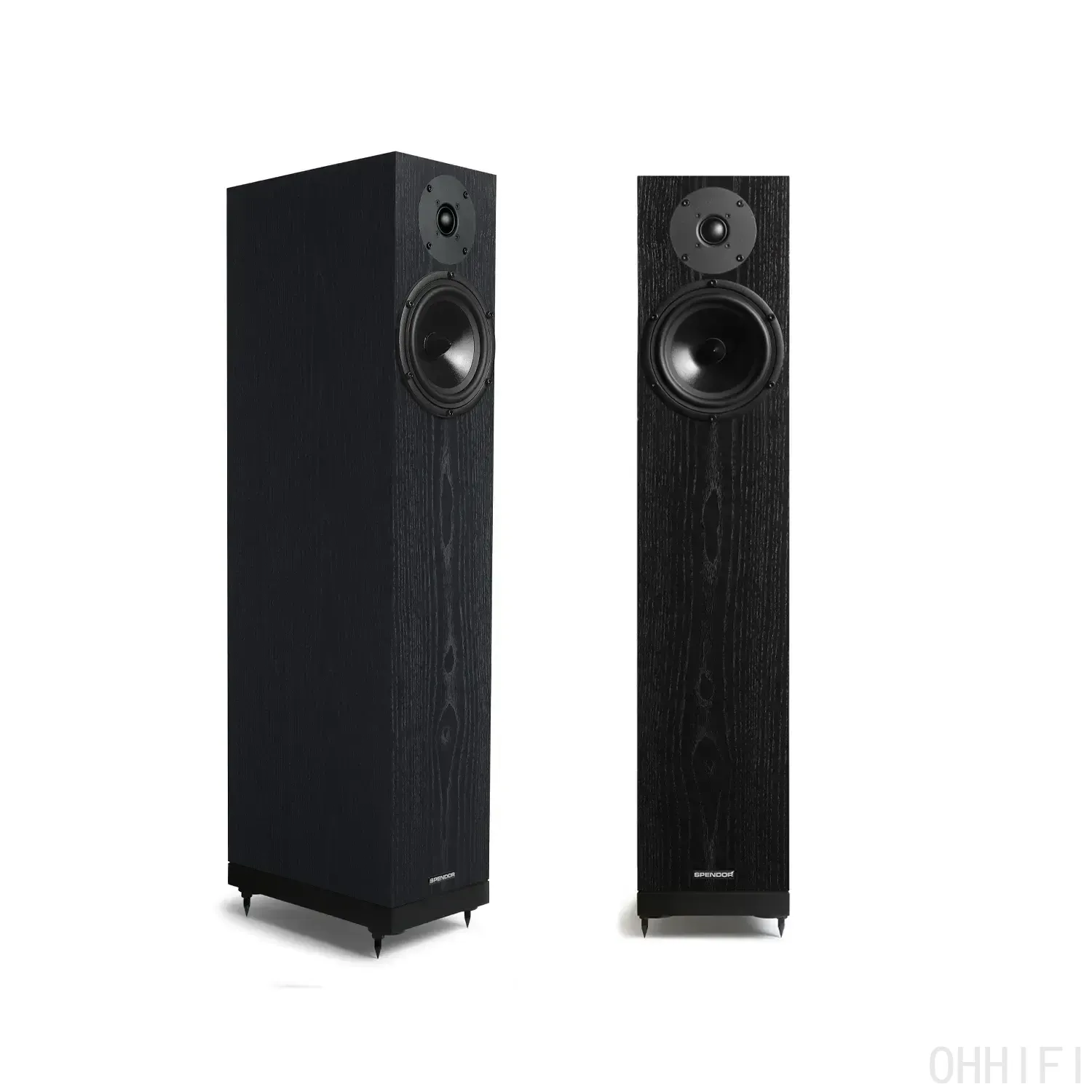
The tweeter, however, prompts a more nuanced response. It is undeniably more extended at the top than the original's 22mm unit, and this does add air and sparkle to cymbal-heavy recordings. But there's a faint dryness on some material — particularly female vocals that sit in the upper midrange — where the handover region around 2kHz occasionally draws attention to itself. It's not a sibilance issue, and it's not consistent enough to call a flaw. But returning to the original A7 in a side-by-side session, we found the older tweeter integrated in a slightly more seamless, organic way. The A7.2 may be technically superior on paper, yet the original had a certain "you forgot you were listening to a speaker" quality that the .2 doesn't fully replicate.
Dynamic scaling is competent. The A7.2 handles symphonic crescendos and kick drums without compression or obvious strain — it's more of a controlled, composed performance than one that grabs you by the collar. Played at moderate volumes — which is where most home listening happens — it's excellent. Pushed hard, it remains clean but doesn't convey the sense of complete effortlessness that larger, more sensitive speakers do at equivalent SPLs.
How Does It Compare to the Competition?
The A7.2 enters a genuinely competitive field. At around £4,000 in the UK and $5,400–$5,600 in North America, you're in a bracket that includes some formidable alternatives.
| Speaker | Price (approx.) | Type | Character | Sensitivity |
| Spendor A7.2 | £3,995 / $5,495 | 2-way floorstander | Neutral, musical, articulate | 85 dB |
| ProAc D20R | £4,200 / $5,800 | 2-way floorstander | Warm, layered, ribbon-smooth treble | 88 dB |
| Dynaudio Evoke 30 | £3,600 / $4,999 | 2.5-way floorstander | Wide dynamic, punchy, controlled | 87 dB |
| PMC Twenty5 23i | £3,900 / $5,200 | 2-way floorstander | Analytical, deep bass via ATL, fast | 87 dB |
| Kudos Super 20A | £4,500 / $6,100 | 2-way standmount | Open, involving, rhythmically strong | 87 dB |
The ProAc D20R is probably the A7.2's most direct rival in character, and the comparison is genuinely interesting. Where the Spendor pushes the music slightly forward — it has an engaging, present quality — the ProAc takes a more rearward perspective, projecting a deeper soundstage in which the listener is invited in rather than addressed. The D20R's ribbon tweeter gives it a particular delicacy in the upper registers that the A7.2's polyamide dome doesn't quite match. On acoustic guitar and violin, the ProAc is simply more beautiful. The Spendor counterpunches with better bass articulation and a tighter, more propulsive low end. It also disappeared more convincingly into the room at closer wall proximity, at least in our testing. Which you prefer will tell you something about your musical priorities and perhaps your room size.
The Dynaudio Evoke 30 enters the conversation at a slightly lower price point, and it's a genuinely strong performer. Its 2.5-way configuration gives it a bass authority the two-way A7.2 doesn't fully match, and Dynaudio's Cerotar tweeter is one of the best soft domes at any price — extended, smooth, and never bright. Against the A7.2, the Dynaudio feels more energetic and physically visceral, particularly with rock and electronic music. The Spendor is the more refined and tonally accurate performer for acoustic and classical material. If your collection skews heavy, the Dynaudio is worth a serious listen.
The PMC Twenty5 23i takes a different approach entirely, using PMC's famous ATL (Advanced Transmission Line) bass loading to dig lower and with more authority than either a conventional reflex or a sealed box can manage at this cabinet size. The PMC is the most analytical of the three — fast, incisive, almost ruthlessly honest. It's a brilliant speaker for critical listening but can feel relentless over long sessions in ways the A7.2 never does. The Spendor is simply more livable.
The Original A7 Question
We'd be doing readers a disservice if we didn't address this directly: is the A7.2 better than the speaker it replaces? The honest answer is — in most ways, yes, but not in all ways.
The A7.2 has better bass articulation, a more extended top end, and crossover engineering that is technically more conventional and arguably more correct. The original A7's 3.7kHz crossover point asked a lot of its tweeter's lower octave and its mid-bass driver's upper reach simultaneously. The new 2kHz point cleans that up.
But the original A7 had a particular musical coherence — a seamlessness in the driver integration — that made it exceptional even by the standards of its price bracket. That quality contributed to it winning its award for six straight years. The A7.2 is a very good speaker. The original A7 was, at times, a magic speaker. The gap between those two things is hard to quantify but not hard to hear.
The A7.2 is a very good speaker. The original A7 was, at times, a magic speaker. The gap between those two things is hard to quantify but not hard to hear.
Amplifier Matching Matters More Than Before
Given the reduced sensitivity (85dB) and lower nominal impedance (6.75Ω), this is not a speaker you can pair casually. Our best results came with the Hegel H190 — a muscular 150W-per-channel design with a damping factor high enough to grip the 18cm woofer firmly. The Naim Supernait 3 was also excellent: Naim's current-delivery characteristics suit the Spendor's impedance curve well, and the pairing produced some of the most rhythmically alive results we heard. We'd recommend steering clear of valve integrateds below 30 watts. The A7.2 will technically function with them, but it won't thrive.
One thing the A7.2 does consistently well across amplifiers is expose what's upstream of it. Feed it a mediocre source or a budget DAC and it will tell you politely but firmly. This is the kind of speaker you buy when your system is reaching a level of maturity — not as an entry point, but as a destination.
What Works Well |
|
|
|
|
|
|
|
Areas of Concern |
|
|
|
|
|
|
Verdict
The Spendor A7.2 is a well-engineered, beautifully built, and genuinely musical floorstander that upholds the core values of its celebrated predecessor. Its midrange is among the best at this price, its bass is taut and tuneful, and its cabinet quality would not disgrace a speaker costing considerably more. It is not, however, a straightforward upgrade. The reduced sensitivity and lower impedance demand a more serious amplifier investment. The new tweeter adds extension but gives up some of the seamless integration the original A7 achieved so reliably. And the port redesign, while functional, makes positioning slightly more demanding. If you're buying fresh into the £4,000 floorstander market, the A7.2 absolutely belongs on your shortlist — alongside the ProAc D20R if you prefer a more relaxed, layered presentation, and the Dynaudio Evoke 30 if you want more low-end authority and dynamic slam. But if you already own an original A7 in good condition, there is no urgent case for upgrading. The legacy the A7.2 inherits is formidable. It steps up — just not in every direction. |



Comments