Last Updated:

ZMF Caldera Closed: The Closed-Back That Forgot It Was Closed

Frank Sterling
Frank Sterling Headphones

At $3,499, the Caldera Closed lands squarely in TOTL territory — the kind of price point where every dollar needs justification and the competition gets serious. ZMF took their already well-regarded Caldera open-back and built a closed version around it, which sounds simple on paper but is genuinely one of the harder engineering problems in headphone design. Closed-back planars tend to suffer. Standing waves pile up, the soundstage collapses, and the whole thing starts sounding like you're listening inside a tin can. ZMF's answer is the ADS (Atrium Damping System) — a floating damper that doesn't attach directly to the rear of the driver or the back of the cup, combined with segmented diffusion to break up resonances before they compound. Whether or not you care about the engineering, you can hear it working.
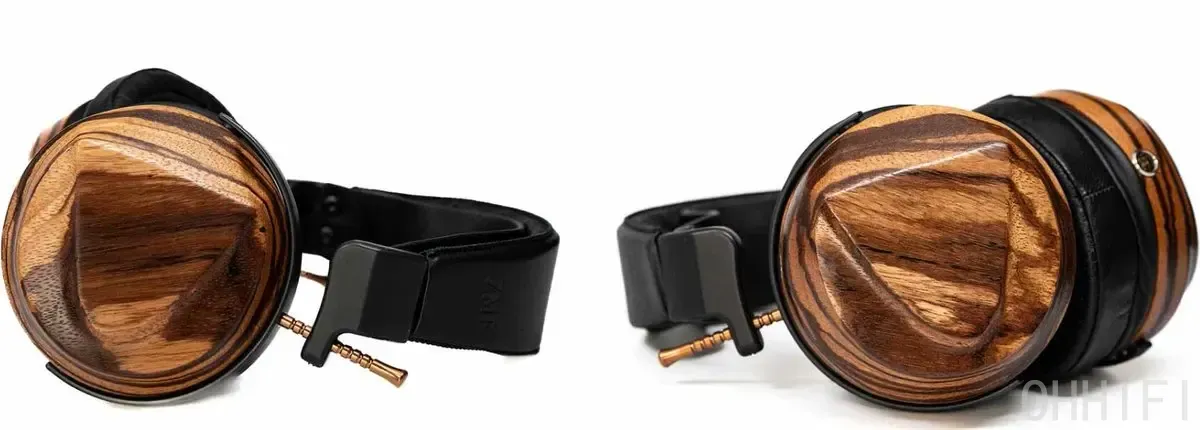
ZMF Caldera Closed

The driver itself is an 80mm planar with ZMF's CAMS (Caldera Asymmetrical Magnet Structure) technology, a 2μm-thick diaphragm with gold-plated copper traces and a silver coating to maximize excursion. Impedance sits at 60Ω with 94dB/mW sensitivity — not particularly efficient. You'll want a proper amp here. Plugging these into a dongle and calling it a day is doing them a disservice, though they will technically play.
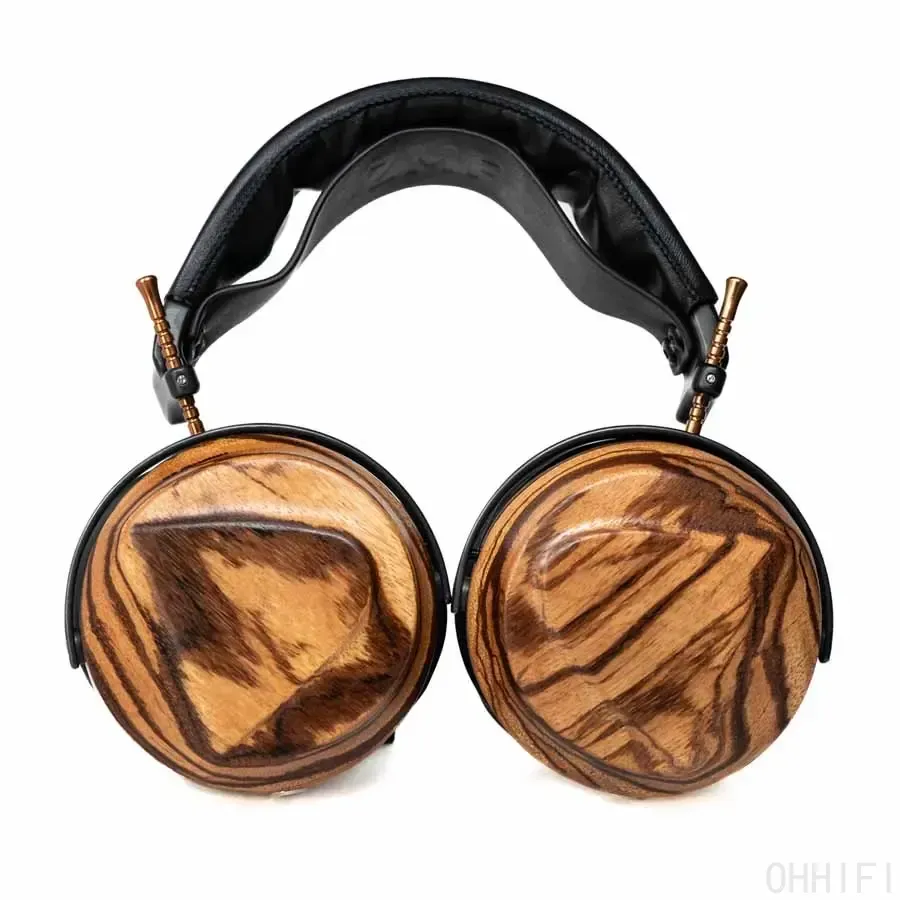
ZMF Caldera Closed

How it actually sounds

 
The first thing that grabs you is the sense of space. For a closed-back, the Caldera Closed delivers a sound that is more spacious, natural, and open compared to pretty much any other closed-back you're likely to have heard. That's not marketing language — it's a genuine structural achievement. The ADS diffusion staging creates what feels like staged depth rather than a sealed wall behind the notes, and the result is a soundstage that doesn't embarrass itself next to decent open-backs.
 
Tonally, ZMF has nudged the tuning slightly toward the Harman target compared to the open version, but this isn't a Dan Clark situation where the curve has been chased aggressively. ZMF don't trouble themselves with perfect graphs or numbers — they make headphones that are beautiful in looks and in subjective sound quality, and that's easily apparent when you listen. The low end has more body and weight than the open Caldera, which some will love and others will note. Bass is articulate and controlled — it drives rather than blooms. Kicks have good body, the bassline stays articulate, and vocals come across smooth without sounding overly coloured.
 
ZMF Caldera Closed
 
The treble deserves special mention. It's sharp and concise, sibilance is easily held at bay, and harshness is a rarity even at high volumes. There's real extension up top — sparkle when the recording calls for it — but the tuning never tips into that fatiguing brightness that plagues so many planars at this tier. They're not as bombastic as the Ori 3.0, yet not quite as neutral as the Susvara; they straddle a middle line of being crisp and detailed while retaining a great sense of punch and energy when called for.
Against the competition
 
At $3,500, you're also looking at the Dan Clark Audio Expanse, the Audeze LCD-5, and the HIFIMAN HE1000se (now shifted in pricing but still relevant). Each takes a different philosophy. The HE1000se pulls ahead on low-level micro-detail retrieval, but on the larger macro details — transient impact, timbral weight, dimensional staging — the gap is much narrower than the spec sheet suggests. The DCA Expanse is technically impressive and more neutral, but it lacks the organic texture that ZMF builds into every product. The Audeze LCD-5 is a revelation for resolution and speed, though its lean midrange tonality is divisive. The Caldera Closed sits in a different emotional register — it's the most natural-sounding of these options, trading some analytical resolution for something that just sounds right with a wider variety of music.
 
Amp pairing matters more than it might with other headphones. The reviewer's personal favourite pairing was the ZMF Aegis — a SET amp that pulls genuine synergy from the Caldera Closed's tonality. Solid-state works fine (the iFi iCAN Phantom was used as a reference throughout), but tubes breathe life into the midrange in a way that's hard to ignore once you've heard it. The Cayin HA-6A MKII was also in rotation and acquitted itself well.
ZMF Caldera Closed

Build and ergonomics — the honest part
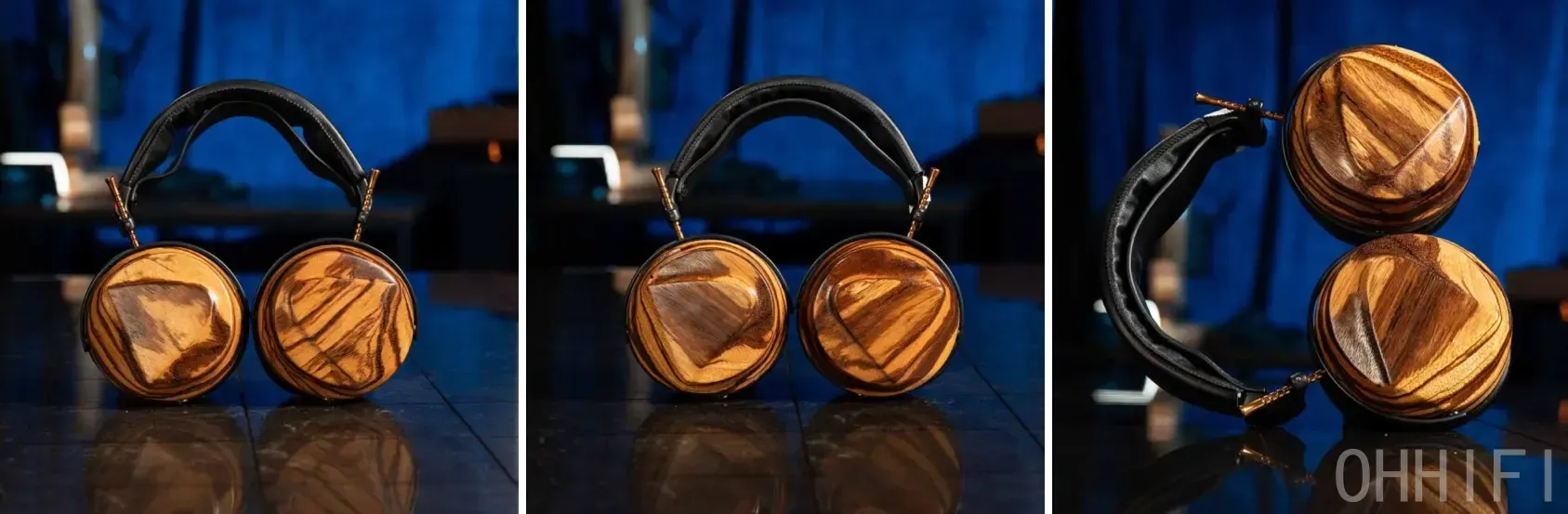
 
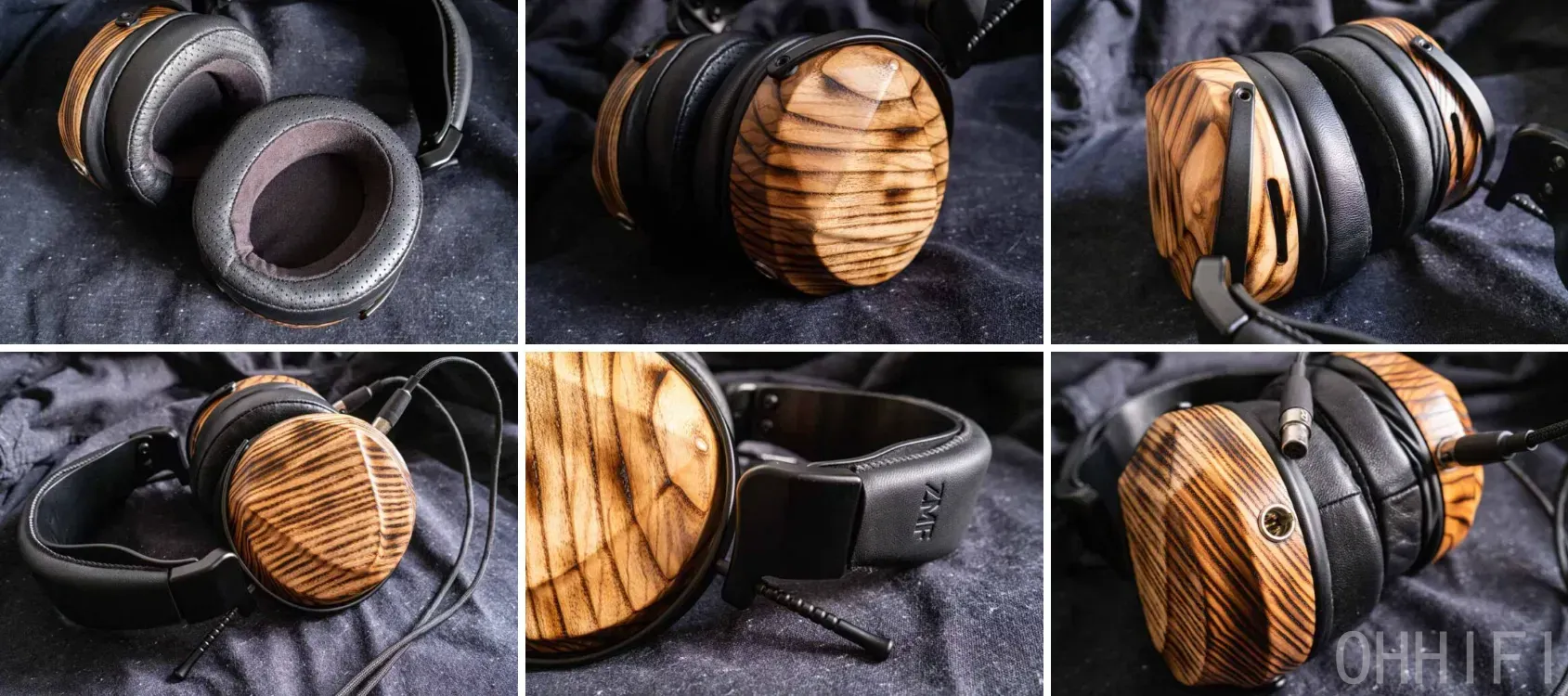
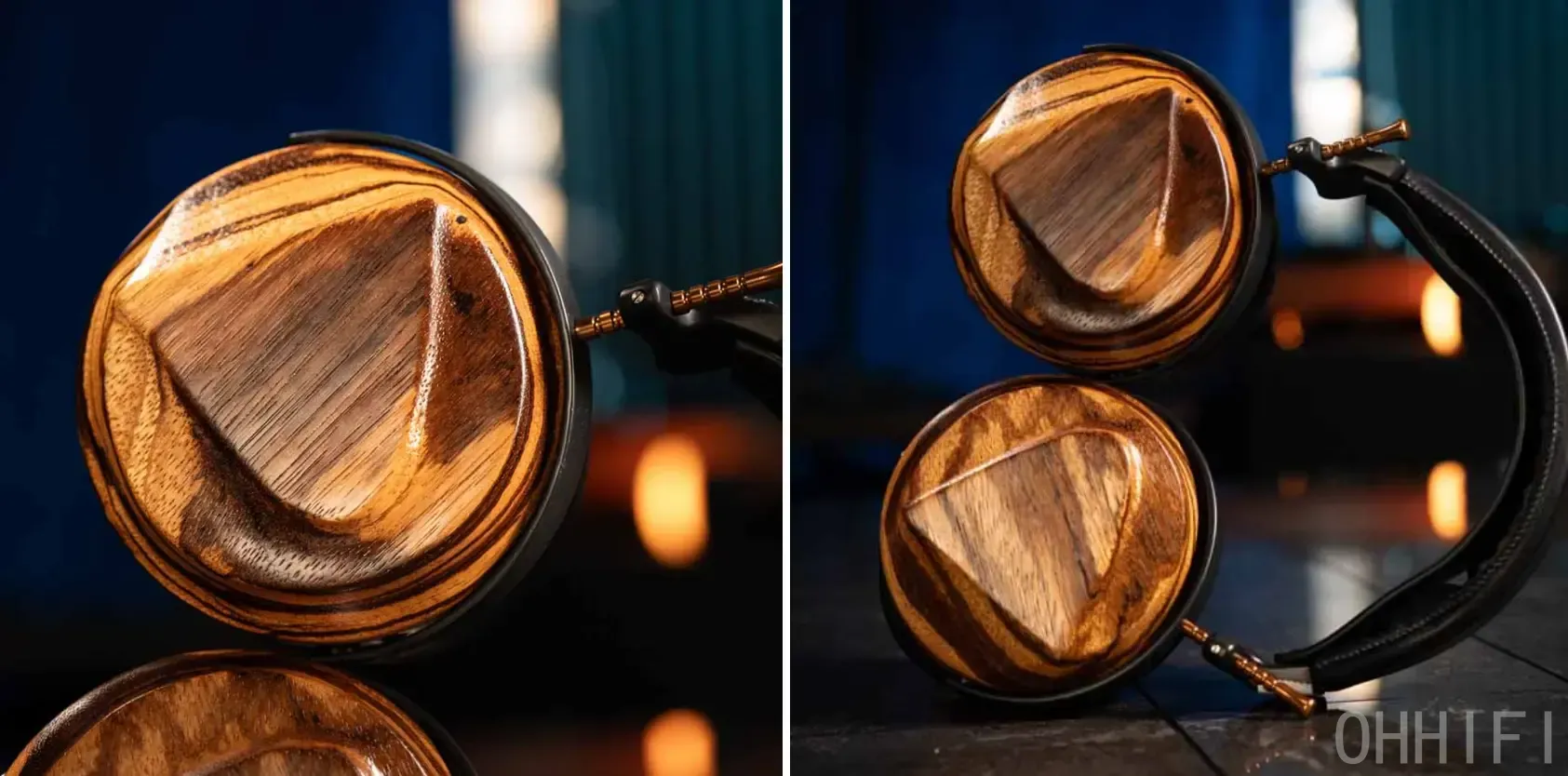
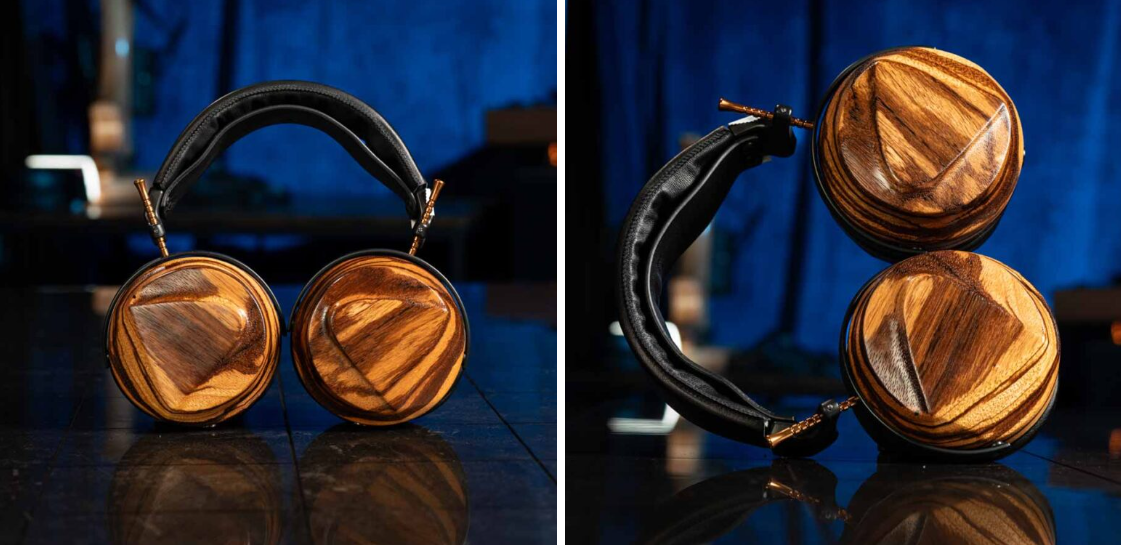
ZMF headphones are handcrafted in Berwyn, Illinois. Wood cup options include shou sugi ban ash and zebrawood; chassis choices are aluminum or magnesium (the latter adds $250). The build quality is exceptional. The pad system is modular and pad-rolling genuinely changes the sound in meaningful ways — an optional tuning kit ($160) extends that further with multiple pad types and tuning meshes.
 
What's less easy to ignore: the headphones are heavier and bulkier than comparable models, the cups noticeably larger, sticking out further from the head in a way that some will find visually imposing. Weight sits between 535–585g depending on configuration. Extended sessions will remind you of this. It's the perennial ZMF trade-off — exceptional materials and acoustic engineering in a package that demands physical commitment.
ZMF Caldera Closed

The bottom line

 
The Caldera Closed is the rare closed-back that doesn't feel like a compromise. It exists for a specific kind of listener: someone who wants the Caldera tuning and its emotional engagement, who needs isolation or simply prefers a sealed design, and who is willing to feed it properly amplified signal. It won't out-resolve the LCD-5 in a lab test, and it won't match the sterile precision of a DCA Stealth. What it does is play music convincingly, with real tonal density, spatial credibility, and that particular ZMF quality where you stop thinking about the equipment and start listening to the song. At $3,499, that's worth something.
Comments