
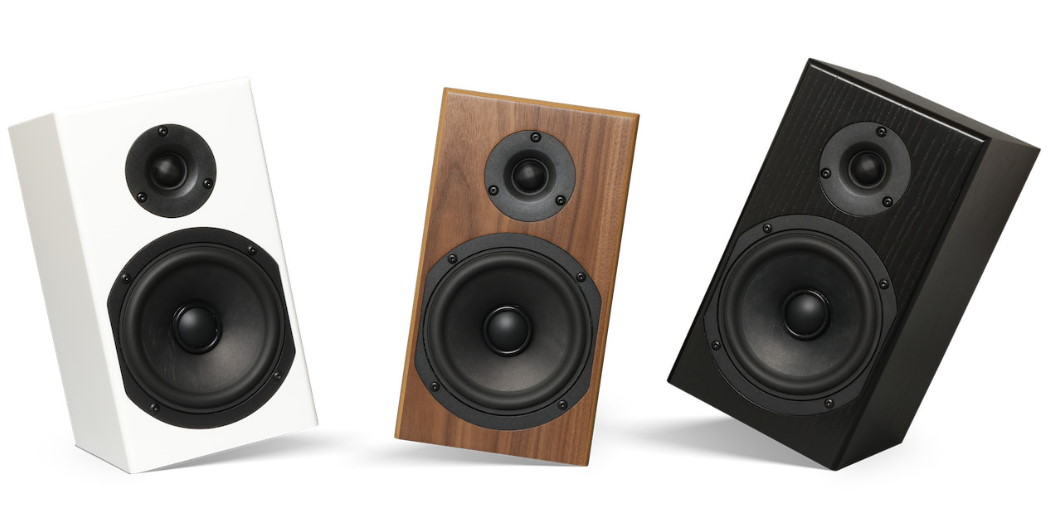
The Totem Acoustic LOON Monitor Review

Small cabinet, hand-built in Montreal, priced to compete with the big names — the LOON Monitor is Totem's most accessible speaker ever. We lived with it for weeks to find out what it actually sounds like.
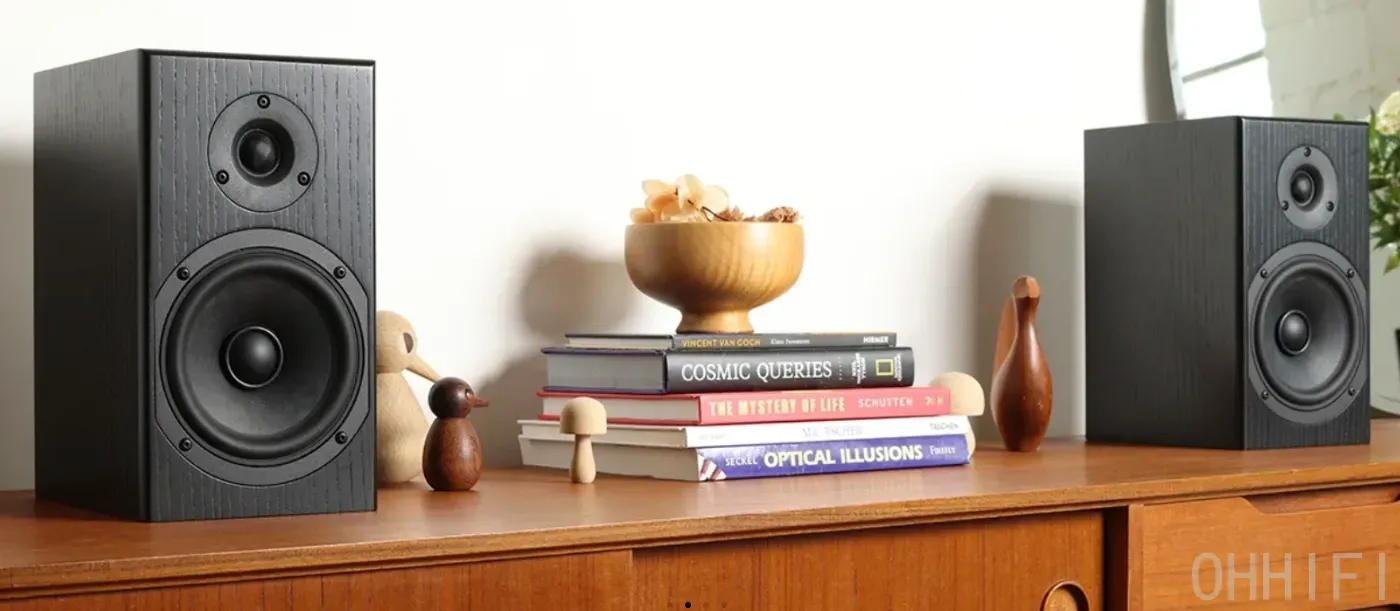
There is something almost perversely satisfying about Totem Acoustic releasing its most affordable speaker in thirty-seven years of business. The Montreal-based company built its reputation on expensive, obsessively-crafted standmounters — the original Model 1 is still whispered about reverentially in audiophile circles — so when it unveiled the LOON Monitor at $1,299 a pair, a few eyebrows went up. That's entry-level territory for Totem, but it's a serious chunk of money in the real world, and at that price the competition is stiff.
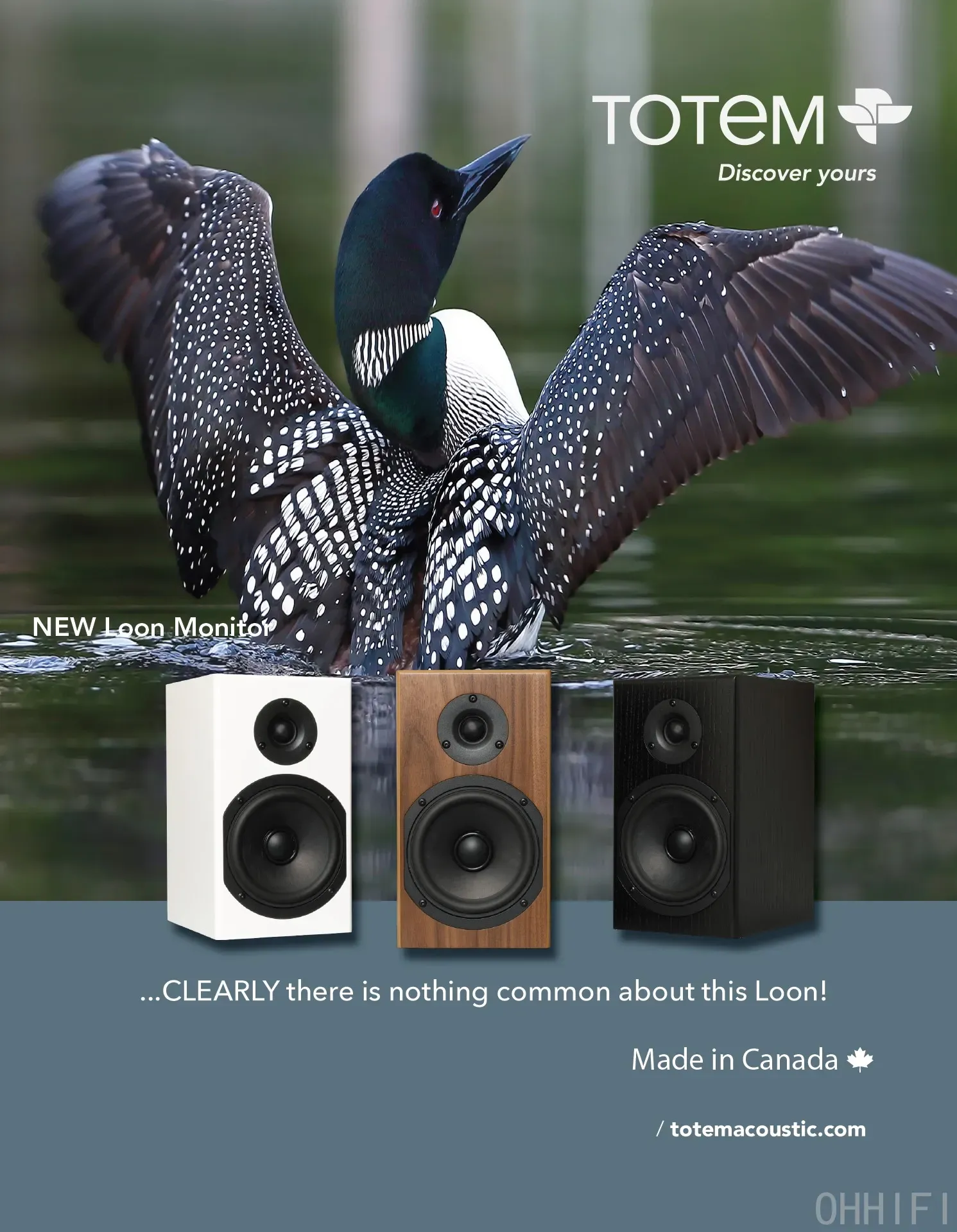
We spent several weeks with the LOON Monitor, running it with a range of amplification from a modest integrated to a proper separates setup, and putting it up against some of the strongest alternatives in this price bracket. Here is what we found.
Build Quality & Design
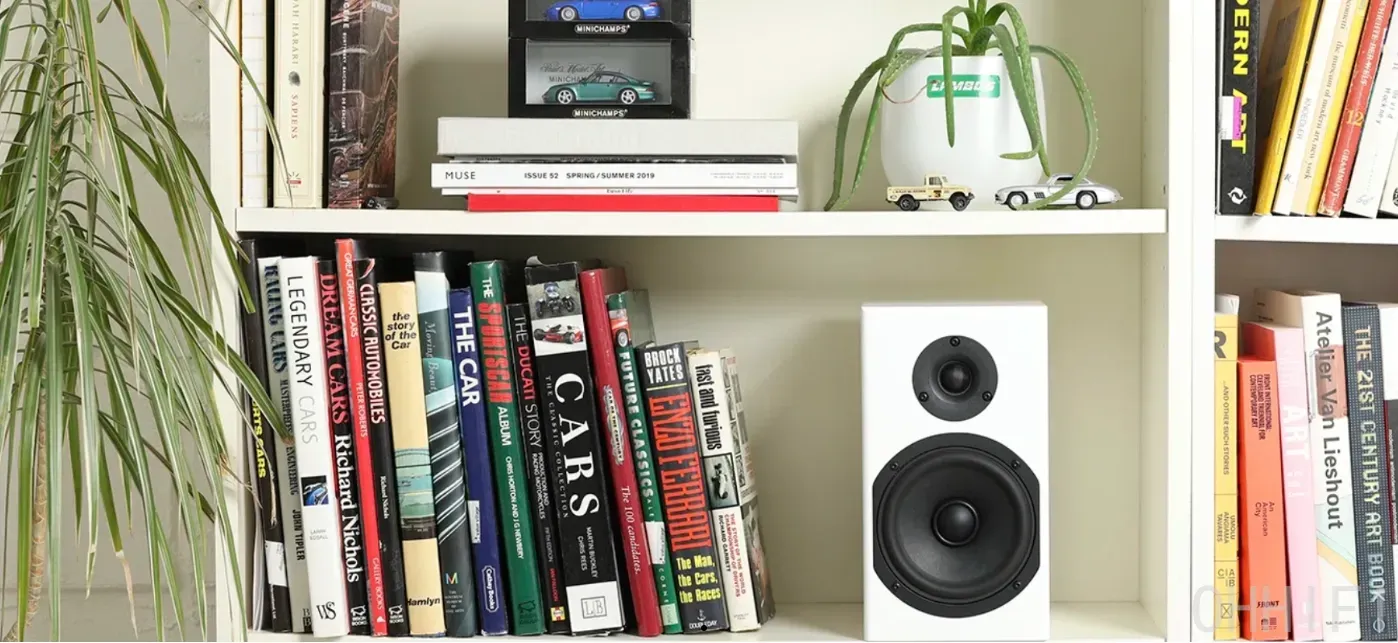
Open the box and the first thing you notice — before you've even thought about listening — is how well the LOON Monitor is put together. The cabinet uses lock-mitered corner joints, a construction method that dramatically stiffens the enclosure and virtually eliminates the hollow-box colorations that plague lesser standmounters. The real-wood veneer (our review pair arrived in Black Walnut; Black Ash and Satin White are also available) is applied with genuine care, with grain matching that you simply don't see at this price from speakers manufactured in Asia.
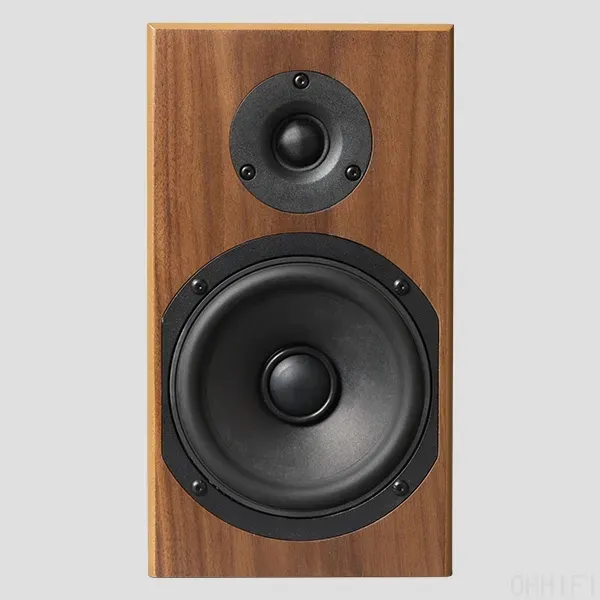
At 10.75 inches tall and just 6 inches wide, the LOON is genuinely compact — smaller than you probably expect from the photos. It weighs only 8.5 lbs per cabinet, which sounds light until you knock on the side panel and hear how inert it is. The binding posts are solid and well-spaced, though we did find the rubber port plugs a little stubborn to remove. Minor point.
The driver complement is a 1-inch soft-dome tweeter with laser-etched textile — Totem describes it as proprietary — mated to a 5.75-inch woofer with a copper-clad voice coil. The crossover sits at 2.5kHz using first-order slopes, which is a philosophically interesting choice. First-order crossovers preserve phase coherence better than steeper networks but demand far more careful driver matching. Totem has been doing this for decades; they know what they're doing here.
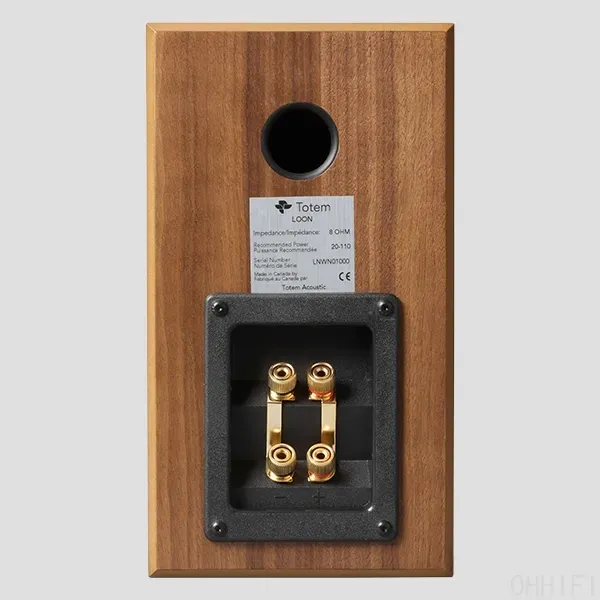
Specifications at a glance
Setup & Placement
Totem recommends placing the LOON at ear level or just above, ideally six inches to three feet apart with a listening distance of three to eight feet. In practice, we found it remarkably unfussy. Unlike some of the more ruthlessly revealing monitors in this class — the KEF LS50 Meta being the obvious example — the LOON behaved itself across a fairly wide range of positions. Toe it in modestly, get it off the back wall by at least a foot, and it rewards you quickly.
The rear-firing port means some bass reinforcement from the wall behind is in play, but we didn't find it bloomy or overripe even when pushed fairly close. Totem says the speaker performs well up to 45 degrees off-axis, and that checks out in listening. Vertical dispersion is generous. This is a speaker you can sit in front of rather than having to position yourself with surgical precision.
Totem specifies a 50–80 hour break-in period, and we'd advise taking that seriously. Fresh out of the box the treble was a touch closed-in and the bass somewhat polite. After a week of use, both opened up considerably.
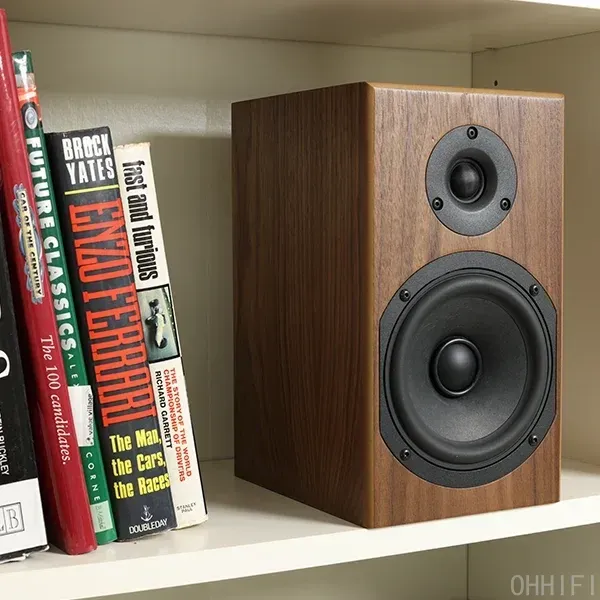
Listening Impressions
Bass & Low-Frequency Performance
This is where the LOON Monitor makes its most startling argument. For a cabinet this small — seriously, it's barely bigger than a hardback novel stood on end — the bass extension is genuinely remarkable. Totem rates it to 51Hz at -3dB, and that figure felt credible in our listening room. There is real, physical weight to kick drums and upright bass lines, and more impressively, the low end decays naturally without the telltale "one note bass" coloration you hear from cheaper ported designs when the box is pushed too hard.
On Bill Evans' Waltz for Debby, Scott LaFaro's bass registered with proper body and resonance — you could hear the bloom of the instrument, not just a thumping outline. Play something with more low-frequency energy, say Massive Attack's Teardrop, and the LOON stays surprisingly composed. It's not going to rattle your floorboards, and it will benefit from a subwoofer in a large room, but for nearfield or small-to-medium room use, you may find yourself not missing the extra octave below.
Midrange
Here's where things get genuinely interesting, and where the LOON's character starts to assert itself. The midrange is warm. Not tubby, not rolled-off, but definitely on the lush side of neutral. Vocals sit forward and present — both male and female voices come through with a rounded, full-bodied quality that is immediately enjoyable. Whether it's entirely faithful is a question you might wrestle with if you've been living with a more analytically neutral speaker, but it is rarely less than engaging.
On Norah Jones' Come Away with Me — admittedly well-trodden audiophile territory, but useful precisely because it's so familiar — the LOON added a slight warmth to her voice that wasn't there on our reference speakers. Whether you call that coloration or musicality depends on your philosophy, and honestly, the two terms are often closer than purists like to admit.
Treble
The soft-dome tweeter is smooth and reasonably extended without any of the hardness you sometimes encounter in this price range. High hats are rendered with realistic shimmer and decent air. The treble doesn't draw attention to itself, which is exactly what you want. There is perhaps a very slight roll-off in the top octave — the LOON's high-end feels a little less airy than what you get from KEF's concentric driver designs — but it never sounds dull. Sibilance on poorly recorded vocal tracks is handled gracefully rather than spotlit.
Imaging & Soundstage
This is the LOON's strongest hand, and Totem's heritage shows. The first-order crossover pays dividends here: phase coherence is exceptional, and the result is a holographic, locked-in stereo image that routinely outlasts what you expect from a speaker of this size and price. Vocals snap into a focused, stable center image. Instruments spread laterally across the stage with convincing definition. On well-recorded orchestral material the LOON conjures a sense of space and depth that borders on impressive — the front-to-back layering of the soundstage is notably good.
There's an addictive quality to this. Once you've adjusted to the LOON's slightly warm tonal balance, you start hearing into recordings differently. Reverb tails linger. The space around performers becomes audible. It is the kind of listening experience that pulls you into the music rather than inviting you to critique it, which is a genuine virtue in a high-end speaker.
Dynamics & Volume
At 87dB sensitivity and 8 ohms nominal impedance, the LOON is not a difficult load. A decent 40-watt integrated will drive it to satisfying levels in a medium-sized room. Push it with more power and it scales well — dynamics sharpen, bass tightens, and the presentation gains authority. We wouldn't pair it with a flea-power SET amplifier; for that, look elsewhere. But virtually any quality solid-state or tube integrated with 30 watts or more will do the job.
At low volumes the LOON is surprisingly capable. Full-bandwidth sound at low listening levels is something few speakers in this class manage convincingly, and the LOON does it better than most.
Against the Competition
| Speaker | Price (pair) | Origin | Tweeter | Woofer | Sensitivity |
|---|---|---|---|---|---|
| Totem LOON Monitor | $1,299 | Canada | 1" soft dome | 5.75" | 87dB |
| KEF LS50 Meta | ~$1,450 | UK/China | 1" Uni-Q | 5.25" | 85dB |
| KEF Q Concerto Meta | $1,299 | UK/China | 1" Uni-Q | 6.5" + 5.25" | 87dB |
| Monitor Audio Silver 50 7G | $1,150 | UK/China | 1" C-CAM | 5.5" | 87dB |
| Focal Aria 906 | ~$1,299 | France | 1" TNV | 6.5" | 89.5dB |
The KEF LS50 Meta is the obvious reference point and genuinely a different kind of speaker. Its concentric Uni-Q driver and Metamaterial Absorption Technology deliver a level of imaging precision and low-distortion treble that is measurably superior. But at $1,450 or so, the LS50 Meta is harder to drive (85dB, with a tricky impedance curve), demands better amplification to shine, and doesn't forgive suboptimal placement gracefully. The LOON is the more practical, more immediately musical choice for a wider range of rooms and systems.
The KEF Q Concerto Meta, which happens to share the LOON's $1,299 price tag, is a much larger three-way design — 16 inches tall versus the LOON's compact footprint. It should measure more neutrally and offers more cabinet volume for bass. But its cabinetwork and finish quality don't match Totem's, and if you're buying at this price partly for the craftsmanship, the LOON wins on looks and feel without contest.
The Monitor Audio Silver 50 7G at $1,150 is the value-conscious alternative worth serious consideration. MA's ceramic metal tweeter is exceptionally clean and extended, and the Silver line's tonal neutrality is hard to beat at the price. If your room is well-treated and you want a more analytical, ruler-flat presentation, the Silver 50 might actually suit you better. What it doesn't have is the LOON's warmth, its imaging depth, or the satisfaction of owning something hand-assembled in North America.
The Focal Aria 906 brings a French flavor to this class — lively, dynamic, with Focal's trademark forward upper midrange. It's more efficient at 89.5dB and will play louder on less power. While the 906 has long been a benchmark for French fidelity, Focal has significantly updated this design in its latest iteration. As we detailed in our Focal Aria Evo X N°1 Review, the introduction of the 'M'-shaped TAM tweeter and TMD suspension offers a smoother, more refined top end that the original Aria occasionally lacked. However, where both Focal models typically trail the LOON is in cabinet quality and low-end solidity...
Pros & Cons
Strengths
- Exceptional build quality and real-wood veneers for the price
- Holographic, phase-coherent imaging
- Surprising bass depth from a tiny cabinet
- Genuinely unfussy placement and off-axis performance
- Listenable at low volumes
- Hand-crafted in Canada — rare at this price
- Excellent low-frequency integration with subwoofers
Limitations
- Warm midrange tonal balance — not strictly neutral
- Treble slightly less airy than KEF's Uni-Q designs
- Small cabinet limits output in large rooms
- Subwoofer strongly recommended for home theater use
- No grille included in base styling (costs extra)
Who Is the LOON Monitor For?
The LOON Monitor is most at home in a dedicated two-channel music system, in a room up to roughly 15 by 18 feet, driven by a quality integrated amplifier with 40 watts or more on tap. Its warmth and imaging make it a natural fit for acoustic music, jazz, classical, and vocals — genres where that forward, full-bodied midrange is an asset. Electronic music and rock work well too; just don't expect the last word in slam and extension without a subwoofer in the chain.
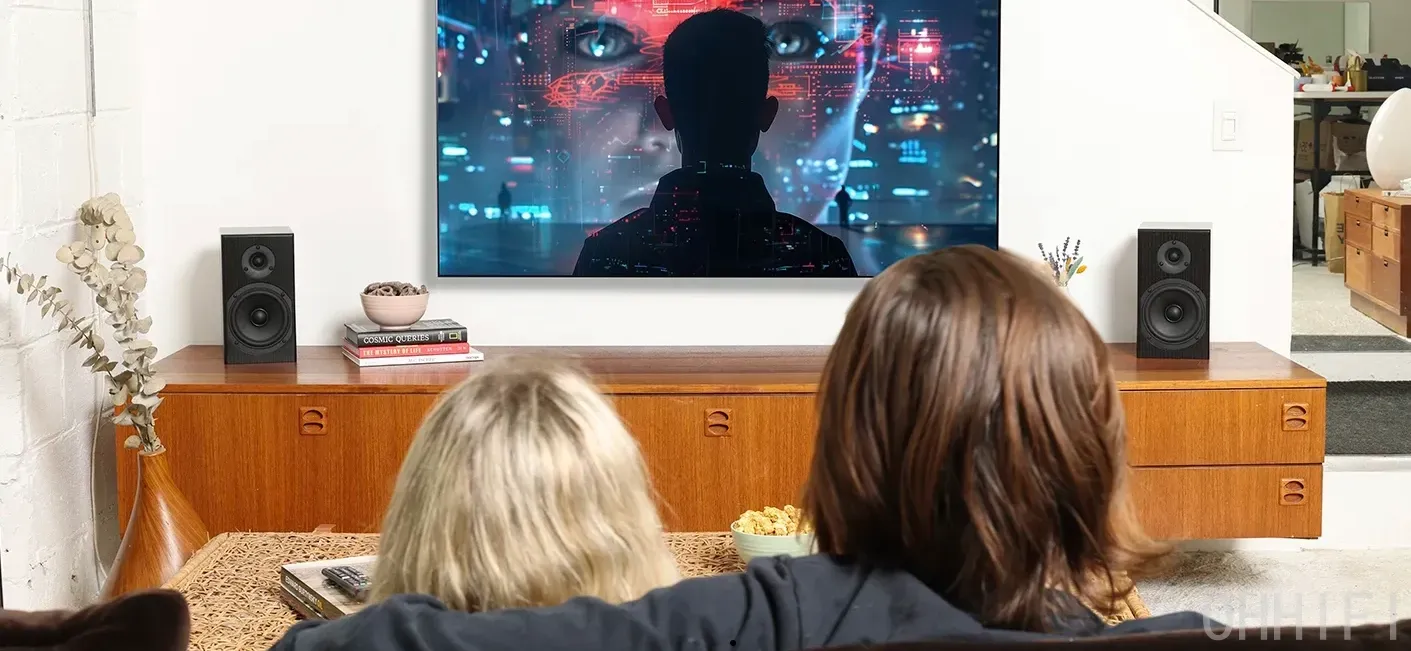
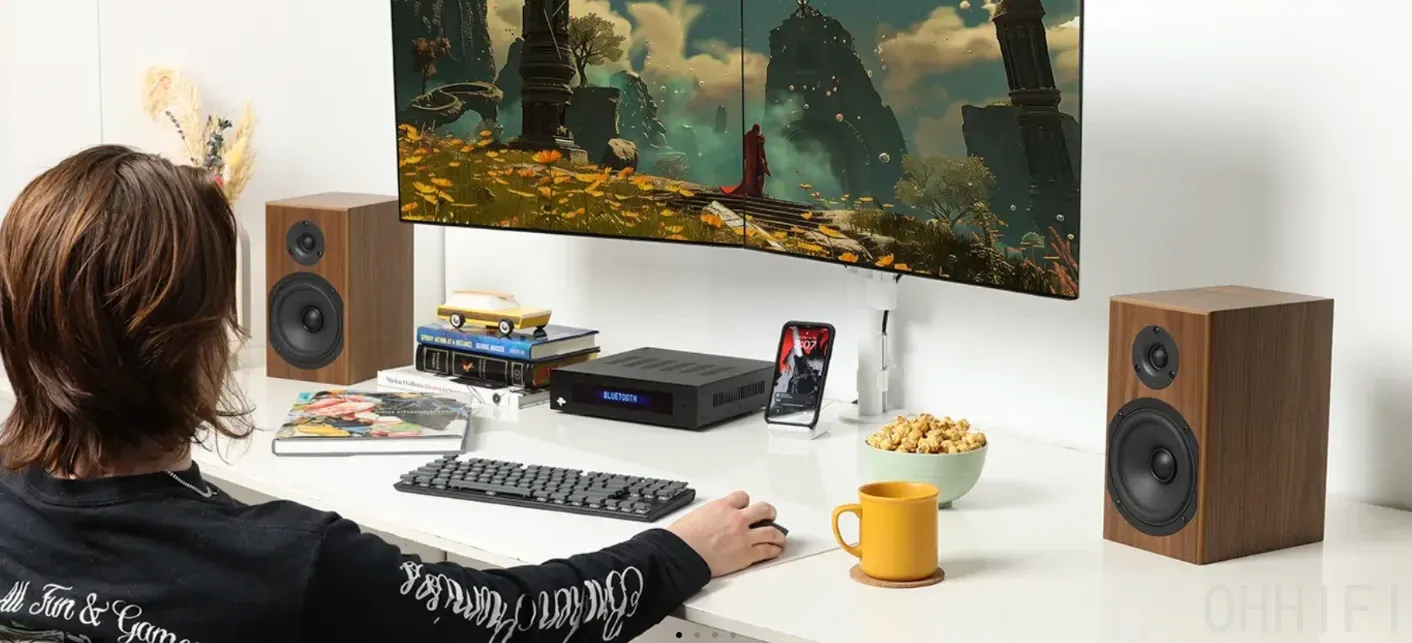
It's also a compelling desktop speaker for serious nearfield listening. At close range, the imaging specificity is almost eerie — instruments and voices float in a defined, three-dimensional space in a way that's rarely achieved at this price.
If you're a flat-earth measurements enthusiast who lives by the waterfall plot, the LOON may frustrate you. If you're someone who sits down at the end of the day and wants the music to draw you in rather than interrogate it, the LOON Monitor is among the most satisfying ways to spend $1,299 on a pair of passive standmounters you'll find anywhere right now.
Verdict
The Totem Acoustic LOON Monitor is not the most neutral speaker at $1,299 — that crown likely goes to the KEF LS50 Meta at a slight premium — but it is arguably the most enjoyable one. Its lock-mitered, real-wood-veneered cabinet is built to a standard that embarrasses the competition. Its phase-coherent first-order crossover produces imaging that takes newcomers by surprise. And its warm, full-bodied midrange makes it the kind of speaker that keeps you listening long after you planned to stop. For nearfield listening, small-to-medium rooms, and listeners who prioritize musicality over measurement-sheet perfection, the LOON Monitor earns a strong recommendation. This is what Totem does best — and at the brand's most accessible price point ever.
| Sound Quality | Build Quality | Value | Imaging | Overall |
| 8.8 / 10 | 9.5 / 10 | 8.7 / 10 | 9.2 / 10 | 9.0 / 10 |


Comments