
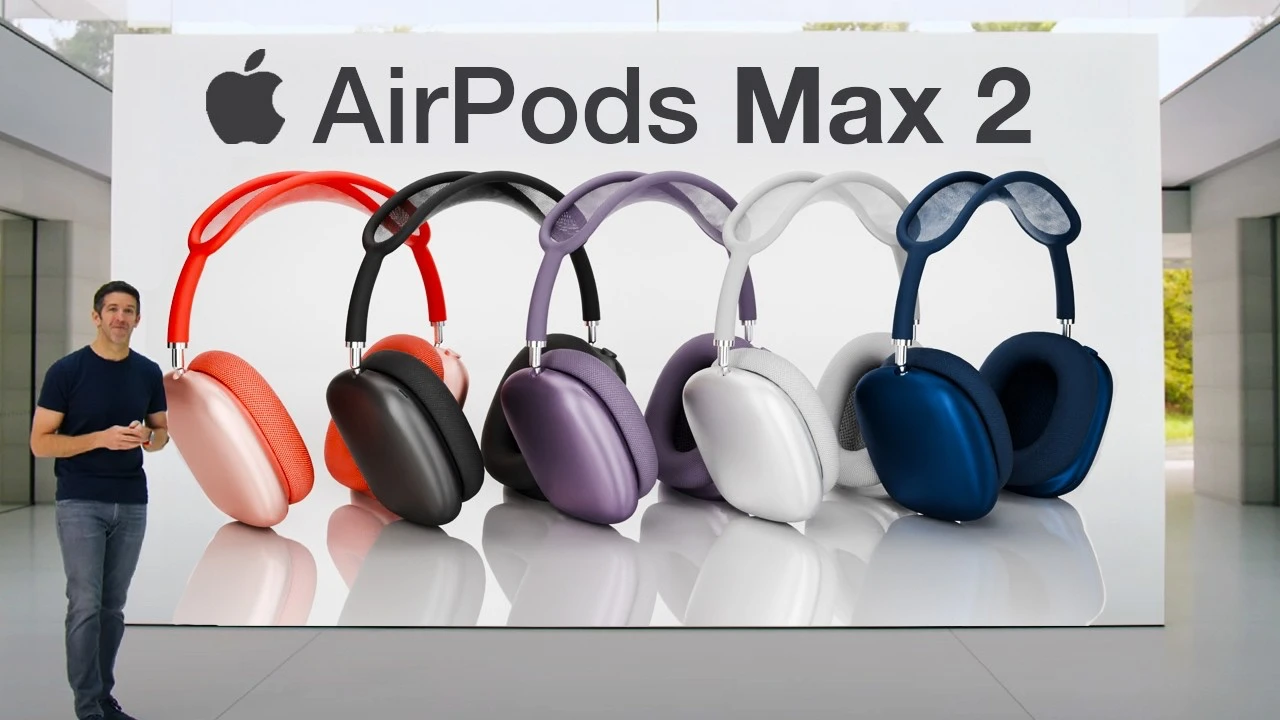
Apple AirPods Max 2 Review: The Best-Sounding Wireless Headphones Apple Has Ever Built

Six years of waiting, one H2 chip, and a new high-dynamic-range amplifier later — Apple’s flagship over-ears finally sound like they deserve that price tag. Just don’t expect much else to have changed.
Six Years, One Real Update
The original AirPods Max landed in December 2020 like a statement: here is what premium wireless audio looks like when Apple gets serious. Aluminum ear cups, a stainless steel headband wrapped in breathable mesh, and a 40mm custom driver that genuinely made audiophiles pay attention. And then, for half a decade, Apple essentially did nothing. A USB-C swap and five new colors in 2024 hardly counted. Meanwhile, Sony went through two full generations of its XM series, Bose reinvented its QuietComfort line twice over, and a new wave of hi-fi-branded contenders from Focal, Bowers & Wilkins, and Sennheiser rewrote the rulebook on what premium wireless could sound like.
So when Apple finally dropped the AirPods Max 2 in late March 2026 — powered by the H2 chip that has been living in the AirPods Pro 2 since 2022 — the question was not just whether they were good. It was whether six years of waiting produced something worth the still-steep $549 ask.
Short answer: for sound quality, yes. For almost everything else, it depends heavily on how deep you are in Apple’s world.
Specs at a Glance
| Specification | Detail |
| Price | $549 / £499 / AU$899 |
| Driver | 40mm custom Apple dynamic driver |
| Amplifier | New high dynamic range (HDR) amplifier |
| Processor | Apple H2 chip |
| Bluetooth | 5.3 (AAC, SBC only over wireless) |
| Wired Audio | USB-C lossless, 24-bit / 48 kHz |
| ANC | Up to 1.5× more effective than previous gen |
| Transparency | Yes — best-in-class passthrough |
| Adaptive Audio | Yes (H2-enabled, new for Max 2) |
| Battery Life | 20 hours (ANC on) |
| Weight | 386g |
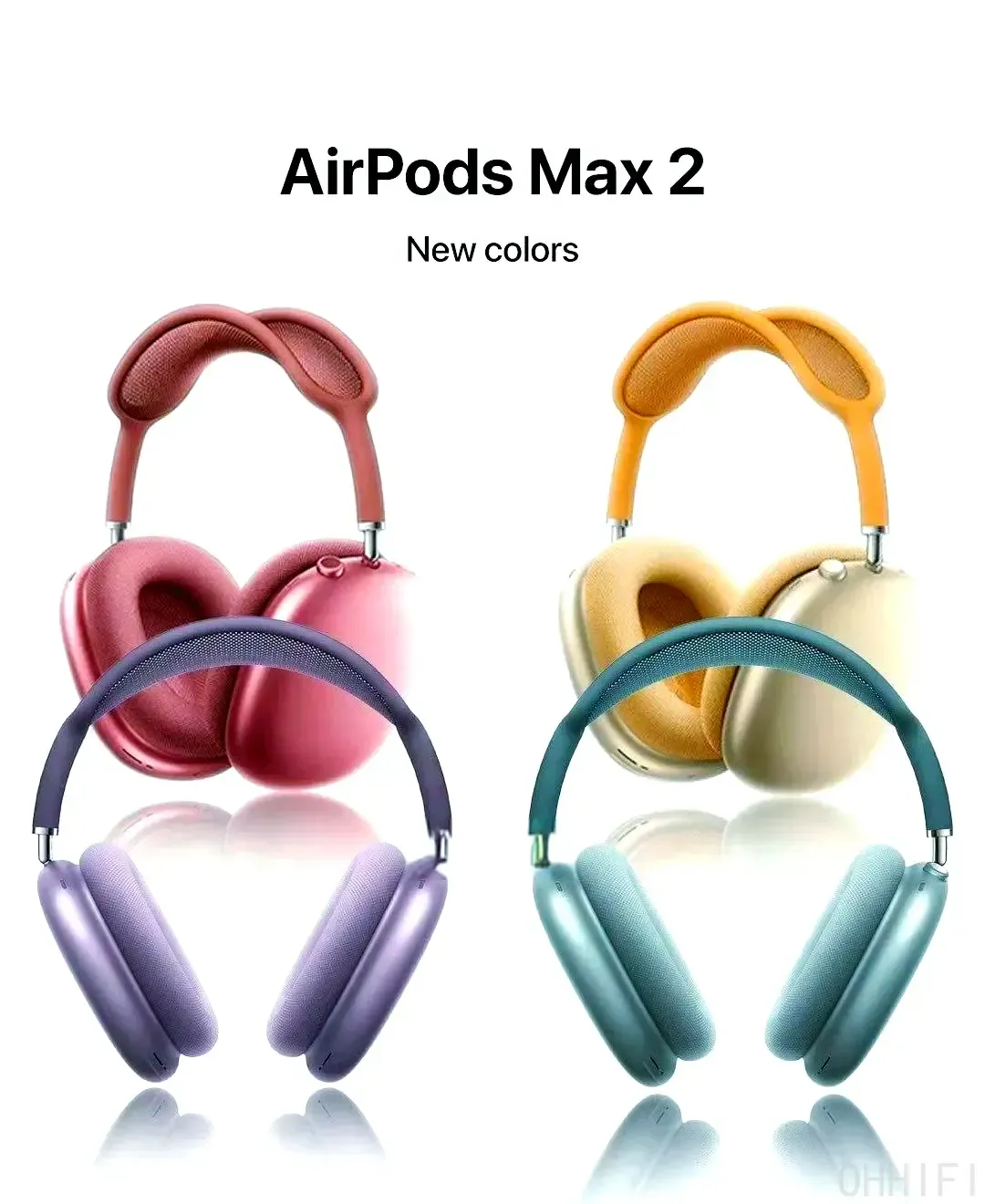
| Colors | Midnight, Starlight, Blue, Purple, Orange |
| IP Rating | None |
| Folding | No |
| Case | Magnetic “Smart Case” (unchanged) |
Design and Build: Still the Benchmark, Still the Same Problems
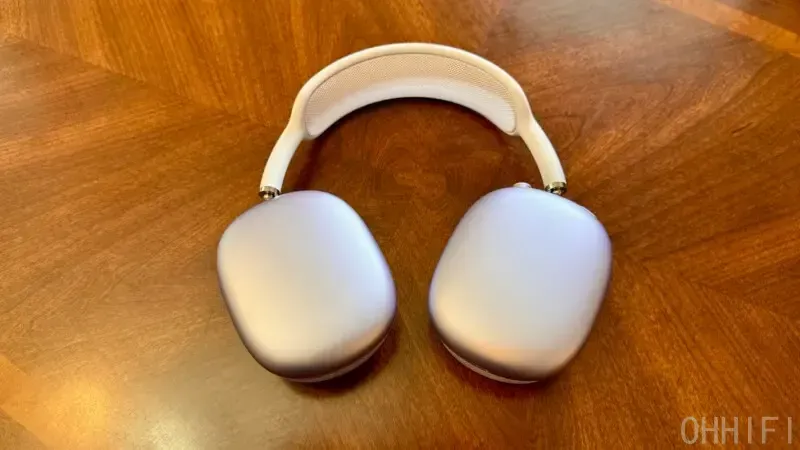
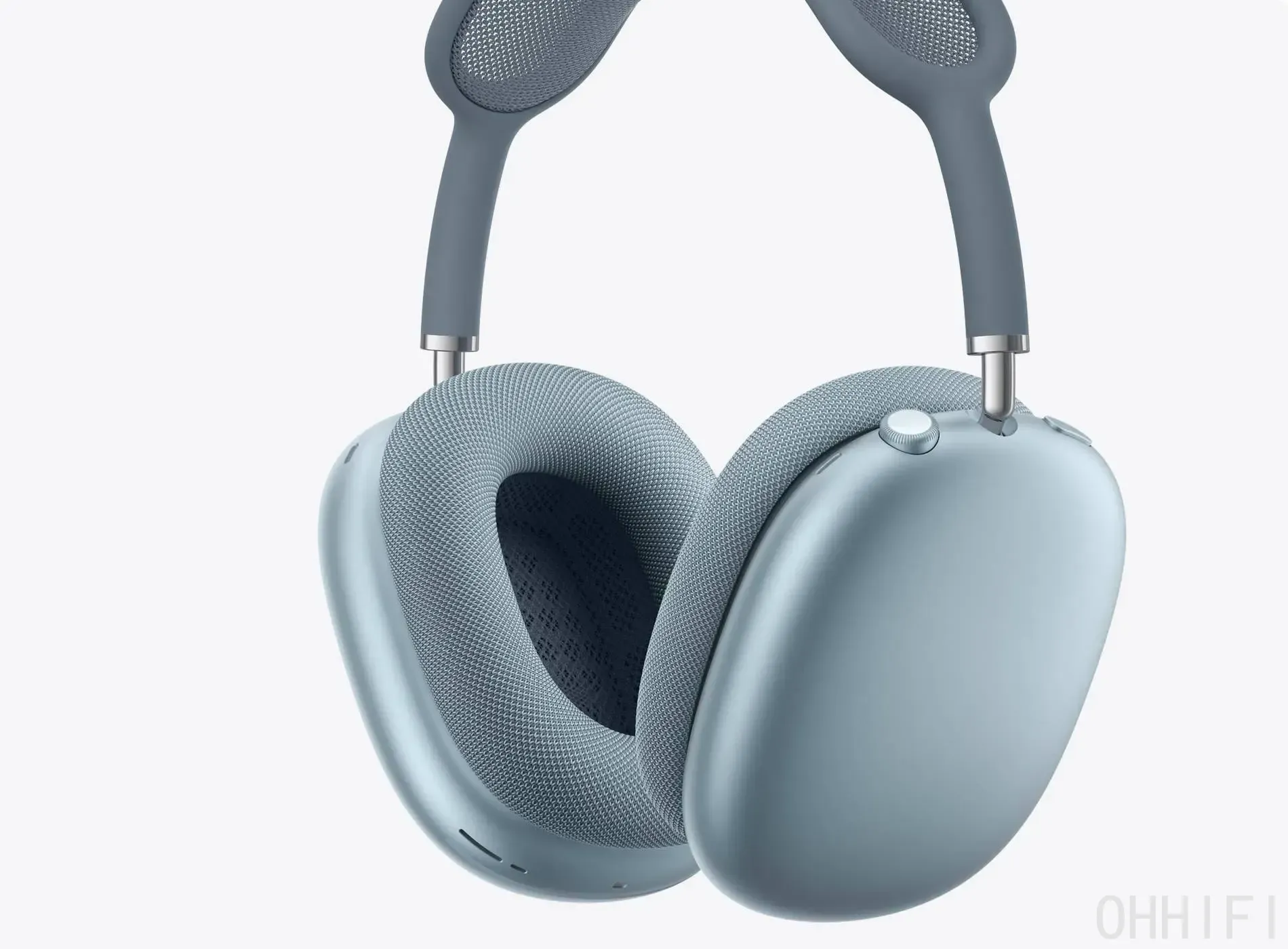
Pick up a pair of AirPods Max 2 and, if you owned the original, you will feel an odd sense of déjà vu. That is because these are, physically, the exact same headphones. Same telescoping stainless steel arms. Same mesh canopy headband. Same magnetic ear cushions with acoustic foam. Same digital crown borrowed from the Apple Watch. And yes, same baffling “Smart Case” that looks like a sports bra and provides roughly the structural protection of a light breeze.
Here is the thing, though: the original design was genuinely excellent. Those aluminum ear cups still feel like nothing else at this price point — cold and dense in hand, warm and premium once on the head. The metal frame has zero flex, zero creak. Compared to the resin-and-plastic build of the Sony WH-1000XM6 or even the Bose QuietComfort Ultra 2, the Max 2 feels like the difference between a watch from a jeweller and one from a phone shop. You know which is which the moment you hold it.
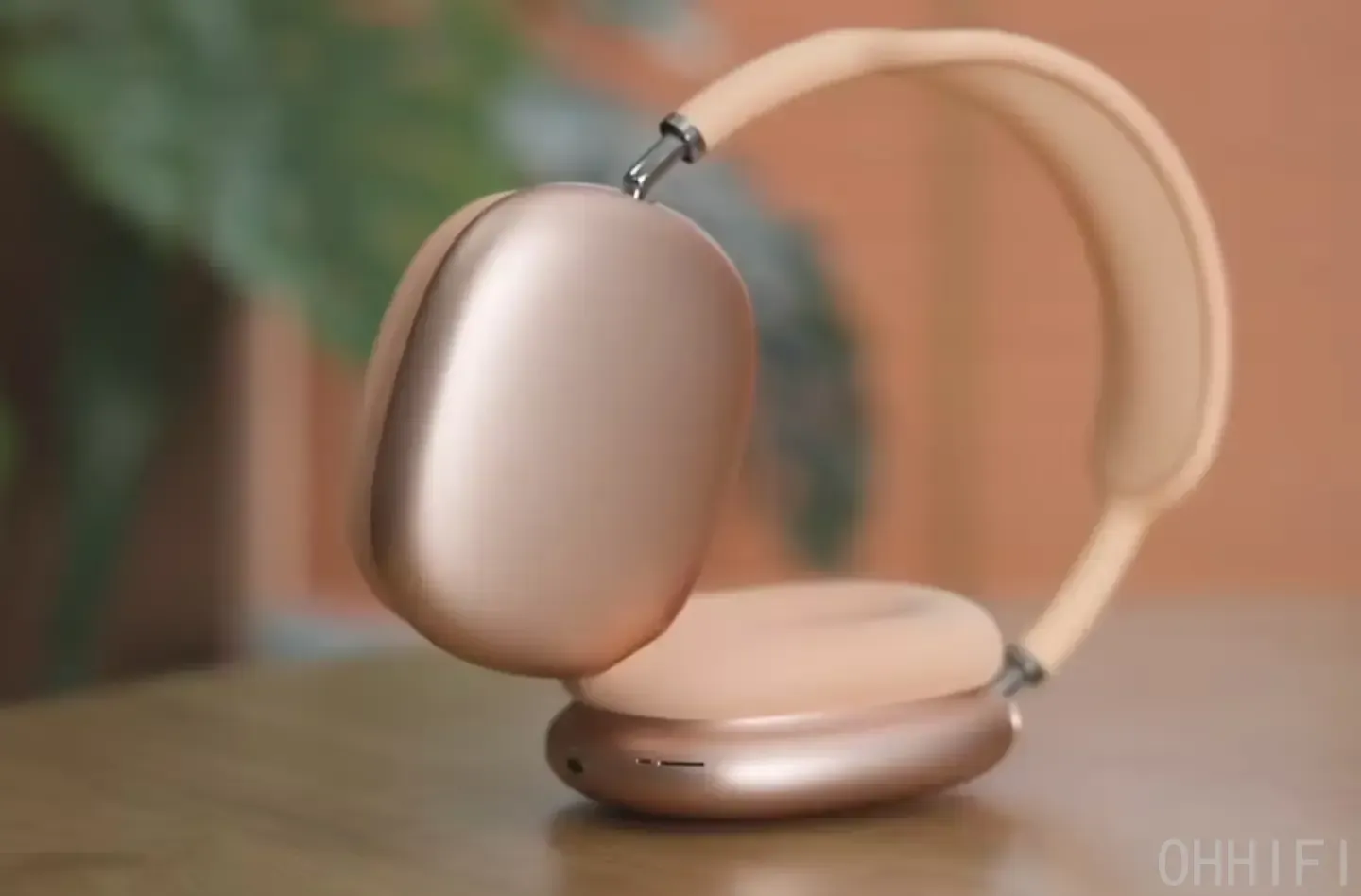
The ear cushions deserve a mention too. Apple’s acoustic foam pads are legitimately among the most comfortable in the over-ear category for many listeners. My ears sit fully inside the deep cups without any contact, and the foam does not heat up nearly as quickly as synthetic leather alternatives. For four- or five-hour sessions at a desk, they are excellent. Beyond that, your mileage will vary.
The weight, however, remains the elephant in the room. At 386 grams, the Max 2 is almost double the weight of the Sony XM6 and Bose QC Ultra 2, both sitting around 200–220 grams. Apple’s mesh headband is clever engineering — it distributes pressure across the top of the skull rather than concentrating it — and in practice I rarely felt fatigued at a desk. Walk briskly up a staircase, though, and you will feel those cups sliding back. Commuters who move around will notice. Sedentary listeners probably will not.
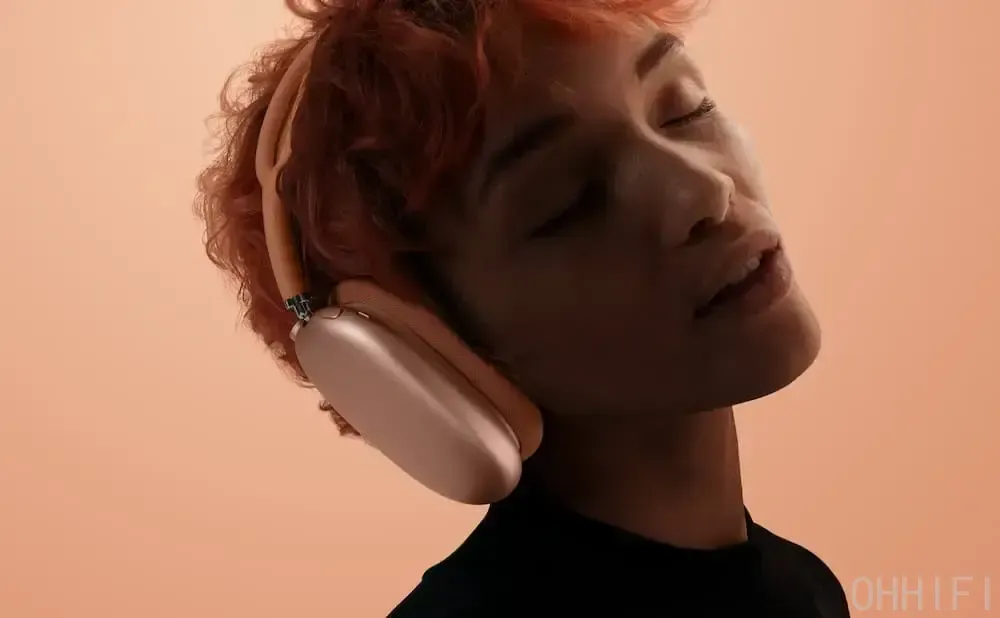
There is still no folding mechanism. No IP rating. No power button (you place them in the case to enter ultra-low-power mode). These omissions were excusable in 2020; in 2026, when the Nothing Headphone (a) at a fraction of the price ships with IP52 protection and a compact fold, they feel less like design choices and more like stubborn inertia.
The H2 Chip and What It Actually Changes
The real story of the AirPods Max 2 is internal. Apple’s H2 chip — which has been powering the AirPods Pro 2 since late 2022 — arrives here alongside a brand-new high dynamic range amplifier and an updated digital signal processing algorithm. The result, on paper: 1.5× more effective ANC than the previous generation, improved audio clarity, and a suite of intelligent features that the original Max could never access.
Adaptive Audio is the headline software addition. It blends ANC and Transparency dynamically based on your environment, shifting between modes in real time without any manual input. In practice it works well — riding the subway, it locked into near-full ANC; walking into a coffee shop to order, it opened up enough to hear the barista without taking the headphones off. It is not perfect, and occasionally it hesitates, but it is genuinely useful rather than gimmicky. Conversation Awareness, Voice Isolation, Personalized Volume, and Live Translation (via Apple Intelligence) round out the new feature set.
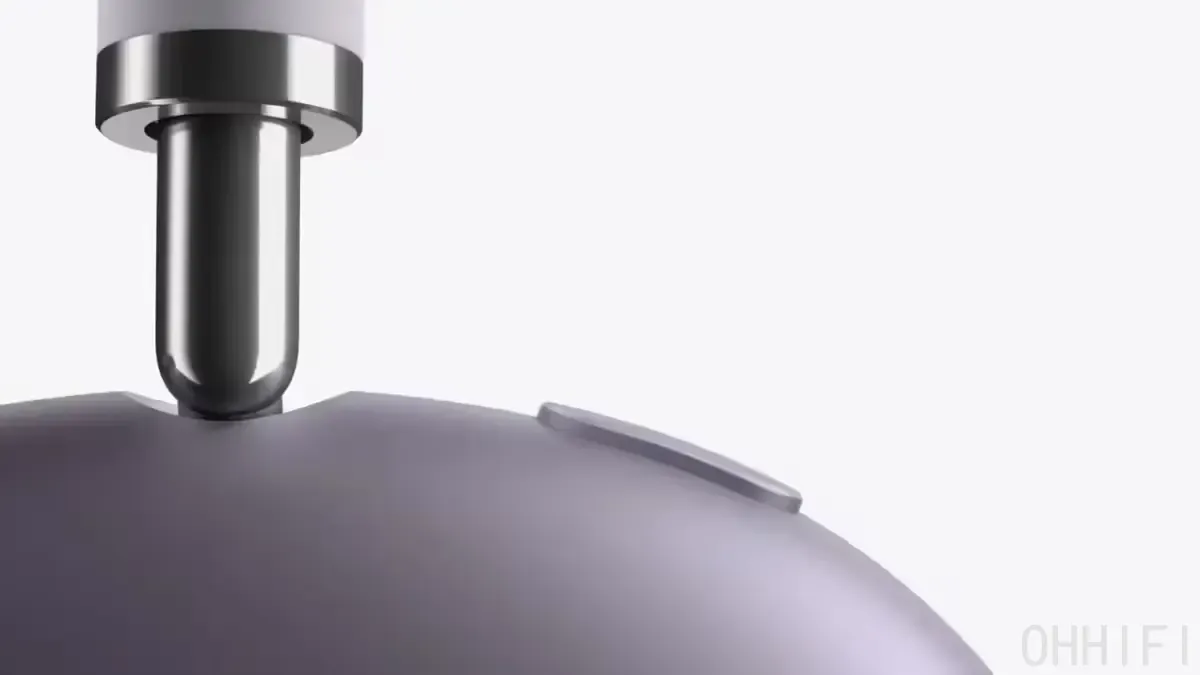
USB-C lossless audio is the other big practical addition for audiophiles specifically. Plug in the included USB-C cable and you unlock 24-bit / 48 kHz lossless playback — the only over-ear Apple makes that lets you listen and mix simultaneously in Personalized Spatial Audio with head tracking on Logic Pro. For studio work or critical listening sessions with Apple Music Lossless or Qobuz, this matters. For everyone else, it is a nice perk.
One genuinely frustrating technical footnote: over Bluetooth, the AirPods Max 2 is still limited to AAC and SBC. No LDAC. No aptX Adaptive. For Android users, this is essentially a dealbreaker — you cannot access anything approaching high-resolution wireless audio on non-Apple hardware. The Sony XM6 streams LDAC at 990 kbps; the Bose QC Ultra 2 supports aptX Adaptive. At $549, the codec situation on the Max 2 feels inexcusably conservative.
Sound Quality: This Is Where Apple Gets Serious
Character and Tuning
Apple’s house sound has always skewed toward clarity — a slightly mid-forward presentation with controlled bass and airy, detailed highs. The AirPods Max 2 refines that signature rather than reinventing it. What the new HDR amplifier and updated DSP algorithms bring to the table is a cleaner noise floor, better channel separation, and a more resolved top end. The difference compared to the original Max is subtle but real, and it accumulates over a long listening session.
Put on Bill Evans’ Waltz for Debby — a recording audiophiles have been using as a reference since the LP era — and the first thing you notice is the piano’s decay. Notes do not just end; they linger in the space around them with a naturalness that consumer wireless headphones rarely achieve. The room ambience of Village Vanguard is there in the background, not suppressed by noise cancellation but present as atmosphere. Scott LaFaro’s bass has weight without boom. Evans’ left hand sits distinctly below and behind his right. The imaging here is genuinely excellent for a closed-back wireless design.
Switch to something more contemporary — say, Arooj Aftab’s “Mohabbat” — and the midrange handling impresses. Aftab’s voice sits in the mix with presence and texture, not pushed aggressively forward but not recessed either. There is a naturalness to the timbre of the sitar that separates these from most Bluetooth headphones at this price. High frequencies sparkle without bite; cymbals have shimmer but not sibilance.
Bass Response
Bass is where Apple’s tuning philosophy becomes most apparent — and most divisive. The Max 2 has tight, well-defined low end, but it does not chase sub-bass extension or mid-bass warmth the way Bose or Sony do. Play a modern hip-hop track like Kendrick Lamar’s “Money Trees” and the kick drum lands with authority, but it is precise rather than punchy. The Bose QC Ultra 2 hits harder in the low end; the Sony XM6 has a slightly fuller, more saturated bass shelf. If you listen primarily to electronic music, EDM, or hip-hop and you want headphones that thump, the Max 2 might leave you wanting more. If your library skews toward jazz, classical, acoustic, folk, or indie rock, this controlled presentation is a distinct advantage.
It is worth noting that the new amplifier has genuinely improved bass accuracy compared to the original. Sub-bass is tighter, and the tendency toward mid-bass muddiness on the first-generation model at high volumes is largely gone.
“On Arooj Aftab, on late-night Miles Davis, on anything with space and resolution — these are the best-sounding wireless headphones I have reviewed. The H2 chip has not transformed the AirPods Max; it has fulfilled its original promise.”
Soundstage and Imaging
For a closed-back over-ear, the soundstage is notably wide. Instruments spread convincingly beyond the physical width of the ear cups, and there is genuine depth to the positioning. It does not match what you get from a high-end open-back like the Sennheiser HD 800 S or an audiophile planar magnetic, obviously — but within the closed wireless category, this is class-leading. The Sony XM6’s stage, by comparison, feels slightly more compressed; the Bose QC Ultra 2 is more diffuse and enveloping rather than precisely positioned.
Apple’s Personalized Spatial Audio with Dolby Atmos deserves a mention here. If you use Apple Music, calibrate it once from your iPhone, and you will get a head-tracked spatial mix on any compatible Atmos content. It is impressive technology, and it works as advertised. Whether you actually prefer it to a well-mastered stereo mix is a matter of taste — I generally turned it off for critical listening and on for films and background music.
Active Noise Cancellation: Finally Competitive
The original AirPods Max had decent ANC in 2020. By 2025 standards it was mediocre. The H2 chip changes that. The 1.5× improvement Apple claims is not marketing hyperbole — it is audible and measurable. On a crowded London Underground carriage, the Max 2 eliminated the low rumble of the tube almost entirely. At a busy coffee shop, the constant hiss of espresso machines and background conversation dropped to a faint muffled presence. On a transatlantic flight, I stopped noticing the cabin drone within five minutes of putting them on.
That said, the Max 2 does not quite match the top two ANC performers in this category. The Sony WH-1000XM6, with its 12-microphone array, consistently edges ahead in independent lab measurements, particularly for sudden transient noise. The Bose QC Ultra 2 remains the ANC benchmark for steady low-frequency rumble — airplane engines, HVAC, train carriages. The Max 2 is excellent for daily use; it is not the last word in noise isolation.
Where it does win convincingly is Transparency mode. Apple’s passthrough audio is the most natural in the category — not just “good for a headphone,” but genuinely close to the experience of not wearing headphones at all. Voices have real tone. Ambient sound has presence and direction. There is no audible processing artefact or hollow quality. Both Sony and Bose add a faint processed sheen to their transparency modes; Apple’s sounds like an open window rather than a microphone feed.
The Competition: How Does It Stack Up?
| AirPods Max 2 $549 | Sony WH-1000XM6 $449 | Bose QC Ultra 2 $449 | Sennheiser HDB 630 $500 | |
| Sound Quality | ★ Best wireless SQ | Rich, customizable | Open, full-bodied | Neutral, accurate |
| ANC Performance | Excellent, not #1 | ★ Lab leader | Best low-freq isolation | Good, not class-leading |
| Transparency | ★ Best in class | Good, slight hiss | Good, slight warmth | Natural but narrower |
| Battery Life | 20 hours | ★ 40+ hours | 30 hours | 30 hours |
| Wireless Codecs | AAC / SBC only | ★ LDAC (990 kbps) | aptX Adaptive | AAC, SBC |
| Wired Lossless | ★ USB-C 24/48 | 3.5 mm only | USB-C 24/48 | 3.5 mm only |
| Build Quality | ★ Aluminum + steel | Plastic/resin | Plastic + fabric | Metal accents + plastic |
| Weight | 386 g | ★ 220 g | 238 g | 305 g |
| Foldable | No | ★ Yes | ★ Yes | Partial |
| Cross-Platform | Apple-first | ★ Full Android / iOS | ★ Full Android / iOS | ★ Full Android / iOS |
| EQ App | iOS Settings only | ★ 10-band EQ | 3-band EQ | Smart EQ |
A note on the Focal Bathys ($799): Worth a mention for audiophiles considering a step up. The Focal Bathys brings genuine hi-fi DNA to the wireless over-ear category — a more open, tonally rich presentation, excellent Beryllium-coated driver performance, and USB-C lossless. Its ANC is not in the same league as Apple or Sony, and the user interface is less polished, but for pure sonic character it sets a different reference point entirely. If sound quality above all else is your priority and you can live with compromises elsewhere, the Bathys is the serious audiophile choice at this price ceiling.
Battery Life: The Stubborn Weak Point
Twenty hours with ANC on in 2026. The same figure as 2020. While Sony offers 40+ hours on the XM6 and Bose delivers a consistent 30 hours on the QC Ultra 2, Apple has not moved the needle. For a day at the office, 20 hours is fine. For long-haul travel, you will want to pack the USB-C cable. Apple does offer a quick-charge feature — five minutes gives you roughly 90 minutes of playback — which takes some of the edge off, but the fundamental number remains underwhelming for the category.
Pros and Cons
| What We Liked | What We Didn't |
| Best-in-class sound quality for wireless over-ears | Only AAC / SBC over Bluetooth — no LDAC |
| Genuinely improved ANC vs. first-gen | Identical physical design to 2020 model |
| Best transparency mode in the category | Still the heaviest headphones in the class (386 g) |
| USB-C lossless at 24-bit / 48 kHz | No folding mechanism |
| Unmatched build quality and materials | Battery life unchanged at 20 hours |
| Seamless Apple ecosystem integration | No IP rating |
| Adaptive Audio, Conversation Awareness, Live Translation | Terrible Smart Case unchanged |
| Excellent microphone quality for calls | Deeply Apple-ecosystem-dependent |
| Comfortable acoustic foam ear cushions | $100 premium over Sony and |
Verdict
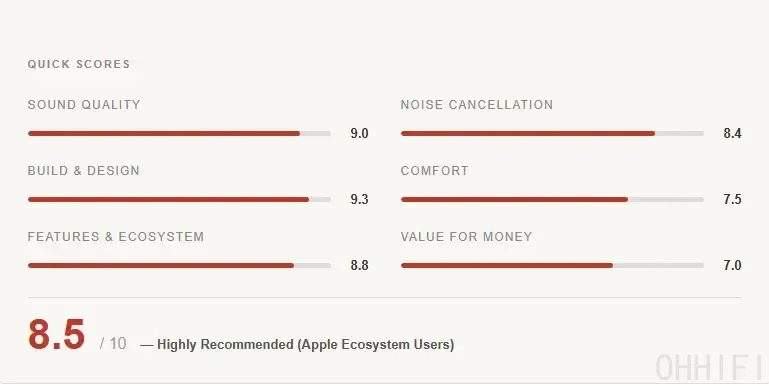
The AirPods Max 2 is, without question, the finest-sounding wireless over-ear headphone Apple has ever made — and for many listening sessions, it is the finest-sounding wireless over-ear I have heard, period. The H2 chip and new HDR amplifier have not transformed the tuning philosophy, but they have elevated it: cleaner noise floor, better bass definition, crisper transient response, and a soundstage that occasionally makes you forget you are listening through a closed-back Bluetooth headphone.
But “best Bluetooth sound quality” is only one part of the $549 conversation. The battery life is indefensible by 2026 standards. The Bluetooth codec situation — AAC only, no LDAC — actively disadvantages non-Apple users. The weight and the absence of a folding design continue to limit portability in ways the competition has largely solved. And the price premium over the Sony XM6 and Bose QC Ultra 2 is harder to justify now that both competitors have meaningfully closed the sound quality gap.
For Apple ecosystem users who listen primarily to music and want the best-sounding wireless over-ear available with seamless device switching, native Spatial Audio, and the most natural transparency mode in the category — this is an easy recommendation. For anyone on Android, anyone who prioritizes battery endurance or portability, or anyone who simply does not need the Apple tax, the Sony WH-1000XM6 at $449 is the smarter buy.
This recommendation is particularly relevant for those who prioritize raw noise-canceling power and cross-platform flexibility over pure luxury materials. To understand why Sony remains the pragmatic choice despite its own set of hardware challenges, read our Sony WH-1000XM6 Review: The King Is Back, But Not Without a Crack, which provides a forensic analysis of the features that make it such a formidable, if slightly flawed, alternative
Who Should Buy What


Comments