
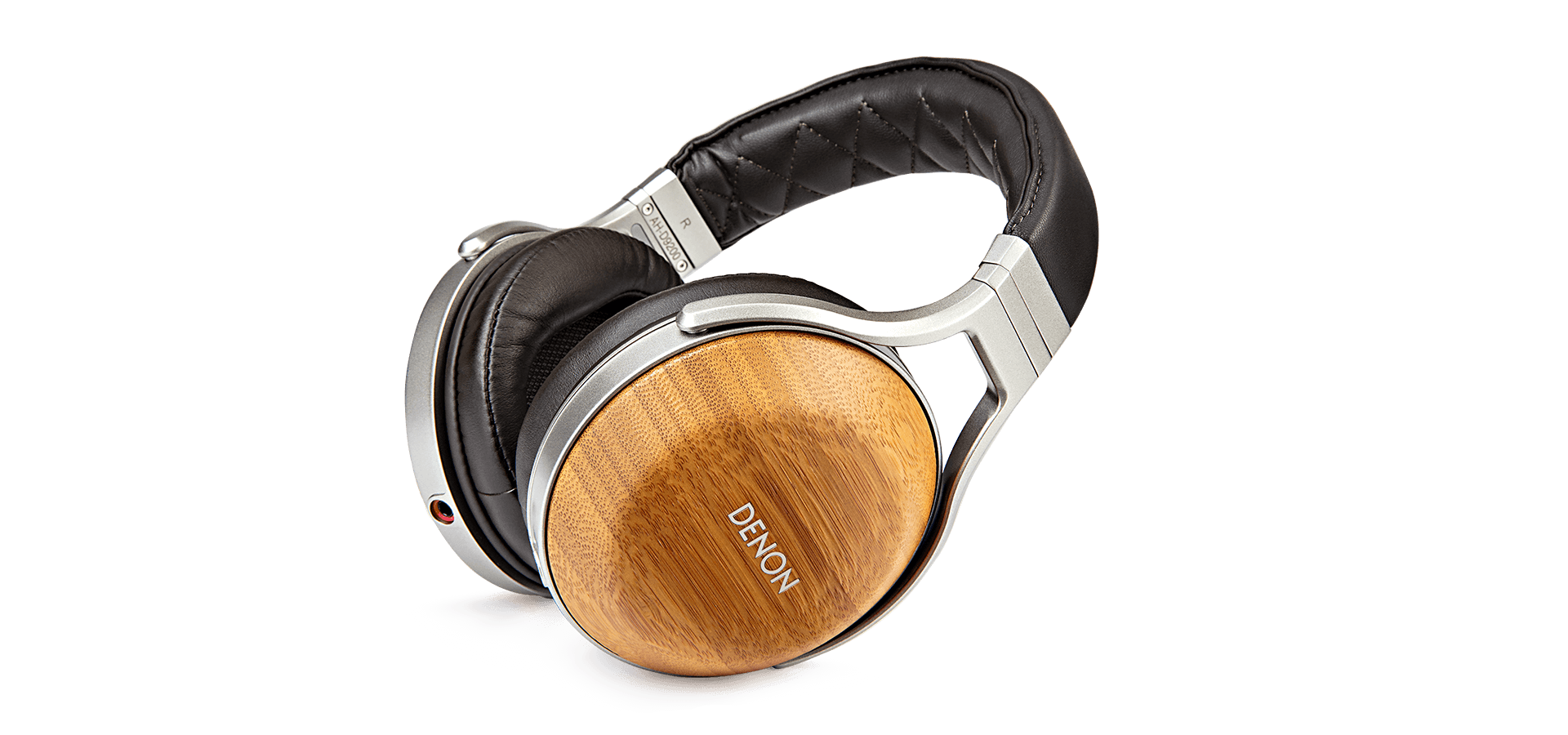
Denon AH-D9200 Review: The Bamboo Monarch – Is This the Ultimate Closed-Back Headphone?

Introduction: The Paradox of the Sealed Enclosure
In the esoteric world of high-fidelity personal audio, the closed-back headphone has long suffered from a crisis of identity. For decades, the audiophile consensus was rigid and unyielding: if one desired transparency, expansive soundstaging, and true timbral accuracy, the open-back topology was the only path to enlightenment. The closed-back design was viewed as a utilitarian compromise—a necessary evil for the recording engineer needing isolation or the commuter trapping themselves in a bubble of silence. They were often characterized by "cuppy" midrange resonances, bloated bass caused by trapped back-waves, and a claustrophobic presentation that placed the music squarely inside the listener's skull.
However, we are currently witnessing a golden age of closed-back engineering. A renaissance, if you will, where manufacturers are challenging the laws of physics with exotic damping materials, complex internal airflow management, and driver technologies that defy the traditional limitations of sealed chambers. At the forefront of this revolution stands a headphone that does not merely attempt to mitigate the flaws of its architecture but embraces them to create something distinct, authoritative, and undeniably premium: the Denon AH-D9200.
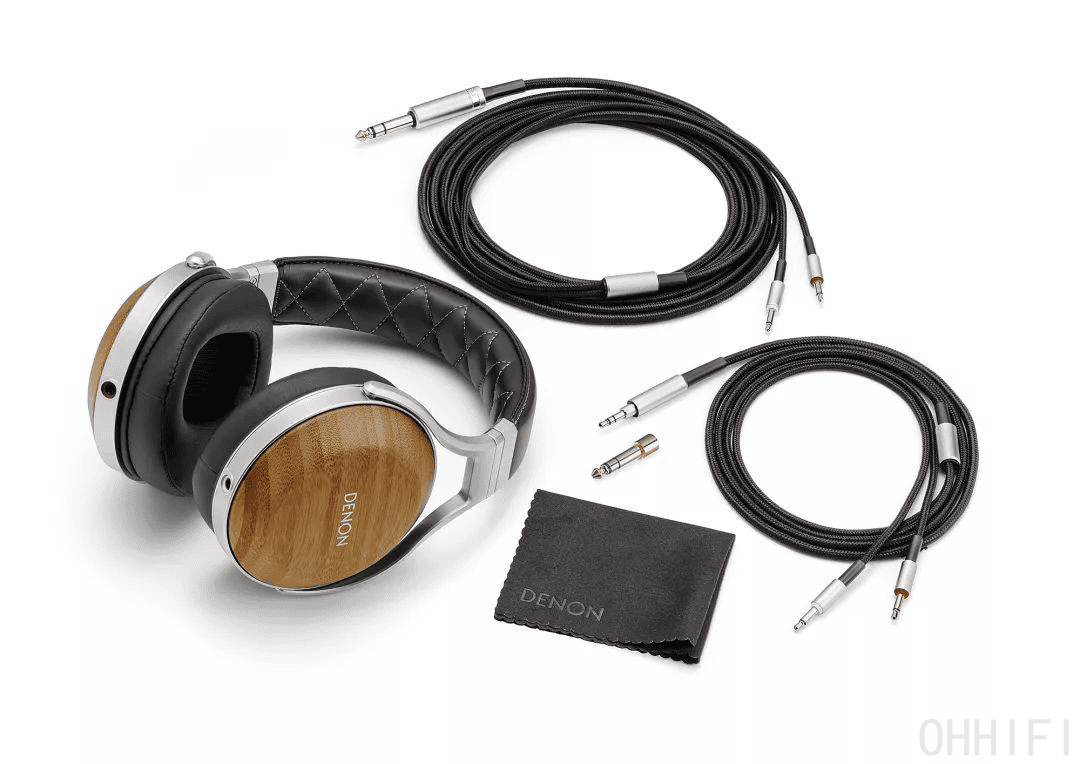
As the flagship of Denon’s storied "Wood Series," the D9200 is not a product born in a vacuum. It carries the genetic memory of the legendary Foster-OEM biocellulose beasts of the mid-2000s—the D5000 and D7000—headphones that are still whispered about in reverence on forums like Head-Fi and SuperBestAudioFriends. Yet, the D9200 is not a nostalgia trip. Handcrafted at the Denon Shirakawa Audio Works in Japan, utilizing Japanese Bamboo (Mosochiku) housings and proprietary Nanofiber FreeEdge drivers, it represents a thoroughly modern attempt to claim the throne of the closed-back kingdom.
This comprehensive review will dissect the AH-D9200 with forensic precision. We will strip away the marketing veneer to examine the electro-acoustic reality underneath. We will pit it against the titans of the industry—the Focal Stellia, the ZMF Verité Closed, and its own biodynamic cousins from Fostex. Through exhaustive listening sessions spanning weeks and genres ranging from the intricate counterpoint of Bach to the subterranean drops of modern IDM, we aim to answer the definitive question: Is the Denon AH-D9200 the new reference for the isolation-seeking audiophile?
Part I: A Century of Sonic Heritage – The Denon Lineage
To understand the D9200, one must understand the provenance of the name on the cup. Denon is not a boutique startup 3D-printing cups in a garage; it is a centenarian titan of Japanese audio. Celebrating over 110 years of history, the company has been instrumental in the development of digital audio (PCM recording) and has maintained a consistent presence in the headphone market for over half a century.
The "D-Series" legacy is particularly potent. Veteran audiophiles will recall the "Old Denon" sound—a V-shaped, fun, bass-heavy signature characterized by the D2000, D5000, and D7000. These models, manufactured by Foster (the parent company of Fostex), used bio-cellulose drivers that delivered visceral slam but often lacked control. When Denon split from Foster to develop their drivers in-house, the result was the D7100—a model that was polarizing, to say the least, with a design often compared to an alien artifact and a tuning that many found disjointed.
The D9200 represents the maturation of Denon’s return to form. Following the warm reception of the D7200 (Walnut) and D5200 (Zebrawood), the D9200 (Bamboo) was launched as the summit of this new trilogy. It signals a shift from the "fun" V-shape of the past to a more sophisticated, "Reference" tuning, aiming to combine the visceral engagement of a dynamic driver with the resolution typically reserved for planar magnetics.
Part II: The Unboxing and "Pride of Ownership"
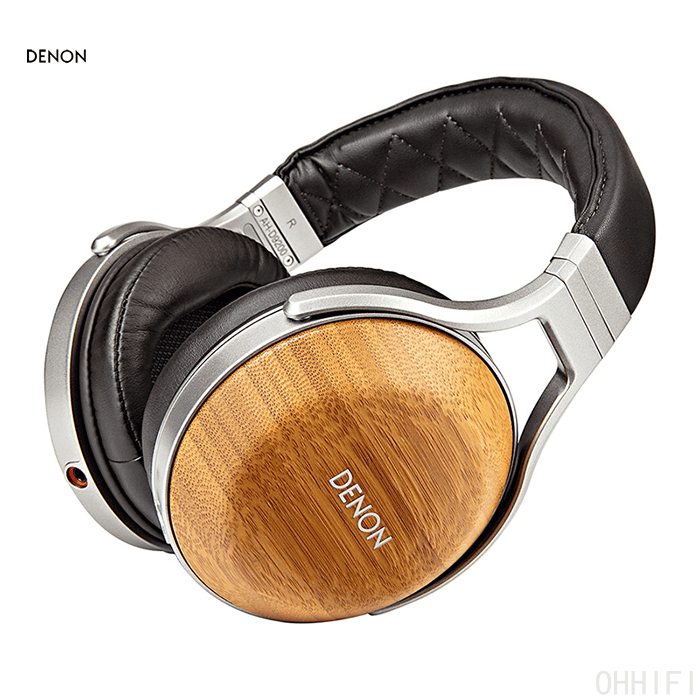
In the $1,600+ price bracket, the "experience" begins before the music starts. The packaging of the D9200 is an exercise in Japanese minimalism and understated luxury. The outer sleeve, printed with high-resolution imagery of the bamboo cups, slides away to reveal a hard storage case.
Unlike the cardboard display boxes of some competitors (looking at you, Hifiman) or the Pelican-style travel cases of Audeze, Denon provides a storage solution that feels like a humidor or a jewelry box. It is wrapped in a high-quality synthetic leather, lined with soft velvet, and padded to ensure the headphones are suspended in safety. It screams "heirloom product."
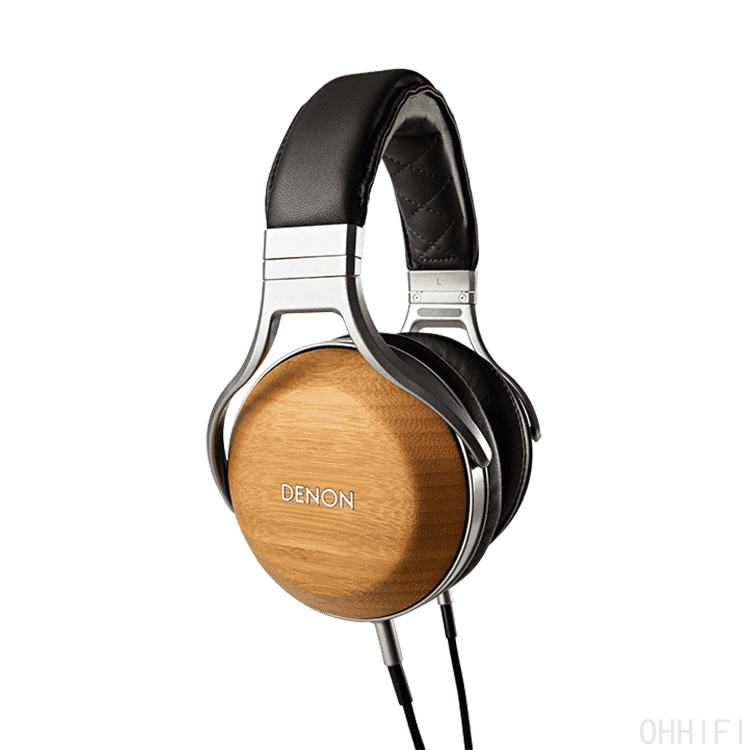
Inside, the accessories are practical rather than abundant:
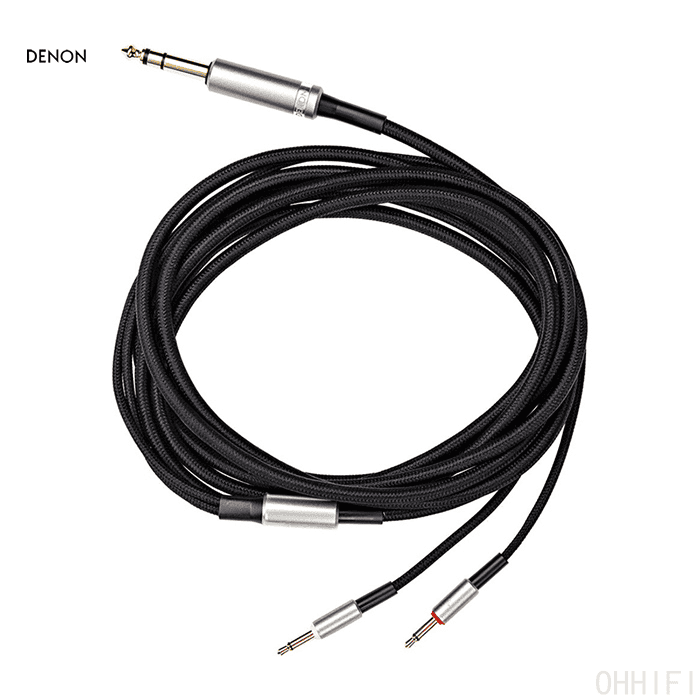
The Main Cable: A 3.0-meter (9.84 ft) cable terminated in a 6.35mm (1/4") plug. This cable is thick, wrapped in silver-coated Oxygen-Free Copper (OFC), and exudes quality, though it retains some memory (kinks) from the packaging.
The Portable Cable: A 1.3-meter cable terminated in a 3.5mm plug, signaling Denon’s belief that this flagship is efficient enough to be driven by a Digital Audio Player (DAP) or even a phone.
The Cloth: A specialized cleaning cloth for maintaining the bamboo lacquer.
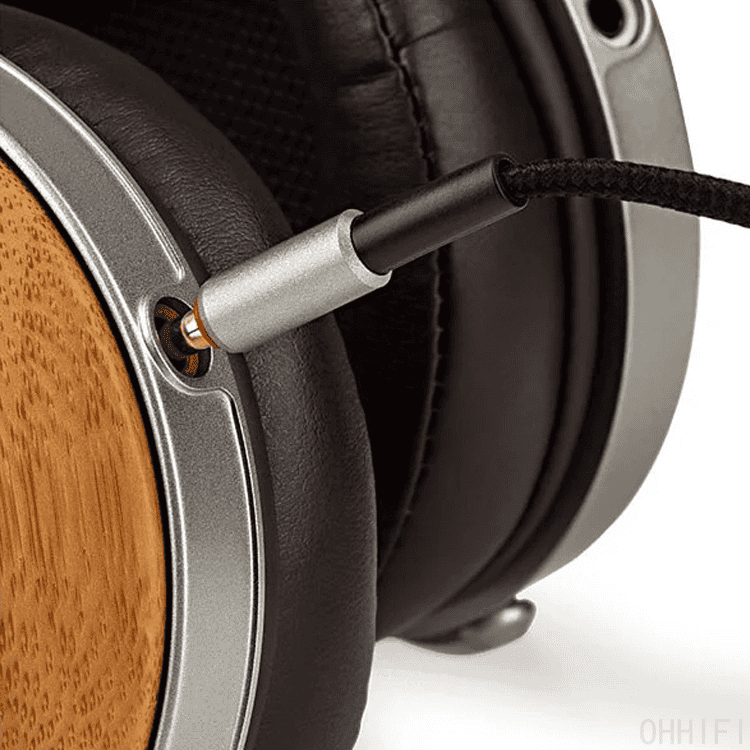
While some might bemoan the lack of a balanced XLR or 4.4mm Pentaconn cable in the box—a valid criticism in 2024—the inclusion of dual 3.5mm mono connectors on the ear cups themselves is a massive victory for user-serviceability. This is the most common connector type in the hobby (shared with Focal, Hifiman, and Meze), meaning aftermarket cable options are limitless.
Part III: Design and Build – The Philosophy of Materials
The Japanese Bamboo (Mosochiku)
The defining visual and acoustic feature of the D9200 is the cup material: Japanese Bamboo. In high-end audio, wood choice is rarely purely cosmetic; it is a critical component of the damping scheme.
Denon chose Mosochiku bamboo not just for its striking, striated aesthetic, but for its unique mechanical properties. Bamboo is technically a grass, possessing a vascular structure that is vastly different from hardwoods like walnut or mahogany. It is exceptionally rigid yet lightweight, offering a high velocity of sound transmission. However, unlike plastics or metals which can ring, the internal structure of bamboo provides significant self-damping.
In a closed-back headphone, the sound wave emitted from the rear of the driver is the enemy. It bounces around the cup, creating standing waves and phase cancellations that muddy the sound. The goal is to absorb or diffuse this energy without making the sound "dead." Denon’s engineers found that bamboo strikes the perfect balance: it reflects high frequencies enough to maintain "air" and "sparkle," but absorbs the resonant energy of the bass frequencies, preventing the "bloat" common in wooden headphones.
Visually, the finish is exquisite. It is not the thick, glassy Urushi lacquer found on the Fostex TH900, which can make wood look like plastic. Denon uses a satin finish that preserves the tactile grain of the bamboo. You can feel the organic nature of the material. As noted in ownership reports, the color of the bamboo can shift subtly under different lighting conditions, revealing golden and amber hues.
The Skeleton: Die-Cast Aluminum
Holding the cups in place is a frame of die-cast aluminum. This hanger system is a departure from the magnesium alloys used by Focal or the spring steel of Beyerdynamic. Aluminum offers a reassuring coolness to the touch and immense structural rigidity. The yolk mechanism allows for 2-axis rotation, ensuring the cups can angle to fit the geometry of the human head.
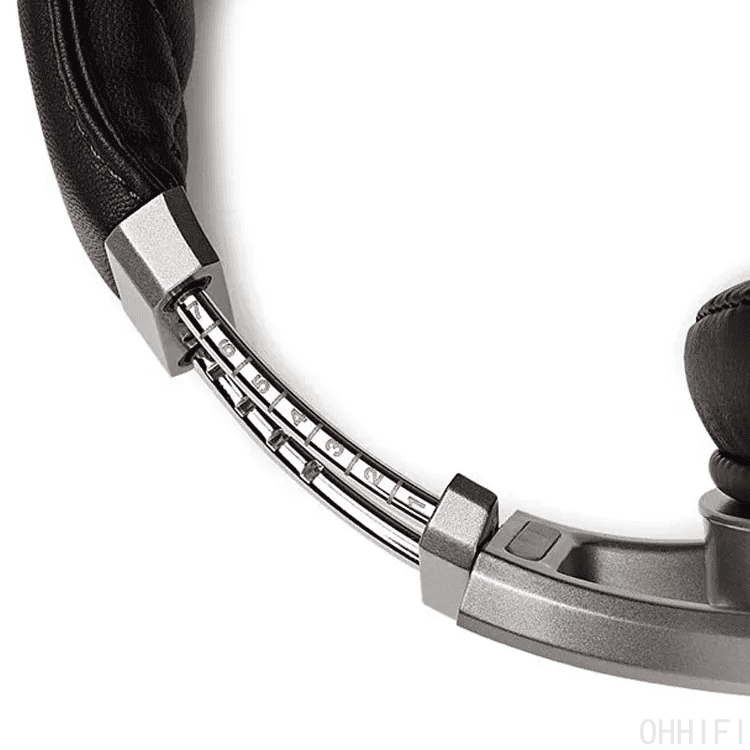
The slider mechanism is damped and "clicky," offering numbered gradations that allow for precise, repeatable fit adjustments. There is zero play in the hinges; the build tolerances are incredibly tight, reflecting the "Made in Japan" manufacturing standards at the Shirakawa facility.
The Comfort Factor
At 375 grams, the D9200 occupies a "Goldilocks" zone for weight. It is significantly lighter than the planar magnetic heavyweights from Audeze (often exceeding 600g) and feels more substantial than the featherweight Sennheiser HD800S. It manages to feel premium without being a neck-strain hazard.
However, the headband design has drawn mixed feedback. The arc is relatively flat at the apex, which can create a "hot spot" on the very top of the head for users with more pointed cranial shapes. While the padding is wrapped in plush, genuine sheepskin leather, the foam density is somewhat firm. Some users report needing to shift the headband position slightly every hour during long listening sessions to distribute the pressure.
The earpads are an asymmetrical design, utilizing memory foam wrapped in "engineered Japanese leather" (a high-grade synthetic chosen for durability) on the contact surfaces and real leather on the sides. The asymmetrical thickness places the driver at an angle to the ear, improving soundstage imaging. The internal cavity of the pads, however, is not cavernous. Users with larger-than-average ears may find the pads touching the helix or lobe, making the fit more "on-ear" than strictly "over-ear" for some.
Part IV: The Engine – FreeEdge Driver Technology
While the bamboo housing shapes the sound, the driver generates it. The D9200 utilizes Denon’s proprietary 50mm FreeEdge driver, a technology that fundamentally differs from standard dynamic drivers.
The Problem with Traditional Drivers
In a typical dynamic headphone driver, the diaphragm (the part that moves to make sound) is made of a single sheet of material (like Mylar or PET). This sheet is stamped to form both the central dome and the outer suspension (surround). The problem is conflicting requirements: the dome needs to be rigid to move as a piston, but the surround needs to be flexible to allow movement. When a single material is used, the surround often distorts as it flexes, and the dome can flex (break up) at high frequencies, causing distortion.
The Denon Solution
The FreeEdge driver decouples these functions. The diaphragm itself is composed of a nanofiber material chosen for its extreme rigidity and low mass. This cone is "free"—it is not part of the suspension. instead, it is mounted to a separate, soft, compliant surround that allows the driver to move with a long-throw pistonic motion without bending or flexing the radiating surface itself.
This architecture mimics the construction of high-end loudspeaker woofers. Driving this nanofiber sheet is a neodymium magnet array exceeding 1 Tesla of magnetic flux density. This immense magnetic power provides a "vice-grip" control over the voice coil. It allows for lightning-fast transient response—starting and stopping the driver almost instantaneously.
This high flux density, combined with the lightweight diaphragm, contributes to the headphone’s remarkable efficiency (105dB/mW) and low impedance (24 ohms). On paper, this suggests the D9200 is easy to drive. In reality, this high sensitivity makes it a microscope for the upstream signal path, revealing the noise floor of inferior amplifiers with ruthless efficiency.
Part V: The Sound Profile – A "W-Shaped" Masterpiece?
Describing the D9200’s sound signature requires nuance. It does not follow the Harman Target, nor does it adhere to the "warm and dark" tonality of the LCD-2. It is best described as a refined W-shaped signature or a Neutral-Bright tuning with a potent bass foundation. It prioritizes clarity, speed, and resolution, wrapped in a timbre that remains surprisingly organic.
1. The Bass: Tectonic Precision
The low-frequency performance of the D9200 is sophisticated. Those expecting the loose, boomy bass of the older D7000 may be initially surprised. The D9200 does not rely on a mid-bass hump to create the illusion of warmth. Instead, it offers linear extension deep into the sub-bass regions (audibly reaching down to 20Hz with authority).
Sub-bass: The rumble is visceral. On tracks like Hans Zimmer’s "Why So Serious?" (The Dark Knight OST), the sub-bass pressure builds in the cups without distorting. It feels like a pressurized column of air.
Mid-bass: The impact is fast and tight. Kick drums have a sharp leading edge ("thwack") followed by a natural decay. There is zero bleed into the midrange. This separation is the D9200's party trick—keeping the bass heavy but the vocals crystal clear.
Texture: Listening to the upright bass in Miles Davis’s "So What," you can hear the vibration of the string against the fingerboard. The bamboo housing prevents the bass notes from blurring into a "one-note" hum.
2. The Midrange: Lucid and Forward
Midrange in closed-back headphones is often the victim of cup resonances, sounding "honky" or recessed. The D9200 avoids this trap entirely. While measurements might show a slight recession relative to the bass/treble peaks, psychoacoustically, the mids sound forward and articulate.
Vocals: Female vocals are a highlight. Diana Krall or Norah Jones sound intimate and breathy. The resolution is high enough to hear lip smacks and breath intakes. Male vocals have sufficient weight but lack the chesty thickness found in the ZMF Verité.
Instruments: Pianos and acoustic guitars benefit immensely from the bamboo timbre. There is a "woodiness" to the decay—a natural resonance that makes synthetic materials (like the metallic beryllium of the Focal Stellia) sound slightly sterile in comparison.
3. The Treble: The "Denon Sparkle"
The high frequencies are the D9200’s most polarizing attribute. The treble is extended, airy, and undeniably bright. There is a peak in the lower treble (6-8kHz) and upper treble that gives the headphone its sense of hyper-detail and "air".
Resolution: This tuning digs out "plankton"—low-level details like the reverb tails of a snare drum or the shifting of chairs in an orchestra. It rivals the HD800S in its ability to present micro-detail.
The Edge: For treble-sensitive listeners, this can be a double-edged sword. On poorly mastered pop or metal tracks (e.g., Slayer or highly compressed J-Pop), the cymbals can sound splashy or sibilant. The D9200 is unforgiving of bad source material. It demands high-quality recordings.
4. Soundstage and Imaging: Holographic Immersion
Perhaps the most impressive feat of the AH-D9200 is its spatial presentation. Closed-back headphones typically suffer from an "in-head" soundstage—a flat line of sound running between the ears.
The D9200 defies this. It creates a soundstage that is holographic, with genuine depth and height. While it cannot match the boundless width of an open-back HD800S, it projects sound slightly in front of the listener, creating a 3D bubble.
Imaging: The imaging is laser-precise. On complex tracks, you can pinpoint the exact location of every instrument. The "black background"—the silence between notes—is profound, likely a result of the bamboo’s vibration damping preventing the noise floor from being muddied by resonance.
Part VI: Comprehensive Comparison – The Battle of the Flagships
To truly contextualize the D9200 ($1,599), we must pit it against its primary rivals in the high-end closed-back arena.
1. Denon AH-D9200 vs. Focal Stellia ($2,999)
The Stellia is often cited as the benchmark for closed-back fidelity.
Build: The Stellia feels more "fashion-forward" with its mocha/cognac colorway and heavy use of leather/aluminum. The Denon feels more traditional and "craftsman-like."
Sound: The Stellia is warmer, with a fuller, more "lush" midrange and a smoother treble response. The Denon is airier, faster, and has a sharper treble bite.
Bass: The Stellia has a punchy mid-bass. The Denon has better sub-bass extension and texture.
Verdict: The Stellia is the safer, more romantic tuning. The Denon is the more exciting, dynamic, and revealing tuning. Considering the Denon is nearly half the price, it offers a terrifyingly high value proposition, delivering 95% of the Stellia's technical performance with a different flavor.
2. Denon AH-D9200 vs. Fostex TH900mk2 ($1,599)
The TH900mk2 is the spiritual cousin, sharing the Foster biodynamic heritage.
Signature: The TH900 is a quintessential V-shape. It has massive, earth-shaking bass and piercing treble, with recessed mids. It is a "fun" headphone.
Refinement: The D9200 feels like a "grown-up" TH900. It retains the bass impact (though tighter and less bloomy) but fills in the midrange, making vocals present rather than distant. The treble on the D9200, while bright, is less harsh and sibilant than the Fostex.
Isolation: The TH900 leaks sound like a sieve (it is barely closed). The D9200 offers superior isolation.
3. Denon AH-D9200 vs. ZMF Verité Closed ($2,499)
Speed vs. Decay: The ZMF uses a beryllium-coated PEN driver that focuses on a slightly slower, more organic decay and reverb. It sounds "tubey" and holographic in a euphonic way. The Denon is significantly faster. Transients start and stop instantly.
Tonality: The ZMF is warmer and thicker. The Denon is cleaner and leaner.
Weight: The ZMF is heavy (often 500g+). The Denon is much lighter and easier to wear for long periods (hotspot notwithstanding).
4. Denon AH-D9200 vs. Sony MDR-Z1R ($1,799)
Soundstage: The Z1R has a massive, cavernous soundstage that sounds almost unnatural to some. The Denon is more intimate but more precise in its imaging.
Bass: The Z1R has a slower, bigger bass bloom. The Denon is tighter.
Mids: The Z1R has a notorious lower-treble peak/midrange dip that can make vocals sound strange. The Denon is much more coherent in the vocal range.
5. Denon AH-D9200 vs. Sennheiser HD820 ($1,999)
Tone: The HD820 is often criticized for a strange tonality in the lower mids due to the glass reflector covers. The Denon sounds significantly more natural and "correct."
Stage: The HD820 wins on soundstage width (it is practically open-sounding). The Denon wins on tonal accuracy and bass impact.
Part VII: Critical Listening – Track by Track Analysis
To demonstrate the versatility (and limitations) of the D9200, we subjected it to a rigorous playlist.
1. Classical: Mozart’s Symphony No. 41 (Jupiter) - Freiburg Baroque Orchestra
Observation: The D9200 handles the complex interplay of strings and winds with ease. The separation is superb; you can follow the second violins independently of the first. The dynamic jumps from piano to forte are handled without compression. The bamboo timbre adds a lovely resonance to the cellos.
Verdict: Exceptional for large-scale orchestral works.
2. Electronic: Limit to Your Love - James Blake
Observation: The track features a relentless sub-bass wobble. Many headphones distort or rattle here. The D9200 holds the line perfectly. The bass is clean, distinct, and pressurizes the ears without muddying Blake’s vocals or the piano chords. The silence between the bass notes is absolute.
Verdict: A reference-class performer for electronica and IDM.
3. Rock/Metal: Lateralus - Tool
Observation: Danny Carey’s drums sound thunderous. The snap of the snare is incredibly satisfying. However, as the track builds in intensity and cymbals crash, the D9200’s treble peak can become fatiguing. The electric guitars have plenty of "crunch" and bite.
Verdict: exhilarating but potentially fatiguing at high volumes.
4. Jazz: Take Five - Dave Brubeck Quartet
Observation: The saxophone has plenty of air and breathiness. The imaging places the drum kit perfectly in the stereo field. The hi-hats sound metallic and realistic, not splashy. The double bass is taut and woody.
Verdict: Highly engaging, bringing the listener into the "club."
Part VIII: Synergy – The Art of Pairing
The D9200 is a chameleon that reflects the character of the upstream equipment.
Amplification
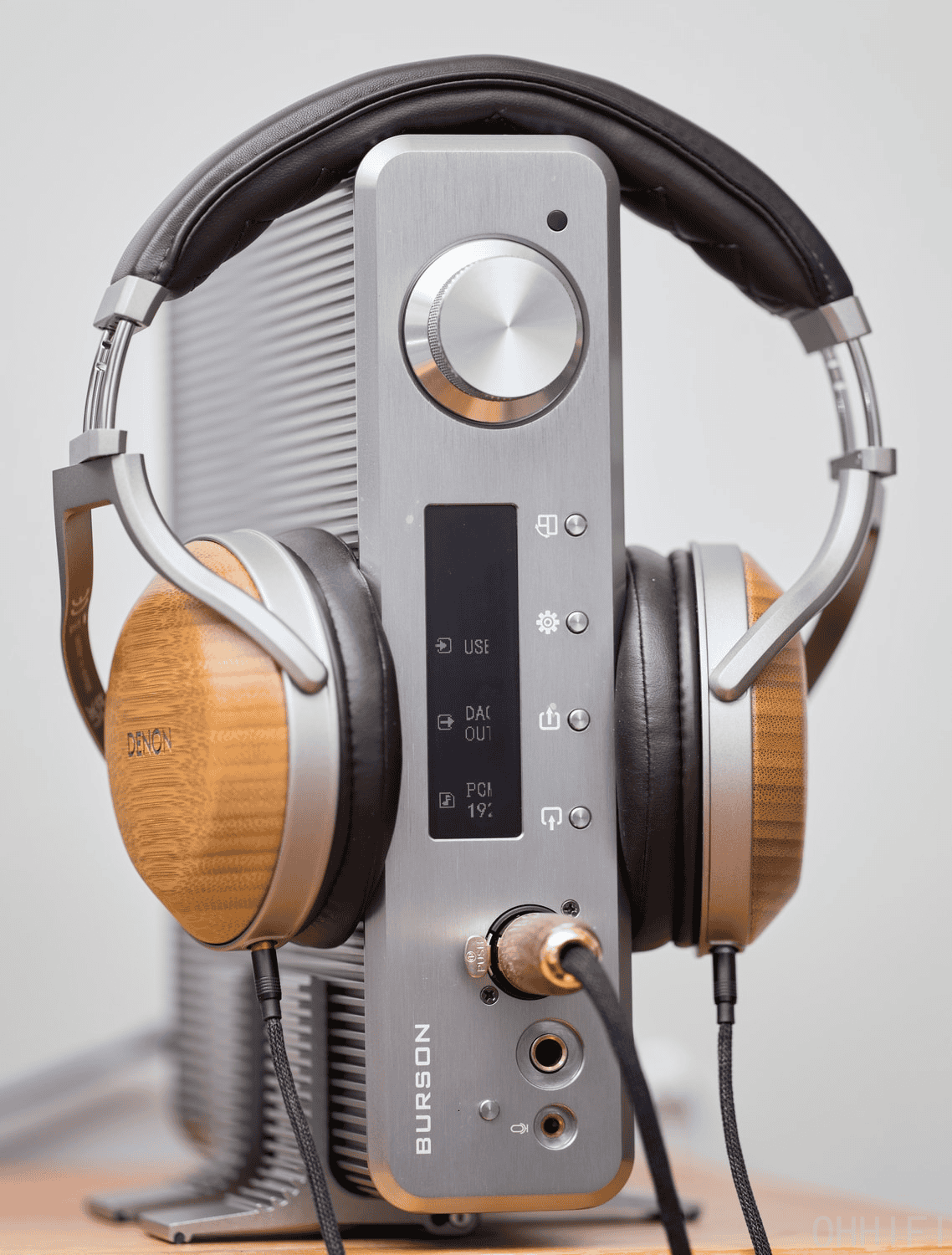
Solid State: Pairing with ultra-clean amps like the Benchmark HPA4 or Topping A90 yields a hyper-detailed, surgical sound. This is great for analyzing mixes but can be dry and fatiguing for enjoyment.
Tube Amps: This is the secret weapon. The D9200 responds magnificently to tubes. A good OTL amp (like a Feliks Audio Euforia) or a hybrid (like the xDuoo TA-20) adds second-order harmonic distortion that fills out the slightly lean lower mids and smoothes the treble peak. The high impedance of some OTL amps might technically be a mismatch for the 24-ohm Denon, but in practice, many users find the bass control remains adequate while the tonality improves drastically.To explore this synergy without the electrical risks of impedance mismatching, our iFi iDSD Phantom Review: The Swiss Army Knife of High-End Audio examines a flagship source that masterfully addresses this dilemma. By allowing users to switch between pure J-FET solid-state and GE5670 vacuum tube stages in real-time, it provides the perfect playground to harvest the D9200’s 'secret weapon' tonality while maintaining the 'vice-grip' control required by its low-impedance drivers.
Cables
While cable rolling is a contentious topic, the D9200’s high resolution makes it sensitive to changes.
Copper: Highly recommended. A high-purity OCC copper cable helps tame the brightness and adds body to the bass (e.g., Moon Audio Black Dragon).
Silver: Generally avoid, unless you are a confirmed "treble-head" who wants to maximize the sparkle.
Part IX: Technical Specifications Data
| Feature | Specification | Notes |
| Driver Type | Dynamic 50mm | Nanofiber FreeEdge Diaphragm |
| Magnet Type | Neodymium / Iron / Boron | >1 Tesla Flux Density |
| Impedance | 24 Ohms | Highly efficient, easy to drive |
| Sensitivity | 105 dB/mW | Reveals source noise floor |
| Frequency Response | 5 Hz – 56,000 Hz | High-Res Certified extension |
| Max Power Input | 1,800 mW | High power handling capability |
| Weight | 375 g | Without cable |
| Cup Material | Japanese Bamboo (Mosochiku) | Hand-selected and lacquered |
| Cable Connectors | Dual 3.5mm mono | Industry standard, easy rolling |
| Origin | Shirakawa, Japan | Handcrafted |
Part X: Conclusion – The Emperor’s New Groove
The Denon AH-D9200 is a triumph of Japanese electro-acoustic engineering. It manages to solve the riddle of the closed-back headphone: how to keep the noise out without keeping the sound in.
It offers a level of resolution, speed, and soundstage depth that challenges even open-back headphones in its price class. The bass is reference-quality—deep, textured, and bleed-free. The vocals are lucid and intimate. The treble, while bold, provides an addictive sense of air and detail that brings recordings to life.
It is not a headphone for everyone. If you crave the warm, syrupy embrace of a ZMF or the laid-back smoothness of an Audeze LCD-2, the D9200 may feel too energetic, too revealing, too "awake." It is an unforgiving mirror to your music collection, exposing every flaw in a bad mix.
However, for the audiophile who wants to hear everything—who wants the visceral slam of a dynamic driver combined with the electrostatic-like speed of a flagship, all wrapped in a package of exquisite craftsmanship—the AH-D9200 is a revelation. It sits in a unique market position: significantly more refined than the "fun" headphones and significantly more affordable than the "ultra-luxury" flagships.
In the quiet solitude of a late-night listening session, as the bamboo cups glow softly and the music envelops you in a holographic bubble, the D9200 proves that you don't need to open the window to see the stars. You just need the right glass.



Comments