
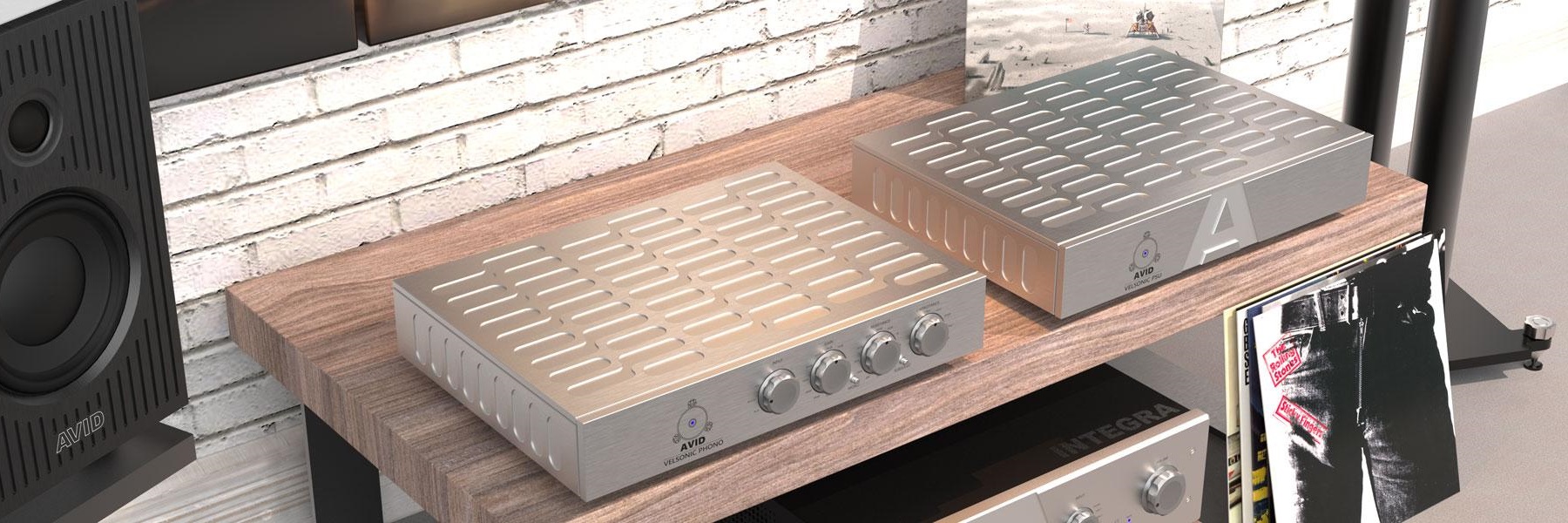
AVID Velsonic — AVID's First New Phono Stage in Over a Decade, and It Costs $19,995

Let's get the number out of the way first: $19,995 USD / £11,995 / €15,995. That's what AVID is asking for the Velsonic, their brand-new flagship phono stage launching in May 2026 — and the first completely new phonostage design from the Cambridgeshire company since 2012. For context, that's 14 years of living off the Pulsare II and Pellere. Both of those are now officially discontinued, and the Velsonic steps in as AVID's sole standalone phono offering.
So what do you actually get for that kind of money?
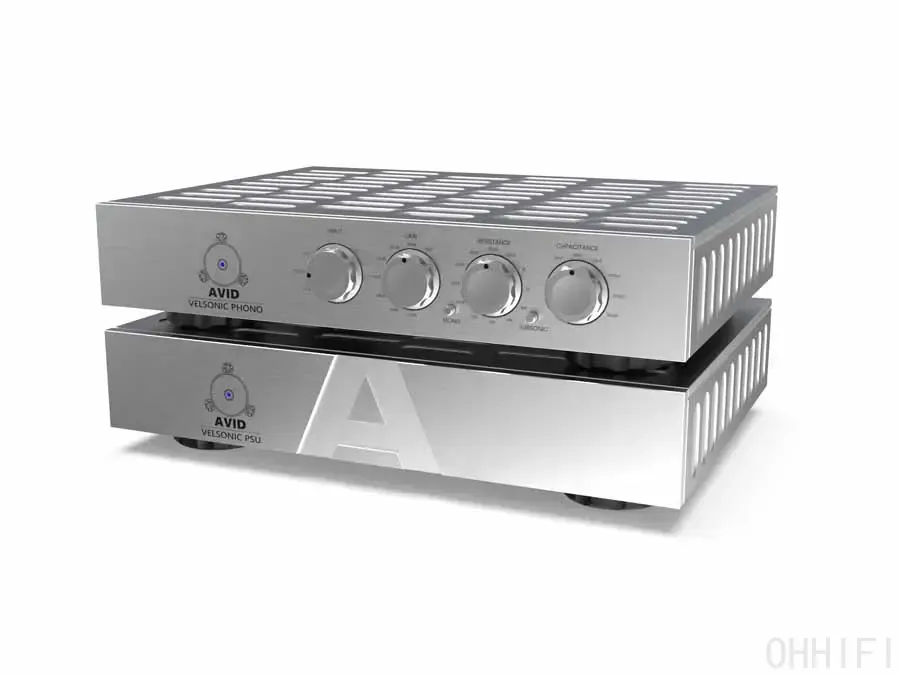
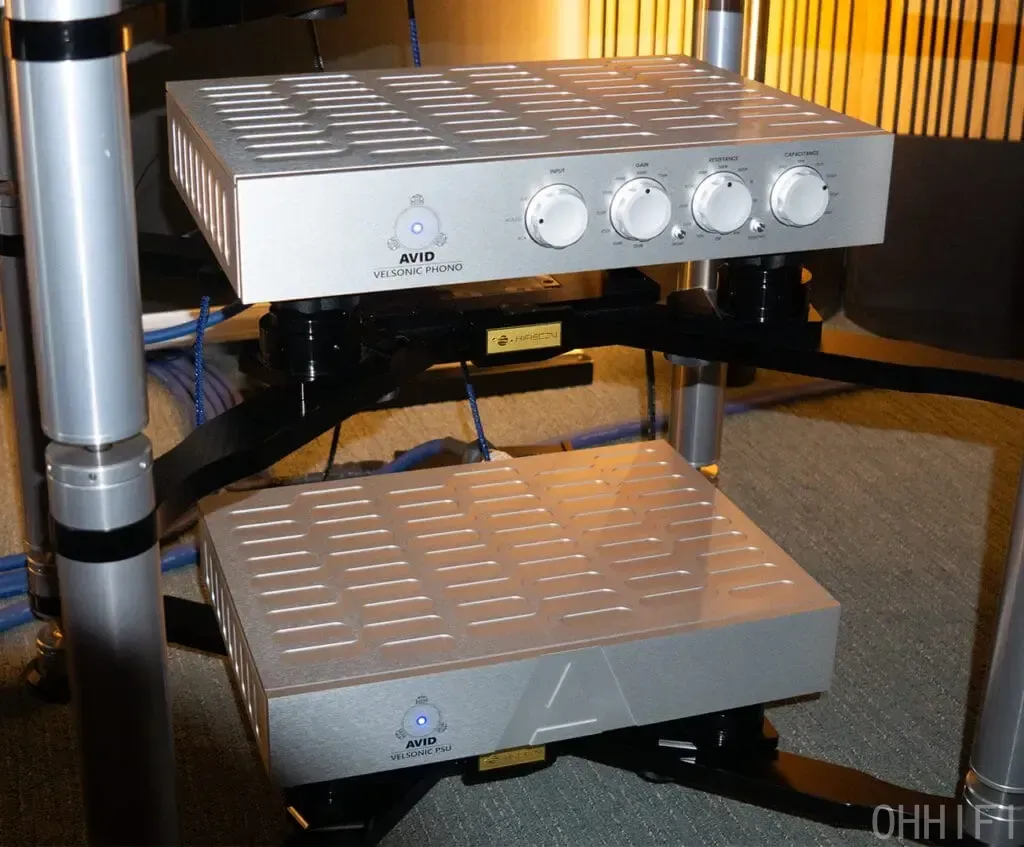
The Velsonic stays true to the design philosophy AVID has always championed: fully analogue, dual-mono configuration, zero digital circuitry anywhere in the signal chain. This isn't a gimmick — it's a deliberate engineering stance. The internal layout has been reworked with tighter signal path optimization and channel separation as primary goals. AVID says they've drawn heavily on the technology developed for their Reference Pre Amplifier, which suggests the Velsonic shares some serious trickle-down DNA.
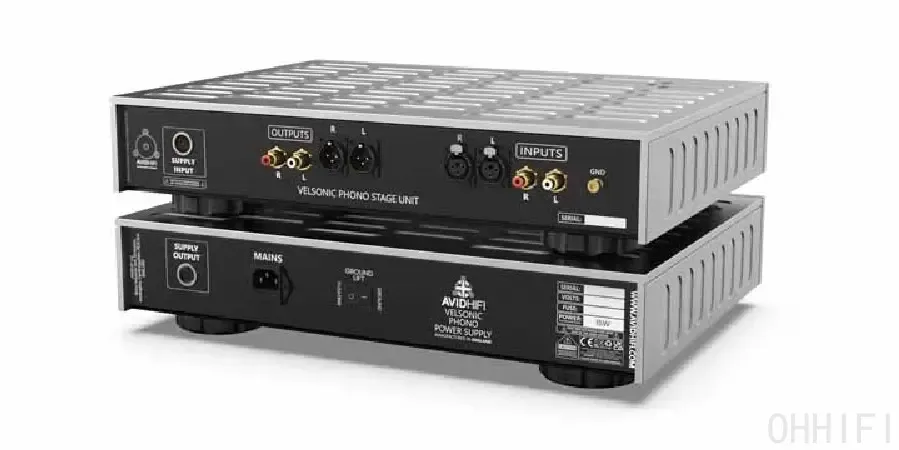
On the practical side, the gain settings are wider than before, giving you more flexibility matching output levels across different system configurations. The resistance loading options have also been expanded — useful if you're running a demanding low-output MC cart and want to dial in that sweet loading spot rather than just picking from a handful of fixed values. The chassis is precision-machined, the isolation feet have been updated to better kill mechanical resonance, and the power supply regulation has been revised for improved operational stability. These might sound like incremental moves, but in a phono stage operating at this gain level, every one of these details matters to the noise floor.
What AVID gear sounds like — and why that matters here
If you've never heard an AVID phono stage, here's the short version: the house sound is full-bodied, dynamically punchy, and surprisingly low in the noise department. There's a natural tonal balance that doesn't lean artificially warm or cool. From the Pulsare II down to the old Pulsus, the family resemblance was always clear — more of the same character as you moved up, rather than a different presentation. Based on that lineage and the engineering choices made here, expect the Velsonic to push those qualities further: better low-level resolution, tighter bass control, more air and definition in the upper registers without tipping into brightness.
Competitive Landscape
At twenty grand, you're in serious company. Let's talk about the obvious alternatives.
The Nagra Classic Phono (around $17,000–$18,000) is one of the most refined analogue phonostages on the market — Swiss precision, tube-hybrid circuit, and an almost clinical sense of quiet. It's a genuine rival. Where the Nagra leans slightly toward a warm, bloom-y presentation, AVID's DNA tends to be more grip-focused and dynamically assertive. If you want your records to sound lush and intimate, the Nagra is seductive. If you want them to sound alive and controlled, AVID historically wins.
The Boulder 508 sits a bit lower in cost (around $10,000) but punches above its weight with exceptional RIAA accuracy and a dead-flat noise floor. It's more surgical than musical, though — it tells you everything that's on the record, good and bad. The Velsonic, if it follows AVID tradition, will likely be more forgiving of imperfect pressings while still resolving.
The CH Precision P1 is the Swiss reference machine that competes here on pure pedigree. Modular, upgradeable, insanely configurable — and priced to match. Against the Velsonic, the CH Precision is more a platform than a product. If you're the kind of listener who enjoys obsessing over cartridge loading to the decimal point, the CH P1 is your rabbit hole. The Velsonic seems aimed at the audiophile who wants reference-level performance without turning their rack into a science experiment.
The Esoteric E-02 (~$13,000) is another strong contender — Japanese build quality is impeccable, and the circuit topology is thoughtful. It trades slightly in the direction of analytical over musical, though.
Pros
The Velsonic benefits from 14 years of learning since the Pulsare II launched. AVID builds everything in the UK, quality control is consistently praised, and the expanded loading and gain options make this genuinely versatile across a wide cartridge roster. The dual-mono topology and revised power supply regulation are not just talking points — these are exactly the things that keep the noise floor low and channel separation high, which you absolutely need at this amplification level. It also slots neatly into a broader AVID ecosystem if you're already running one of their turntables and tonearms.
Cons
It's a product announcement, not a hands-on review — we're working from specs and AVID's track record rather than actual listening time, and that caveat matters. At $19,995, you're making a serious commitment before May 2026 even arrives and dealers have demo units in stock. The discontinuation of the Pulsare II also means the used market for AVID phono stages is about to get interesting — a clean second-hand Pulsare II at a fraction of this price might be worth tracking down if your budget is tighter.
Also notably absent from the announcement: any specifics about balanced XLR input options, which the old Pellere had. Worth asking your dealer about before you sign anything.
Should You Buy It?
If you're building or upgrading a serious analogue front end — we're talking a high-quality turntable, a capable tonearm, and a cartridge in the $3,000+ range — the Velsonic makes a coherent case for itself. AVID doesn't release new products casually; a 14-year gap between phono stage designs means this thing was worth the wait in their eyes, and their track record backs up that kind of patience. Audition it against the Nagra Classic Phono specifically — that's the most meaningful head-to-head at this price — and let your ears decide. If you're still running a sub-$5,000 cartridge setup, your money is better spent elsewhere first.




Comments