
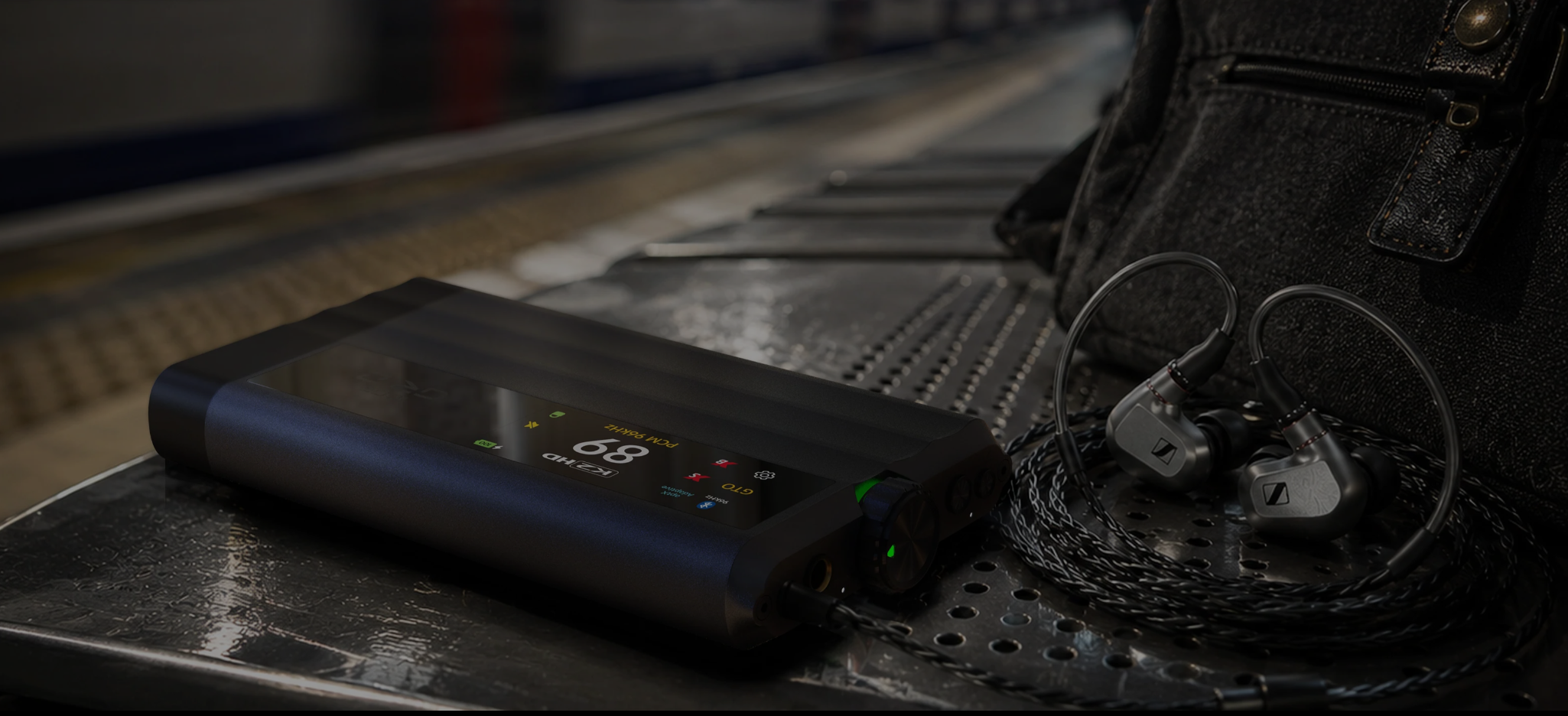
iFi iDSD GR 2: A More Powerful Gryphon That Costs Less

iFi has pulled the covers off the iDSD GR 2, the long-overdue successor to the xDSD Gryphon — and the headline figure isn't the power output. It's the price. At £529 / $529 / €549 (CA$799), the GR 2 lands a clear seventy quid under what the Gryphon asked at launch, while iFi claims a 50% bump in power, lossless Bluetooth, and a proper touchscreen. A portable DAC/amp that gets cheaper and more capable in the same generation is rare enough that it's worth a hard look — even before anyone has lived with one.
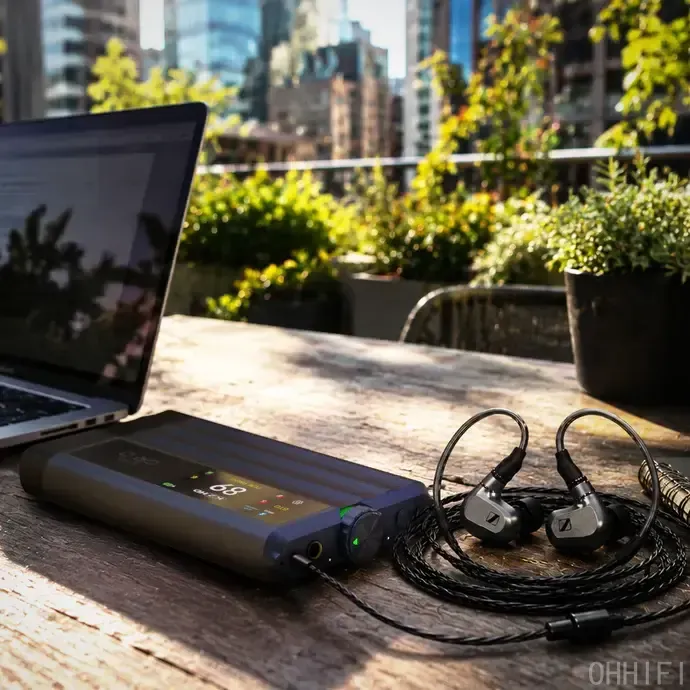
A quick word on what this piece is: the GR 2 was only just announced, there are no independent bench measurements yet, and I haven't had one on the desk. So this is a first look at the spec sheet and what it means in context — not a verdict. The sound talk below is grounded in the Gryphon's well-documented character and iFi's house signature, not in listening notes I don't have.
What's New
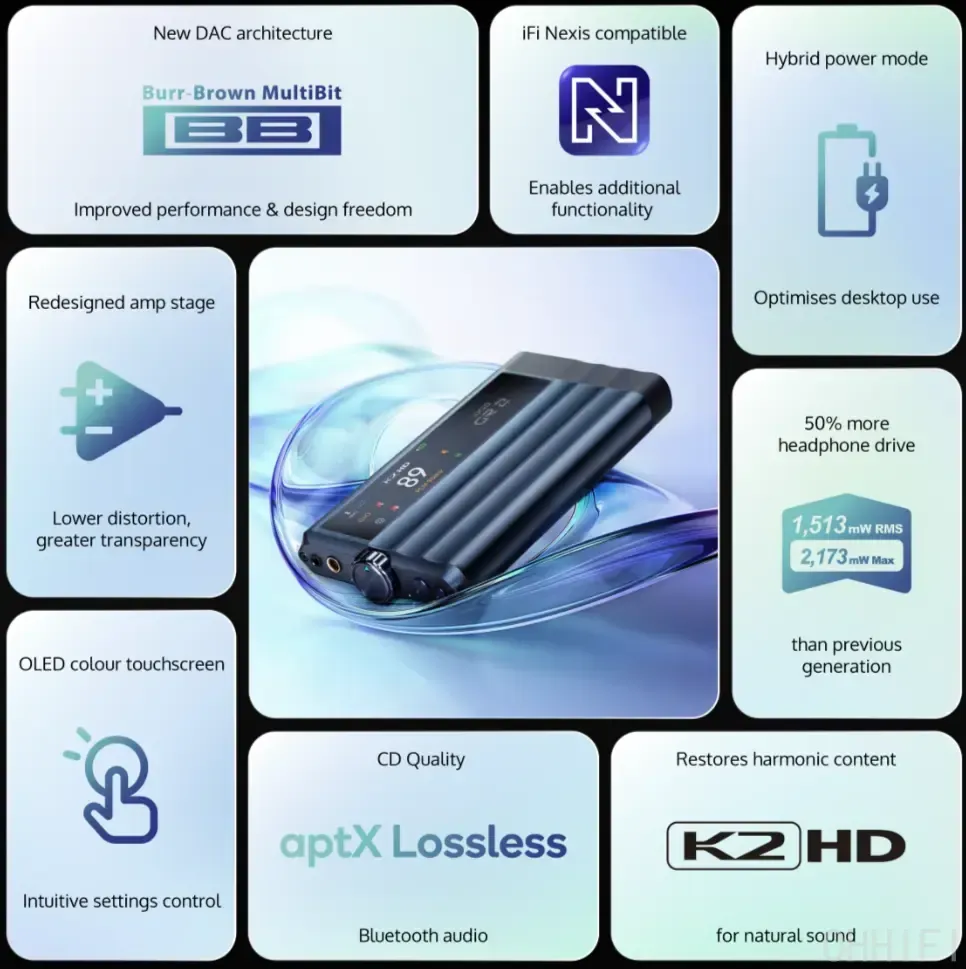
The GR 2 has been rebuilt rather than warmed over. The core change is the DAC: iFi has dropped in a Burr-Brown PCM1795, the first time the chip has appeared in one of its products, running full 32-bit. iFi's pitch is the usual one — warm, analogue-leaning tonality, but with improved dynamic range and lower distortion than before.
The short version of the spec sheet:
- DAC: Burr-Brown PCM1795, 32-bit
- Power: up to 1,513mW into 32Ω (iFi quotes +50% vs the Gryphon's 1,000mW), fully balanced amp stage
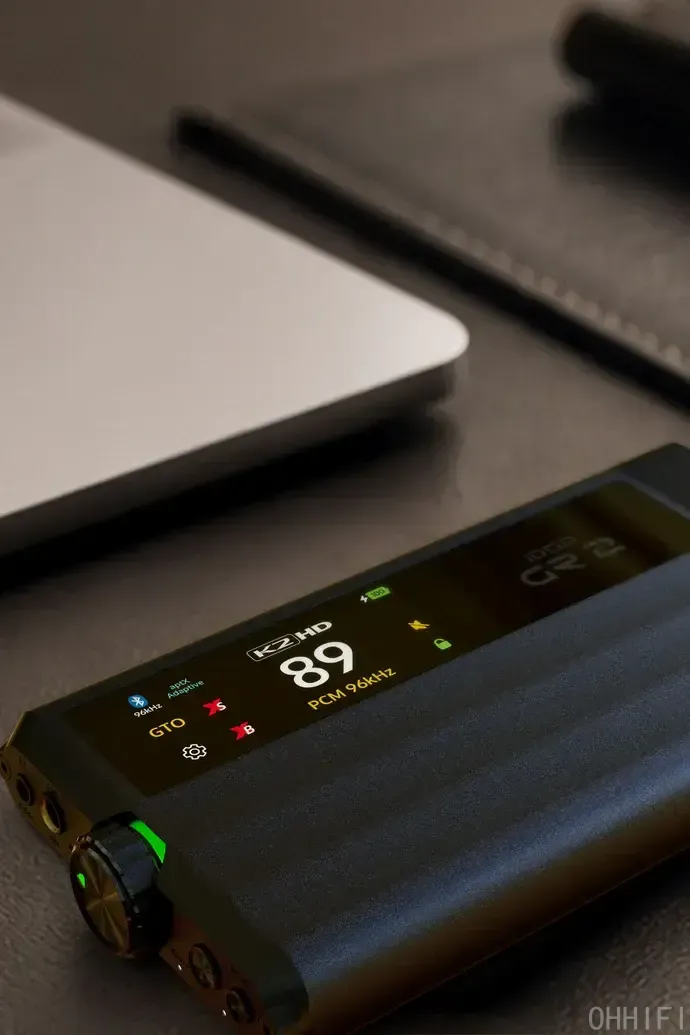
- Display: colour capacitive OLED touchscreen, replacing the old knob-and-display layout
- Bluetooth: 5.4, with aptX Lossless and LDAC
- DSP: JVCKENWOOD's K2HD harmonic restoration, plus a lighter-touch K2 mode, alongside iFi's own XBass+ and XSpace
- Connectivity: USB, S/PDIF and line-level; iFi Nexis app support
- Power management: a "hybrid" mode that balances mains and battery to protect long-term battery health
- Battery: rated around 7 hours — down from the Gryphon's quoted 8
That last point is the one to keep an eye on. More power and a touchscreen generally cost you stamina, and the hour iFi has given back here, however small, is a regression worth flagging rather than glossing over.
Where It Sits
iFi's portable range has become genuinely sprawling. Above the GR 2 sit the pricier powerhouses — the iDSD Diablo 2 and the flagship Valkyrie — while the dongles and the GO blu cover the cheap-and-cheerful end. The Gryphon always occupied the sweet spot: a do-everything transportable that could feed demanding headphones at home and slip into a coat pocket on the way out. The GR 2 is iFi protecting that middle ground, and the new K2HD tie-in and lossless Bluetooth are the bits meant to keep it ahead of a field that has caught up fast since 2021.
How It Stacks Up
| Rival | The Pitch | Where the GR 2 Fits |
|---|---|---|
| iFi xDSD Gryphon (predecessor, ~$599) | 1,000mW, ~8hr, Burr-Brown MultiBit, knob + OLED, five-star all-rounder | GR 2 claims more power, lossless BT and a touchscreen for less money — but a Gryphon owner gains little unless they need the extra grunt |
| FiiO Q15 (~$399) | AKM AK4499EX, Bluetooth, desktop mode pushing ~1.6W | Cheaper and arguably more powerful on paper; the Q15 has been called clean-but-flat next to the Gryphon's smoother, blacker-background presentation |
| Chord Mojo 2 (£450 / $725) | FPGA processing, benchmark transparency, a What Hi-Fi? Awards winner | The reference for outright resolution at the price, but no native Bluetooth and a dated charging setup — the GR 2 is the far more complete travel package |
My Take (On Paper)
The real story here isn't the power figure iFi is leading with — it's that the company has added power, features and a screen while dropping the price. That alone makes the GR 2 the most interesting thing in iFi's portable line this year.
I'm more cautious about the marketing-driven bits. K2HD is harmonic-restoration DSP, and "putting back detail lost in recording" is exactly the sort of claim I take with a pinch of salt until I can defeat it and hear what it's actually doing. The fact that iFi offers a lighter mode, and that XBass+/XSpace have always been switchable, suggests it'll be optional rather than baked in — good. The capacitive touchscreen is the other wildcard: lovely on a desk, less obviously so on a device that rides in a pocket against keys and lint. Convenience and accidental-touch annoyance tend to travel together.
On sound, I'll commit to an expectation and nothing firmer. I've run most of iFi's portables across the desk over the years, and the house character barely moves — a touch of warmth, a relaxed top end, a black background. The Gryphon earned its reputation for sounding smoother and more composed than the flatter, more clinical FiiO competition, and a new DAC chip rarely upends a voicing iFi has spent a decade refining. If the GR 2 lands anywhere near that, it'll be easy to live with. But that's a hunch, not a measurement.
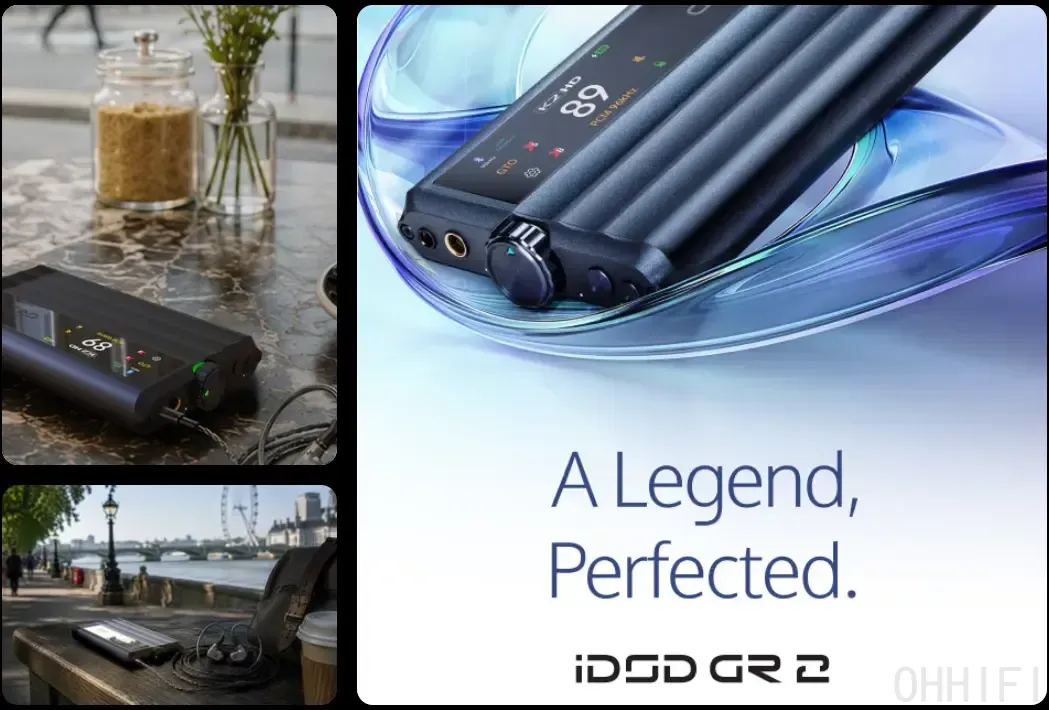
Two housekeeping flags before you reach for the card. First, coverage is split on availability — some outlets list it as on sale now, while iFi's own early materials pointed to an early-July window, so check stock with a real dealer before getting excited. Second, no one has put this on a bench yet. iFi's DSP-heavy approach has always divided the measurement crowd, so I'd wait for an independent frequency-response and distortion sweep before drawing conclusions about that "lower distortion" claim.
Who Should Watch This
Keep an eye on the GR 2 if you're shopping the £400–£700 transportable bracket and want Bluetooth done properly — lossless wireless plus enough power for fussy planars and high-impedance cans in one pocketable box is still a short list. Current Gryphon owners can mostly relax: unless you specifically need the extra headroom or the lossless BT, this is an iteration, not a reason to trade up. And if outright transparency is your only metric and you never use Bluetooth, the Mojo 2 is still the one to beat — the GR 2 is for people who want the whole toolkit, not just the sharpest single tool.


Comments