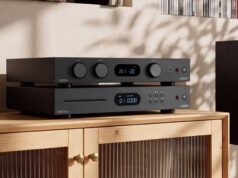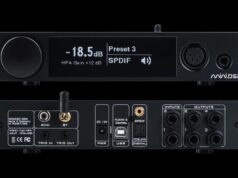









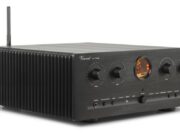

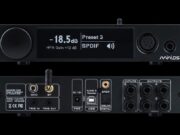

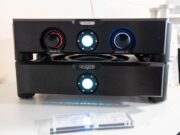













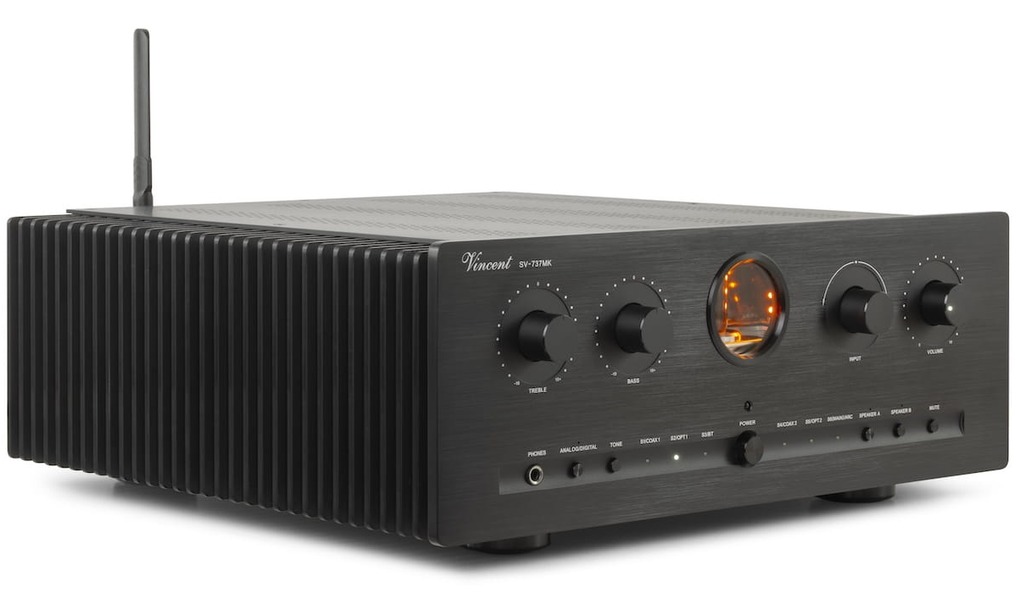
Vincent Audio has updated the two anchors of its tubeLine range. The SV-737MK hybrid integrated amplifier ($3,999.95) trades its Wi-Fi streaming module for an HDMI ARC input, while the SA-32MK stereo preamplifier ($1,999.95) finally gains built-in Bluetooth. Both keep their predecessors’ tube-and-transistor circuits, and both reach US dealers in November 2026 through Pangea Audio.
What’s New
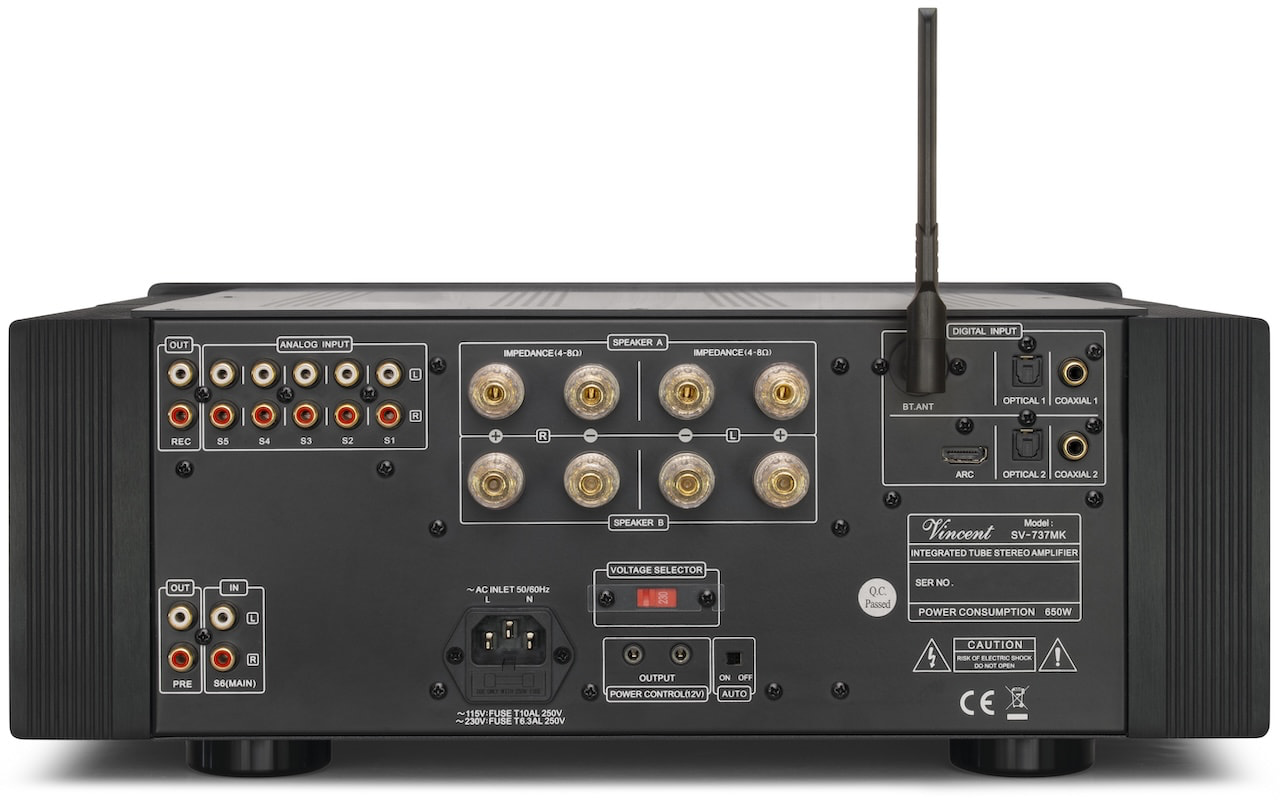
The SV-737MK’s headline change is the HDMI ARC input, which replaces the Wi-Fi module of the original SV-737. A television plugs straight into the amplifier — no optical cable, no extra DAC. But the ARC input does not support CEC, so the TV remote cannot change the amplifier’s volume. At $4,000, that is the first thing I would check.
Losing Wi-Fi is the other half of the trade. The original could pull music from a NAS over its wireless connection; the MK keeps Bluetooth and asks you to bring your own streamer. Anyone already running a WiiM or a Bluesound NODE will shrug; anyone who bought the original for network playback will not.
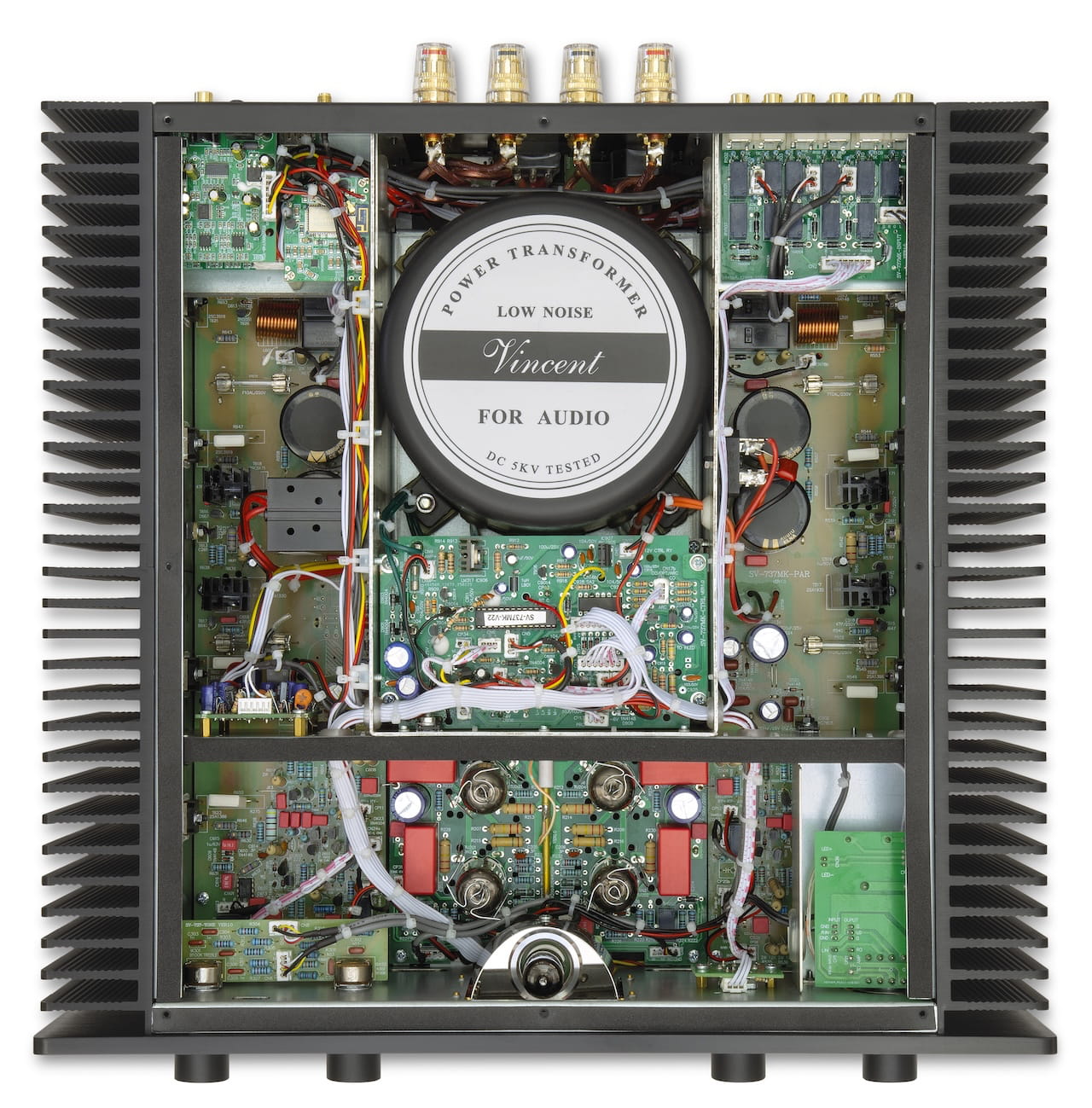
Under the lid, the familiar five-tube preamplifier stays: two 6N2P tubes on voltage gain, two 6N1P as driver and buffer, and an 85A2 reference tube steadying the high-voltage supply. The solid-state power stage comes from Vincent’s SV-237MKII — 180 watts per channel into 8 ohms, 300 into 4 ohms, the first 10 watts per channel in Class A. A pre out and Main In replace the old jumpers; the Main In doubles as a home theater power-amp input.
A built-in DAC takes two optical and two coaxial inputs alongside the HDMI ARC, and a 6.3 mm headphone jack on the front drives 32 to 600 ohm headphones. Five RCA line inputs, A/B speaker terminals, tone controls with a bypass, a dimmable tube window, two 12V triggers and a remote complete the picture — but there is no phono input and no balanced XLR input. Response is 20 Hz–20 kHz ±0.3 dB, distortion under 0.02%, weight 46.3 lbs.
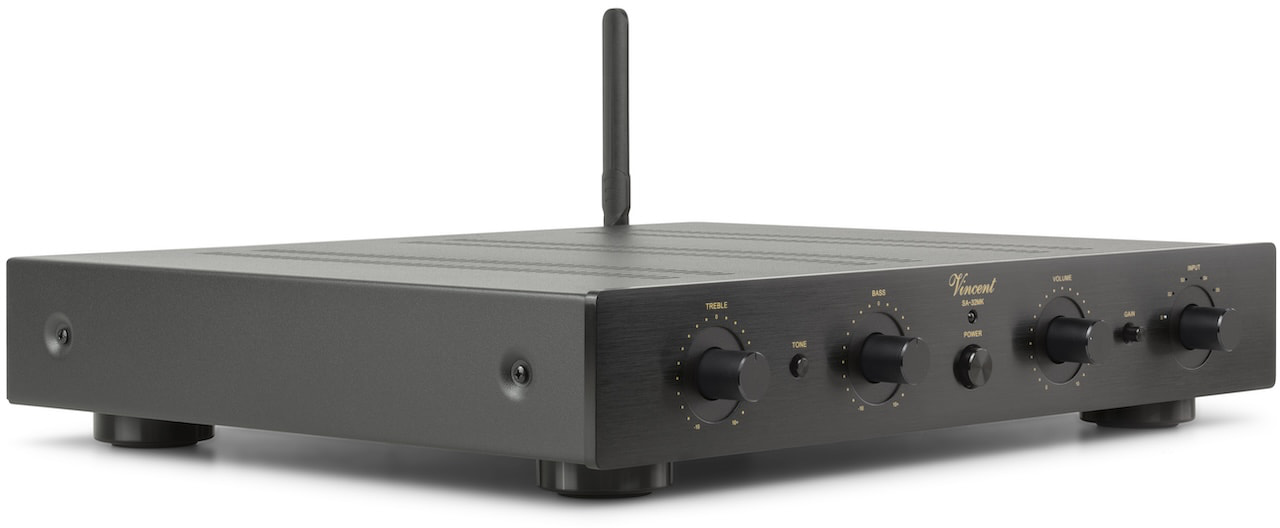
The SA-32MK is a quieter update. It takes the SA-32 preamplifier from 2017 and adds one thing: built-in Bluetooth, so music streams straight from a phone, tablet or computer with no dongle. The analog circuit is otherwise untouched — four 6N16 tubes working with solid-state circuitry. Four RCA inputs and one balanced XLR feed two RCA pre-outs, one balanced XLR out and a record out, with tone controls, a bypass and switchable 0/−8 dB attenuation.
What it does not offer matters just as much. There are no optical or coaxial digital inputs, no USB DAC and no internal streamer, and no phono stage. Bluetooth is its only wireless source, so a DAC or phono preamplifier is still on your shopping list.
Context
Vincent has never chased features for their own sake; it refines proven circuits, a habit kept since its founding in 1995. More stereo systems now sit in front of a television, and HDMI ARC is the simplest bridge between the two. The answer is deliberately narrow: add the TV connection, add Bluetooth where it was missing, and leave the rest to everyone else.
Compared to Predecessors and Current Rivals
Against the originals, the price moves are easy to state. The SV-737 launched at $3,499.95, so the MK asks $500 more and hands back HDMI ARC while taking away Wi-Fi. The SA-32 was listed at $1,299.95, so the MK asks $700 more for Bluetooth alone — the analog circuit, the connectivity and the chassis are otherwise the same.
The wider market is less forgiving. The Rotel RA-1592MKII ($3,699) gives you 200 watts per channel, balanced XLR inputs, a moving-magnet phono stage, USB DAC and Bluetooth, but no HDMI ARC. The Advance Paris A12 Classic ($4,499) is the closer match: tube preamplifier, solid-state output stage, 190 watts per channel, dual-mono, HDMI ARC, a moving-magnet/moving-coil phono stage, USB audio, subwoofer outputs — though Bluetooth needs an optional adapter. The Vincent sits between them on price, with the tube window and first 10 watts of Class A as its calling cards. Cheaper still, the CANOR Virtus I4S (€2,799) is a solid-state integrated with a phono stage — less power, no tubes, but it covers the vinyl the Vincent leaves open.
My Take
Paper analysis: I have not heard either unit — the judgments below rest on the published specifications and the models they replace.
On paper, this looks promising because Vincent did not touch the parts that matter most. The SV-737MK keeps the tube preamplifier and power stage that made the original convincing, adds the one TV connection that matters, and gains a proper Main In. The SA-32MK’s Bluetooth finally removes the one dongle that separated it from how most people listen.
What concerns me is the fine print. HDMI ARC without CEC at $4,000 is a daily annoyance: a second remote for every volume change gets old fast. Dropping Wi-Fi narrows the audience to buyers who already own a streamer, and neither box has a phono stage. And $700 for Bluetooth alone on the SA-32MK is steep when a good external receiver costs a fraction of that.
Until independent measurements and listening tests emerge, all of this is theoretical. The architecture is carried over, but revised connections and a new power stage layout do not guarantee the same sound. I would want to hear the MK against the model it replaces before calling it an upgrade.
Who Should Watch This
If you run television and music through one pair of loudspeakers, already own a streamer, and want tube character with 180 watts behind it, the SV-737MK is worth a demo in November. If the TV remote must control volume, or vinyl is your main source, wait — or budget for a phono preamplifier.
The SA-32MK suits listeners building a separates system who stream from a phone and want Vincent’s tube preamplifier sound. If you need a DAC, a phono stage or a streamer built in, it is not your preamplifier. Either way, wait for independent listening tests.