

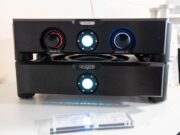
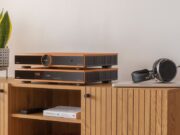
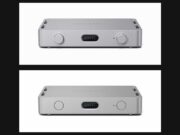
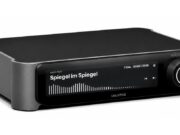
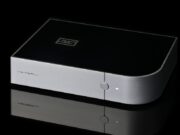



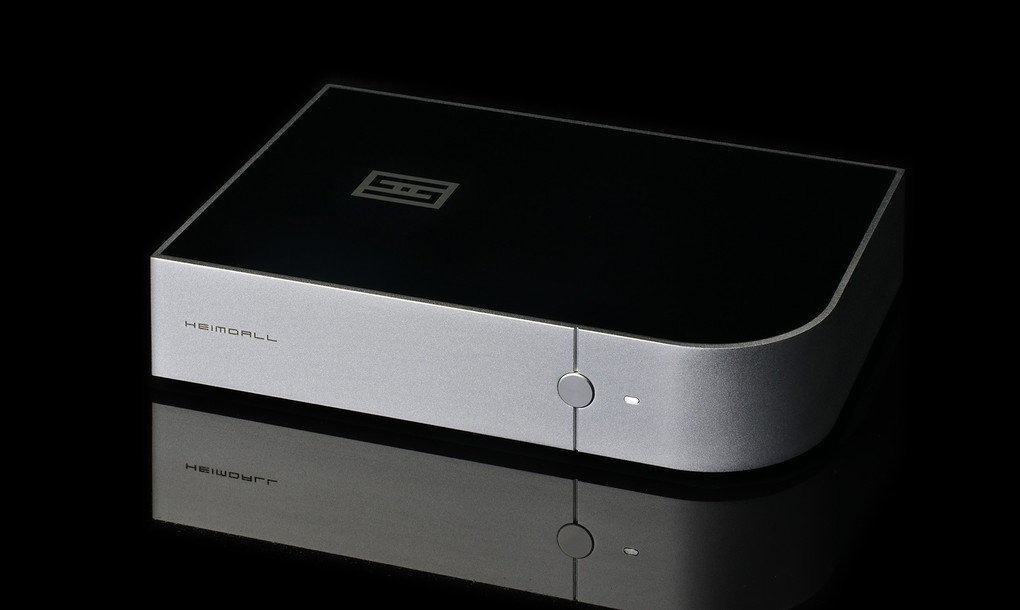
Schiit spent years saying it would never build a music streamer. The software burden, the support tail, the monthly fees — none of it fit a company that ships a box and moves on. So the news that Schiit has built one — and opened pre-orders — is a genuine reversal. The box is called Heimdall, it starts under $1,000, and a $10 refundable deposit holds your place in line.
I have not heard it — nobody outside Schiit has, beyond a show floor in Dallas. What follows is a paper analysis of the announcement: the features, the price, and the two promises that matter most, no subscription fees and ten years of software support.
What’s New
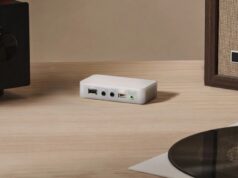
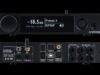
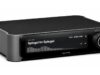
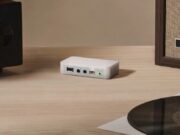
Heimdall is a music streamer with no DAC inside. It takes music in over Wi-Fi, Bluetooth, Gigabit Ethernet or USB-C, and feeds your DAC over AES, coaxial or optical S/PDIF (or USB-C). There is no screen, and no power switch: the box runs off a USB-C PD brick and stays on. Control runs through Forkbeard’s Heimdall app on iOS, Android, Windows and macOS.
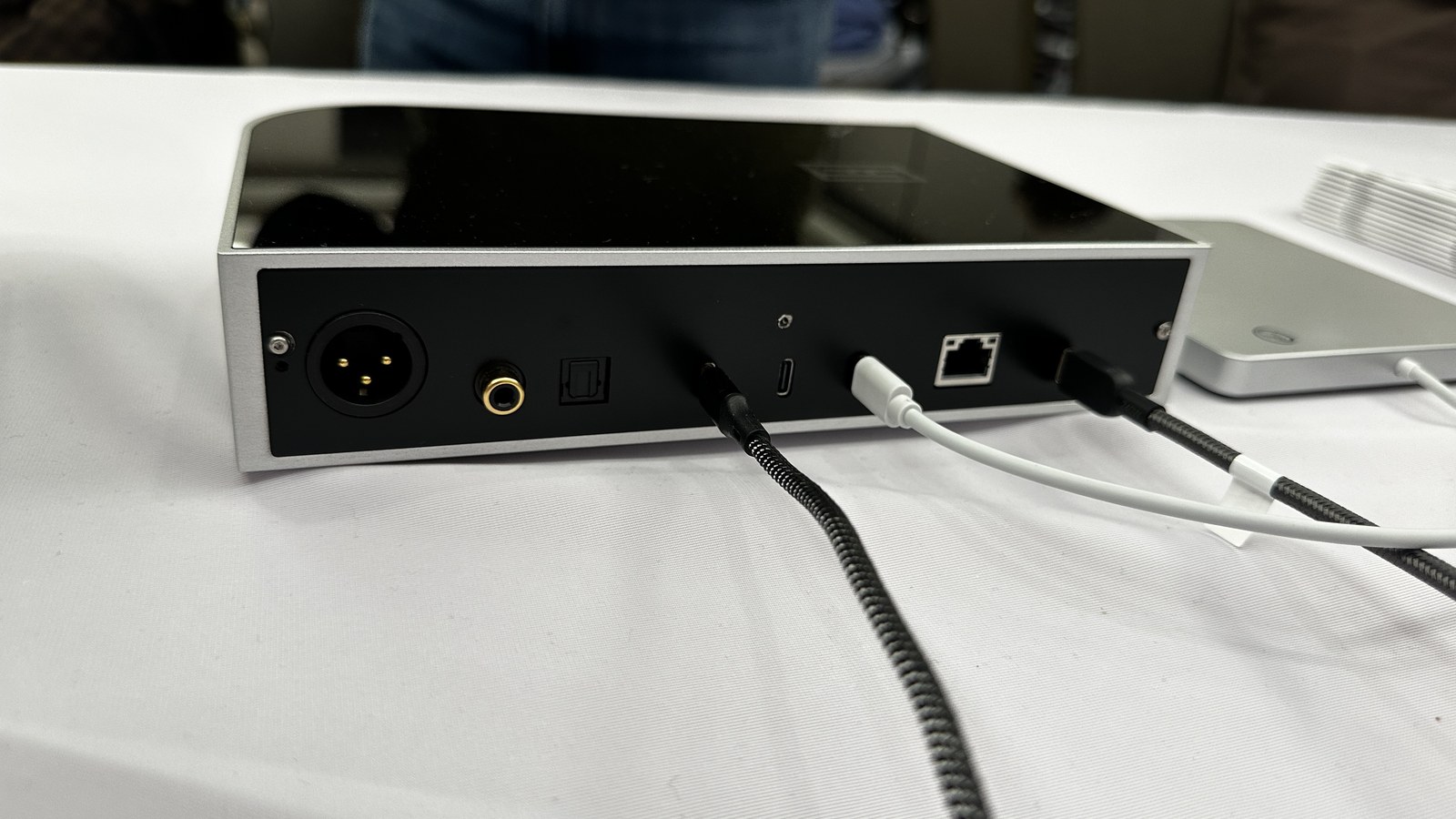
Bit-perfect playback is one tap away. Turn off all processing and the front LED goes green: the bits reaching your DAC are the bits on the file, verified bit by bit. The box is 6 × 9 × 1.75 inches and 3 lbs, built in the USA, PCBs from Schiit’s own lines in Corpus Christi, Texas.
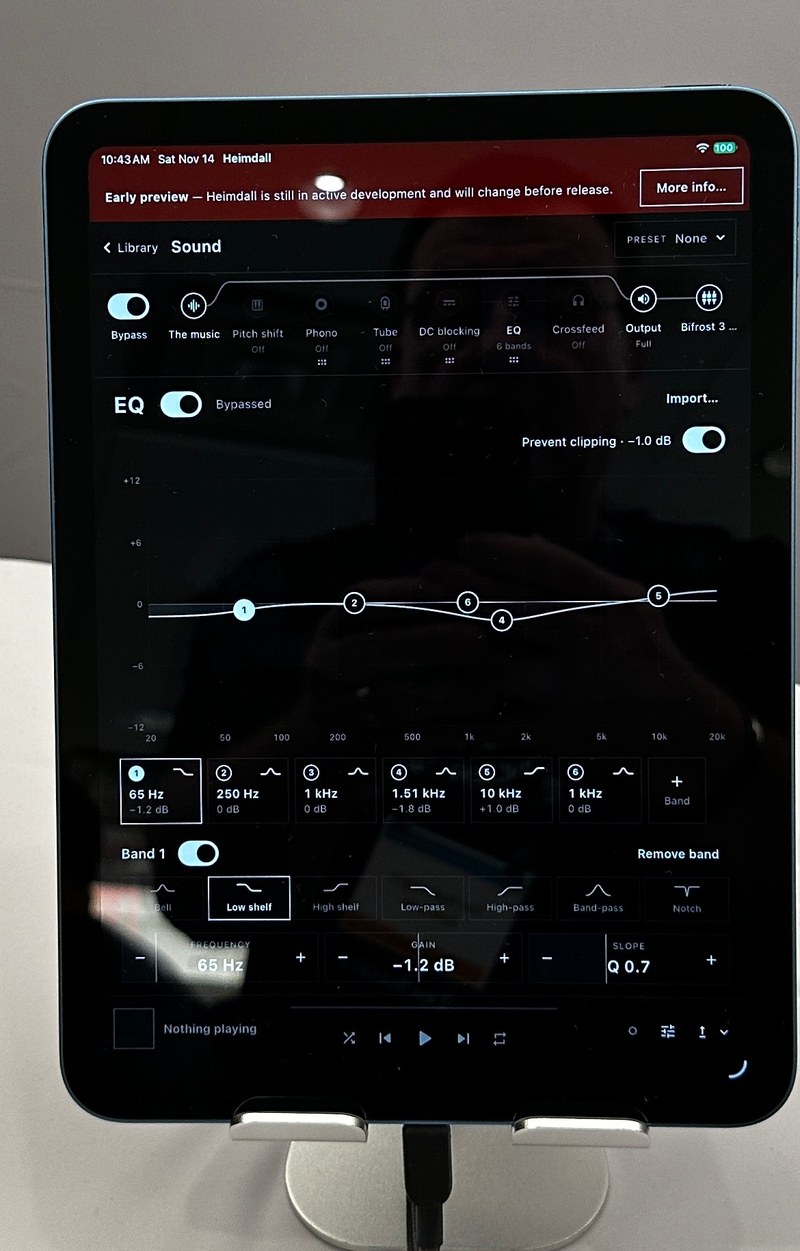
The surprise is how much sound tailoring Schiit packed in. A 12-band parametric EQ with importable presets and independent left/right EQ planned, pitch shift (the Gadget lives), crossfeed, tube emulation across seven tube types — 300B, 6SN7, 5670, 12AU7, 6DJ8, 12AX7, 2A3 — and phono emulation that lets you pick a cartridge type, add surface noise and dial in wow and flutter. Bypass everything and you are back to bit-perfect; engage an emulation and the front LED changes color, blue or orange depending on the mode. The app was still in early preview at CanJam, so expect the interface to change.
Sources cover streaming — Qobuz confirmed, others to be announced — plus 50,000 internet radio stations, your own files over the network or a drive, and local storage on an internal NVMe drive, with room for around 2,500 albums. Formats run from FLAC, ALAC, WAV, AIFF, APE, WavPack and TAK to lossy codecs, with DSD converted to PCM and gapless playback. It even plays CDs through a USB drive, with ripping to USB.
Pre-orders opened on November 17, 2026, with a $10 refundable deposit. Schiit expects shipping to start at the end of February 2027, with pricing starting under $1,000. No exact price has been announced.
Context
In October, eCoustics reported that Schiit would show a working prototype of an unnamed streamer at CanJam Dallas on November 14–15. The prototype was there, unnamed. The name, the deposit and the ship date arrived three days later, in a customer email and a new “Schiit Happened” chapter from co-founder Jason Stoddard.
Stoddard is candid about why Schiit resisted the category. He had argued for years that a streamer meant becoming a software company, with all the support costs that implies. The turn came from Martin Schindler, Schiit’s head of digital development, who spent 2025 proving Schiit could control the whole playback path itself. The result is VeOS, a custom Linux distribution with a fully in-house audio pipeline. Schiit calls Heimdall “the heart of your music,” and “only the start.”
Compared
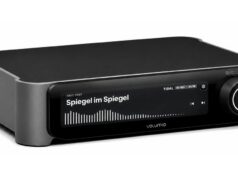
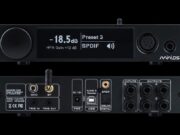
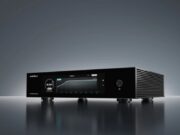
The obvious comparison is the Eversolo DAC-R8, a $1,280 in-house R2R DAC and preamp — the kind of box Heimdall is built to feed. Pairing it with a DAC like the R8 is the intended setup, not a workaround. At under $1,000, Heimdall sits well below flagship transports like the Volumio Rivo Ultra at $4,999, which adds a 12-inch touchscreen but asks roughly five times the money for the same job: a transport, no DAC.
Against the wider market, the contrast is software. WiiM and Bluesound already sell mature streaming ecosystems for less. Heimdall’s answer is not more features on day one — Qobuz is the only service confirmed, and Spotify is effectively out, with Schiit saying Spotify has “zero interest” in third-party API access. The answer is ownership: no monthly fees, and a ten-year software support guarantee on hardware meant to last decades.
My Take
Paper analysis — I have not heard the Heimdall, and no independent reviews exist yet.
Two things interest me. The first is the DSP suite. Tube and phono emulation are not new, but Schiit has taken them further than anyone I can think of — pick a 300B or a 2A3, pick a moving-coil cartridge, add surface noise and wow and flutter — in a box that also promises to get out of the way entirely. A purist transport and a toy box in one chassis.
The second is the ten-year software promise. Streamers usually die by software, not hardware — an API changes, an app stops updating, and a working box becomes a brick. Schiit says it owns the whole stack, from VeOS to the Forkbeard app, and will keep it patched for a decade. If it keeps that promise, it matters more than any single feature.
Qobuz is the only service confirmed; Spotify is effectively out. DSD is converted to PCM, not played natively, and volume normalisation will not be there at launch. A $10 refundable deposit is a cheap way to hold a place while those questions get answered.
Who Should Watch
If you own a Schiit DAC — or any good DAC — and you want your local library, your CDs and Qobuz in one place without a computer in the rack or a monthly fee, Heimdall is the most interesting streamer announcement of the year. Classical listeners get a dedicated library manager; CD collectors get ripping. If Spotify is your main source, or you want a screen on the box or native DSD, look elsewhere for now.