
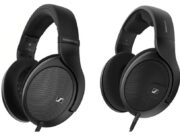





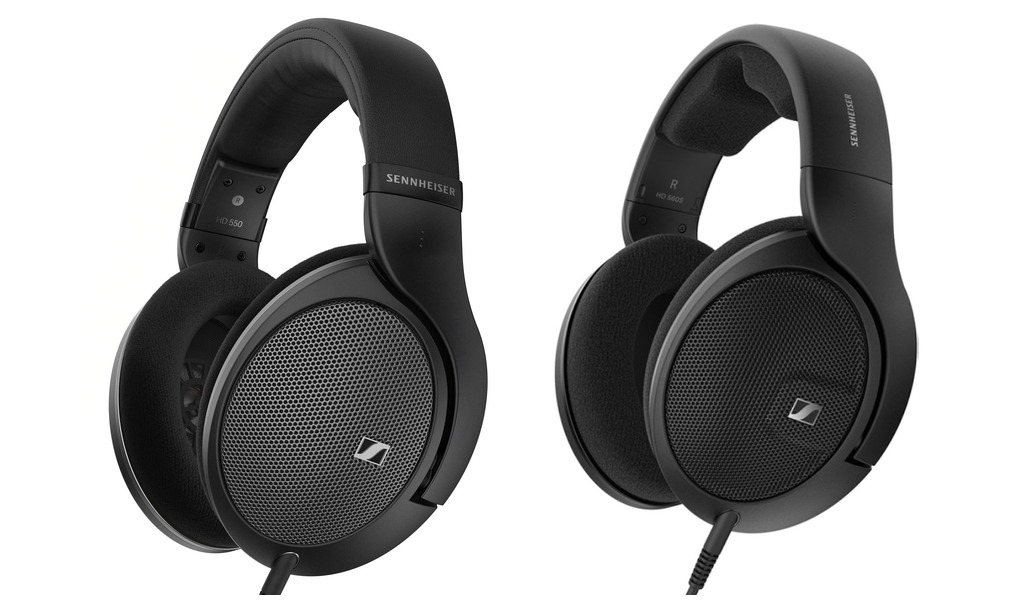
Short version: if you own neither, buy the HD 550. If you already own the HD 560S and you like it, keep it. The HD 550 is the better headphone, but only by a small margin — and the margin that matters most is the price, which has collapsed since the HD 550 launched.
When the HD 550 arrived in March 2025 at $299.95, it cost half as much again as a street-price HD 560S, and the question was whether a smoother top end and a gentler clamp were worth $150. Today the two sit $20 apart on Sennheiser’s own store, which changes the answer completely — and it is why this comparison keeps coming up in every headphone forum right now.
Quick Specs: HD 550 vs HD 560S
| Specification | HD 550 | HD 560S |
|---|---|---|
| Driver | 38 mm dynamic, angled | 38 mm dynamic, angled |
| Impedance | 150 ohms | 120 ohms |
| Sensitivity | 106.7 dB / 1 Vrms | 110 dB / 1 Vrms |
| Frequency response | 6 Hz – 39.5 kHz | 6 Hz – 38 kHz |
| THD | <0.2% (1 kHz / 90 dB SPL) | <0.05% (1 kHz / 90 dB SPL) |
| Weight | 237 g | 240 g (without cable) |
| Cable | 1.8 m, 3.5 mm plug + screw-on 6.35 mm adapter | 1.8 m, 3.5 mm plug + screw-on 6.35 mm adapter* |
| Launched | March 2025 | September 2020 |
| Price today | $199.95 on sale (list $349.95) | $179.95 on sale (list $279.95) |
*The original 2020 HD 560S shipped with a 3 m cable ending in a 6.3 mm plug. Current stock ships the same 1.8 m cable as the HD 550. Older comparisons citing the cable as a difference describe a revision that no longer ships.
The table tells you most of what you need: same chassis, same pads, same 38 mm angled driver size — but a different driver inside, 150 ohms instead of 120, and 3.3 dB less sensitivity.
The Sound: What Actually Differs
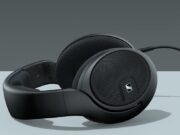
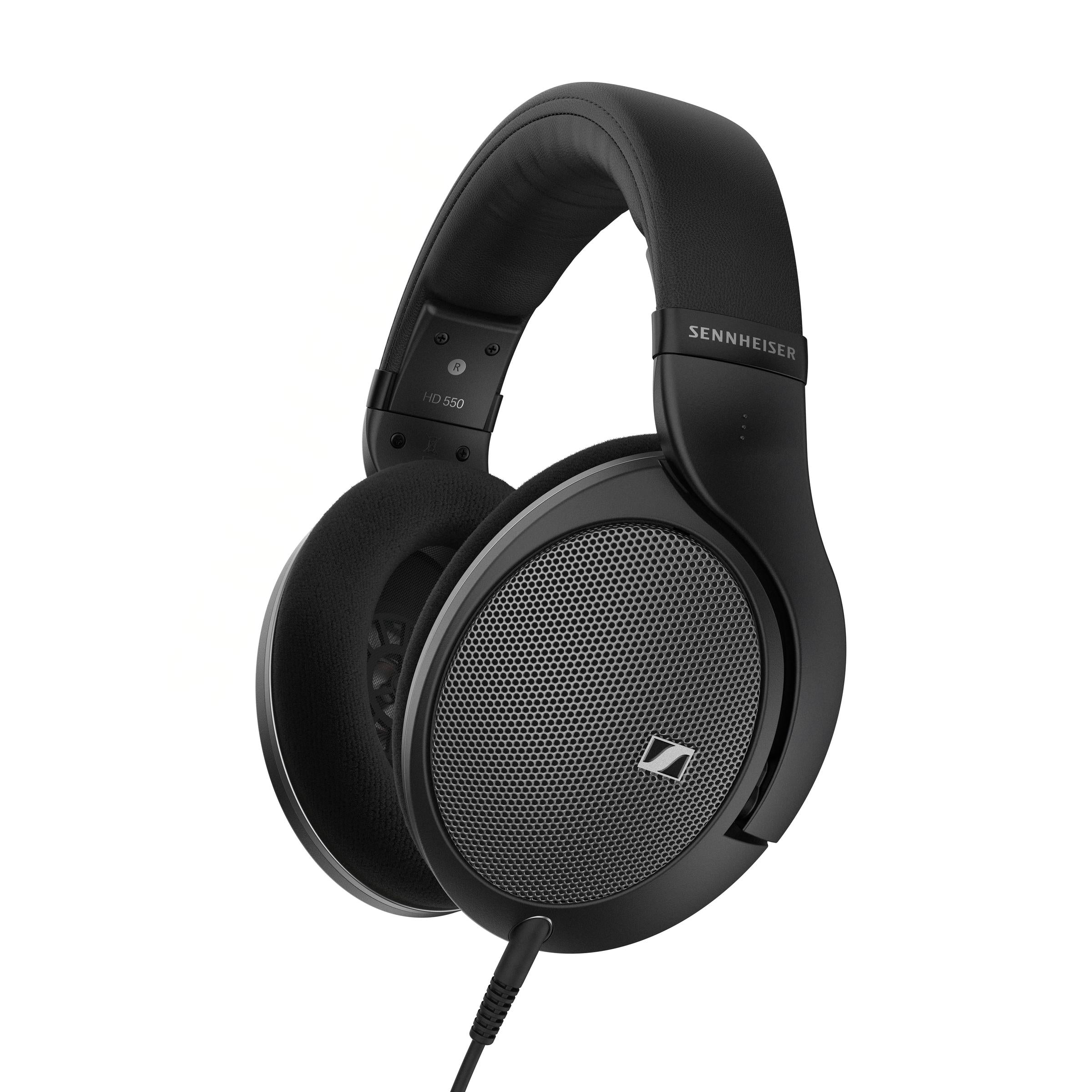
The two share a platform: the proven HD 500 chassis, the same velour pads, the same open-back layout. What changed is the driver — Sennheiser’s own 150-ohm unit, made in Ireland — plus the front damping and a more open dust screen from the HD 620S, with no cloth cover over the driver where the HD 560S has one.
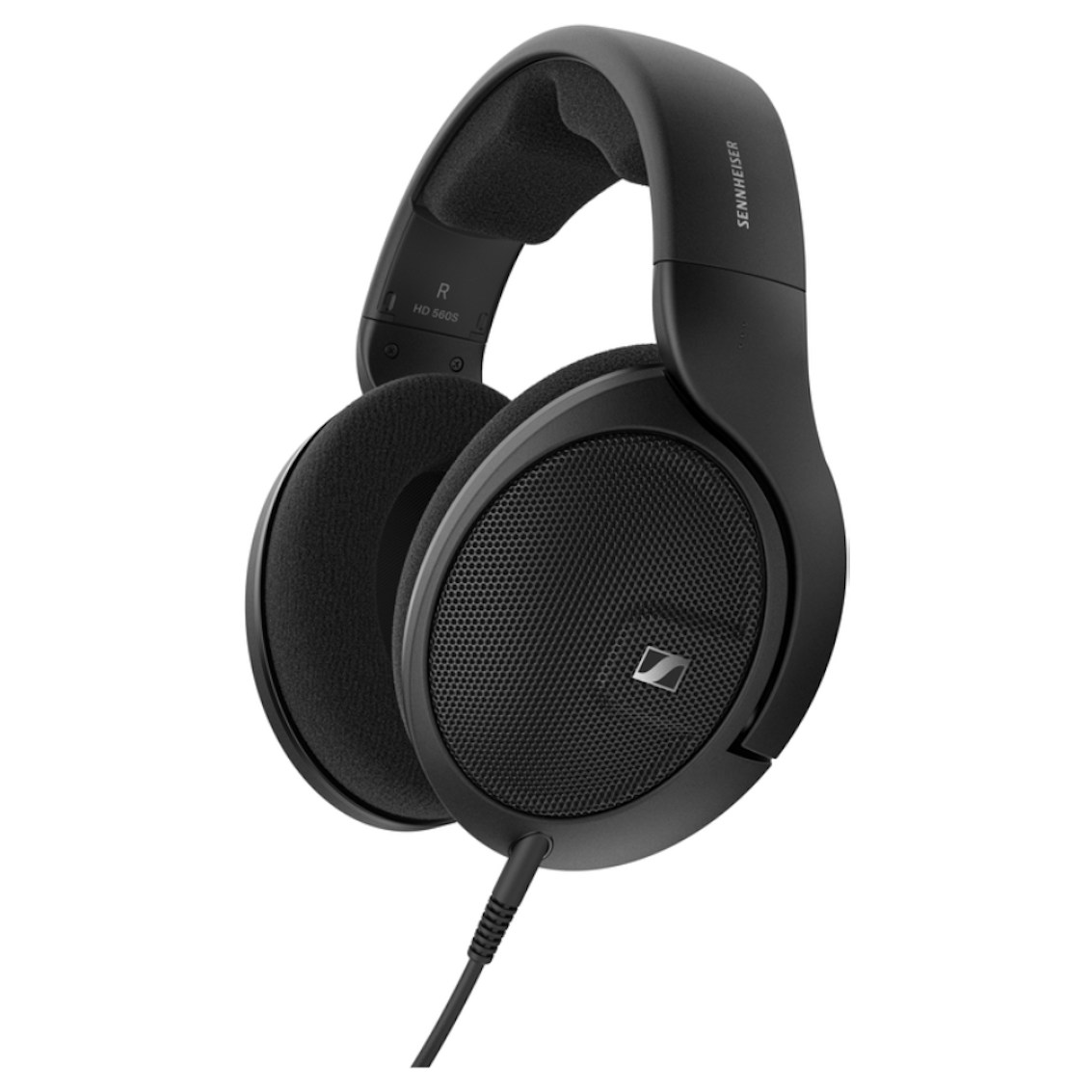
In the bass, the HD 550 digs deeper and hits with more weight — on Massive Attack’s “Angel”, owners who have heard both say the HD 550 blooms slowly where the HD 560S renders it tighter and drier — and it has more body below 100 Hz. The midrange is where the two are closest: voices sit in the same place on both, clean and uncoloured, Norah Jones intimate on either pair, the HD 550’s upper mids just a touch crisper.
Treble is where they split. The HD 560S has a presence peak around 4 to 5 kHz that can glare — the one thing owners complain about most — and it makes the HD 560S sound bright and occasionally sharp on sibilant recordings. The HD 550 smooths that region out: on Dire Straits’ “Sultans of Swing”, listeners say the cymbals keep their shimmer without the edge. A few listeners hear a little extra sparkle higher up on the HD 550, but nobody who has heard both calls the HD 560S the smoother headphone. Soundstage follows the same pattern: the HD 550 images wider, while the HD 560S is more linear and intimate — which suits gaming, where positional cues sit right in front of you. For music, I take the HD 550’s extra space.
One honest note: not everyone agrees on how big the gap is. One experienced reviewer calls the HD 550 better in every respect, saying it fixes every tonal issue he had with the HD 560S. The measurement-led view, from the independent rig that measured both in July 2025, is more cautious — apart from the clamp, the two are hard to tell apart except for a touch more sparkle. My read sits between those two: the treble difference is real and you will notice it first, the bass difference is real and smaller. The HD 550 is the better-sounding headphone. It is not a different headphone.
Comfort and Build
If the sound gap is small, the comfort gap is not. The HD 550 clamps noticeably less — Sennheiser lists “low clamping force” as a headline feature — and owners who found the HD 560S a head vice after two hours say the HD 550 disappears for a full afternoon. The headband helps: smooth pleather with no centre notch, where the HD 560S has the familiar notched pad. At 237 g against 240 g without cable, weight is a rounding error — the clamp is the whole story.
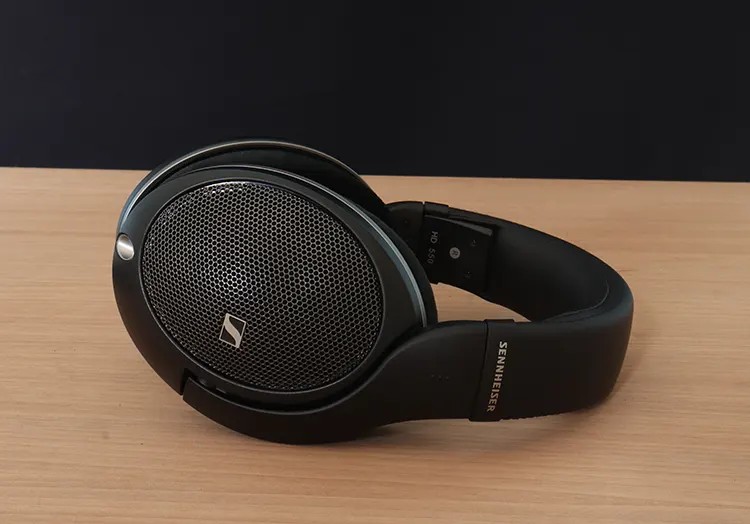
Build is otherwise identical — mostly plastic, light, and tougher than it looks. Same oval cups, same velour pads, same single-sided detachable cable, same drawstring bag and nothing else. The 4.4 mm balanced cable and the boom mic both fit either model. Two details: Sennheiser’s current listing shows 280 g for the HD 560S, against 240 g in the original spec — the difference looks like the cable being counted, and either way the two sit within a few grams of each other on your head. And neither isolates at all: both leak sound in both directions, so neither belongs in an office or on a train.
Drivability: Do You Need an Amp?
Neither needs an amp, but the HD 550 is the slightly thirstier of the two: 1.46 volts to reach 110 dB peaks, against exactly 1 volt for the HD 560S.
| Source | HD 550 (150Ω, 106.7 dB/V) | HD 560S (120Ω, 110 dB/V) |
|---|---|---|
| US Apple dongle (1.0 V) | 106.7 dB | 110 dB |
| EU Apple dongle (0.5 V) | 100.7 dB | 104 dB |
| Recent MacBook jack | ~116 dB* | 112 dB |
| FiiO K11 (4.1 V) | ~119 dB | 122 dB |
*The HD 550’s measured impedance sits just above 150 ohms, so a recent MacBook should use its 3 V high-impedance output; on the 1.25 V tier it would still reach about 109 dB.
A US dongle gives the HD 550 106.7 dB peaks — enough for most listening, with about 3 dB less headroom than the HD 560S gets from the same adapter. Only quiet classical recordings and very loud listeners will notice, and a recent MacBook or any decent desktop amp erases the gap entirely. I ran the full numbers for the HD 560S separately — a $9 dongle already drives it, and the same logic holds for the HD 550 with a smaller margin; the arithmetic is in my HD 560S amp article. Output impedance is the other number: stay below about one eighth of the headphone’s impedance — under 19 ohms for the HD 550, 15 for the HD 560S — and the Apple dongle (0.9 ohms) and the K11 (under 1.2) both pass easily.
Price and Value
The HD 550 launched in March 2025 at $299.95, and for most of its first year the argument against it was simple: half as much again as a street-price HD 560S for a small sound improvement. Sennheiser has since raised its list price to $349.95, then put it on sale at $199.95, where it sits today. The HD 560S lists at $279.95 and is on sale at $179.95, so the gap is $20 at sale and $70 at list. At list, the HD 560S is still the value pick; at sale, the HD 550 is the pick, because $20 buys the smoother treble and the gentler clamp. Prices move, so check both before you buy — the right answer depends on the gap on the day, not the gap at launch.
Two alternatives keep coming up: the Drop HD 6XX (~$199, effectively an HD 650 for less, but it needs a desktop amp) and the FiiO FT1 Pro (~$200 planar, 374 g) — different flavours at the same money, not replacements for the 500 series.
Verdict
Buy the HD 550 if you are choosing today and the gap is $20 to $50: smoother top end, deeper bass, wider stage, a clamp you can forget about, for the price of a takeaway. Buy the HD 560S if the gap stretches past $70, or if you want the brighter, more forward presentation for competitive gaming, where its imaging still has fans.
If you already own the HD 560S, do not upgrade. The HD 550 is better in the ways I have described, and none of them is worth $200 when you already have 90 percent of the headphone. Spend the money on music, or on EQ: a gentle low-end shelf and a small cut in the 4 to 7 kHz region closes most of the gap for free. If you are treble-sensitive, or you wear headphones for four hours at a stretch, the HD 550 is the one. If budget decides, the HD 560S at around $150 street is still the cheapest way into this sound — a very good headphone, just not quite the best in its own family anymore.