
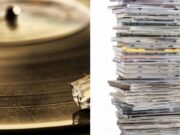
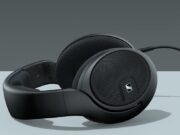
The question came up in a forum thread recently: why is Gen Z buying vinyl, CDs and physical audio gear in such numbers? Some of it is nostalgia — retro is cool, and a record player looks good in a room. But a lot of it is not nostalgia at all. It is ownership, screens, and the record shop. And the sales numbers say the trend is real, even if the exact share bought by twenty-somethings is something nobody has measured yet.
Here is the short version. Young buyers are choosing physical media because a disc is theirs in a way a subscription never is, because a record player is one of the few devices in the house that does not show ads or notifications, and because digging through a record shop finds music no algorithm ever shows them. Nostalgia is the wrapping. Those three reasons are the purchase.
The Numbers Are Real
Start with the numbers, because they answer the first objection: that this is a few TikToks and lazy reporting rather than a real trend. The RIAA’s mid-year report for 2026, released September 1, puts total US recorded music revenue at $5.97 billion for the first half of the year, up 6.9%. Physical media took $731.5 million of that, up 25.9% on the same period last year. CDs did the heavy lifting: 17.5 million units and $171.1 million, up 58.6% — the fastest-growing format in the report. Vinyl kept climbing too: 26.5 million units and $543.8 million, up 17.7%. Vinyl revenue has risen in the RIAA’s mid-year figures every year since 2016.
Keep the scale honest. Physical is 12% of total revenue. Streaming is 82%, at $4.89 billion, with 111.1 million paid subscriptions. Nobody is about to cancel Spotify en masse. But a format growing 26% while the market grows 7% is not a rounding error, and a CD surge of nearly 60% is not a nostalgia blip.
One limit matters, and I will not hide it. The RIAA report does not break sales down by buyer age. It proves physical media is growing; it does not prove Gen Z bought all of it. The case for the generational angle rests on the other half of the evidence: what young buyers themselves say about why they are buying. The numbers and the voices agree. Neither alone would be enough.
Ownership: The Subscription Rebellion
The most repeated idea in the thread was the simplest one: owning beats renting. A subscription is a monthly bill for access that can change. Albums disappear when licenses expire, prices rise, features vanish, and the listener has no say. A disc does none of that. It plays without a subscription, without a network, and without asking a company whether the album is still licensed. I have watched albums I liked vanish from a service overnight. The CD on the shelf never did that.
That lands differently for a generation that has rented almost everything since childhood. Music, films, software, games — all of it arrives as a monthly charge, and none of it is ever really theirs. In that world, a shelf of records is not just a collection. It is one of the few things in the house that cannot be taken away by a terms-of-service change. Several people in the thread said the same thing in different words: they like knowing their money bought a record rather than a month of access.
There is a second ownership point, quieter but just as real. A physical collection works when the network does not: any time the Wi-Fi is out, the records still play. That sounds trivial until the internet drops on a Friday night. The disc does not care about the router.
Screens: The Other Rebellion
The second reason has nothing to do with audio and everything to do with attention. Streaming sits on the same phone as everything else: messages, ads, notifications, and an endless feed competing for the next tap. Too much choice, too many ads, too much between the listener and the music. A record player is one of the few devices in the house that does practical one thing. Put a record on, sit down, and there is nothing to scroll.
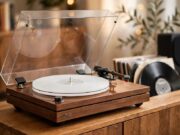
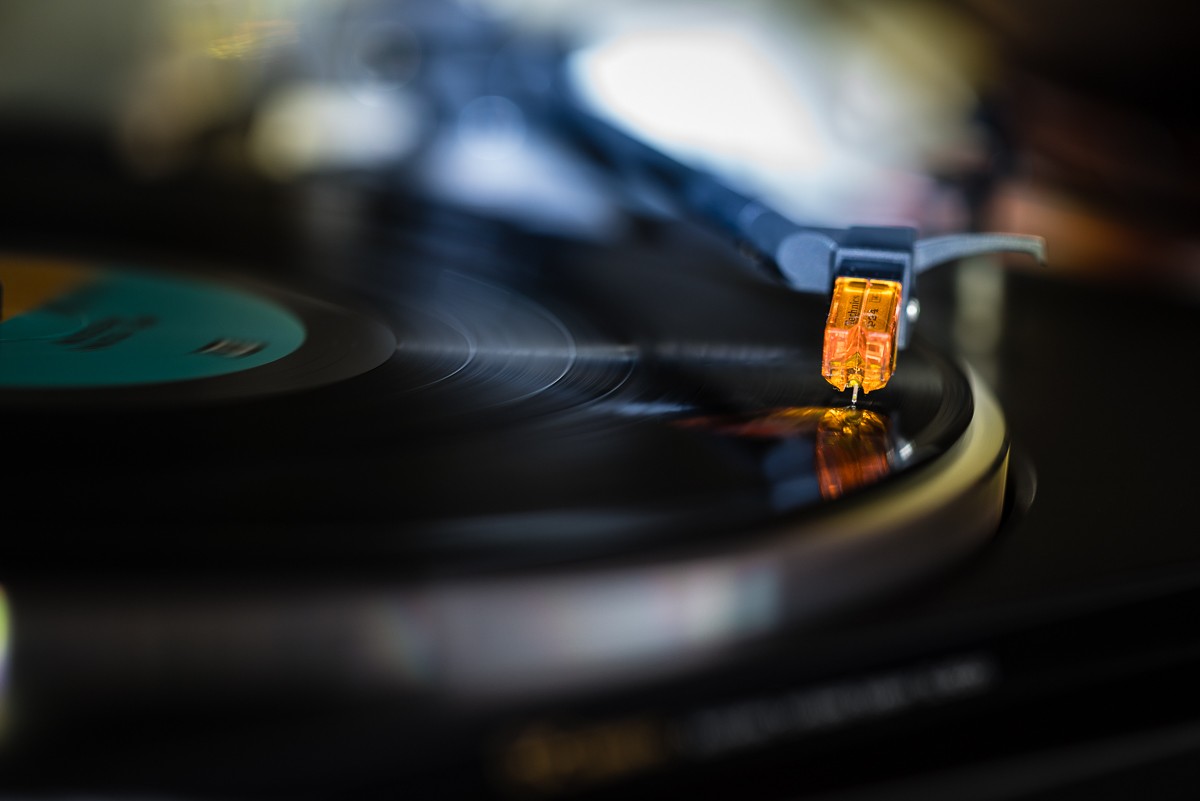
That is why the ritual matters, and why it is not just theater. A vinyl record demands a small sequence of physical acts: take the sleeve out, put the disc on the platter, lower the needle, flip the side halfway through. Each step is a decision to keep listening. A stream demands nothing, and that is the problem — it is too easy to skip every track after thirty seconds and end the evening having heard nothing.
The same impulse shows up in the hardware choices. Teachers who talk to young listeners say many are moving away from Bluetooth and back to wired earphones and small portable DACs — cheap, simple gear that sounds good and does not need an app. It is the same trade in miniature: fewer features, fewer distractions, more music. The simpler the chain, the longer I stay with an album.
The Record Shop: Discovery You Can’t Scroll
The third reason is the one streaming cannot copy: the shop itself. Walking into a record store and digging through a crate turns up music no algorithm ever showed you. A streaming feed shows you more of what you already like — which is another way of saying it shows you less of everything else. A crate has no idea what you like. It just has records, and the one with the strange cover art at the bottom of the bin might become a favorite.
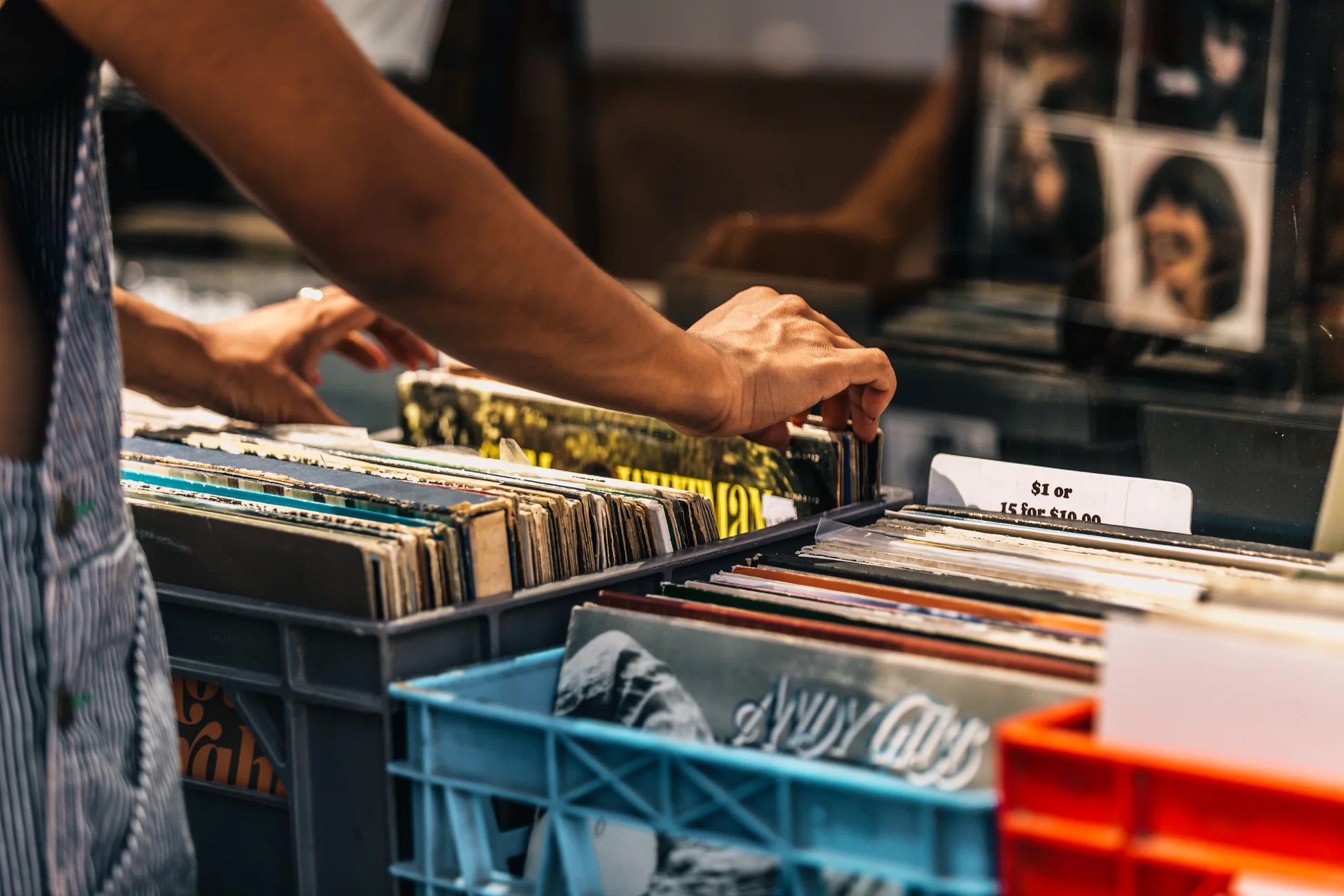
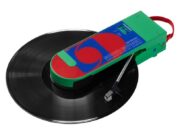
That kind of discovery is also cheap, which matters more than the trend pieces admit. Used CDs sell for a dollar or two, and thrift shops and eBay are full of players and receivers that cost less than a year of a streaming subscription. Cheap little cassette boomboxes, $40 in bright colors, are clearly aimed at teenagers. The entry ticket to physical media is not a $5,000 turntable. It is a dollar bin and a second-hand player — and for a young buyer, that low price is part of the appeal, not a compromise.
The Honest Caveats
None of this means every young person is buying vinyl. Most are not. Plenty of Gen Z listeners stream through a good system and never buy a disc, and they are not missing anything. The trend is a growing minority, not a generation-wide switch — remember that 12% figure. The skepticism in the thread was fair: it is nearly impossible to tell what is a real widespread trend and what is just a perceived trend built on a few TikToks and lazy reporting. The RIAA numbers are the answer for physical media as a whole; for the generational part, the evidence is thinner, and I am not going to pretend otherwise.
Nostalgia deserves a fair mention too. Retro is cool, and it always has been. Some of the buying is fashion, and fashion fades. But fashion alone does not produce a 58.6% jump in CD revenue. A trend built only on looks would not survive the second purchase.
Physical gear is not a new invention, and every generation has bought it. The difference is not the gear. It is the context — a generation that grew up renting everything, staring at screens, and being shown only what an algorithm thinks they want, finding that a disc, a needle, and a record shop solve three problems at once.
What It Means If You’re Starting Out
If the trend has you curious, start cheap and start with music you love. A used CD player and a handful of dollar-bin discs will tell you whether you like owning music before you spend real money. If vinyl is the draw, a basic turntable and a few second-hand records do the same job. Buy the album first and the hardware second — the record you cannot stop playing is worth more than the player it spins on.
Do not buy the expensive ritual before the habit. A $40 thrift-store setup slows you down and makes you listen exactly as well as a $4,000 one. Spend the money on records, not on the furniture around them. And if you already stream and you are happy, nothing here says you must stop. The question was never whether physical is better. It was why young buyers are choosing it — and the answer is that owning the music, escaping the screen, and digging through the shop are worth more than the convenience of the feed.
Verdict
So: why is Gen Z buying vinyl, CDs and physical audio gear? Because a disc is theirs in a way a subscription never is. Because a record player is one of the few devices in the house that does not show ads or notifications. Because a record shop finds music no algorithm ever shows them. And because the whole thing is cheap to start — a dollar bin, a thrift-store player, a shelf that grows one record at a time.
Nostalgia is the wrapping, not the reason. The numbers say the comeback is real: $731.5 million of physical media in six months, CDs up nearly 60%, vinyl growing for a tenth straight year. The exact share bought by twenty-somethings is something nobody has measured yet, and I will not invent it. But the direction is clear, and the reasons young buyers give are good ones. Most comebacks are marketing. This one has receipts — and a shelf full of records to show for it.
Disclosure: OHHIFI may earn affiliate commissions from product links. My verdicts are never influenced by such arrangements.