
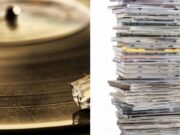
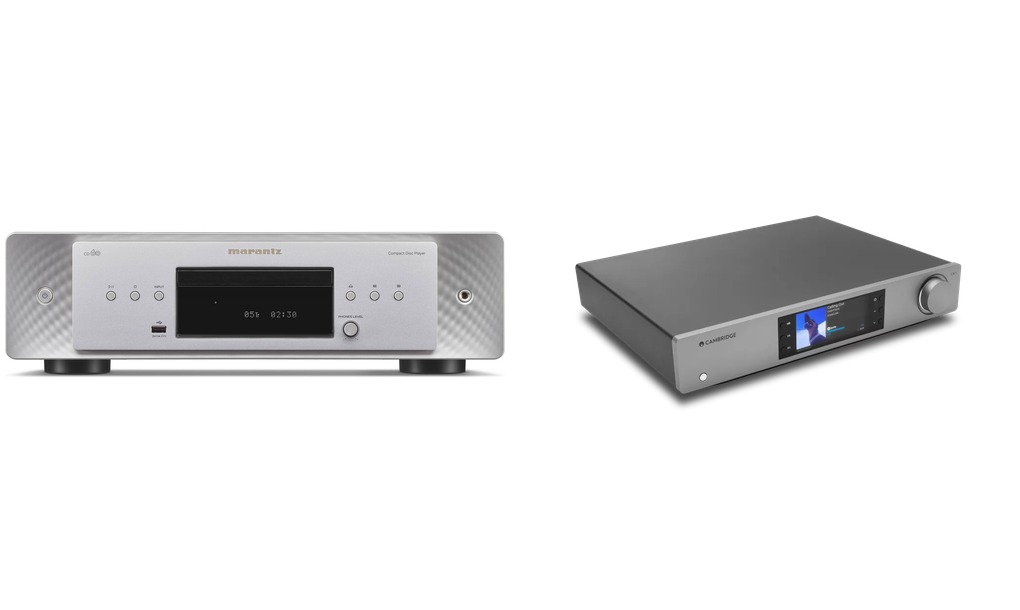
The CD vs streaming question comes up every week: does a CD actually sound better than streaming, or is the disc just nostalgia with a jewel case? I have heard both answers given with total confidence, usually by people comparing two things that were never the same — a loud CD master against a quiet stream, or a lossless file against a 320 kbps one, with the volume knob doing most of the talking.
Here is the short version. With a lossless streaming tier, the stream and the disc carry the same audio data. What you hear differently, when you genuinely do, comes from the master, the volume, and the hardware in between — not from the fact that one arrived on a silver disc and the other over Wi-Fi. The disc wins on ownership, streaming wins on everything else.
The Short Answer to CD vs Streaming
If you stream on a lossless tier and listen wired, a CD and a stream of the same master are the same sound. Buy the CD to own the music; buy the streamer for the catalog. Argue about the DAC and the mastering instead — that is where audible differences live.
What a CD Actually Is
A CD is the simplest digital format in the house. The Red Book standard, set by Sony and Philips when the format launched in 1982, stores music as 16-bit PCM at a 44.1 kHz sample rate — 1,411 kilobits per second, uncompressed, the same data every time you press play. No tier to select, no setting to forget, no network in the path. The disc is the file.
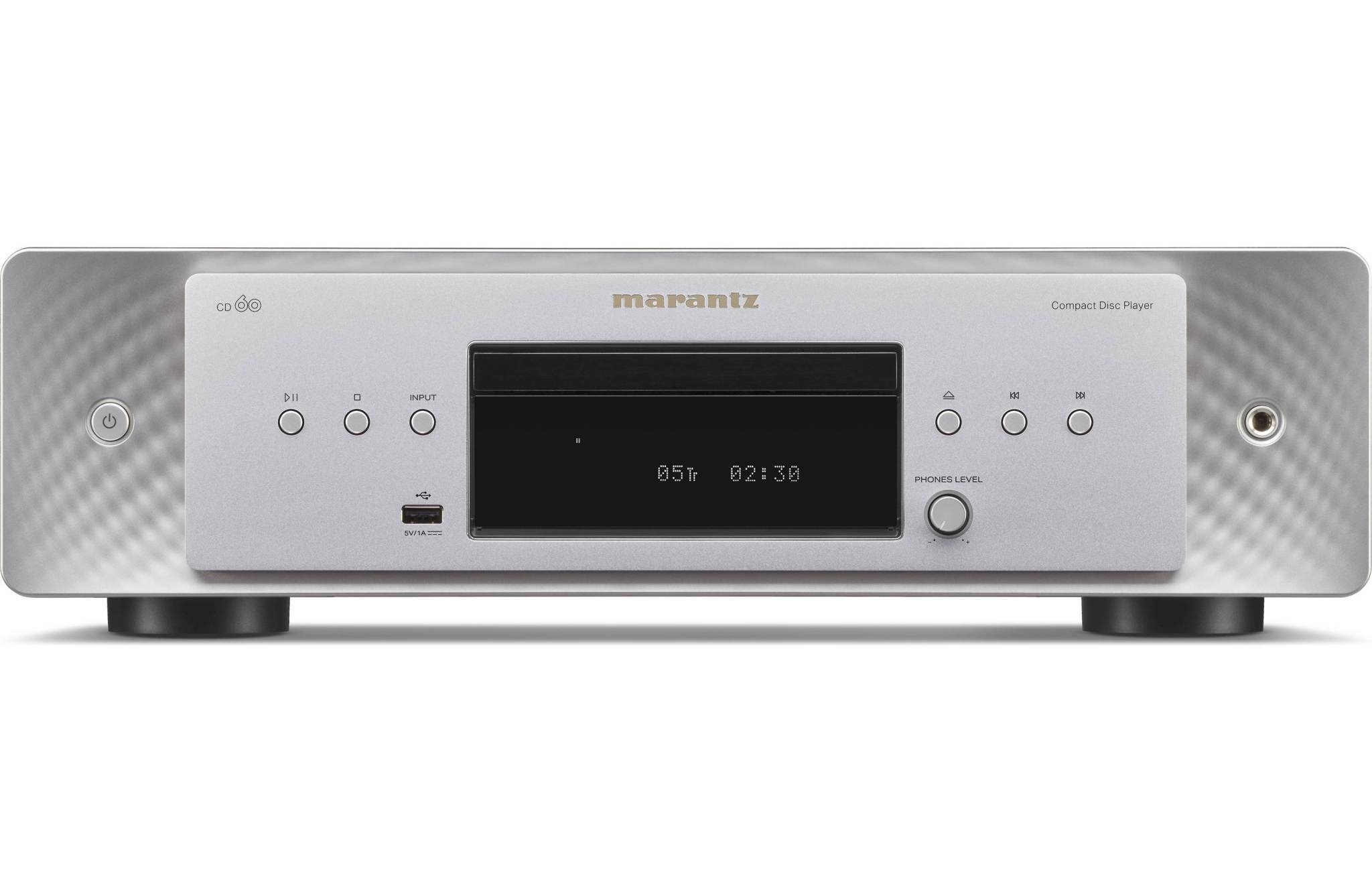
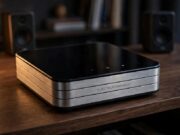
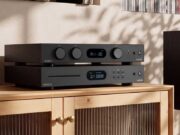
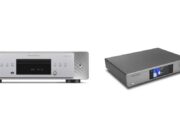
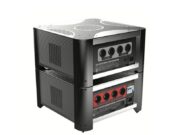
That fixed nature is the CD’s whole argument. A player reads the disc, corrects the errors, and hands the data to a DAC. The Marantz CD 60, about $1,100, is the current shape of that idea: a single-disc player with a proper analog stage and nothing else to configure. The format leaves nowhere for quality to leak out between the disc and the DAC.
The limit is the library. You own what is on the shelf and nothing else, and every new album is another disc to buy and store. For a listener with a wall of discs, that is a feature. For everyone else, it is why streaming took over.
What Streaming Actually Delivers in 2026
Streaming stopped being a compromise on paper some time ago — the catch is that the good quality is usually a setting, not the default. Every major service now sells a lossless tier, and the numbers are close enough that the spec sheet is no longer the argument.
Apple Music streams ALAC: Lossless to 24-bit/48 kHz, Hi-Res Lossless to 24-bit/192 kHz. Tidal Max streams HiRes FLAC to 24-bit/192 kHz — its old MQA format was replaced by FLAC in July 2024. Qobuz streams FLAC to 24-bit/192 kHz. Amazon Music Unlimited splits into HD at CD quality and Ultra HD to 24-bit/192 kHz. Spotify, the last holdout, switched on Lossless in September 2025: FLAC to 24-bit/44.1 kHz, included in Premium. All five cost roughly $11 to $13 a month.
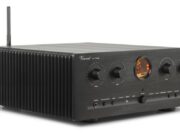
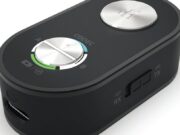
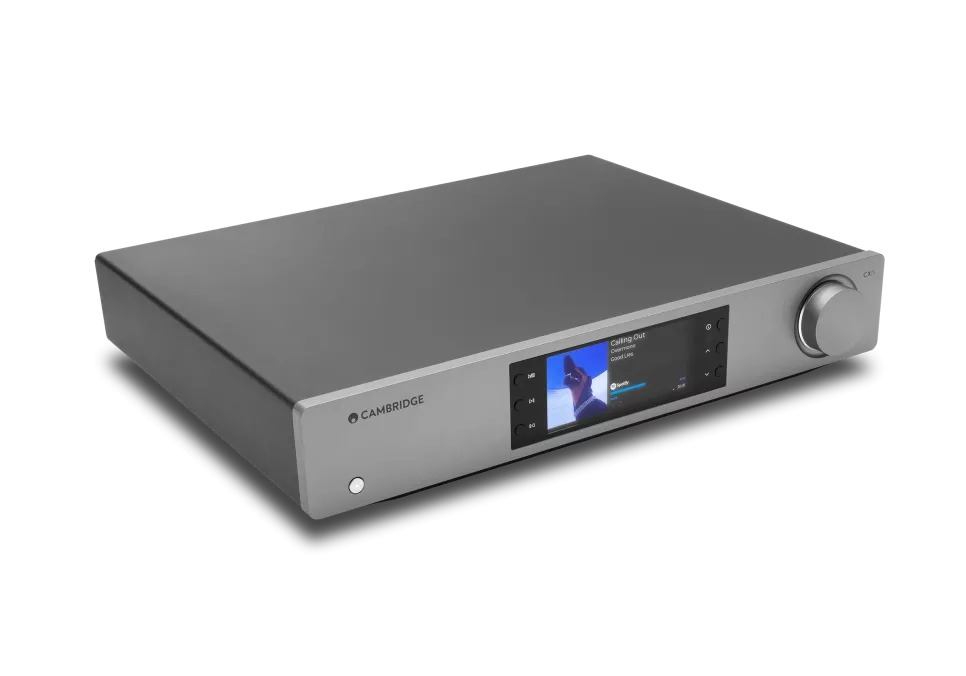
Three catches. First, Spotify’s Lossless is off by default and has to be switched on per device — a lot of Premium subscribers are still listening to 320 kbps and blaming the format. Second, the headline numbers are maximums, not guarantees: not every album exists in hi-res. Third, Bluetooth re-encodes everything, so a lossless stream over Bluetooth headphones is not lossless at the ear. Wired headphones, or a Wi-Fi streamer like the Cambridge CXN100 at $1,099, is how the lossless tier actually reaches your ears intact.
What the Blind Tests Actually Show
In 2007, two researchers published a study in the Journal of the Audio Engineering Society that still settles this argument. Meyer and Moran ran 554 double-blind trials comparing high-resolution playback against the same signal passed through a 16-bit/44.1 kHz loop — the CD standard, inserted as a bottleneck. Levels were matched to within 0.1 dB, and the listeners — recording engineers and trained audiophiles — heard the comparisons on four different high-end systems. At normal to loud levels, nobody could tell when the CD-quality loop was in the chain. The only audible difference showed up at very elevated levels, as noise.
Read that result carefully, because it cuts both ways. It says the CD format itself is transparent: 16-bit/44.1 kHz does not audibly degrade music. It does not say every CD sounds the same as every stream — the test held everything else equal: same master, same level, same chain. In real life, almost nothing is held equal, and that is where the differences you actually hear come from.
It also says something uncomfortable about hi-res. If a 16-bit/44.1 kHz loop is inaudible, the extra bits in a 24-bit/192 kHz stream are not buying audible sound quality — they are buying headroom for the engineers and a bigger number on the screen. The authors noted that hi-res recordings often do sound better, and put it down to better recording and mastering, not the format.
Mastering Is Where the Real Difference Lives
The same album can exist in several different masters, and the one on the CD is not always the one on the streaming service. A CD reissue can carry a flatter, more dynamic master than the version the service was given — or the reverse. When someone tells you the CD “sounds more open” than the stream, the master is the first suspect, not the format.
Volume is the second suspect, and the sneakier one. Streaming services normalize playback loudness: Spotify targets −14 LUFS, Apple Music’s Sound Check targets −16 LUFS. A CD has no normalization — it plays at whatever level the master was cut. Play a CD and a stream back to back without matching levels and the louder one will sound better. It always does. That is a volume difference, not a format difference — and it fools almost everyone the first time.
The fair comparison is simple to describe and annoying to set up: same master, same level, normalization off, same DAC. Do that and the CD and the lossless stream stop being distinguishable, because they are the same data. Skip any step and you are comparing masters or volumes, not formats.
The Chain Matters More Than the Format
Once the data is identical, the hardware decides what you hear. The DAC, the analog output stage, and the power supply shape the sound far more than whether the bits arrived on a disc or over Ethernet. A $1,100 CD player and a $1,099 streamer are the same money aimed at the same job — the difference is the analog stage and the interface, not the format.
This is why the format argument never dies. Someone compares a dedicated CD player against a phone plugged into the same amplifier, hears a real difference, and credits the disc. What they heard was a better DAC and a cleaner analog stage — the same improvement would have shown up playing a lossless stream through the same hardware. The disc was never the variable.
Ownership, Cost, and the Practical Side
Sound aside, the two formats are opposites in every practical way. A CD is yours: it plays without a subscription, without a network, and without asking a service whether the album is still licensed. A stream is rented — the catalog changes, albums disappear, and the day you cancel, the library goes with you. I have watched albums I liked vanish from a service overnight. The CD on the shelf never did that.
Cost cuts both ways. The services run about $11 to $13 a month, every month, forever. A shelf of discs costs money once and plays for decades, but it only holds what you bought — discovery is a trip to a shop, not a search box. Ripping bridges the two: copy a CD to FLAC and you own the same data the disc holds, playable through the same streamer as the subscription catalog. That is the setup for people who want both.
If you find yourself skipping every track after thirty seconds, the format is not the problem — the habit is.
Verdict
So: does a CD sound better than streaming? No — not as a format. A lossless stream of the same master, at the same level, through the same DAC, is the same sound, and the blind tests say so. The CD’s real advantages are ownership and a fixed, honest signal path. Streaming’s are the catalog, discovery, and hi-res tiers that go beyond the disc.
Buy the CD player if you own discs and want to keep owning music — the Marantz CD 60 at about $1,100 is the sensible shape of that choice. Buy the streamer if you live in the catalog — the CXN100 at $1,099 (or the SE version, same price, with HDMI eARC added), with a lossless tier switched on and a wired connection. And if you already own the discs, rip them to FLAC and let the streamer play your own library: the same bits as the disc, with the whole catalog beside them. That ends the CD vs streaming argument, because it stops being about formats and starts being about how you want to listen.
Disclosure: OHHIFI may earn affiliate commissions from product links. My verdicts are never influenced by such arrangements.