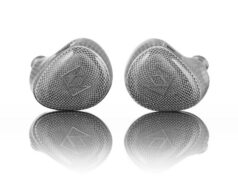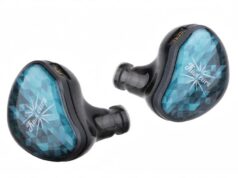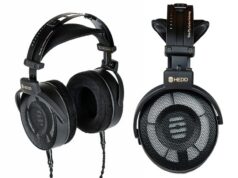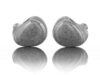

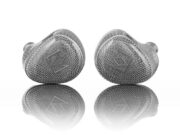
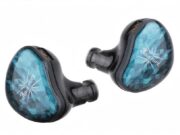
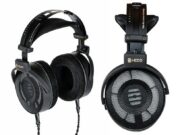
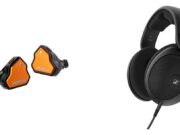


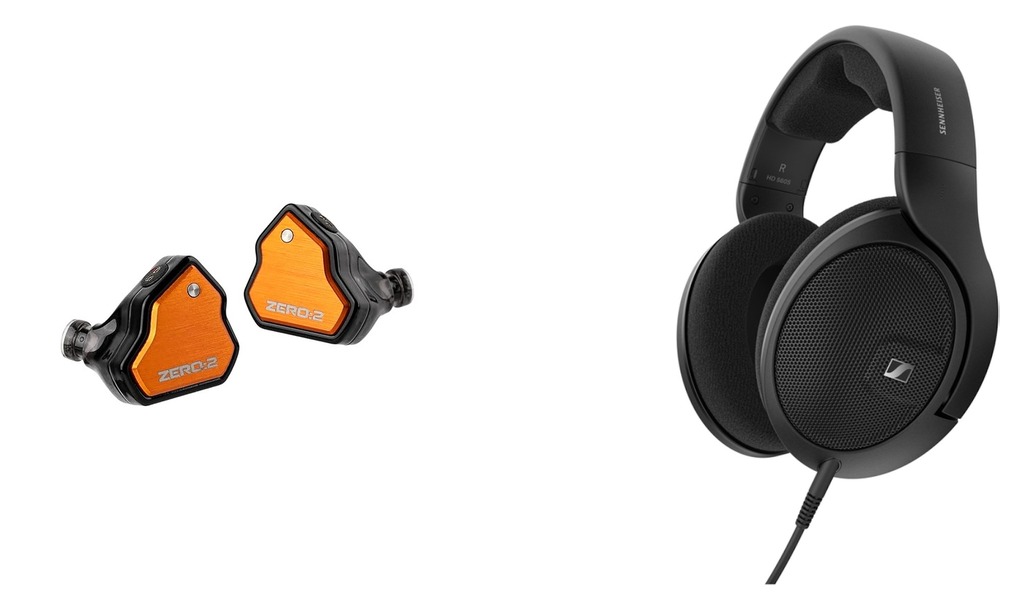
“Why IEMs over headphones?” It is the question that comes up when someone new walks into this hobby and looks at the two shapes on the table — a pair of earphones the size of thumbnails, and a pair of headphones the size of grapefruits — and wonders how the small ones could be the serious choice. The short version is that they are not the serious choice for everyone. They are the serious choice for a specific set of problems, and those problems happen to be the ones most people actually have.
Five years ago a $20 earphone was a compromise you tolerated. Today the tuning that used to cost ten times as much sits in a $21 shell, and that changed the argument completely. This is not about which format is better in some absolute sense. It is about which one fits your ears, your commute, and your budget — and where each one quietly loses.
The Short Answer
If you listen mostly out of the house — on a train, in an office, at the gym — buy IEMs. A sealed earphone blocks the world in a way no open headphone can, it fits in a pocket, and it costs a fraction of an equivalent headphone. If you listen mostly at a desk in a quiet room, and you care about soundstage and long-session comfort more than isolation, buy headphones. Everything below is the reasoning behind that split.
Isolation: The Argument That Ends Most Debates
Isolation is the single biggest practical difference between the two formats, and it is not close. An in-ear monitor seals the ear canal: with a proper seal, the outside world drops away — traffic, office chatter, the train — and the music does not have to fight for your attention. An open-back headphone, by design, blocks almost nothing. It lets the room in and lets your music out, which is fine in a quiet room and useless on a bus.
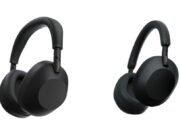
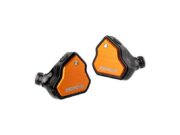
Closed-back headphones sit in the middle, and noise-canceling headphones go further — a Sony WH-1000XM5 at $169.99 in the Black Friday sale is the obvious example — but neither matches a sealed IEM for blocking per dollar. The cheapest proper IEM I recommend, the 7Hz Zero:2 at about $21, isolates better than most headphones at five times the price. That is not a tuning claim. It is physics: a seal in the canal beats a pad on the ear.
Isolation cuts both ways, and I will come back to that. But if your listening happens anywhere noisier than your living room, it is why IEMs win before the first note plays.
Fit and Seal: Where the Bass Lives or Dies
Everything about an IEM depends on the seal, and this is the part first-time buyers get wrong. A loose seal drains the bass out of any set — the low end leaks away before it reaches your eardrum — and no amount of money fixes a shell that does not sit right. I have seen good sets returned as “thin and disappointing” when the fix was a different tip, not a different earphone.
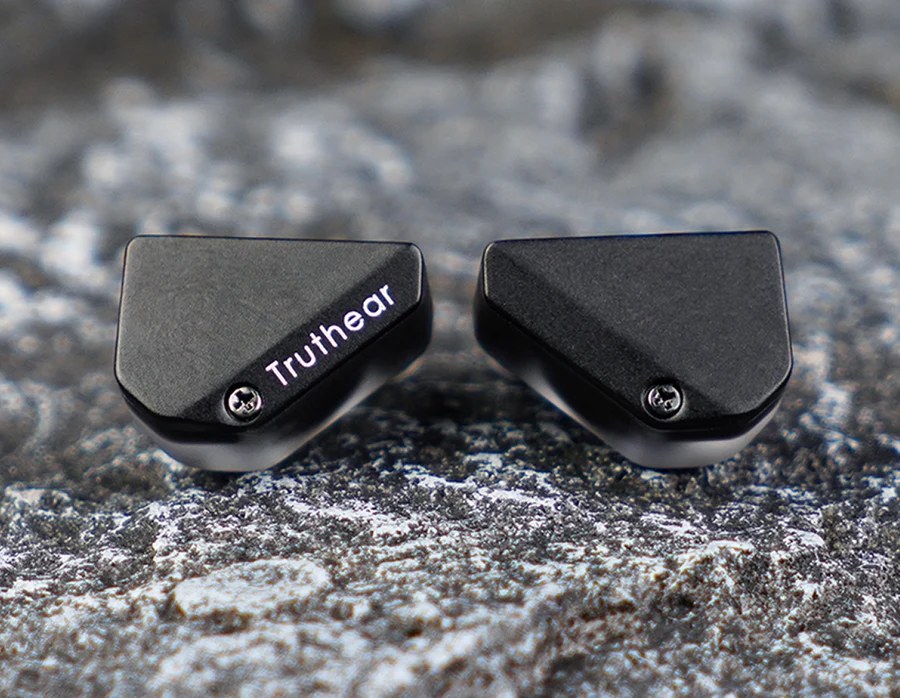
Try every tip in the box before you judge a set: silicone, foam, small, large. Foam seals more reliably for most ears; silicone lasts longer and is easier to clean. The right tip is often the difference between “thin” and “oh, there it is.” If the shell itself hurts after half an hour, the set is the wrong shape for your ear, and no tip will save it.
Headphones dodge this whole problem. A headphone either sits on your head or it does not, and the fit question is mostly about clamp force and pad depth. That simplicity is a genuine advantage — and the first thing IEMs ask you to give up.
Portability: The Pocket Test
An IEM weighs a few grams and fits in a jeans pocket with its cable coiled. A headphone needs a bag, and an open-back needs a bag and a quiet room at the other end. For anyone who listens on the move, that is the whole argument.
There is a second, quieter advantage: consistency. A headphone’s sound shifts with placement — move it a centimeter and the treble changes. An IEM either seals or it does not, and once it seals, the sound is the same every time. Insertion depth nudges the treble, but it is a much smaller variable than headphone placement. And the source question barely exists: a 32-ohm Zero:2 or a 20.5-ohm Hexa runs loud from a phone or a $9 dongle, where a demanding headphone starts a conversation about amplifiers.
What $20, $50 and $90 Actually Buy
This is where the IEM argument turns from practical to financial. I compared the budget picks in detail in my guide to the best IEM under $100: at $20, the 7Hz Zero:2 gives you a proper earphone for the price of a takeaway dinner. At $50, you get a choice — bass and a mic cable, or detail and tuning switches. At $90, the TRUTHEAR Hexa and Pure, the Moondrop Aria 2 and the Simgot EW300 buy refinement — better shells, better cables, more careful tuning — but not a different league of sound.
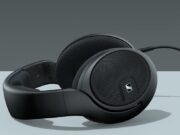
Now put a headphone next to those numbers. The Sennheiser HD 560S, the open-back I recommend most often at this end of the market, costs $179.95 — and it is one of the cheaper serious headphones. The IEM at $21 does not sound identical to the headphone at $180. But the gap between them is far smaller than the price gap suggests, and for a first purchase that is the number that matters. Prices move monthly, so treat these as late-November 2026 figures and check before you buy.
Where You Actually Use Them
Commute: IEMs, without a serious rival. They block the train, they do not leak sound onto the passenger next to you, and they survive a coat pocket. Office: IEMs again, for the same reasons — your colleagues hear nothing, and you hear none of them. Gym: IEMs stay put while you move; a headphone slips the moment you sweat.
Stage: this is where IEMs started. Live musicians switched to in-ear monitors decades ago because a wedge monitor cannot compete with a sealed feed in a loud room. Sleeping: some listeners fall asleep in IEMs; almost nobody falls asleep comfortably in headphones, and side sleepers can forget it entirely.
The further you get from a quiet room and a chair, the stronger the IEM case becomes.
When Headphones Still Win
None of the above makes headphones obsolete. At home they win on three things IEMs cannot match.
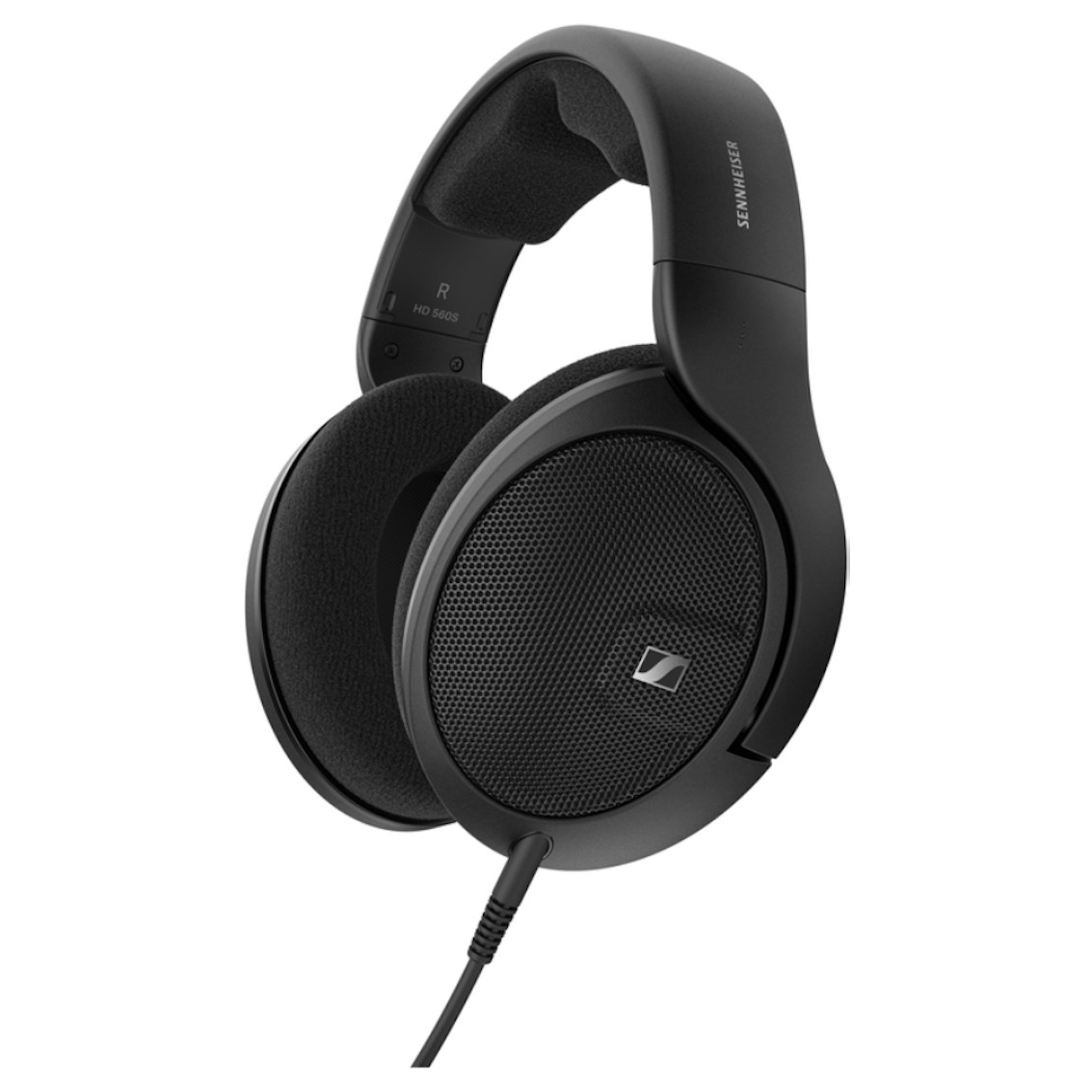
First, soundstage. An open-back headphone puts the music in front of you, outside your head, with a sense of space and air that an IEM — which fires sound straight down a sealed canal — rarely matches. If you listen to live recordings or orchestral music, that difference is real and it is the first thing you notice.
Second, comfort over long sessions. Nothing sits in your ear canal, so there is no pressure building up over two hours, no tip to adjust, no fatigue from a seal. A light open-back disappears on your head in a way no IEM does.
Third, simplicity. No tip-rolling, no seal to chase, no wondering whether the bass is thin because of the fit or the tuning. You put them on and they sound the same as yesterday. And on power: a 120-ohm HD 560S needs just 1 volt for 110 dB peaks, so even the headphone side runs fine from a cheap dongle — the amplifier question is smaller than the forums make it sound, and I covered the numbers in my guide to whether the HD 560S needs an amp.
How to Decide
Ask where you listen, not what you listen to. If the answer is “everywhere” — train, office, gym, bed — buy IEMs first and spend $21 finding out whether the format fits your ears. If the answer is “at my desk, in a quiet room” — buy headphones, and spend the money on the soundstage.
One practical note: budget for tips. A $5 set of foam tips can rescue an IEM you were about to return, and it is the cheapest upgrade in this hobby. For headphones, budget for nothing — but accept that the headphone you buy for the desk will not follow you out of the house.
Verdict
IEMs win for most people, most of the time, because most listening happens outside a quiet room — and because $21 now buys a properly tuned earphone that isolates, pockets, and runs off a phone. Headphones win at home, where space, air and long-session comfort matter more than isolation. Buy the format that matches where you listen. If you do both, buy the IEM first — it is the cheaper experiment, and the one you will reach for more often than you expect.