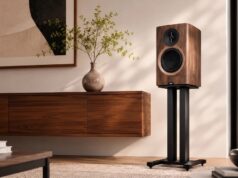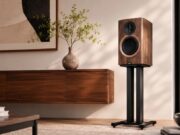
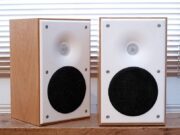
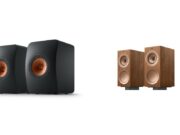


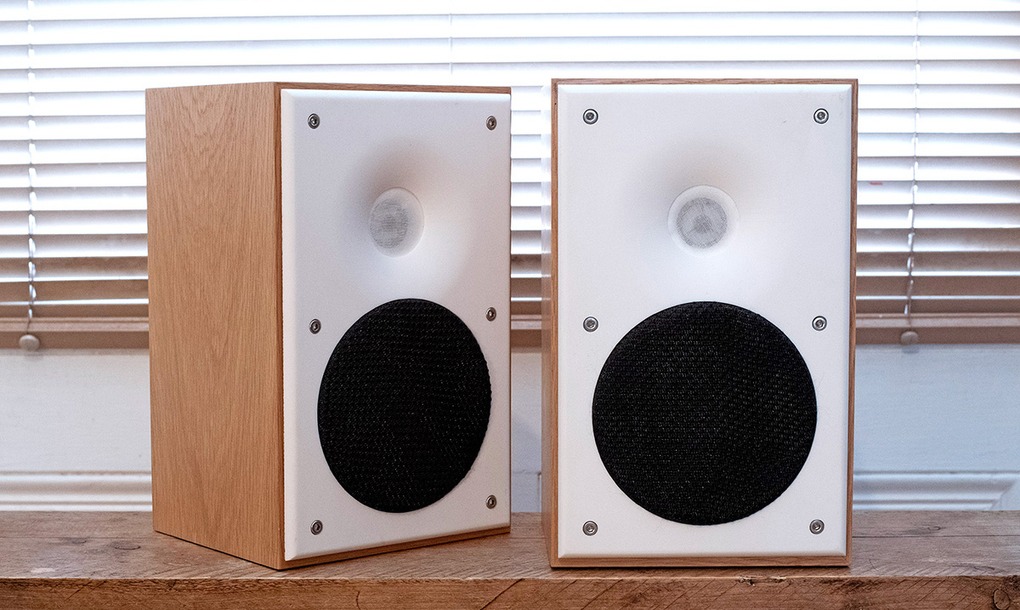
Phil Ward has opened orders for the LS3/5X, a compact two-way loudspeaker that asks what the BBC’s LS3/5A would look like if it were designed today, with 2026 drivers instead of 1970s ones. It costs £4,999 a pair, it is hand-built to order, and it is sold direct — no dealers, no auditions, a £1,500 deposit up front and at least three months before your pair exists. That alone tells you this is not a mass-market product. It is one designer’s answer to a question years in the making.
What’s New
The LS3/5X keeps the original monitor’s footprint — a sealed 310 × 194 × 174 mm cabinet, barely taller than the 31 cm of the 1974 original — and changes almost everything inside it. The bass/midrange is a 130 mm Purifi Ushindi driver with an aluminum cone and a specified ±9.8 mm of linear travel, its motor designed to hold force factor steady, with Purifi’s Neutral Surround steadying the radiating area. It shares only a diameter with the original’s KEF B110.
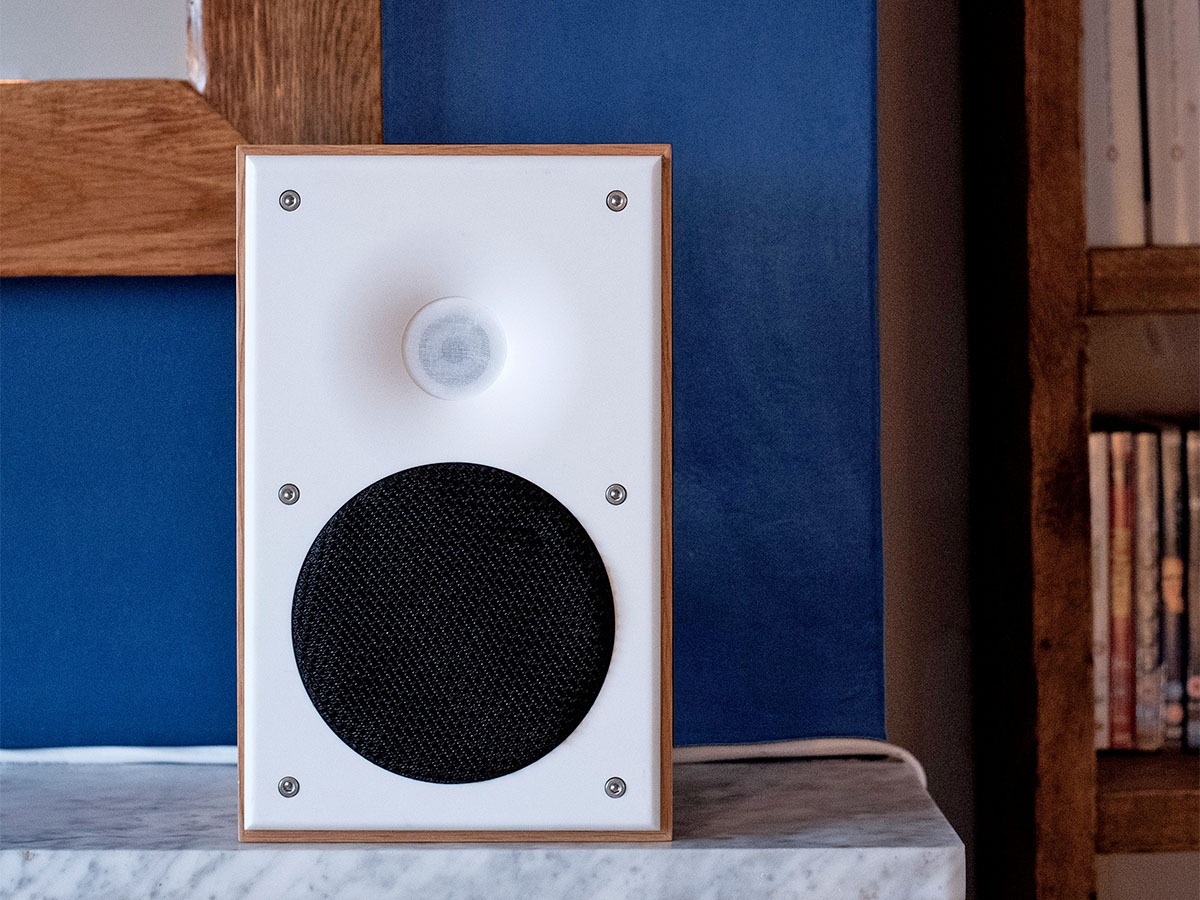
Above it sits a 25 mm SB Acoustics aluminum-ceramic dome tweeter with an underhung motor and a resonance below 700 Hz, set into a waveguide that adds roughly 6 dB of gain from about 7 kHz down. That waveguide is what makes the 1.4 kHz crossover possible — a symmetrical third-order network and a strikingly low handover that keeps vertical lobing in check. With the waveguide roughly the bass driver’s diameter, the two hold roughly the same directivity through the handover.
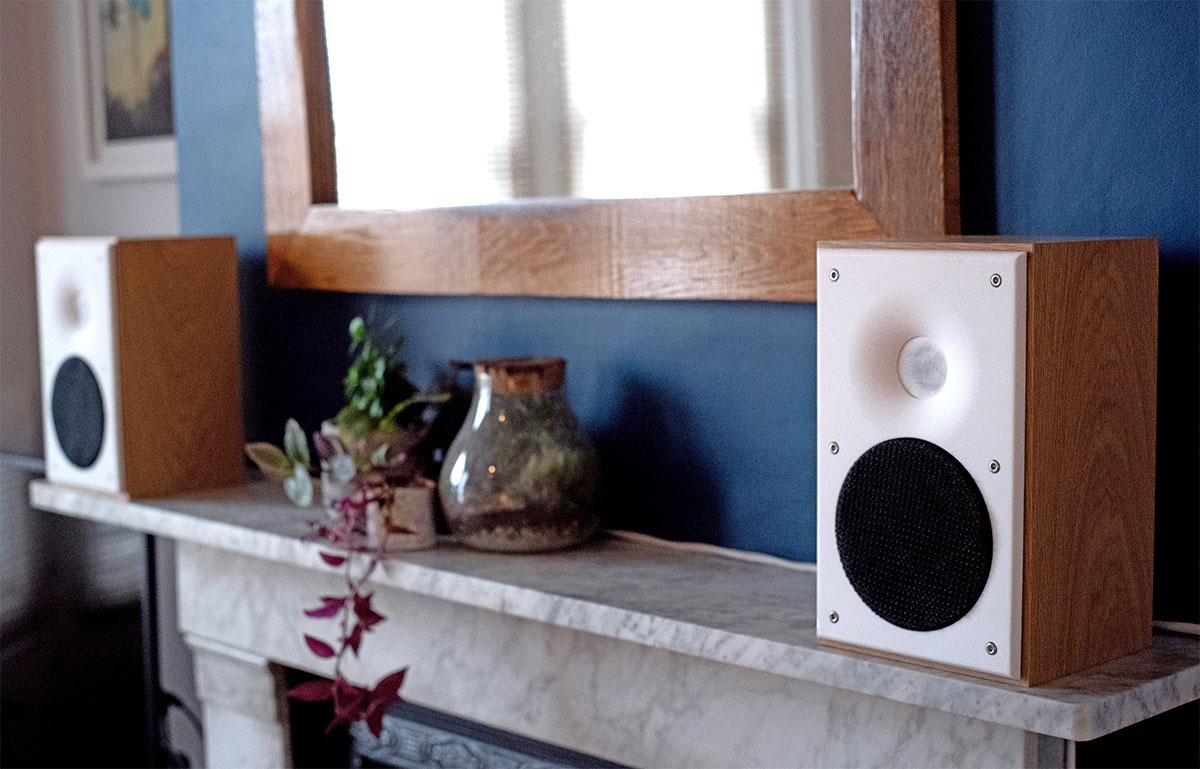
The cabinet follows the BBC thin-wall playbook — birch plywood, hardwood corner fillets, bitumen damping — but the front is new: the drivers mount to a 15 mm resin-impregnated Permali panel, with a second 15 mm composite forming the waveguide and stiffening the front. Finishes: oak, rosewood, walnut, olive, white HiMACS baffle. Ward’s published figures: 80 Hz to 20 kHz within ±1.5 dB on axis, 46 Hz at −6 dB, distortion below 0.3% above 150 Hz and below 0.1% above 1 kHz at 85 dB SPL at one meter — against 81 dB sensitivity, 8 Ω nominal staying above 6.5 Ω, with 25 watts and above specified as suitable.
| Specification | LS3/5X |
|---|---|
| Type | Compact passive two-way, sealed |
| Bass/midrange | 130 mm Purifi Ushindi, aluminum cone, ±9.8 mm linear travel |
| Tweeter | 25 mm SB Acoustics aluminum-ceramic dome, waveguide-loaded |
| Crossover | 1.4 kHz, symmetrical third-order |
| Frequency response | 80 Hz–20 kHz ±1.5 dB (on axis); 46 Hz at −6 dB |
| Sensitivity | 81 dB (2.83 V @ 1 m, half-space) |
| Cabinet | Sealed damped birch plywood, 310 × 194 × 174 mm, 7.1 kg |
Context
Phil Ward is better known as a writer than a manufacturer, with four decades in loudspeaker design — Mordaunt-Short from 1982, Canon Audio, Naim Audio, plus consultancy work including the Stratton Acoustics Elypsis 1512. The LS3/5X is, in his own words, not his first design rodeo — just the first one with his name on it. It began over a conversation with Andy Whittle of Rogers Hi-Fi; the first production pair came by June 2026.
The original LS3/5A was a 1974 BBC design for outside-broadcast vans, using KEF’s B110 and T27. Half a century later it remains one of the most copied speakers ever made. Ward is not building another copy — he asked what the format could do with drivers an order of magnitude cleaner than the best of the 1970s.
Compared to Predecessors / Current Rivals
Against the original LS3/5A, the LS3/5X trades period-correct parts for engineering the BBC never had access to: a long-excursion Purifi driver, a waveguide-loaded tweeter crossing at 1.4 kHz instead of the original’s 3 kHz, and a far more rigid front baffle. The footprint and thin-wall philosophy survive; nothing else resembles 1974.
Against today’s LS3/5A reproductions, the difference is intent. A licensed LS3/5A is faithful to the original by definition — same drivers, same voicing, same midband emphasis. The LS3/5X keeps the size and the sealed box and throws the rest open: flatter response, lower distortion, higher clean output. It also costs substantially more, with none of the dealer support those products have — you pay more, you wait longer, and you get a speaker nobody else builds.
My Take
On paper, this looks promising — the two hardest decisions are both right. A 1.4 kHz crossover in a two-way is genuinely unusual, and it only works if the tweeter can take it — the SB Acoustics dome’s sub-700 Hz resonance and the waveguide’s gain make it credible rather than reckless. The Purifi Ushindi in a small sealed cabinet is the correct use of that driver: long excursion exists so a compact sealed box can still move enough air.
What concerns me is everything around the speaker, not inside it. At 81 dB in a sealed box, your amplifier matters more than with an 87 dB ported standmount. Direct-only sales mean you cannot hear them before committing £1,500, and with no US pricing yet this is a UK proposition in practice, shipping and import duties on top for everyone else.
Until independent measurements emerge, this is theoretical — but unusually coherent. Ward has published real numbers, including distortion figures at a stated level — more than most small makers offer at launch. If those numbers hold up, the LS3/5X is a serious speaker — but I would not put a deposit down unheard.
Who Should Watch This
LS3/5A owners who have wondered what the format could do with modern drivers: this is your speaker. If you listen nearfield or in a small room, run a clean 25-watt-plus amplifier, and value transparency over warmth, the LS3/5X deserves a place on your shortlist — once the first independent measurements are in.
Look elsewhere if you need deep bass without a subwoofer, high levels in a large room, or an audition first. A small sealed box will never move as much air as a larger ported design, and £4,999 plus a three-month wait is a lot for a speaker you have never heard.