






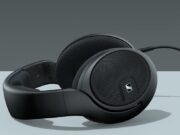

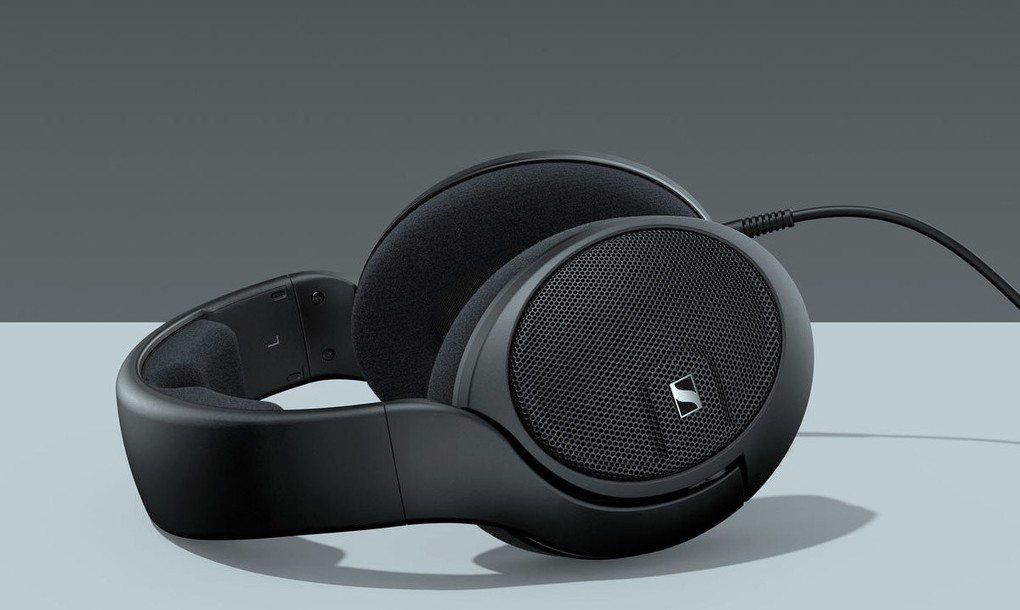
Short answer: probably not. The Sennheiser HD 560S is one of the easiest serious headphones to drive that I have come across. It needs exactly 1 volt to hit 110 dB peaks, and the cheapest dongle on the market delivers exactly that. If you already own a decent dongle or a recent laptop, an amp will not make it louder in any way that matters, or sound better either.
The same math that clears the HD 560S condemns a few of its stablemates, and there are situations where an amp earns its place. I ran the numbers instead of going by feel, because this question has a right answer, and it is arithmetic.
The Math
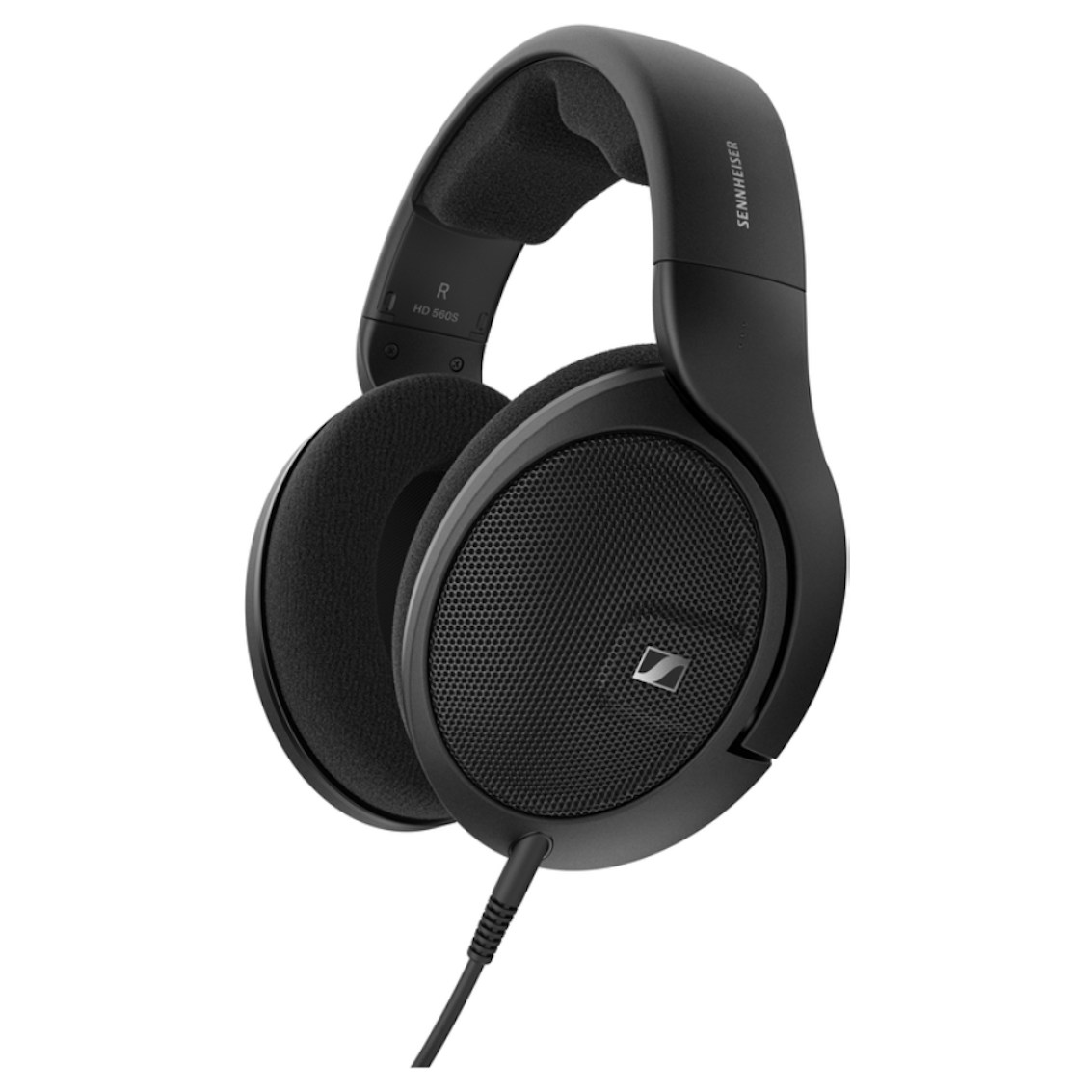
Whether a headphone needs an amp comes down to two numbers: sensitivity and impedance. Sennheiser lists the HD 560S at 120 ohms with a sensitivity of 110 dB at 1 volt, and that single line settles most of the argument. Feed it 1 volt and it plays at 110 dB; double the voltage and it plays 6 dB louder; halve it and it plays 6 dB quieter. Power follows: 1 volt into 120 ohms is 8.3 milliwatts.
My target is 110 dB peaks. Most people listen at 75 to 85 dB on average, and dynamic music swings 20 to 25 dB above that, so 110 dB of peak headroom covers loud listening with room to spare. A source that reaches it has done its job; anything beyond that is headroom you will never use.
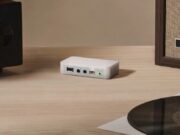
Here is what the common sources actually deliver, worked out from the manufacturers’ own figures and published bench measurements. The Apple USB-C dongle sold in the US puts out about 1.0 volt; the European version is capped at about 0.5 volts. The headphone jack on a MacBook Pro from 2021 onward, and on recent MacBook Air and iMac models, delivers up to 1.25 volts under 150 ohms and 3 volts from 150 to 1,000 ohms, according to Apple’s own support pages. The FiiO K11, the desktop DAC and amp I use as the reference point here, publishes 520 milliwatts into 32 ohms from its single-ended output, which works out to about 4.1 volts.
| Headphone | Impedance | Sensitivity | US dongle (1 V) | MacBook jack | FiiO K11 single-ended (4.1 V) |
|---|---|---|---|---|---|
| HD 560S | 120 ohms | 110 dB/V | 110 dB | 112 dB | 122 dB |
| HD 600 | 300 ohms | 97 dB/V | 97 dB | 107 dB | 109 dB |
| HD 650 / HD 6XX | 300 ohms | 103 dB/V | 103 dB | 112 dB | 115 dB |
| DT 990 Pro 250 ohm | 250 ohms | 102 dB/V | 102 dB | 112 dB | 114 dB |
Two things in that table deserve a closer look. First, the MacBook jack gives the 300-ohm HD 600 more voltage than the 120-ohm HD 560S, because it switches to a higher output above 150 ohms — and the HD 560S still ends up louder, because its sensitivity advantage is worth more than the voltage difference. Second, the DT 990 Pro figure needs a note: beyerdynamic lists 96 dB without stating the reference, but the same 96 dB is quoted for both the 80-ohm and 250-ohm versions of the same driver, which only makes sense as dB per milliwatt — about 102 dB per volt at 250 ohms.
One more number matters: output impedance. A source should sit below about one eighth of the headphone’s impedance, or the frequency response starts to shift. For the HD 560S that means anything under 15 ohms is fine, and the Apple dongle at around 0.9 ohms and the K11 under 1.2 ohms both pass with room to spare.
When You Don’t Need One
A US Apple dongle gives the HD 560S 110 dB peaks — the whole requirement met by a $9 adapter. The European dongle lands at about 104 dB, still enough for most listening, though with less headroom for quiet classical recordings. A recent MacBook gives you 112 dB. A desktop amp gives you 122 dB, which looks impressive on paper and means nothing in practice, because you will never listen at 122 dB.
The honest test costs nothing: plug the HD 560S into the source you already own, play something dynamic, and turn the volume to the level you actually listen at. If you are below 80 percent on the volume slider with clean sound, you have headroom and an amp buys you nothing audible. If you hear hiss with no music playing, that is your source’s noise floor, not a lack of power — a cleaner DAC would fix it, but that is a noise problem, not an amplifier problem.
An amp also has a limit. If you do not like the sound of the HD 560S, an amp will not change its tuning — it will make the same sound louder. The fixes for tuning are EQ and different headphones.
When You Do Need One
The HD 560S is the exception in its own family, not the rule. The HD 600 needs 4.5 volts for 110 dB peaks, and a 1-volt dongle tops out at 97 dB with it. That is not headroom; that is a ceiling, and loud passages will clip. The HD 650 and its Drop twin, the HD 6XX, share the same 300-ohm platform at 103 dB per volt and need 2.2 volts — a dongle manages 103 dB, workable but tight, and a MacBook jack at 3 volts covers them properly. The DT 990 Pro at 250 ohms needs 2.5 volts for 110 dB peaks and gets about 102 dB from a dongle.
Then there is the case the impedance number hides. The HIFIMAN HE400SE is only 25 ohms, which looks easy on paper, but its sensitivity is 91 dB, and HIFIMAN does not state whether that is per milliwatt or per volt, so no precise number for it here. Low impedance does not mean easy to drive: sensitivity decides how much power a headphone wants, and the HE400SE wants far more than its impedance suggests.
So the rule is simple: if your headphone needs more than about 2 volts for 110 dB peaks and your source delivers 1 volt, you need an amp. If your headphone is the HD 560S, you almost certainly do not.
Try EQ First
Before spending anything on amplification, I would spend an evening on EQ. It is free, and with the HD 560S it changes the sound far more than any amp will. Equalizer APO with the Peace interface is free on Windows, and the AutoEq project publishes ready-made presets for the HD 560S built on oratory1990’s measurements. One caution: Sennheiser has revised the HD 560S since launch, so presets differ slightly by revision — treat any preset as a starting point.
Most people land on a gentle shelf in the low end and a small cut in the 4 to 7 kHz presence region — two adjustments for the two things people usually want to change about this headphone. If that still does not get you where you want to be, the headphone is not for you, and no amp will fix it.
What to Buy If You Do Need One
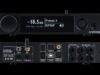
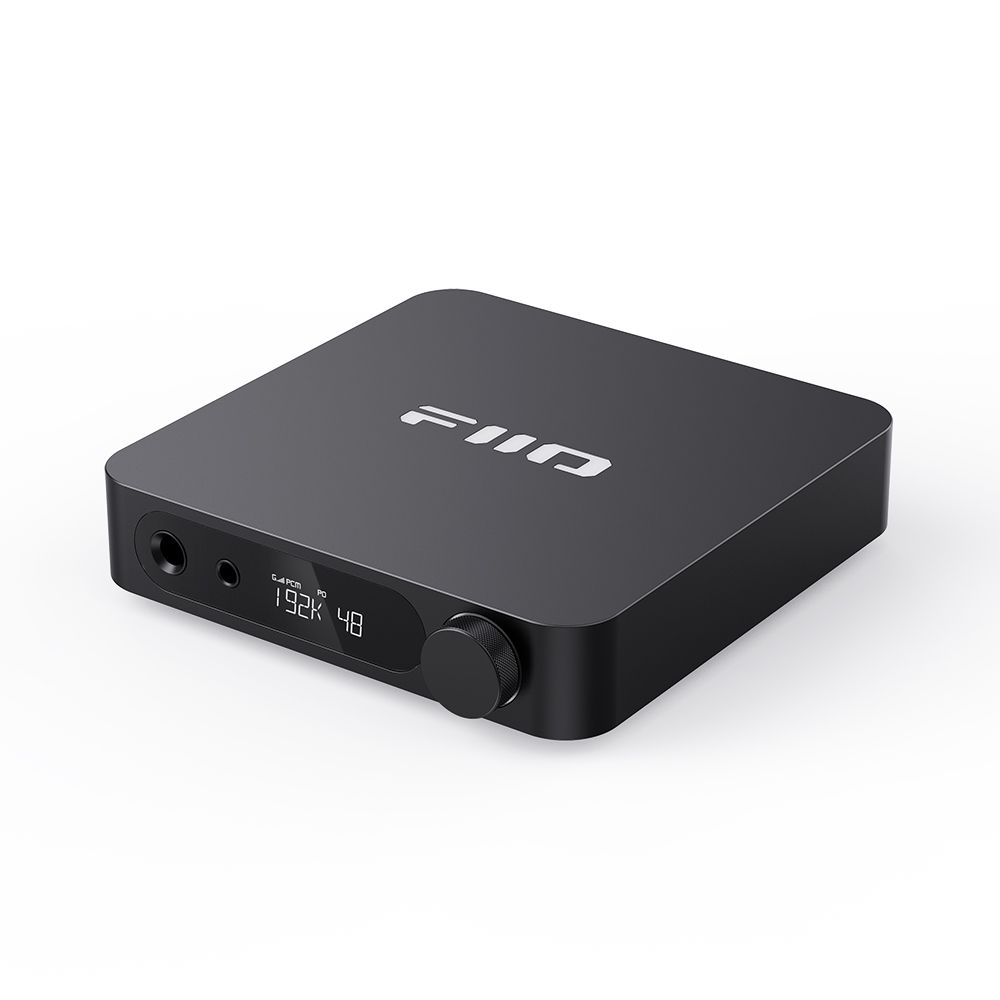
If the math says you need an amp, or you simply want a proper desktop setup, my default pick is the FiiO K11 at $129.99. It is a DAC and amp in one box, publishing 520 milliwatts into 32 ohms single-ended and 1,400 milliwatts balanced — about 122 dB with the HD 560S and 109 dB with the HD 600 from the standard jack — and it replaces a noisy laptop jack with its own clean DAC.
The K11’s 4.4 mm balanced output roughly doubles the voltage swing, which finally gives the HD 600 real headroom — about 116 dB by my calculation. But it needs a balanced cable, and Sennheiser’s own 4.4 mm cable costs $99.95, most of the price of the amp itself. For the HD 560S that makes no sense at all; for a 300-ohm headphone it is the cheapest way to get the extra voltage.
Start with the $9 dongle. It is the cheapest test in audio: if it drives your headphones loud enough, you are done. If it does not, the K11 is where I would spend the money.
Verdict
Do you need an amp for the Sennheiser HD 560S? For most people, no. A 1-volt dongle already gives it 110 dB peaks, a recent MacBook gives it 112 dB, and anything beyond that is headroom you will never use. Buy the $9 dongle, try EQ, and spend the money you saved on music. If you own a 300-ohm Sennheiser instead, or the DT 990 Pro, the answer flips: a dongle leaves you short, and a desktop amp like the K11 is the fix. The question is never really about the amp. It is about the headphone, and the HD 560S is one of the few that does not need one. I covered the general question of whether a dedicated headphone amp is worth it separately.