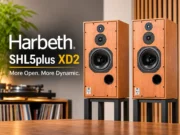











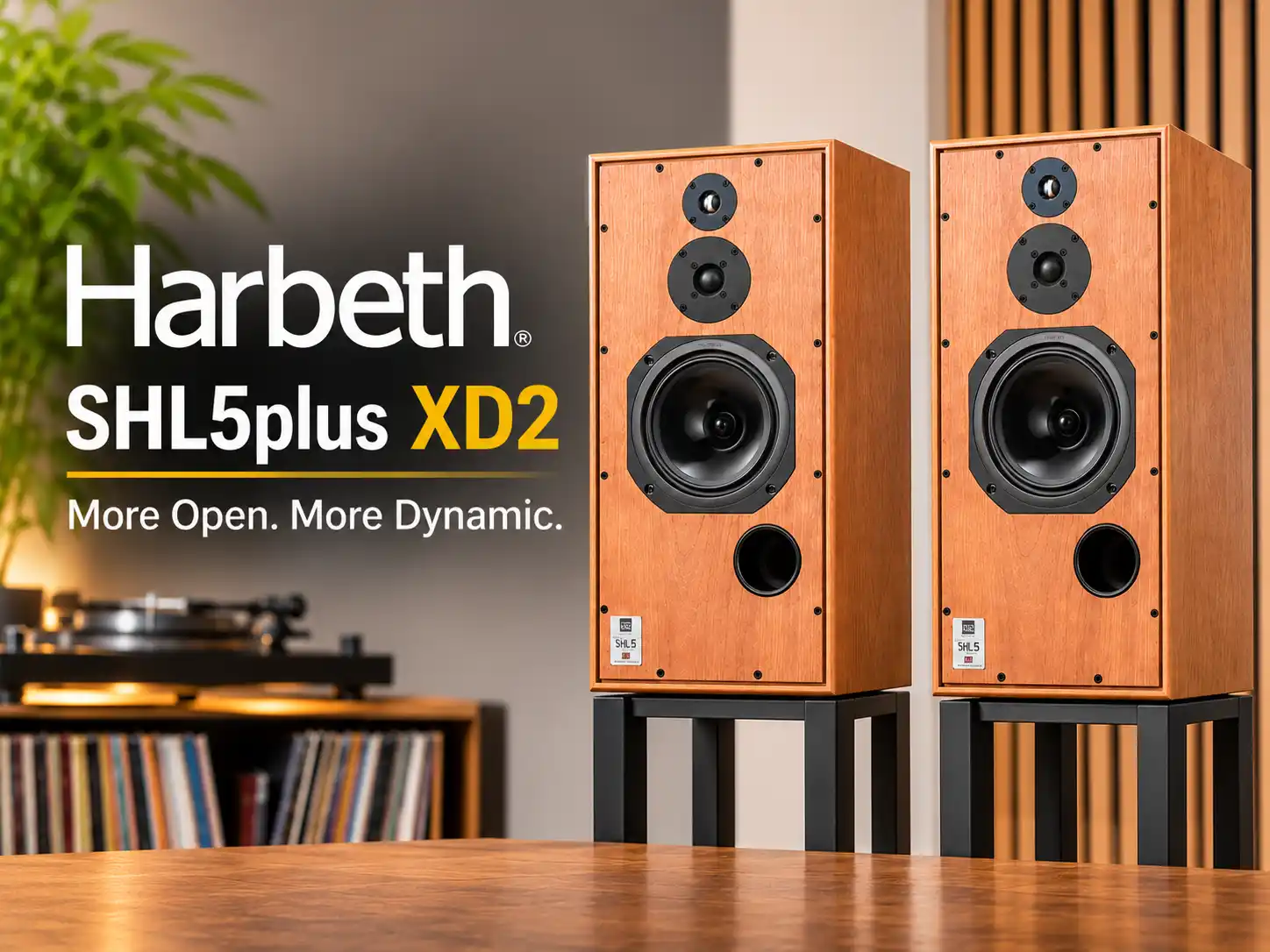
Harbeth has spent decades being filed under “polite.” The SHL5plus XD2 is the model that makes that label harder to defend. It keeps the thin-wall cabinet and the midrange-first voicing, but a new RADIAL4 cone and a reworked crossover have, by most accounts, put more energy and openness into the upper register. Whether that is progress or a dilution depends on what you came to Harbeth for.
A note on method: I haven’t had these speakers in my room. This piece is my analysis of the published evidence, two independent listening reviews, the manufacturer’s data and spec sheets, plus my own read on the design. Where I give an opinion, it’s labeled as one.
Quick Specs
| Spec | Harbeth SHL5plus XD2 |
|---|---|
| Type | 3-way (2-way plus SuperTweeter), reflex-loaded standmount |
| Bass/mid driver | 200mm Harbeth RADIAL4 |
| Tweeter / SuperTweeter | 25mm ferrofluid-cooled dome / 20mm dome |
| Frequency response | 40Hz–20kHz, ±3dB free-space (grille on, per Harbeth) |
| Sensitivity / Impedance | 86dB (2.83V/1m) / 6 ohms |
| Recommended power | From 25W/ch; 150W programme handling |
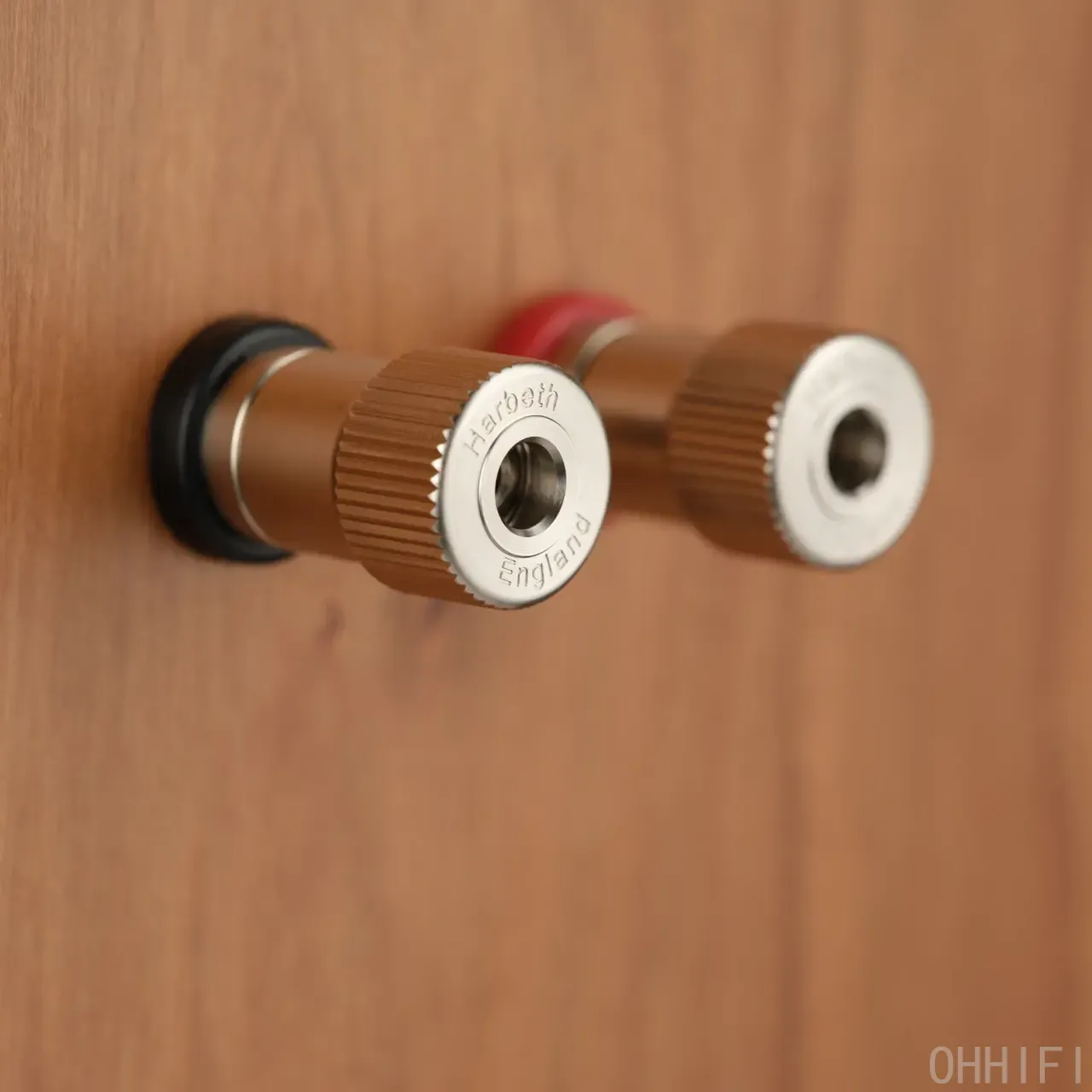
| Dimensions (H×W×D) | 635 × 322 × 300 mm (+12mm for grille and binding posts) |
| Weight | 15.8 kg each (without packing) |
| Finishes | Black Ash, Cherry, Oak, Walnut, Rosewood |
| Price | ~€5,300/pair (Europe); $7,990 listed at US retailers |
Design & Build: Furniture With a Thin-Wall Philosophy
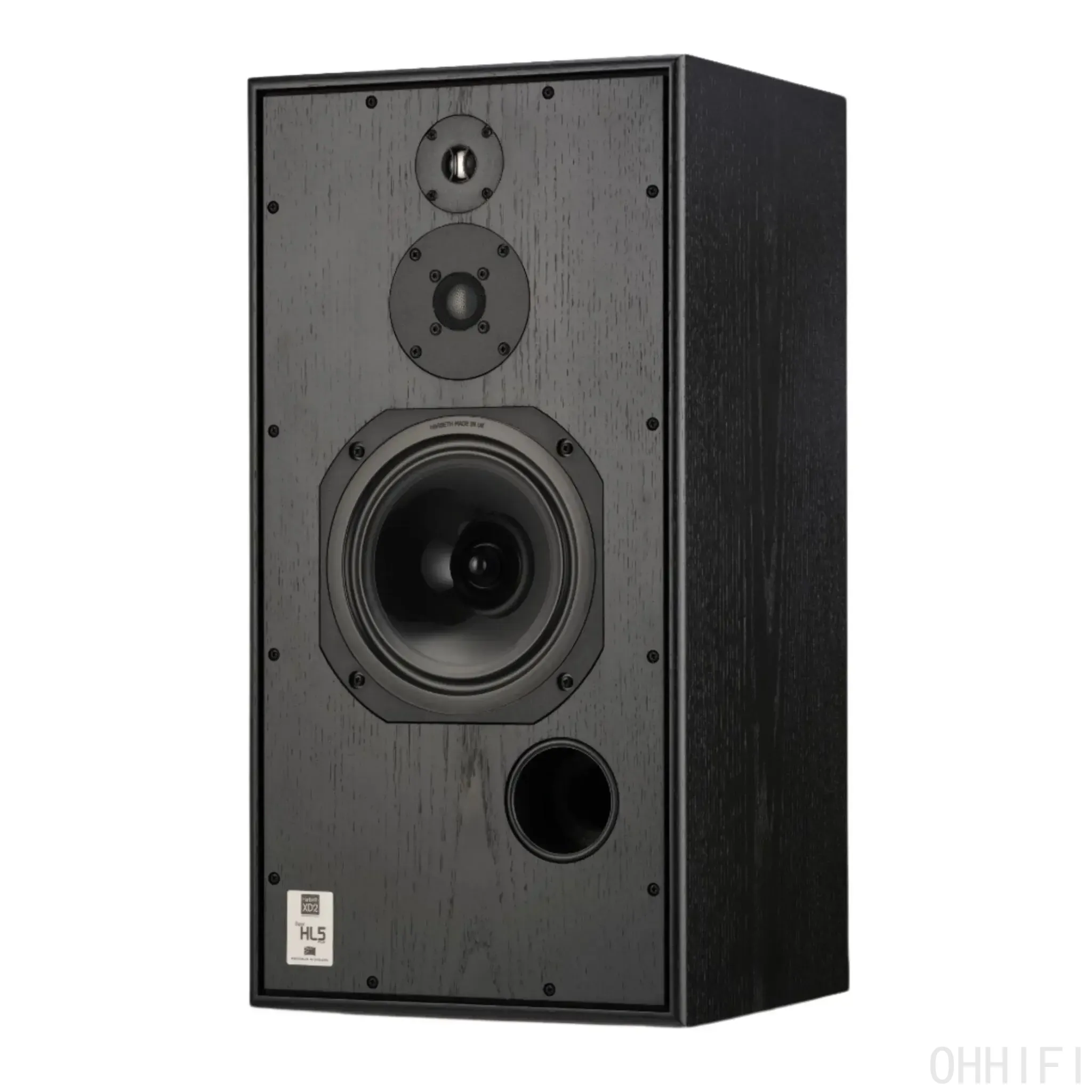
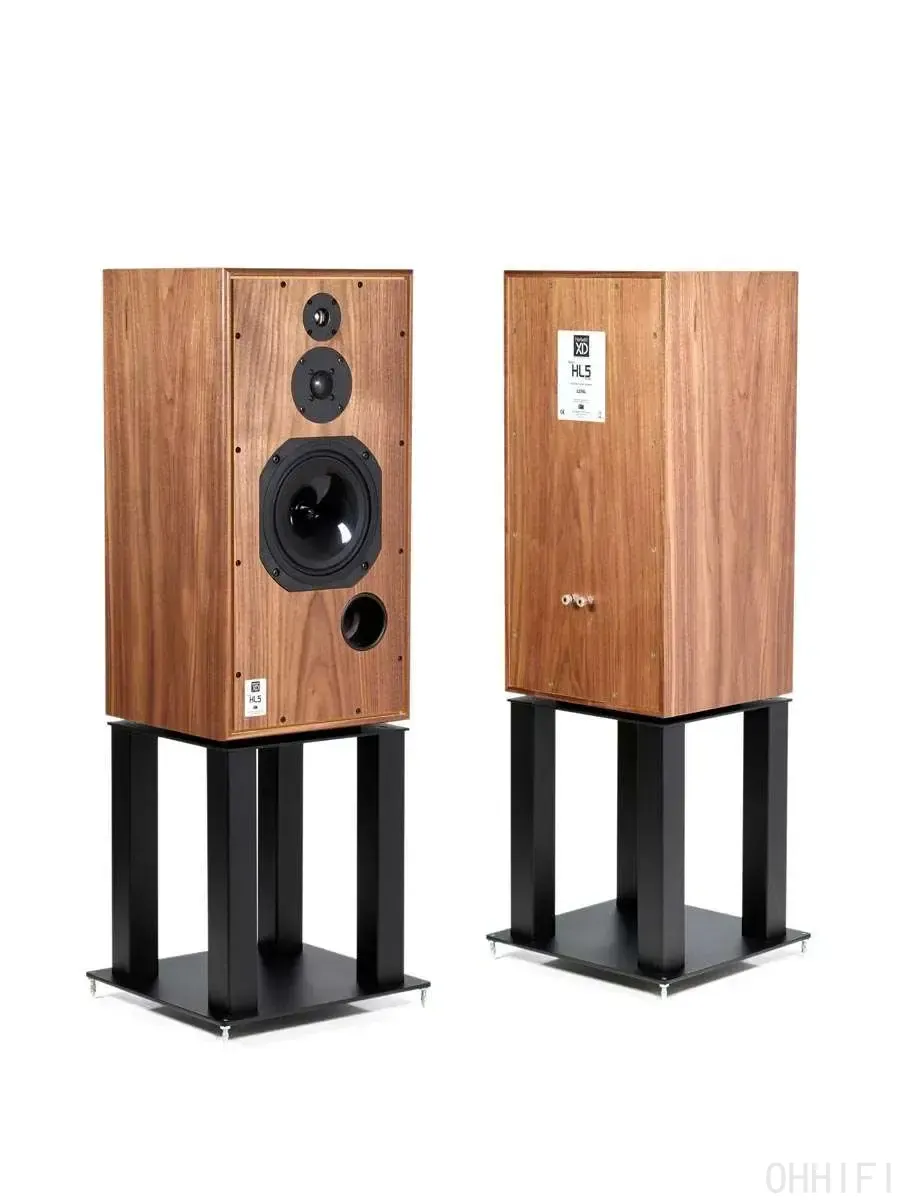
This is a very large “standmount.” At 635mm tall it is closer to a small floorstander without the plinth, and it needs real stands and breathing room. The architecture is distinctively Harbeth: rather than a conventional three-way with a dedicated midrange driver, the 200mm RADIAL4 unit handles both bass and midrange, handing over to a 25mm main tweeter and a 20mm SuperTweeter for top-end air. The cabinet is thin MDF, veneered both sides, with bitumen and foam damping. It is not braced into a brick. The idea, inherited from the BBC monitor tradition, is to control cabinet resonance rather than kill it.
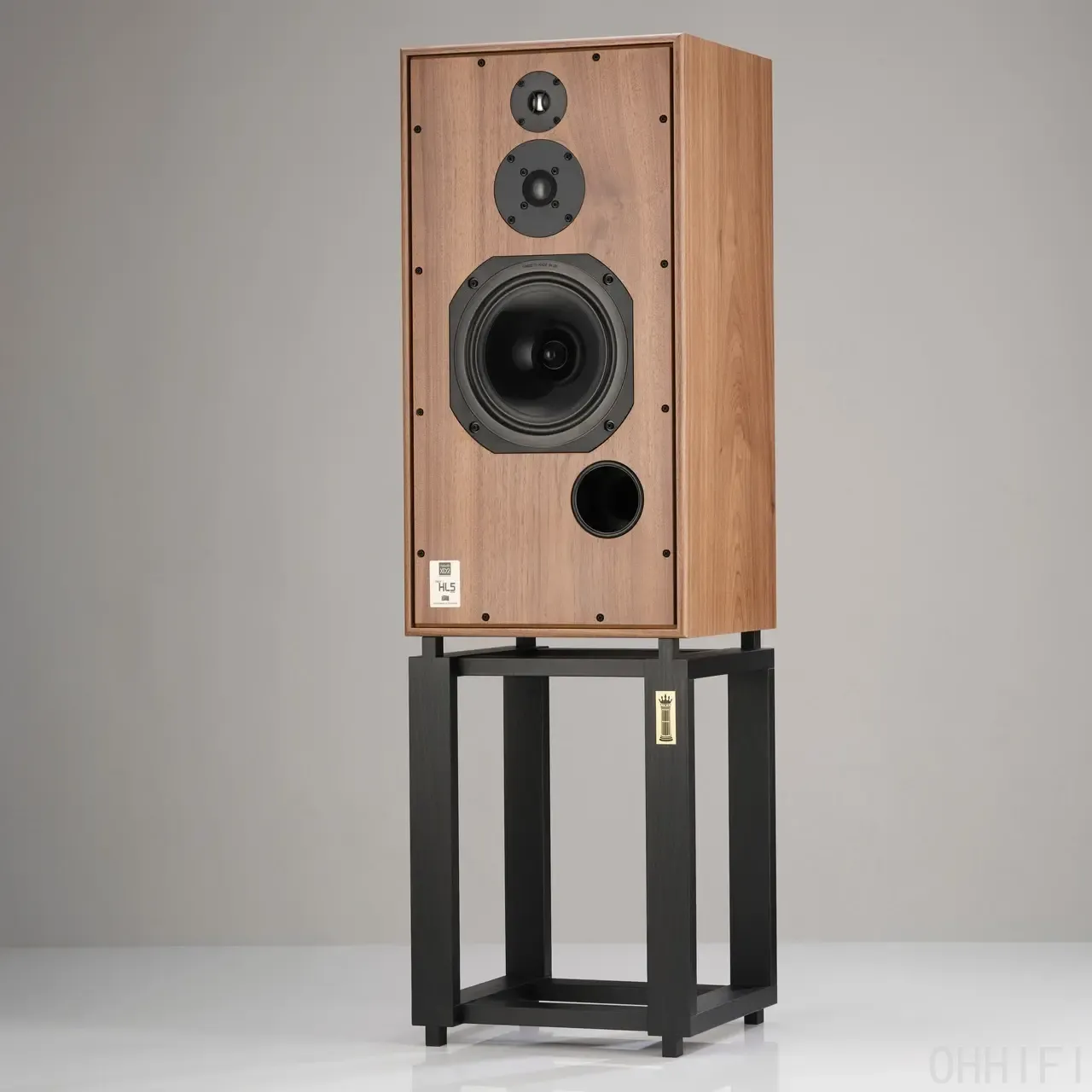
That choice has a practical consequence. Harbeth doesn’t make matching stands, and both published reviews used the open-frame TonTräger Reference HL5 (around €1,200/pair). One of them describes the stand as audibly improving bass definition and flow. A lighter, open-frame stand such as the Skylan SKY-4P18 is the cheaper route. My opinion: budget for the stands up front, because on this design they are part of the speaker.
The grille is part of the tuning. Harbeth specifies the response with the grille fitted (using a revised grille cloth on the XD2), and both reviewers note this.
What the Evidence Says About the Sound
Midrange: Still the Point
On this, the independent sources agree. Voices are described as present, textured and physically believable, with natural timbre on piano and acoustic instruments. Tracks worth cueing up if you audition: Rebecca Pidgeon’s “Spanish Harlem”, Patricia Barber’s “Company”, Billie Holiday’s “Body and Soul”. One reviewer noted that the speaker reveals the hoarseness and emphasized upper midrange of the Holiday transfer rather than smoothing it over. That kind of exposure is a sign of resolution, not harshness.
Treble: The Real Change
Both reviewers report a more open, forward top end than earlier Harbeths. One describes it as sparkle without hardness. The other puts it more bluntly: thanks to the reworked crossover and the faster, clearer RADIAL4 bass/mid driver meeting the tweeters, the speaker has lost some of the silkiness of the RADIAL2 generation, trading it for detail and energy. On The Beatles’ “Get Back” (new remix), that reviewer heard a more aggressive, rock-appropriate attack than from the older M40.1.
This is where I’d be careful. “More open” is good news if you found older Harbeths soft. If you bought into the warm, flowing character, audition first.
Bass: Where the Reviews Part Ways
The two reviews diverge here, and the room and amplifier explain a lot. One describes convincing weight and articulation but a limit on the deepest electronic bass, noting a rival standmount went lower on Yosi Horikawa’s “Bubbles” and Hans Zimmer’s “Why So Serious?”, and suggesting a subwoofer for anyone chasing the 30Hz region. The other finds the sound as large and dense as Harbeth’s flagship M40.1, crediting a mid-bass emphasis that pulls foreground images closer.
Note the second reviewer drove the speakers with a reference-class solid-state power amplifier (Soulution 710) and used SPEC Real-Sound Processor units. A 40Hz (±3dB) rating on a reflex 8-inch design is honest, and I’d trust the spec over the enthusiasm: enough weight for acoustic, vocal and most rock, short of the bottom octave for synth-heavy material.
Soundstage
Both reviewers describe a wide, deep stage with images that sit forward but stay anchored. One reports the foreground reaching almost within arm’s reach while the arrangement extends well behind. Dire Straits’ “Private Investigations” is a good test of that quiet-to-loud range.
Setup & System Matching
The reviewers used different amplifiers: a mid-priced French integrated (Atoll IN400 EVO) and a reference-class Swiss solid-state power amp (Soulution 710). Both worked. The common message is that this is not a speaker to hang on a low-current amplifier. Harbeth says 25W is enough, but 86dB and 6 ohms suggest otherwise to me. I’d budget for a quality amp with real current, in the 60–100W class, especially for larger rooms. Tubes can work in a small room at moderate levels, but the evidence says current matters more than watts.
Placement: Harbeth says the response is optimized away from walls. One reviewer sat the speakers 78cm from the rear wall with a 252cm listening distance. A forward treble and a bright room could add up, so don’t pair it with an already lively amp in a hard-surfaced space.
Measured Performance
I couldn’t find independent third-party measurements for the XD2 at the time of writing. Treat the manufacturer’s response and sensitivity figures as claims until someone measures them.
The Competition
| Rival | Comparison | Verdict |
|---|---|---|
| Buchardt Audio E50 | One published A/B found the passive-radiator E50 deeper and punchier in bass, the Harbeth more convincing on voices, piano and timbre. | Choose the E50 for electronic and cinematic material; the Harbeth for acoustic and vocals. |
| Harbeth M30.3 XD2 | Same RADIAL4 cone and house voicing in a smaller 2-way cabinet (without the SuperTweeter), rated to 50Hz at 85dB, lighter at 11.6kg. | The sensible step down if you don’t need the larger cabinet’s scale and top-end air. Spec-sheet comparison only. |
| Spendor Classic 1/2 (£6,750 UK) | Direct British BBC-heritage rival; true 3-way with a dedicated 15cm midrange driver and 22cm woofer, rated 30Hz–25kHz (±3dB, per spec), 87dB, 8 ohms. | The closest peer in pedigree, rated lower in bass on paper. Spec-sheet comparison only. |
| Wharfedale Super Linton | True 3-way heritage design, rated 39Hz (±3dB), a little shorter (605mm tall). | Close on paper in extension. I haven’t compared the two, so audition both. |
| Wharfedale Linton Heritage | True 3-way at 90dB, easier to drive, with a dedicated 5-inch midrange driver. | A better fit on paper for lower-power amps. Spec-sheet comparison only. |
The Verdict
Provisional score: 9.0/10, based on published evidence, not a listening test.
The XD2 looks like the most versatile Harbeth in this size class: the same voice-first honesty, with more energy than the older models, and no obvious weakness other than bottom-octave bass. The cost is real: roughly €5,300 ($7,990 in the US) plus a pair of good stands plus an amplifier with current. If the two reviews are even partly right, the “slippers” label no longer fits.
Pros / Cons
Pros
- Natural, textured midrange and vocals, agreed on by both reviews
- More open treble and speed than earlier Harbeths
- Wide, deep, anchored soundstage
- Good tonal match for acoustic, vocal and classic rock material
- Real-wood veneers in five finishes, matched pairs
Cons
- Large for a standmount; needs space and away-from-wall placement
- No matching stands from Harbeth, and the best-reported ones are expensive
- Bass stops short of the lowest octave
- Forward treble needs careful amp and room matching
- Not very efficient at 86dB
Who Should Buy / Who Should Skip
This is for you if voices and acoustic instruments are the priority, you have a mid-sized room with space behind the speakers, and you’re willing to spend on stands and a capable amplifier.
Look elsewhere if your listening is mostly electronic or cinematic and you want deep bass without a sub, if your room is small or your amp is modest, or if you loved the older, warmer Harbeth sound and don’t want it changed.